
The 28th Indie Memphis Film Festival: A Resurgent Celebration of Southern Grit and Global Cinema
The landscape of American independent cinema is defined not merely by the prestige of coastal hubs, but by the vital, pulsating arteries of regional festivals that provide a home for the vanguard of artistic expression. Among these, the Indie Memphis Film Festival has long stood as a beacon of cultural significance. This November, the festival returns for its 28th edition, promising a four-day cinematic marathon that reaffirms Memphis’s status as a formidable player in the global film circuit. From November 5 through November 8, the city’s historic Halloran Centre and the Malco Powerhouse will serve as the backdrop for a carefully curated selection of festival circuit sensations, challenging restorations, and local treasures.
A Vision for the "Fractured Present"
The return of the Indie Memphis Film Festival is marked by a significant shift in leadership and a renewed commitment to thematic urgency. Taking the reins as Artistic Director for this milestone 28th edition is Brandon Harris, a visionary whose career has long been associated with the intersection of independent film and social commentary. For Harris, this appointment is more than a professional milestone; it is a homecoming.
"Stepping into the Artistic Director role for this 28th edition feels like coming home to a city that simply refuses to be ignored or categorized," Harris noted in an official statement. "After a year away, we knew we couldn’t just come back with a standard program; we had to return with a slate that speaks urgently to our fractured present."
Harris’s programming philosophy for this year is rooted in the "restless, boundary-pushing spirit" of the medium. He emphasizes a search for films that embody a specific "southern grit"—a term that evokes the complexity, history, and resilience of the region—alongside a "formal audacity" that pushes the boundaries of traditional narrative and documentary structures. By curating a selection that maintains an "unflinching eye" on the complexities of modern life, Harris aims to position Indie Memphis not just as a screening venue, but as a crucible for necessary dialogue.
Chronology and Program Highlights
The festival’s schedule is meticulously packed, offering attendees a diverse array of experiences ranging from high-profile premieres to intimate explorations of the human condition.
Opening and Closing Night
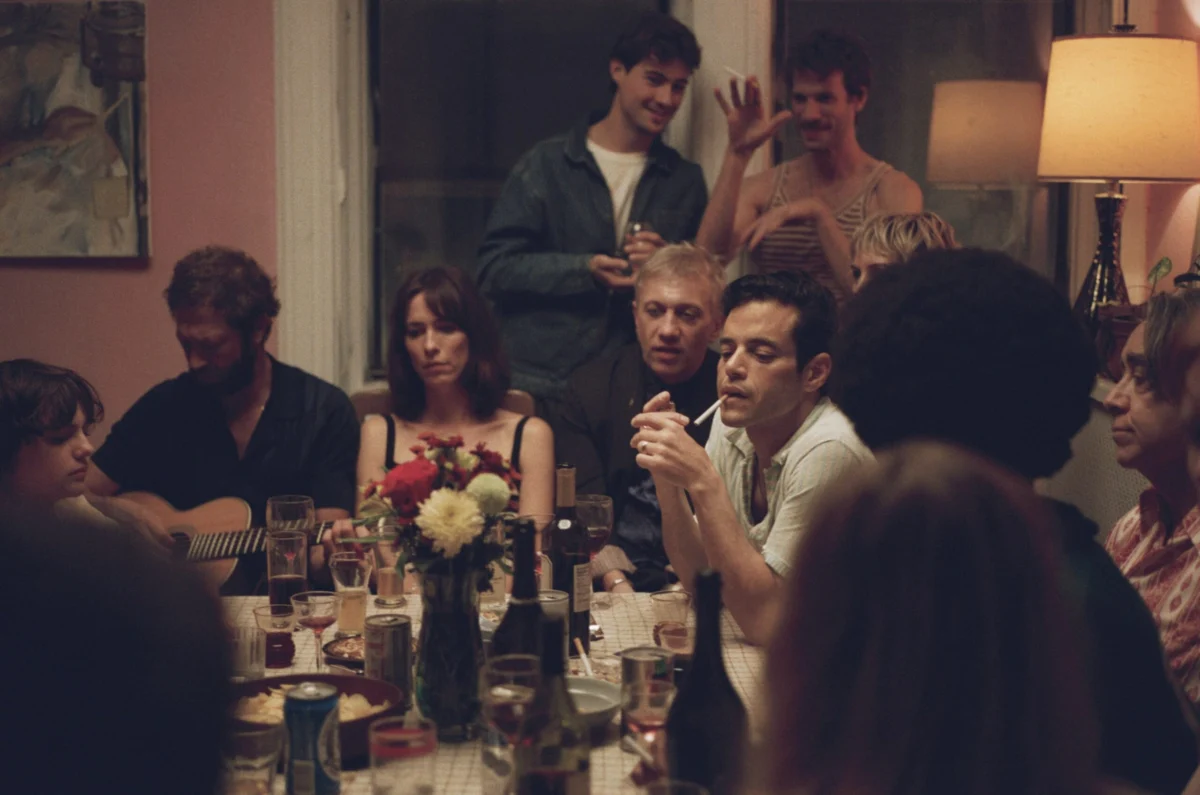
The festival kicks off on November 5 with The Lorraine, a 87-minute feature directed by the acclaimed Sam Pollard. Pollard, known for his incisive documentary work, brings his lens to a project that promises to resonate deeply within the context of Memphis history. The festival will draw its curtains on November 8 with The Man I Love, a 96-minute feature from the renowned filmmaker Ira Sachs, providing a poignant conclusion to the four-day event.
Thematic Tracks
The programming is divided into several distinct categories, each designed to highlight different facets of the filmmaking process:
- Documentary: This category remains the heart of the festival, featuring a robust slate of films that interrogate the sociopolitical landscape of the United States. Notable entries include Dawn Porter’s When a Witness Recants (112m), Judd Ehrlich’s Jane Elliott Against The World (90m), and Jason Osder and William Youmans’ Who Killed Alex Odeh? (84m). These films, along with others like Once Upon a Time in Harlem (William Greaves) and True North (Michele Stephenson), demonstrate the festival’s commitment to challenging, long-form nonfiction.
- Narrative: The fiction slate presents a mix of established auteurs and emerging voices. Sophia Takal’s Act One (104m) and Alex Karpovsky’s Riptides (80m) stand out as marquee selections, while the inclusion of works by Dan Sallitt (What Can’t Be Mentioned) and Rob Rice (Ponderosa) ensures a balance between experimental rigor and narrative depth.
- Hometowner: A celebration of Memphis’s local creative ecosystem, this section highlights the work of homegrown talent. Titles like Hallelujah Station (Christian Walker) and Safe & Sound (Glenn Payne) serve as a reminder that the city is not just a consumer of film, but a creator of world-class content.
- Sounds: Recognizing the inextricable link between the Bluff City’s music heritage and its visual identity, the "Sounds" category features musical documentaries, including Al Warren’s Bobby Rush: King of the Chitlin Circuit and Tamra Davis’s The Best Summer.
- Departures and Throwbacks: The festival also carves out space for the avant-garde with the "Departures" section, featuring works by the likes of Kevin Jerome Everson (Clay), and offers a historical retrospective through the "Throwbacks" series, which includes a notable 2005 screening of Phil Morrison’s Junebug.
Supporting Data: The Logistics of Attendance
The 28th edition of the Indie Memphis Film Festival will utilize two of the city’s most respected cultural venues: the Halloran Centre and the Malco Powerhouse. These locations offer a professional screening environment conducive to the festival’s high-fidelity programming.
Tickets and full schedule details are currently available through the official Indie Memphis website. Organizers strongly advise prospective attendees to book tickets in advance, as the intimate capacity of the selected venues often leads to sold-out screenings for high-profile documentary and narrative premieres. The festival serves as a vital economic and cultural catalyst for the city, bringing together cinephiles, industry professionals, and local residents in a unique, shared experience.
Official Responses and Industry Sentiment
The return of Indie Memphis has been met with significant enthusiasm from both the independent film community and local stakeholders. By securing high-caliber programming and emphasizing a return to form after a year of organizational recalibration, the festival board has signaled a period of stability and ambition.
Industry analysts suggest that the emphasis on "southern grit" is a strategic move to differentiate the festival from the increasingly homogenized landscape of national film events. By grounding its identity in the specific, unvarnished realities of the American South, Indie Memphis is effectively expanding its appeal to global audiences interested in authentic, regionalist storytelling. The decision to include older, restored works alongside contemporary festival circuit hits is seen as a commitment to the preservation of film history, an essential pillar of any world-class festival.
Implications: The Future of Regional Festivals
The significance of the 28th Indie Memphis Film Festival extends far beyond the four days in November. In an era where digital streaming has arguably fragmented the collective viewing experience, festivals like Indie Memphis serve as essential community hubs. They provide a physical space for the "fractured present" to be analyzed, discussed, and debated in real-time.
Furthermore, the festival’s commitment to providing a platform for voices that are often ignored or categorized by major studio apparatuses highlights the vital role of independent cinema in the democratic process. Through documentaries that confront historical injustices and narratives that explore the complexities of human relationships, the festival acts as an incubator for empathy and intellectual growth.
As the industry continues to evolve, the success of regional festivals will likely depend on their ability to balance local relevance with a global outlook. Indie Memphis, under the guidance of Brandon Harris, appears poised to strike this balance. By inviting audiences to engage with a slate that is simultaneously "restless" and rooted, the festival is not merely showing movies—it is mapping the future of independent film in America.
For the attendees, filmmakers, and critics converging on Memphis this November, the 28th edition offers more than just a schedule of screenings. It offers an invitation to participate in a vital, ongoing dialogue about the power of the moving image to bridge divides, challenge assumptions, and reflect the world as it truly is—fractured, complex, and deeply, undeniably human.
