
Beyond the Commercial: Maggie Gyllenhaal’s Flesh Impact, Corporate Art Patronage, and the New Frontier of Independent Filmmaking

By David Caballero
Published October 15, 2026
Main Facts: The Unveiling of Flesh Impact at the 2026 Busan International Film Festival
At the 2026 Busan International Film Festival, acclaimed filmmaker and two-time Academy Award nominee Maggie Gyllenhaal unveiled her latest directorial endeavor, a 17-minute short film titled Flesh Impact. Commissioned by luxury automotive brand Genesis to commemorate what would have been Marilyn Monroe’s 100th birthday, the project initially sparked skepticism regarding its corporate origins. However, the finished product defies convention.
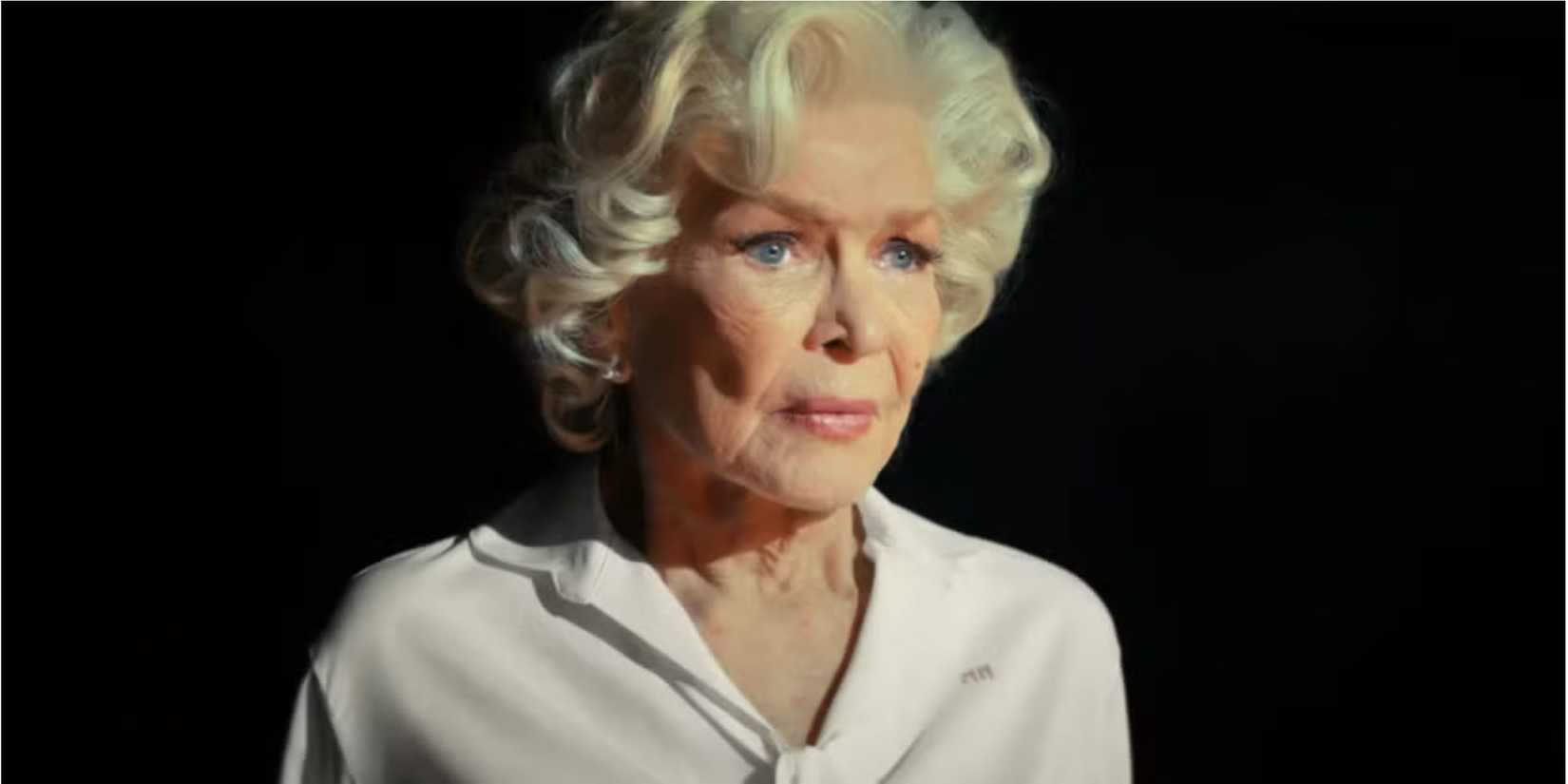
Rather than serving as a standard commercial or a traditional biographical piece, Flesh Impact is a haunting, minimalist phantasmagoria. It explores the psychological weight of fame, the mechanics of performance, and the commodification of stardom. Centered around a tense audition in a gloomy, stripped-down theater, the film features Dakota Johnson as a fleeting vision of a young Monroe, while legendary actress Ellen Burstyn delivers a staggering, tour-de-force performance as an older, wiser iteration of the iconic Hollywood starlet.
Despite being backed by a major multinational corporation, Gyllenhaal maintained absolute creative autonomy. This artistic freedom allowed her to reject technological shortcuts—such as utilizing artificial intelligence to de-age Johnson—in favor of a deeply human, theatrical meditation on aging, memory, and the enduring tragedy of being consumed by the public eye.

Chronology: From Corporate Brief to Festival Circuit
The genesis of Flesh Impact spans a meticulous developmental timeline defined by unexpected creative compromises and artistic boundaries:
- The Commission: South Korean luxury car manufacturer Genesis approached Maggie Gyllenhaal with a proposal: create a short film celebrating the centennial of Marilyn Monroe’s birth.
- Initial Hesitation: Initially reluctant, Gyllenhaal questioned whether she had a fresh perspective to offer regarding Hollywood’s most documented icon, eventually finding an entry point by focusing on the quiet spaces "between her big moments."
- The AI Controversy: During pre-production, Genesis floated the idea of employing artificial intelligence to digitally transform Dakota Johnson into a younger Marilyn Monroe. Gyllenhaal evaluated the concept but ultimately rejected it, arguing that obscuring or manipulating an actor’s face runs entirely counter to capturing authentic interiority. Genesis respected her decision, pivoting away from the technology.
- Principal Photography: Filming embraced a minimalist aesthetic. The luxury vehicle is relegated to brief appearances at the opening and closing frames, shifting the bulk of the runtime onto a stark theater stage.
- The Festival Premiere: Following its debut at the Venice Film Festival to a wave of critical curiosity, Flesh Impact traveled to the 2026 Busan International Film Festival, where Gyllenhaal discussed its themes, production hurdles, and broader industry implications.
- Current Trajectory: Genesis and its creative partners are preparing a formal For Your Consideration (FYC) campaign for the short film, exploring potential awards eligibility while continuing philanthropic arts initiatives.
Supporting Data: Cast, Crew, and Corporate Philanthropy
The creative engine behind Flesh Impact relies on a powerhouse ensemble and an evolving corporate patron model:
- Maggie Gyllenhaal (Director/Writer): Continues her transition into daring, philosophically complex directorial projects following her acclaimed feature debut, The Lost Daughter.
- Ellen Burstyn (Lead Actress): At 93 years old, the screen legend delivers a masterclass in economy and emotional gravity. Critics and industry insiders are actively discussing her viability as an unprecedented short-film awards contender.
- Dakota Johnson (Supporting Actress): Appears sparingly as the ghostly apparition of a younger Monroe, serving as a thematic bridge rather than a traditional lead.
- Peter Sarsgaard & Spideh Moafi: Sarsgaard (Gyllenhaal’s husband) plays a haughty, exacting theater director, alongside The Pitt breakout Spideh Moafi as his assistant, anchoring the framing device of the audition sequence.
- Genesis & The Gotham Partnership: Beyond the short film, Genesis has solidified its commitment to the independent film ecosystem by partnering with The Gotham Film & Media Institute. The initiative provides crucial finishing funds for three New York City-set narrative and scripted short films currently navigating post-production or distribution.
Official Responses: Navigating Creative Freedom and Corporate Expectations
The intersection of high-art cinema and corporate branding naturally raises questions concerning artistic integrity. Both Gyllenhaal and her financial backers have addressed these dynamics transparently.
Genesis openly marketed the project by emphasizing its dedication to granting Gyllenhaal unconditional creative freedom. Recognizing that authenticity is paramount when dealing with cultural touchstones like Marilyn Monroe, the brand sought a singular authorial voice rather than a traditional commercial director.

Speaking at the Busan International Film Festival, Gyllenhaal elaborated on the decision to scrap the corporate-suggested AI integration:
"What I needed to try to do was imagine [Monroe’s] internal life, and covering Dakota’s face did the absolute opposite of that."
The willingness of a major automotive manufacturer to step back and allow an auteur to critique the very nature of stardom—and by extension, the consumerist apparatus that fuels modern celebrity—underscores a unique paradigm shift in how corporate entities choose to associate with cultural capital. Rather than imposing product placement or narrative constraints, Genesis positioned itself strictly as a patron of the arts, funding a project that ultimately questions how society consumes human talent.
Implications: A New Era of Alternative Financing for Auteurs
The arrival of Flesh Impact arrives at a precarious crossroads for the global entertainment industry. Traditional Hollywood infrastructure is undergoing severe contraction, leaving visionary filmmakers struggling to secure basic backing. Prominent auteurs have increasingly spoken out about the insurmountable hurdles of modern financing: industry veteran John Waters recently revealed he had to abandon his planned adaptation of Liarmouth due to funding deficits, while filmmaker Lily Wachowski has similarly faced roadblocks in getting a $10 million thriller off the ground.
As major studios increasingly consolidate into risk-averse monopolies focused exclusively on intellectual property and four-quadrant blockbusters, mid-budget and idiosyncratic storytelling faces an existential crisis. In this climate, Flesh Impact offers a compelling, if unconventional, blueprint for the future.
Can Corporate Patronage Save Independent Cinema?
While a 17-minute brand-funded short film is vastly different from a multi-million-dollar feature film, the success of Gyllenhaal’s project suggests that non-traditional funding sources may become a vital lifeline for displaced artists. Corporations possess deep capital reserves and are increasingly eager to launder their corporate images through association with high-culture prestige projects. If executed with the level of uncompromising artistic integrity seen in Flesh Impact, brand-sponsored cinema can bypass studio gatekeepers entirely.
Furthermore, Genesis’ ongoing investment in the independent sector—such as its partnership with The Gotham Film & Media Institute—indicates that corporate interest in the arts does not necessarily have to end with a single vanity project. Historically, cinema has always adapted to financial upheaval. When the classical studio system collapsed in the mid-20th century, independent distribution networks rose from the ashes; when those systems strained, the 1990s indie boom filled the void.
As Hollywood tightens its purse strings, directors and writers will inevitably follow the capital. Genesis may currently have no immediate plans to pivot into major feature film production, but Flesh Impact has successfully broken ground. If the short film secures an Academy Award nomination—and if other global brands observe the immense cultural goodwill generated by such patronage—we may be witnessing the infancy of an entirely new era of corporate-backed auteur cinema.
