Inside DC’s Darkest Experiment: How Clayface Redefines the Superhero Genre Through Indie-Style Body Horror
Main Facts: A Bold New Direction for DC Studios
DC Studios is officially charting unexplored territory with the theatrical release of Clayface. Marking the studio’s inaugural plunge into smaller-scale, genre-focused storytelling, the film breaks away from the traditional, tentpole blockbuster formula established by massive productions like Superman and Supergirl. Instead, Clayface delivers a standalone, deeply unsettling psychodrama rooted firmly in the tradition of bodyhorror.
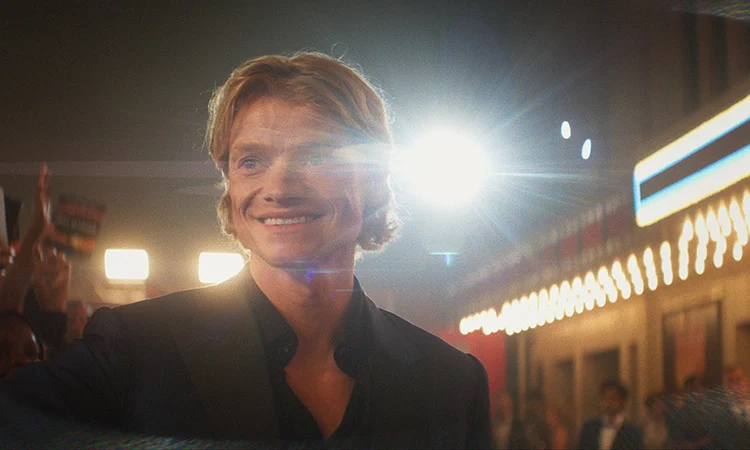
Directed by James Watkins (Speak No Evil, The Woman in Black, Eden Lake) and based on an initial script and story treatment by Mike Flanagan (Midnight Mass, Doctor Sleep), with subsequent credited rewrites by Hossein Amini (Drive), the film chronicles the tragic downfall of Matt Hagen. Portrayed by Welsh actor Tom Rhys Harries, Hagen spirals from a celebrated movie star into a mutated monster following a brutal encounter with the mob and exposure to experimental nanite technology.
While theoretically capable of connecting to a mainline DC Studios version of Batman down the line—though strictly separate from Robert Pattinson’s The Batman universe—Clayface functions primarily as an autonomous piece of cinema. It trades interconnected universe-building for a tightly wound, character-driven narrative that prioritizes atmosphere, psychological terror, and visceral body horror over corporate synergy.
Chronology: From Mike Flanagan’s Treatment to the Big Screen
The journey of Clayface from concept to cinematic reality reflects a collaborative, filmmaker-driven process that prioritizes creative freedom over executive oversight.
The Genesis: Horror auteur Mike Flanagan crafted the foundational story treatment and script, establishing the core body-horror template and exploring Hagen’s harrowing transformation.
Assembling the Creative Team: Director James Watkins and the principal cast came on board drawn specifically by Flanagan’s unique framing of the iconic DC villain as a tragic, relatable figure suffering a profound crisis of identity. Writer Hossein Amini was subsequently brought in to polish the screenplay, ensuring the narrative beats hit with maximum emotional and psychological impact.
The Intimate Production: Eschewing the sprawling, green-screen-heavy soundstages typically associated with comic book adaptations, the cast and crew shot Clayface with an atmosphere that actors likened to an independent film.
The Theatrical Release:Clayface arrives in cinemas worldwide, inviting audiences to experience DC’s first true genre-bending horror experiment.
Supporting Data: Crafting Gotham’s Oppressive Atmosphere and Practical Nightmares
To bring the world of Matt Hagen to life, director James Watkins and his creative team meticulously crafted a visual and auditory landscape that deliberately contrasts with the brighter corners of the DC Universe.
Designing an Alternative Gotham
In establishing the film’s setting, Watkins sought to construct a Gotham City that felt distinct, tactile, and overwhelmingly oppressive, drawing direct inspiration from German expressionist cinema and historical grit.
"I created a Gotham in contrast to Coast City, which is kind of like L.A. if Gotham’s like New York," Watkins explains. "Coast City is a city where the sun shines, you can see green verdant, organic trees; you can see the sea. There’s a gold glow to the place. Gotham’s got this heavy atmosphere. It’s oppressive. The buildings loom over us like in German expressionist cinema. There’s a dirty poetry to the streets. We looked at a lot of street photography, specifically, from the 1980s and ’90s in New York before the city was cleaned up. We shot it with anamorphic C Series lenses to give it a vintage feel and a softening of the imagery."
Cinematic Inspirations
The cast and crew openly lean into legendary cinematic touchstones of metamorphosis and paranoia. Everyone involved cites David Cronenberg’s The Fly as a primary influence. Watkins additionally notes that John Carpenter’s The Thing, John Landis’s An American Werewolf in London, and Shinya Tsukamoto’s Tetsuo: The Iron Man left a "massive impact" on his aesthetic approach. Tom Rhys Harries even adopted a fittingly eerie aural backdrop between takes, frequently listening to Vangelis’s score for the French wildlife documentary series L’Apocalypse des animaux.
Practical Effects and Behind-the-Scenes Realities
True to its body-horror roots, Clayface heavily emphasizes practical effects over digital augmentation. A standout sequence features Hagen experiencing an emotional and physical glitch while flying on an airplane, prompting him to use a pair of makeup scissors to attempt surgical corrections on his own mutating eyes amidst severe turbulence.
While eagle-eyed fans humorously questioned the Transportation Security Administration logic of bringing scissors onto an aircraft, Rhys Harries defended the narrative choice with characteristic humor: "You’re watching a film about a man who can turn his hand into a hammer and can fully melt. You’re gonna get hung up on scissors being on a plane?!"
Another cerebral, dialogue-free highlight involves Dr. Caitlyn Corr (Naomi Ackie) observing Hagen as he sleeps, unintentionally transforming into the people populating his dreams—including Corr herself. Behind the scenes, filming this surreal moment required considerable physical comedy. Ackie recalls sharing a cramped bedroom set where she and Rhys Harries hid underneath a bed, blindly guessing each other’s positions by grazing hands while director Watkins encouraged them from the sidelines.
Official Responses: Cast and Crew Perspectives on Tragedy and Identity
The core strength of Clayface, according to its principals, lies in its deep empathy for its characters. Rather than treating the body horror as gratuitous spectacle, the production grounded the monstrous transformations in universally understandable human fears.
Tom Rhys Harries on Matt Hagen’s Tragic Fall
For lead actor Tom Rhys Harries, the character’s tragedy mirrors the loss of self experienced by anyone whose livelihood and identity are suddenly stripped away. He notes that Mike Flanagan’s script brilliantly utilized fantastical genre elements as a metaphor for deep-seated human anxieties.
"It lives in things that are really relatable," says Rhys Harries. "What it is to be human, to belong to a community, to feel like you can contribute back to a group with what you do for work. Identity, loss of identity, what do you pin your identity onto. Love. I think that sci-fi and comic books work best when they have a really firm grasp on the metaphor they’re operating out of… If we look at it slightly off centre, we’re able to look at it more clearly."
James Watkins on the Anatomy of Anxiety
Director James Watkins emphasizes that the horror genre is most effective when it confronts anxieties shared by all human beings. By focusing on Hagen’s physical decay, the film explores the terrifying vulnerability of the human body.
"I want it to get under your skin," Watkins states. "The best horror films relate to anxieties we all share, body horror possibly being one of the biggest ones. Everyone has anxieties about their bodies. What can go wrong, how they can betray us. That massively appealed… As an actor, his face is his tool, so he’s like a pianist that’s had his hand smashed up. He’s lost his livelihood. He loses his reputation. He loses his identity. Those are really relatable, real fears."
Reflecting on the production environment, supporting actor Max Minghella (who plays Gotham City police detective John Borrelli) and female lead Naomi Ackie praised the project’s intimate, collaborative atmosphere.
"The shoot itself felt really intimate and personal," Minghella shares. "It’s funny that it’s now coming out as this big film because when we made it, it really felt like we were just making a film with our friends."
Ackie echoes this sentiment, praising the creative freedom of the set: "I’m a huge fan of collaboration, and the idea that this piece of work was subverting expectations with it being so genre-led, but also really character-led and having this indie-ish vibe, it was just so exciting."
Implications: What Clayface Means for the Future of DC Studios
The theatrical release of Clayface carries profound implications for the trajectory of DC Studios under the leadership of James Gunn and Peter Safran. By greenlighting a standalone, R-rated, low-budget body-horror psychodrama centered on a secondary Batman villain, the studio has signaled a willingness to embrace creative diversity over homogenized, four-quadrant filmmaking.
If Clayface resonates with audiences and critics alike, it paves the way for a more flexible, risk-tolerant cinematic landscape where DC characters can be explored through wildly different genres—ranging from gritty crime thrillers and cosmic epics to psychological horror. By letting filmmakers focus on character-driven storytelling without the immediate burden of setting up a sprawling shared universe, DC Studios has proven that superhero cinema can still surprise, terrify, and genuinely subvert expectations.