
Beyond the Lens: Documenting the Unyielding Spirit of the LGBTQ+ Community
For millions across the globe, the act of love is far from a simple personal milestone; it is a profound act of defiance, a strategy for survival, and a radical expression of joy. During LGBTQ+ History Month, it is imperative to honor not only the historic movements that have paved the road toward equality but also the quiet, intimate victories that occur behind closed doors. Whether played out in the hallowed halls of government, the pews of a church, or the private sanctuary of a family dinner table, the right to live openly and safely remains a fragile, hard-won reality.
For over two decades, the Sundance Institute’s Documentary Film Program (DFP) has stood at the vanguard of this struggle, providing essential support to nonfiction filmmakers who dare to capture the nuance of queer existence. These stories—ranging from the high-stakes political battles for human rights to the poetic, quiet moments of self-discovery—serve as a vital record of the human condition.
The Evolution of Queer Nonfiction: A Chronology of Advocacy
The history of LGBTQ+ documentary filmmaking is inextricably linked to the history of the movement itself. In the early 2000s, as visibility began to increase, filmmakers shifted their focus from merely documenting tragedy to exploring the diverse, intersectional realities of queer life.
The Sundance Institute has acted as a catalyst for this evolution. Since 2002, the DFP has curated a portfolio of films that refuse to reduce the LGBTQ+ experience to a single narrative. Instead, they have amplified stories that span the globe: the fight for justice in the Philippines, the intersection of faith and sexuality in Kenya, the reclamation of history in the United States, and the intersection of rural tradition and gender identity in Mexico. By backing these projects, the Institute has ensured that the "small" stories—the ones that rarely make front-page headlines but fundamentally alter the cultural landscape—are preserved for posterity.
A Spotlight on 16 Defining Works
The following collection of films, supported by the Sundance Institute, represents a cross-section of the resilience, joy, and structural challenges faced by the LGBTQ+ community.
Navigating Identity and Family
- Adam’s Apple (Dir. Amy K. Jenkins): A poignant longitudinal study spanning nearly two decades, this film charts the transition of the director’s son, Adam. It offers a rare, dual-perspective look at a family navigating change, vulnerability, and the evolving nature of parental love.
- Sabbath Queen (Dir. Sandi DuBowski): Spanning 20 years, this film follows Rabbi Amichai Lau-Lavie, a descendant of an Orthodox rabbinical dynasty who reinvented himself as a queer drag-queen rebel. It is a profound meditation on the intersection of ancient ritual and modern identity.
- Hummingbirds (Dir. Silvia Del Carmen Castaños, Estefanía “Beba” Contreras): A cinematic self-portrait set on the Texas-Mexico border. The directors capture their final summer of youth, turning their hometown into a landscape of creative expression, activism, and profound friendship.
Confronting Structural Oppression and History
- The Death and Life of Marsha P. Johnson (Dir. David France): A critical reexamination of the 1992 death of a trans icon. By challenging the "suicide" narrative, the film honors the legacy of a pioneer whose life and death remain central to the modern trans rights movement.
- Call Her Ganda (Dir. PJ Raval): This investigation into the murder of a trans Filipina woman by a U.S. Marine highlights the intersection of gender identity, colonial power dynamics, and grassroots activism.
- Southwest of Salem (Dir. Deborah S. Esquenazi): A harrowing look at the "satanic panic" era, focusing on four Latina lesbians who were wrongfully convicted. The film exposes how homophobia and prosecutorial misconduct can destroy lives, while celebrating the survivors’ fight for exoneration.
- Out Run (Dir. S. Leo Chiang, Johnny Symons): A chronicle of the world’s first LGBTQ+ political party as they campaign to elect a trans woman to the Philippine Congress, showcasing the power of mobilizing marginalized communities.
Global Perspectives on Being Queer
- I Am Samuel (Dir. Peter Murimi): Filmed over five years, this intimate portrait follows a Kenyan man struggling to balance his devotion to his family with his need for authentic love and safety in a country where his existence is criminalized.
- Queendom (Dir. Agniia Galdanova): A testament to the power of art as a survival mechanism, this film follows a queer Russian artist whose public performances serve as radical acts of defiance against an increasingly repressive state.
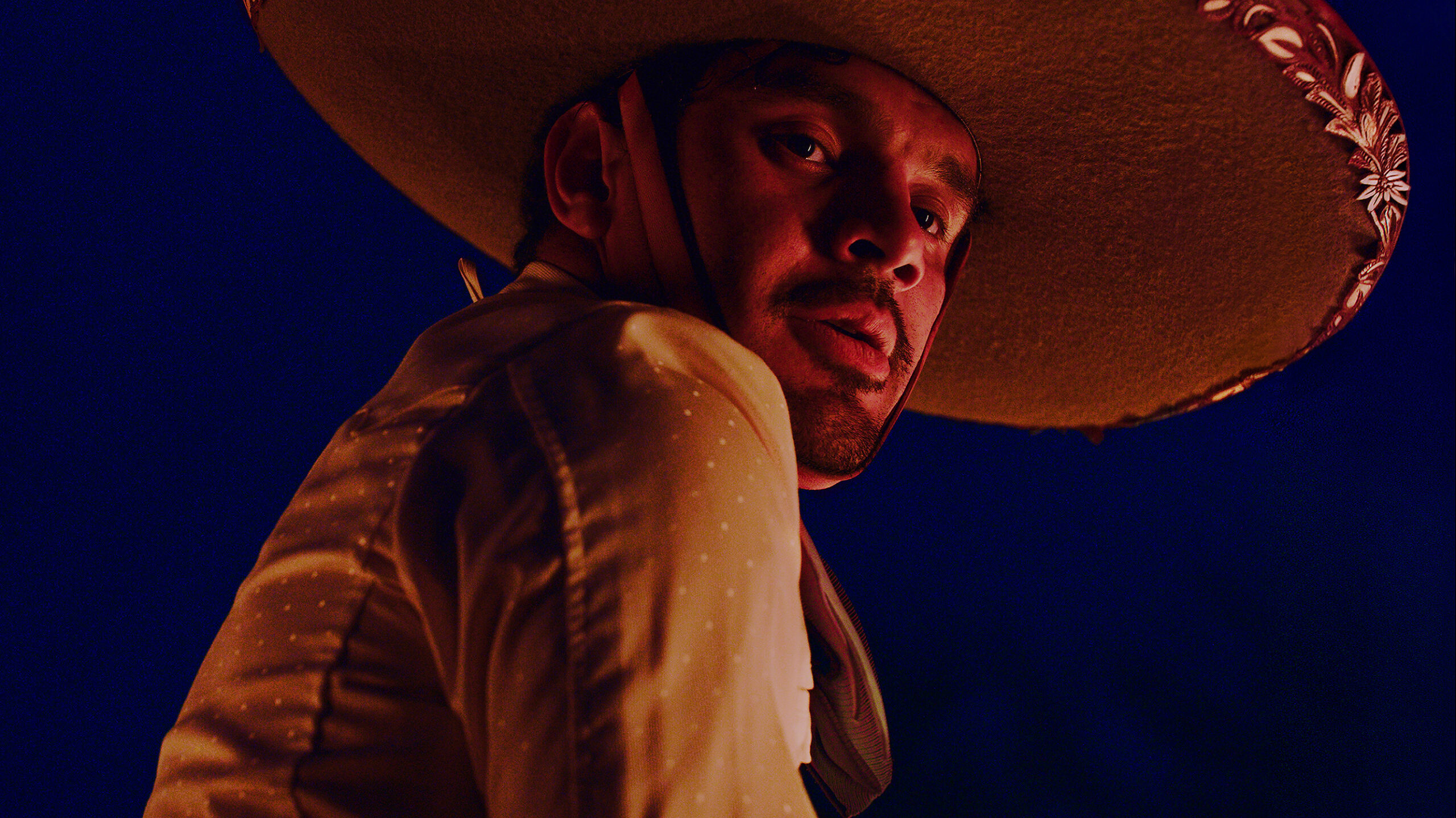
- Jaripeo (Dir. Efraín Mojica, Rebecca Zweig): A deep dive into the hypermasculine world of Michoacán rodeos. The film explores the subconscious of memory and queer desire, finding a dreamlike beauty in the tension between tradition and self-discovery.
Science, Gaming, and Modern Life
- Break the Game (Dir. Jane M. Wagner): An exploration of the digital age, focusing on trans gamer Narcissa Wright. It unpacks the toxic realities of online harassment and the mental health implications of living one’s life in the public digital eye.
- Second Nature: Gender and Sexuality in the Animal World (Dir. Drew Denny): Narrated by Elliot Page, this documentary flips the script on "natural" definitions. By highlighting the diversity of sex and gender behaviors in over 1,500 species, it scientifically dismantles the notion that queerness is unnatural.
- Before You Know It (Dir. PJ Raval): A heartwarming and honest look at gay seniors navigating life, love, and community in their later years, bridging the gap between generations.
Insights from the Documentary Film Program
The staff at the Sundance Institute’s Documentary Film Program emphasize that these films are not merely content—they are interventions.
"The result is a tender, honest portrait of familial love and transformation," notes Paola Mottura, Director of the Documentary Film Fund, regarding Adam’s Apple. Similarly, Andrea Alarcón, Producing & Artist Support Manager, highlights Break the Game as a "powerful reflection on healing, reconnection, and finding the courage to begin again."
These testimonies underscore a core philosophy: that documentary filmmaking is a tool for empathy. By witnessing the lives of others, audiences are invited to dismantle their own biases and recognize the shared humanity that connects us all.

Implications for the Future
The state of LGBTQ+ rights remains volatile. In several regions, legal protections are being stripped away, while in others, social stigmas continue to force individuals to hide their true selves. The films supported by the Sundance Institute provide more than just historical context; they provide a blueprint for resistance.
As we look toward the future, the role of independent nonfiction media becomes increasingly critical. In an era of rampant misinformation and social polarization, these films offer ground-level truths. They remind us that for every legislative setback, there is an individual persisting in their truth. They remind us that the struggle for equality is not a singular event, but a continuous process of storytelling, archiving, and community building.
Supporting the Storytellers
The importance of these films cannot be overstated, yet they require resources to reach the public. The Sundance Institute relies on the support of patrons who understand that art is a fundamental component of social change. Whether through funding, distribution, or simple viewership, every act of engagement with these stories serves as a defense of the rights of those they depict.
As these documentaries continue to screen at festivals and in community centers worldwide, they carry with them the weight of the stories they tell. They challenge us to ask: What kind of world are we building? And are we brave enough to protect the right of everyone, everywhere, to love and exist openly?
The work of these filmmakers is not finished. As long as there are stories of defiance and survival yet to be told, the cameras will keep rolling. It is our collective responsibility to ensure that those cameras continue to have the light they need to shine.
