
Beyond the Horizon: Why the 1970s Sci-Fi Masterpiece Space: 1999 Deserves a Second Look
Main Facts
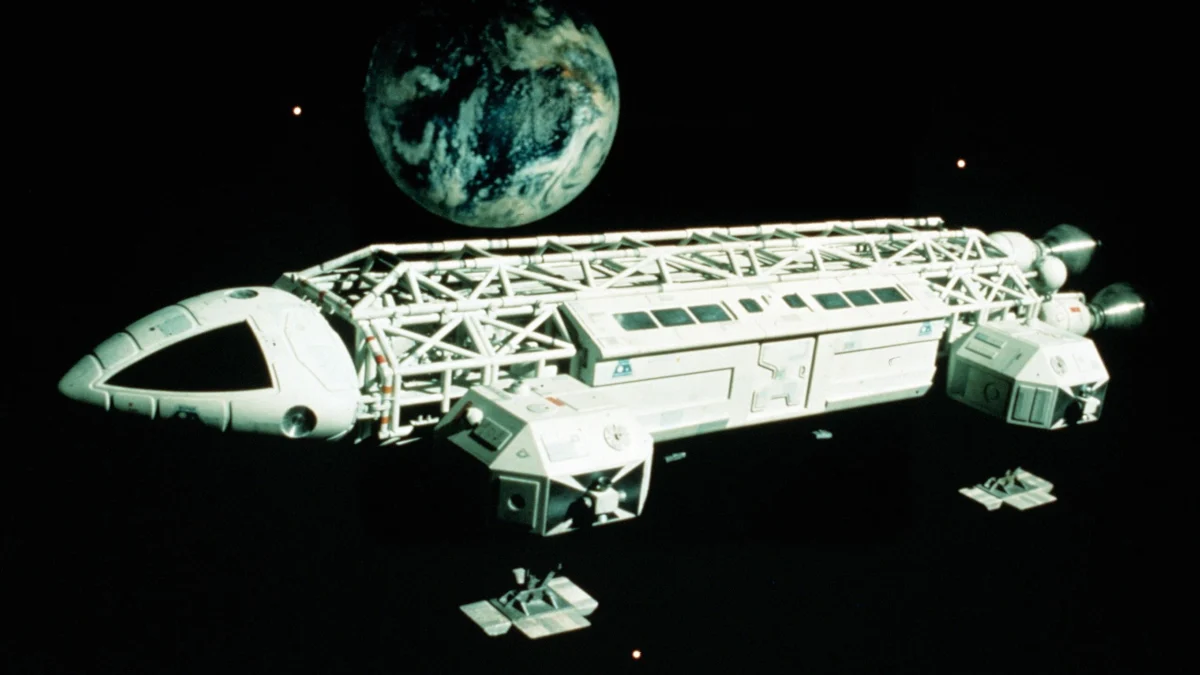
Decades after Stanley Kubrick redefined the boundaries of visual storytelling with 2001: A Space Odyssey, television attempted to capture that same lightning in a bottle. Premiering in 1975, the British science fiction series Space: 1999 stands as television’s closest ideological and aesthetic relative to Kubrick’s cinematic masterpiece. Created by Gerry and Sylvia Anderson—the minds behind the iconic puppet series Thunderbirds—the live-action drama featured groundbreaking special effects helmed by talent directly imported from 2001.
Despite boasting production values that routinely put contemporaries like Star Trek and Blake’s 7 to shame, Space: 1999 failed to secure the everlasting cultural dominance enjoyed by Kubrick’s film. Hindered at launch by scathing scientific critiques from legendary author Isaac Asimov and suffering from the shifting tides of network television scheduling, the 48-episode series has frequently been relegated to a footnote in sci-fi history. However, as modern audiences reassess the depth and ambition of 1970s television, a compelling argument is emerging that Space: 1999 is far better—and far more scientifically ambitious—than collective memory suggests.
Chronology: From Gerry Anderson’s Vision to Cult Classic Status
The origins of Space: 1999 trace back to the early 1970s, when Gerry and Sylvia Anderson sought to pivot away from their successful Supermarionation puppet productions toward high-budget, live-action science fiction.
- Late 1973 – Early 1974: Production commenced at Pinewood Studios under the working title Space Journey. The Andersons envisioned an ongoing drama that combined high-concept philosophical questions with blockbuster-tier action.
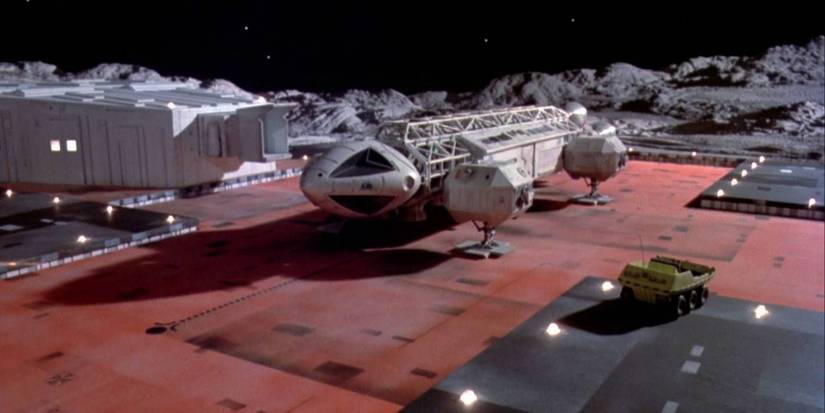
- September 1975: Space: 1999 officially premiered on television networks, heralded by an explosive, high-stakes pilot episode titled "Breakaway." The narrative established a terrifying premise: a massive buildup of nuclear waste stored on the Moon’s far side detonates unexpectedly, blasting Earth’s natural satellite out of orbit and casting Moonbase Alpha—and its 311 inhabitants—adrift into the dark, uncharted depths of the cosmos.
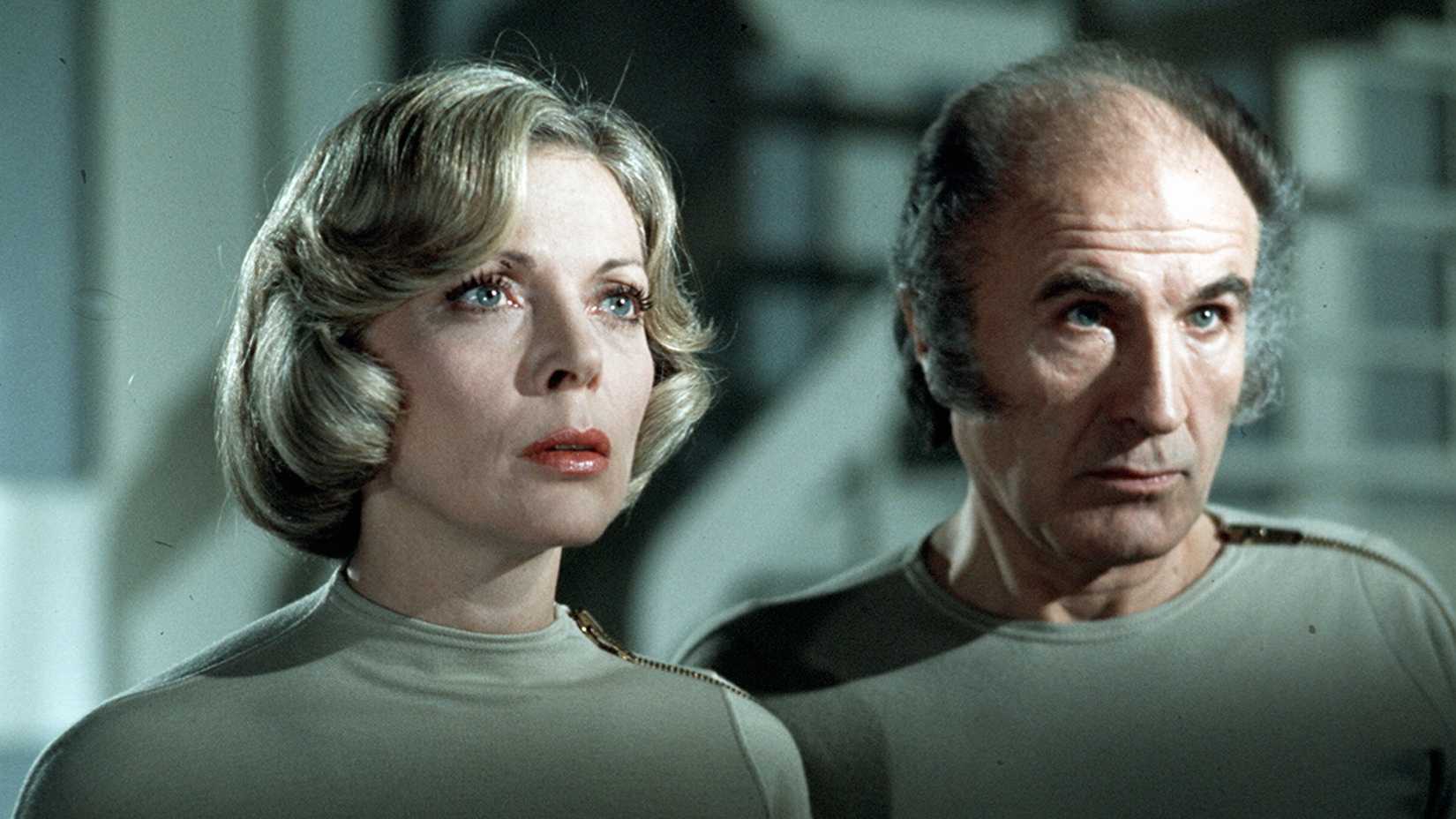
- 1975–1977: Spanning two seasons, the series underwent significant creative shifts, notably involving American producer Fred Freiberger in Season 2, which introduced faster-paced storylines, creature designs, and the character Maya (played by Catherine Schell), an alien capable of molecular transformation.
- 1977: Following the conclusion of its second season, production ceased, bringing an end to what was, at the time, the most expensive television series produced in Europe. Over the ensuing decades, the series found a dedicated global following through syndication, home video releases, and fan conventions, cementing its legacy as a cult classic.
Supporting Data and Production Mastery
To understand the visual fidelity of Space: 1999, one must examine the creative personnel brought onto the project. The Andersons did not merely emulate Kubrick’s aesthetic; they hired the actual artisans responsible for it.

| Production Element | 2001: A Space Odyssey (1968) | Space: 1999 (1975) |
|---|---|---|
| Special Effects Director / Model Maker | Brian Johnson | Brian Johnson |
| Special Effects Camera Operator | Terry Pearce | Terry Pearce |
| Costume Designer | Eileen Sullivan | Eileen Sullivan |
| Primary Spacecraft Model | Discovery One | The Eagle Transporter |
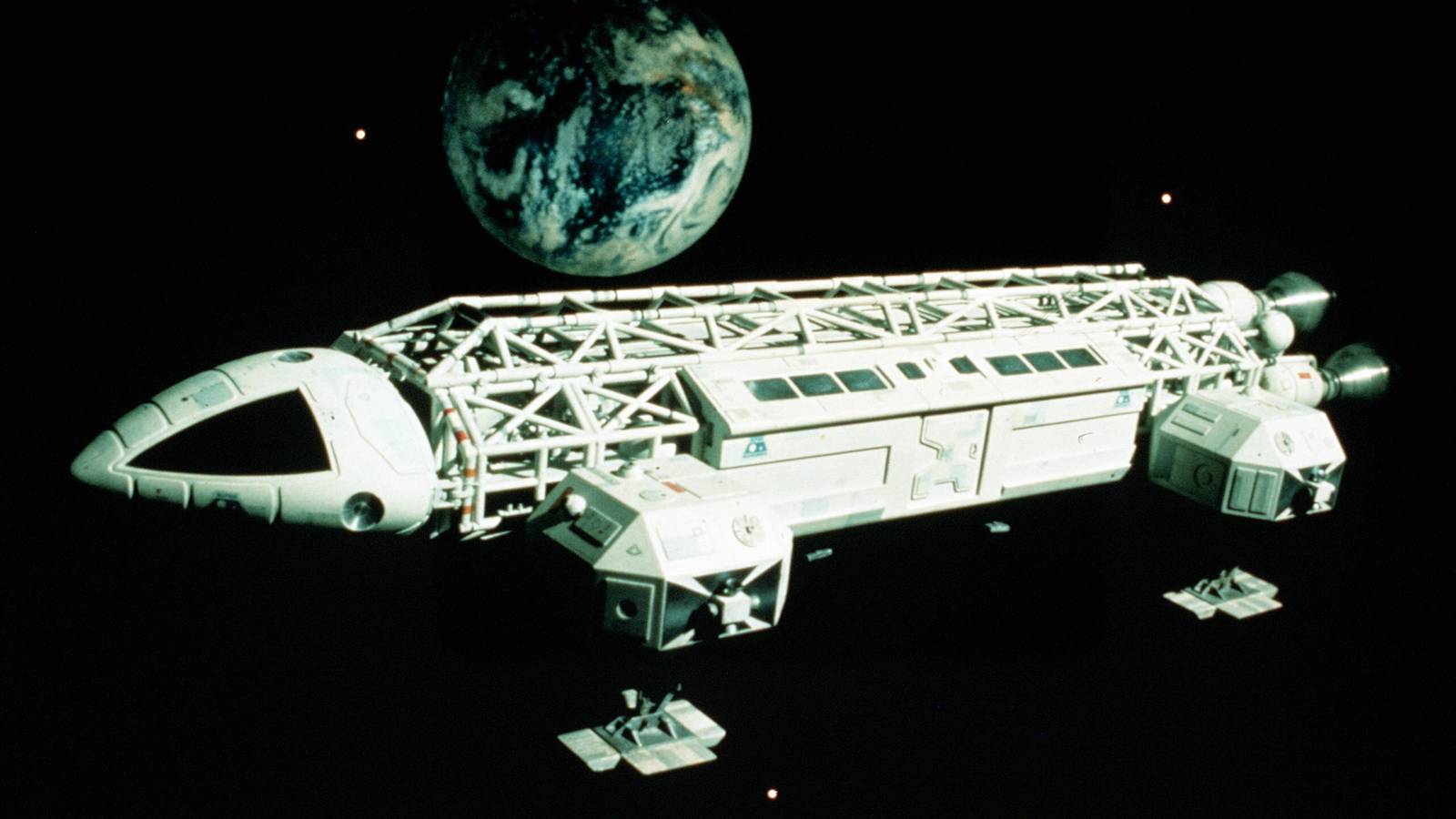
The iconic Eagle Transporter, designed by Brian Johnson, remains one of the most celebrated spacecraft designs in science fiction history. Its modular, utilitarian frame influenced subsequent franchises, including Star Wars and Alien.
Furthermore, the scale of production was unprecedented for mid-1970s television. Each episode operated on a budget that allowed for elaborate miniature photography, full-scale set builds of Moonbase Alpha, and complex pyrotechnics. While contemporary space shows relied heavily on stylized, theatrical soundstages with minimal physical interaction, Space: 1999 emphasized a tangible, lived-in environment. The production design favored stark white interiors, minimalist furniture, and functional-looking instrumentation that anticipated the clean, modern aesthetics of 21st-century sci-fi series like The Expanse.
Official Responses and Critiques: The Asimov Factor
Few creative works have faced scrutiny quite as formidable as the public critique leveled against Space: 1999 by renowned science fiction writer and scientist Isaac Asimov. Shortly after the show’s 1975 premiere, Asimov published a review in The New York Times dissecting the scientific plausibility of the show’s premise.
Asimov targeted the central inciting incident—the notion that humanity’s accumulated nuclear waste could detonate simultaneously and hurl the Moon out of orbit:
"A more serious error involves the methods by which the moon is blasted out of orbit… The problem here is that the mass of the moon is being underestimated. If all the nuclear waste the earth were to produce in the next 24 years were placed in one spot, and if it were all to explode (assuming it could explode) it would not budge the moon much or alter its orbit very noticeably — let alone accelerate it to such a degree that the people of the lunar base would be pinned immovably to the ground."
He further criticized the show’s geography of space, pointing out the scientific inaccuracies regarding the "dark side" of the Moon and the planetary mechanics required to fling a lunar base across multiple star systems in a matter of weeks. Given Asimov’s immense cultural authority within the scientific and literary communities, these critiques cast a long shadow over the series, discouraging mainstream critics from evaluating it as serious speculative fiction.

However, historical retrospectives often overlook the balanced nature of Asimov’s critique. Within the same review, Asimov praised the show’s depiction of low gravity on the lunar surface as "ingenious" and concluded with an expression of genuine goodwill: "Its special effects are remarkable and I want very much for the show to succeed."
Implications: Re-evaluating Space: 1999 in the Modern Sci-Fi Landscape
The cultural legacy of Space: 1999 carries profound implications for how television evaluates genre fiction across generations. By attempting to marry the philosophical ambiguity and high-art aspirations of 1960s cinema with the episodic formatting of 1970s television, the series broke new ground.
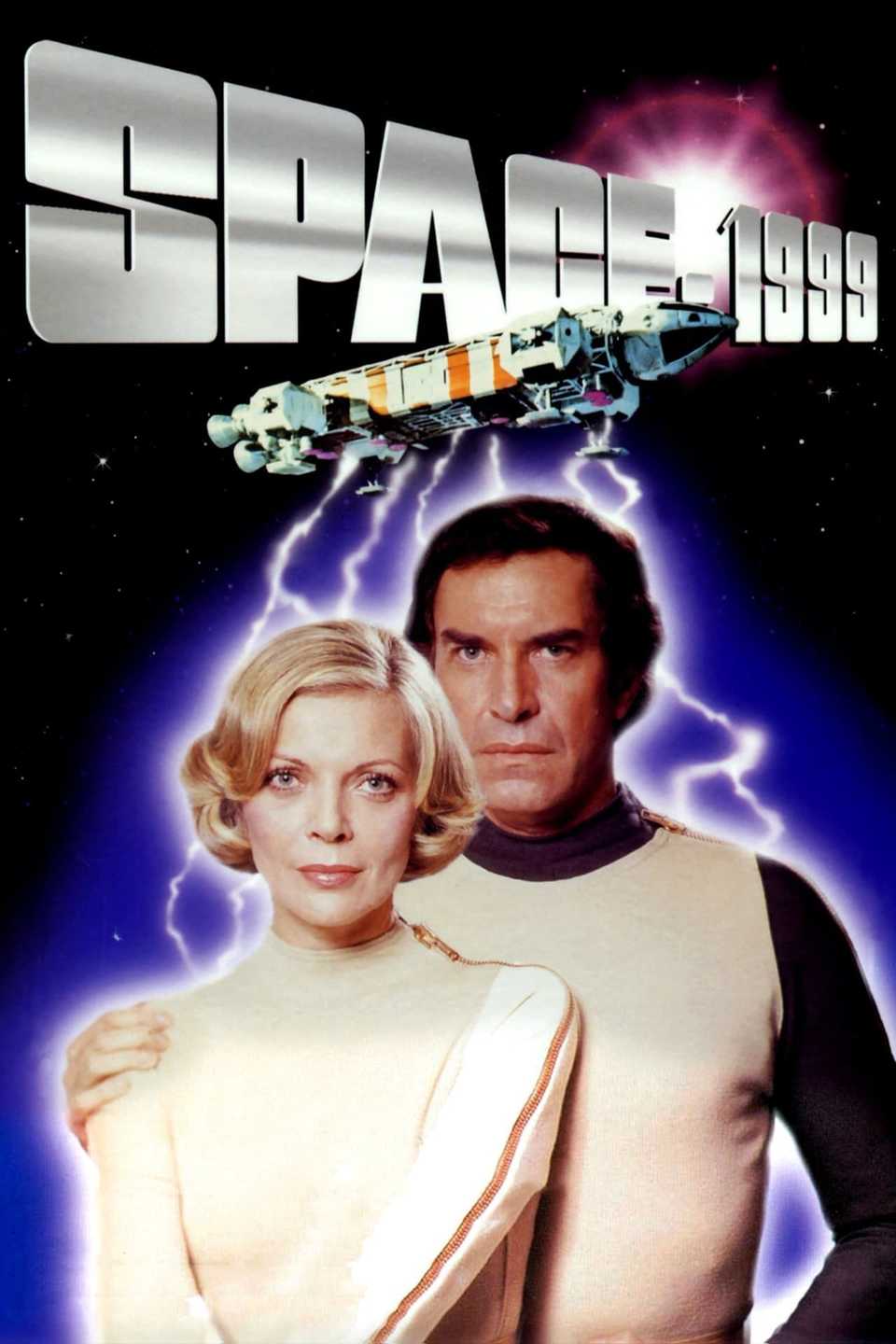
While its scientific inaccuracies rightly drew the ire of hard-science purists like Asimov, Space: 1999 succeeded on thematic grounds. Rather than operating purely as a creature-of-the-week adventure serial, the series frequently explored existential dread, human isolation, socio-political governance under duress, and the limits of human understanding when confronted with cosmic phenomena.
As contemporary streaming platforms continue to mine the past for intellectual properties worthy of revival or reassessment, Space: 1999 stands out as a prime candidate for rediscovery. It represents an era when television dared to look toward the stars with unapologetic ambition, proving that even when a series falls short of absolute scientific realism, its artistic reach can still inspire generations of dreamers, filmmakers, and sci-fi aficionados.
