
The House That Tony Built: How HBO Redefined the Medium of Television
From its late-1990s ascent with cinematic mob dramas to its dragon-fueled dominance across the 2010s, Home Box Office (HBO) has long occupied a singular throne in Hollywood. Long before "prestige TV" became a ubiquitous marketing buzzword, the network recognized that the small screen could deliver sprawling, continent-spanning, decades-deep narratives previously reserved for cinema. By untethering storytellers from the restrictive commercial breaks, FCC constraints, and formulaic structures of broadcast television, HBO cultivated an environment where creators could push the boundaries of visual storytelling.
Yet, this revolutionary streak has not been without controversy. Throughout the 2010s, the network faced valid criticisms regarding a lack of cultural and intersectional diversity in flagship titles like Game of Thrones and Girls. Furthermore, its aggressive push to test the limits of on-screen content generated plenty of pearl-clutching headlines—from the profanity-laced mob politics of The Sopranos in the late ’90s to the provocative, drug-fueled adolescent angst of Euphoria a few years back.

More recently, corporate restructuring following the Warner Bros. Discovery merger has sparked anxiety among television enthusiasts concerning the network’s long-term creative health, especially as defining pillars like Succession and Barry reach their respective conclusions. Nevertheless, HBO’s overarching commitment to collaborating with visionary filmmakers and inventive auteurs has yielded a standard of critical and cultural success that few competitors have ever managed to equal.
Below is an expansive chronological look at 46 of the greatest television shows HBO has ever offered, charting the network’s evolution from gritty cable pioneer to the gold standard of modern entertainment.

Chronological Evolution of HBO’s Masterpieces
46. "The Gilded Age"
While HBO built its reputation on edge-of-your-seat peril, Julian Fellowes’ period piece leans entirely into the soothing comfort of low-stakes high society. Focusing on New York City elites during the late 19th century, the show trades heavy plots for talented actors delivering passive-aggressive remarks in immaculate costumes. Carrie Coon and Morgan Spector anchor the series as a magnetic new-money couple scheming their way to the top.
45. "The Deuce"
Co-created by David Simon and George Pelecanos, this deeply empathetic drama applies journalistic rigor to the rise of the 1970s porn industry in Times Square. Eschewing easy judgment, the series investigates both the liberation of sex work and its darker exploitative undercurrents, highlighted by a powerhouse performance from Maggie Gyllenhaal as a prostitute-turned-director.

44. "Fantasmas"
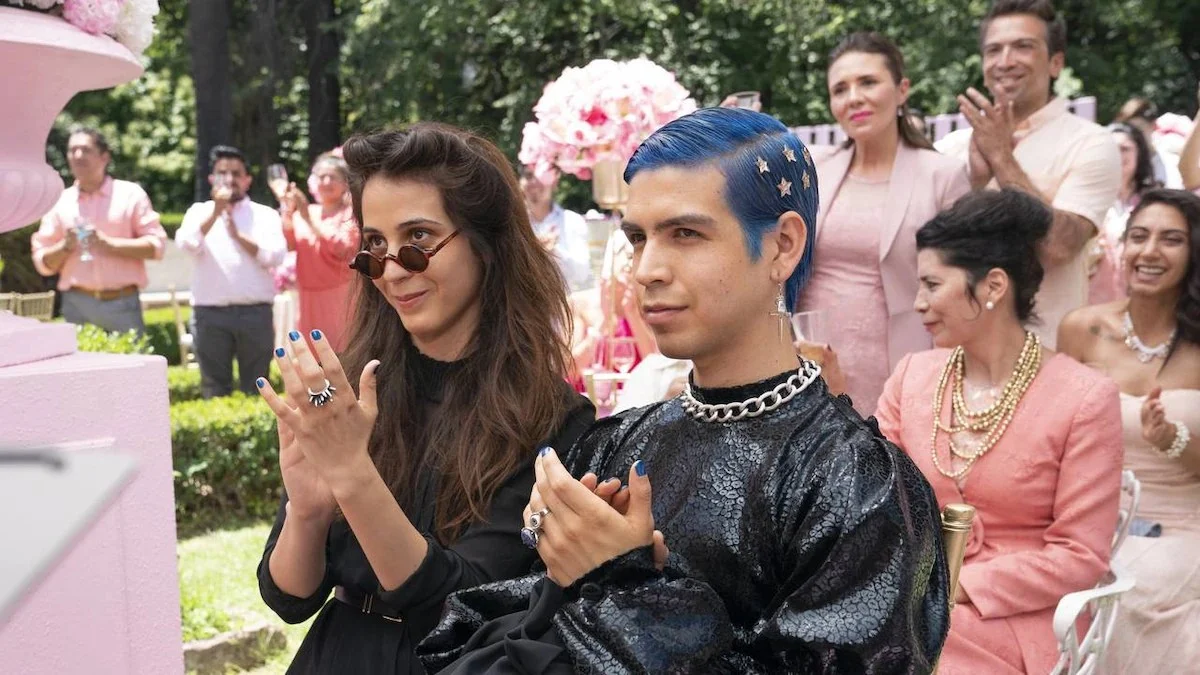
A wonderfully droll and thoroughly original creation, Julio Torres’ six-episode series offers a vivid, queer, and surreal alternate-reality version of New York City. Blending serialized comedy with biting sketch vignettes—ranging from existential musings on the letter "Q" to a deranged parody of reality TV—Torres proves himself a major comedic voice.
43. "The Last of Us"
Adapting a critically acclaimed post-apocalyptic video game is a notoriously fraught endeavor, but creators Craig Mazin and Neil Druckmann defied the odds in 2023. Bolstered by cinematic world-building and exceptional central performances from Pedro Pascal and Bella Ramsey, the series transcends its medium to deliver a deeply resonant emotional drama.

42. "How To with John Wilson"
Part documentary, part philosophical visual essay, John Wilson’s idiosyncratic series begins with mundane queries—like how to cook risotto or find a public restroom—before spiraling into profound existential territory. It remains a loving, cringe-inflected, and deeply empathetic portrait of modern urban life.
41. "Industry"
Set in the hyper-competitive, adrenaline-fueled world of London investment banking, Mickey Down and Konrad Kay’s series evolved into a phenomenal corporate soap opera. Propelled by electrifying performances from Myha’la Herrold and Ken Leung, it treats the financial sector like a brutal warzone where ambition overrides morality.

40. "The Rehearsal"
Nathan Fielder’s confounding and bizarre social experiment blurs the line between documentary and psychological theater. By staging elaborate, meticulously planned rehearsals for ordinary people preparing for life’s unpredictability, Fielder constructs an experience that is as ethically disquieting as it is mesmerizing.
39. "Oz"
Tom Fontana’s 1997 prison drama was HBO’s inaugural one-hour scripted series, laying the gritty groundwork for everything that followed. Set within an experimental, rehabilitative wing of a maximum-security prison, its massive ensemble cast—including J.K. Simmons, Christopher Meloni, and Harold Perrineau—delivered unflinching, operatic intensity.

38. "Olive Kitteridge"
Adapted from Elizabeth Strout’s novel, this four-part limited series focuses on a depressed, razor-sharp retiree living in coastal Maine. Frances McDormand delivers a masterclass in restrained character work, anchoring a narrative that thoughtfully examines the messy realities of aging, marriage, and family over 25 years.
37. "Mildred Pierce"
Todd Haynes’ 2011 miniseries offers a remarkably faithful adaptation of James M. Cain’s Depression-era novel. Kate Winslet stars as a fiercely dedicated mother trying to build a restaurant empire while navigating a toxic, heartbreaking relationship with her ungrateful daughter, earning an Emmy for her efforts.

36. "Fraggle Rock"
Jim Henson’s beloved 1980s puppet series served as an imaginative gateway for a generation of children. Blending catchy musical numbers with gentle allegories about cooperation, community, and the interconnectedness of different worlds, the show remains a comforting classic.
35. "True Detective"
Nic Pizzolatto’s crime anthology series relies on a recurring atmospheric dread, rotating casts, and hypnotic direction. While Season 1 remains legendary for Matthew McConaughey and Woody Harrelson’s philosophical Louisiana-set investigation, subsequent seasons featuring stellar turns from Mahershala Ali and Jodie Foster have kept the franchise vital.

34. "Euphoria"
Sam Levinson’s hyper-stylized teen drama is an unapologetic sensory overload. Anchored by Zendaya’s raw, Emmy-winning portrayal of a grieving high school addict named Rue, the series cuts through its chaotic aesthetic choices to expose the deep fractures of modern adolescent mental health.
33. "Game of Thrones"
Adapting George R.R. Martin’s sprawling fantasy epic was an unprecedented television undertaking. Despite a divisive home stretch, the show’s immaculate production design, shocking narrative ruthlessness, and cultural ubiquity made it a once-in-a-generation phenomenon that permanently altered the media landscape.

32. "Last Week Tonight with John Oliver"
John Oliver’s weekly satirical news program elevated investigative comedy into a genuine civic tool. By dedicating deep-dive segments to complex, systemic issues—ranging from corporate consolidation to municipal gerrymandering—the show offers intellectual rigor wrapped in cutting wit.
31. "Big Love"
Running from 2006 to 2011, this gripping drama explored the domestic, political, and religious complexities of a fundamentalist polygamist family in Utah. Bill Paxton, Jeanne Tripplehorn, Chloë Sevigny, and Ginnifer Goodwin delivered emotionally rich performances that humanized a deeply misunderstood subculture.

30. "The Jinx"
Andrew Jarecki’s groundbreaking true-crime docuseries changed the genre forever. Investigating the chilling life of real estate heir Robert Durst, the project famously culminated in a shocking, real-time admission of guilt captured on a live hot mic—ultimately aiding in Durst’s 2021 conviction.
29. "The White Lotus"
Mike White’s pitch-black satirical anthology cleverly weaponizes vacation anxiety. Set inside luxury resorts populated by entitled, wealthy tourists and exasperated local staff, the series brilliantly skewers class dynamics, human hypocrisy, and modern ennui.

28. "Mare of Easttown"
Brad Ingelsby’s taut crime thriller works equally well as a localized murder mystery and a deeply felt character study. Kate Winslet stars as a weary, grief-stricken detective in a small Pennsylvania town, anchored by an exceptional supporting cast that swept the Emmy acting categories.
27. "Big Little Lies"
Adapted from Liane Moriarty’s novel, this star-studded seaside drama examines the dark underbelly of seemingly idyllic suburban lives. Directed by Jean-Marc Vallée, the series pairs a gripping whodunnit structure with searing explorations of domestic abuse, friendship, and motherhood.

26. "Real Sports with Bryant Gumbel"
For decades, this premier newsmagazine program applied rigorous investigative journalism to the athletic world. Uncovering institutional corruption, systemic abuse, and hidden human stories, it set a high water mark for sports reporting.
25. "Silicon Valley"
Mike Judge’s tech-industry sitcom brilliantly skewered the hubris, venture-capital absurdity, and social ineptitude of Northern California’s digital elite. Featuring a stellar ensemble led by Thomas Middleditch and Kumail Nanjiani, the show remains a remarkably prescient workplace comedy.

24. "Six Feet Under"
Alan Ball’s meditative masterpiece used the daily operations of a family-run funeral parlor to explore the fundamental parameters of human mortality. Driven by stellar performances from Peter Krause and Michael C. Hall, the series concluded with arguably the most emotionally devastating finale in television history.
23. "Looking"
Andrew Haigh and Michael Lannan’s quiet, deeply observant comedy-drama followed a group of gay men navigating romance and careers in San Francisco. Eschewing broad sitcom tropes, the series captured the mundane beauty of searching for intimacy with immense specificity and care.

22. "The Comeback"
Created by Michael Patrick King and Lisa Kudrow, this painfully funny mockumentary follows Valerie Cherish, a washed-up sitcom star attempting a desperate return to relevance. Kudrow delivers a performance of staggering vulnerability, balancing excruciating cringe with genuine heartbreak.
21. "Sex and the City"
Air-date contemporaries with The Sopranos, Darren Star’s cultural phenomenon redefined how television portrayed female sexuality, friendship, and independence. Through the lens of Carrie, Samantha, Miranda, and Charlotte, the show transformed Sunday nights into a global pop-culture event.

20. "Los Espookys"
Created by Julio Torres, Ana Fabrega, and Fred Armisen, this delightfully deadpan Spanish-language comedy follows a group of eccentric friends who turn their love of horror into a bizarre business. Its surrealist humor makes it a unique gem in the HBO catalog.
19. "Mr. Show with Bob and David"
Bob Odenkirk and David Cross’s influential sketch comedy series tore up the rulebook. Utilizing overlapping narratives, absurd premises, and rapid-fire pacing, the show became an incubator for alternative comedy writers and performers who would shape the genre for decades.

18. "Insecure"
Issa Rae’s groundbreaking comedy series chronicled the messy realities of modern Black womanhood in Los Angeles. Over five acclaimed seasons, Rae and co-star Yvonne Orji delivered an authentic, culturally resonant exploration of friendship, ambition, and romance.
17. "Deadwood"
David Milch’s Shakespearean Western chronicled the violent, poetic birth of an illegal South Dakota mining camp. Featuring Ian McShane’s legendary turn as Al Swearengen, the series remains celebrated for its dense, florid dialogue and unflinching look at the mechanics of civilization.

16. "Curb Your Enthusiasm"
Larry David’s improvised comedy genius turned social awkwardness into an art form. Chronicling a heightened version of himself navigating petty grievances and unintentional insults, the long-running series established an enduring blueprint for cringe comedy.
15. "Angels in America"
Mike Nichols’ monumental adaptation of Tony Kushner’s play tackled the intersection of the 1980s AIDS epidemic, politics, and spirituality. Boasting a powerhouse cast that included Al Pacino, Meryl Streep, and Jeffrey Wright, the miniseries swept the Emmy awards.

14. "Girls"
Lena Dunham’s polarizing yet undeniably influential comedy series offered an unvarnished, often agonizing look at twenty-something entitlement and insecurity in New York City. Its fearless central performances helped launch the careers of Adam Driver, Allison Williams, and Zosia Mamet.
13. "The Righteous Gemstones"
Danny McBride’s delightfully vulgar dark comedy explores the absurd excess and corruption of a megachurch televangelist dynasty. Featuring John Goodman and Edi Patterson, the series balances high-octane silliness with sharp satirical commentary.

12. "Veep"
Armando Iannucci’s political satire remains television’s most brilliant masterclass in creative profanity. Julia Louis-Dreyfus starred as the aggressively incompetent Vice President (and eventual President) Selina Meyer, surrounded by an ensemble of sycophantic staffers who weaponized insults with poetic precision.
11. "Room 104"
Conceived by the Duplass brothers, this genre-jumping anthology series restricted every narrative to a single budget motel room. Over 48 episodes, it utilized sci-fi, horror, musical theater, and drama to push the boundaries of contained storytelling.

10. "The Leftovers"
Damon Lindelof and Tom Perrotta’s existential drama explored the aftermath of a global event where two percent of the world’s population abruptly vanished. Anchored by Carrie Coon and Justin Theroux, the series evolved into a profound, poetic meditation on grief, faith, and human connection.
9. "Watchmen"
Damon Lindelof’s continuation of Alan Moore’s seminal graphic novel transformed superhero tropes into a searing exploration of American racial history. Regina King and Jean Smart anchored a riveting narrative that earned universal acclaim and multiple Emmy Awards.

8. "Band of Brothers"
Executive produced by Steven Spielberg and Tom Hanks, this ten-part World War II miniseries chronicled the harrowing journey of Easy Company. Combining cinematic battle sequences with firsthand veteran interviews, it stands as the pinnacle of historical television drama.
7. "I May Destroy You"
Michaela Coel’s searing, semi-autobiographical masterpiece explored the complex aftermath of sexual assault, consent, and modern dating. Coel wrote, directed, and starred in the series, delivering a profoundly empathetic and formally daring work of art.

6. "Barry"
Bill Hader and Alec Berg’s dark comedy about a depressed hitman trying to reinvent himself as an LA actor evolved into a surreal, existential thriller. Hader and Henry Winkler anchored a series that continually subverted audience expectations with pitch-black brilliance.
5. "The Larry Sanders Show"
Garry Shandling’s biting late-night satire exposed the deep-seated neuroses, vanity, and professional terror of the entertainment industry. Pioneering the trend of celebrities playing unflattering versions of themselves, it remains a gold standard for television comedy.

4. "Succession"
Jesse Armstrong’s Shakespearean family drama chronicled the vicious corporate infighting of media mogul Logan Roy and his ambitious children. Driven by Brian Cox, Jeremy Strong, and Kieran Culkin, the series combined razor-sharp writing with unmatched satirical power.
3. "Chernobyl"
Craig Mazin and Johan Renck’s harrowing miniseries offered a meticulous, terrifying dramatization of the 1986 nuclear disaster. Stellan Skarsgård and Jared Harris anchored a production that brilliantly exposed the deadly human cost of institutional lying.

2. "The Sopranos"
David Chase’s monumental mob drama starring James Gandolfini as Tony Soprano fundamentally altered the television landscape. By introducing the modern anti-hero and prioritizing serialized psychological depth over procedural formulas, the series single-handedly launched the golden age of prestige television.
1. "The Wire"
David Simon’s sweeping sociological epic used the city of Baltimore to examine the systemic failures of American institutions—from the drug trade and public schools to politics and journalism. Treating each season like a distinct chapter in a grand novel, The Wire set an insurmountable benchmark for narrative ambition and journalistic integrity on screen.

Implications for the Future of Prestige TV
As the media landscape continues to consolidate amid the streaming wars and corporate mergers, the legacy of HBO serves as both a blueprint and a cautionary tale. The network proved that ambitious, uncompromising storytelling could be commercially viable and culturally dominant. However, maintaining that echelon of artistic excellence requires a willingness to take creative risks on unconventional voices—a philosophy that modern media executives must continually balance against algorithmic optimization and bottom-line austerity.
Whether future programming can consistently match the heights of The Sopranos, The Wire, and Succession remains to be seen. Yet, the foundational shift HBO engineered—proving that the small screen is a premier destination for world-class cinematic art—ensures that its imprint on global popular culture will endure for generations.
