
From the Studio Shadows to the Main Stage: The Global Rise of Film Music Festivals
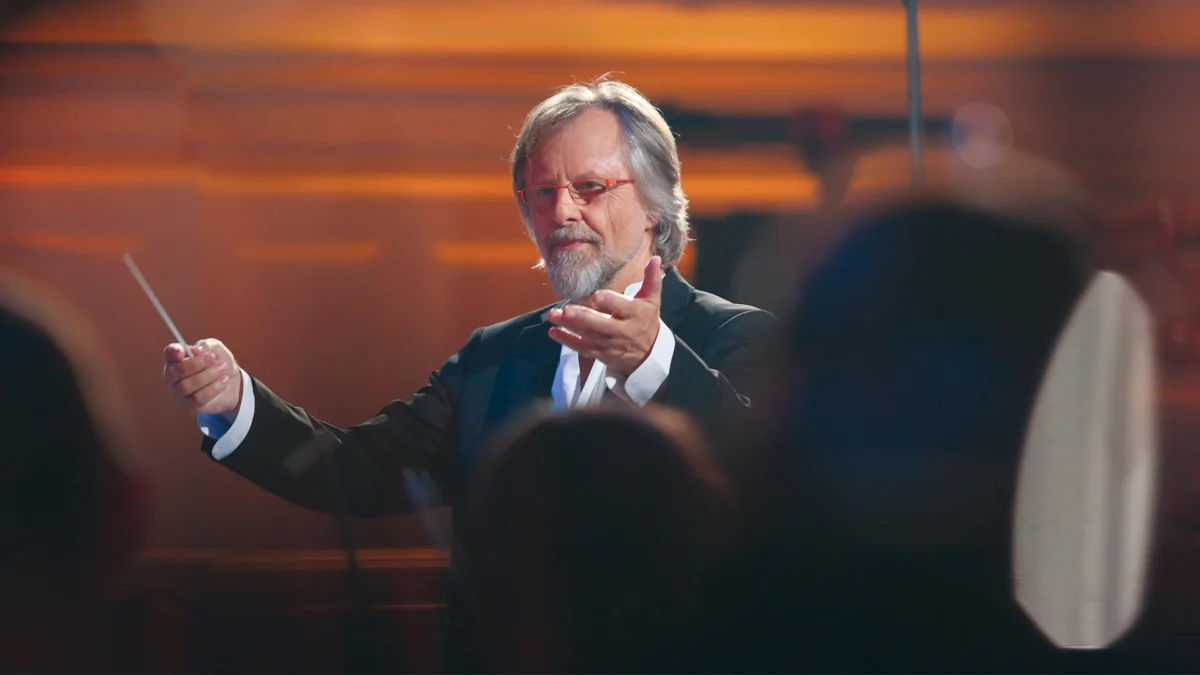
For decades, the life of a film composer was defined by anonymity. While A-list directors and movie stars commanded the red carpets and the global headlines, the architects of the auditory landscape—the composers—often toiled in the relative isolation of dark studios. They were the invisible engines of cinema, their work heard by millions but their faces recognized by few.
However, a cultural shift is underway across Europe. A constellation of dedicated film music festivals has emerged, transforming the "behind-the-scenes" artisan into a bona fide rock star. From the cobblestone streets of Ghent to the vibrant landscapes of the Canary Islands, these festivals have become the premiere destination for fans and professionals alike, proving that the symphonic heart of cinema deserves a spotlight of its own.
The Elevation of the Maestro
The transformation of the composer’s status is perhaps most visible in Spain, at the International Festival of Film Music in Cordoba. Mike Todd, senior director of film, TV music and new media at ASCAP, recalls the intensity of the fan interaction at the event. "Autograph signings went on for three hours," Todd says. "They’re rock stars there."
This sentiment is echoed by BMI vice president of film/TV relations, Doreen Ringer Ross. She recounts a surreal moment at a festival when composer Christopher Lennertz, attempting a simple bathroom break, was met by an audience that rose to its feet in a spontaneous standing ovation. Such displays of public adoration have become a hallmark of these gatherings, shattering the myth that film music enthusiasts are a niche, quiet demographic.
A Chronology of Sound: From Ghent to the World
The epicenter of this movement remains the Flanders International Film Festival in Ghent, Belgium. Often cited as the "granddaddy" of composer showcases, the festival has been championing the art of the score since 1985. It solidified its global influence in 2001 with the launch of the World Soundtrack Awards, an institution that remains the gold standard for film music accolades.
As Ghent approaches its 40th anniversary, the festival continues to innovate. To commemorate the milestone, the organizers have commissioned 40 one-minute compositions from 40 different maestros, including Oscar winners such as Mychael Danna, Dario Marianelli, Rachel Portman, Gustavo Santaolalla, and Gabriel Yared.
Following the success of the pioneers, a wave of specialized events has proliferated across the continent:
- Cordoba (Spain): Formerly held in Ubeda, this festival has become a critical hub for international talent.
- Fimucite (Tenerife, Canary Islands): Now in its seventh year, this festival blends high-production concerts with a stunning geographical backdrop.
- Krakow Film Music Festival (Poland): Having reached its sixth edition, Krakow has strategically positioned itself to maximize grant funding and artistic reach.
- Transatlantyk Festival (Poznan, Poland): A relative newcomer, it focuses on the intersection of film, music, and social issues.
- Festival of Music and Images (Paris, France): The youngest of the group, currently in its second year, signaling that the demand for these festivals is showing no signs of cooling.
Supporting the Ecosystem: Industry Perspectives
For performing-rights organizations like ASCAP and BMI, these festivals are more than just social gatherings; they are essential strategic outposts. "At ASCAP, we have to be mindful of our foreign composers who license through us in the U.S.," says Todd. "We want to make sure we’re visible."
The festivals also serve as a vital marketing platform for soundtrack record labels. Labels like Varese Sarabande, La-La Land Records, and MovieScore Media use these events to foster deep connections with their core audience. Robert Townson, VP and producer at Varese Sarabande, admits that the festivals rarely provide an immediate, measurable sales spike. However, he views the investment as a labor of love. "It’s just about spreading the word," Townson explains. "Taking music I feel passionately about and sharing that with the audience. We’re so grateful to have that experience and see in their eyes what the music means to them."
The Professional Ripple Effect
Beyond the fan adulation and label branding, these festivals have tangible, long-term professional implications for composers. The networking opportunities are unprecedented.
History has shown that these festivals can lead to significant career milestones. For example, after showcasing his work at the World Soundtrack Awards in Ghent, composer Howard Shore was so impressed by the festival’s house orchestra, the Brussels Philharmonic, that he tapped them to record his score for Martin Scorsese’s The Aviator. Similarly, Elliot Goldenthal utilized his time in Poland to record his ballet Othello at the world-class Alvernia Studios after being honored at the Krakow festival.
Agents, too, view these events as critical launchpads. Robert Messinger of First Artists Management highlights how these festivals provide a platform to premiere scores, noting that his clients—including Gustavo Santaolalla and Alberto Iglesias—have used these stages to debut work for Brokeback Mountain and The Kite Runner. For composer Clint Mansell, his first film music concert in Ghent served as the catalyst for a global tour, leading to subsequent performances in London, Los Angeles, and New York.
However, not all composers view the festivals as a direct pipeline to new work. Marco Beltrami, a frequent attendee of the circuit, offers a more grounded perspective. "Look, it’s nice to get out of our hovels, out of our studios, out of the dark and meet other people," Beltrami says. "It feels good to do that, but, professionally, it’s not like I’m going to get a job."
The Challenges of Proliferation
With the rapid increase in the number of festivals, the competition for both funding and top-tier talent has intensified. Patrick Duynslaegher, artistic director of the Ghent festival, views the trend with cautious optimism. "Competition is healthy and can be stimulating, but overcrowding can also be a nuisance," he admits. "The proliferation of film festivals is a reality and proves that there’s an eager audience for film music concerts everywhere in the world."
The financial constraints are real. David Doncel Barthe, director of the Cordoba festival, notes that his event operates on one of the lowest budgets in the circuit. "The budget limit forces us to be more creative with both our programming and our guests," he says. Yet, this scrappiness has allowed Cordoba to foster an intimate, accessible atmosphere that is frequently praised by attendees and guests alike.
A "Cooperation Mentality"
As the sector matures, leaders in the field are calling for a move away from competition and toward a "cooperation mentality." Because the film music market remains relatively niche, there is a collective understanding that these festivals are better served by working together.
Krakow’s artistic director, Robert Piaskowski, has even proposed the formation of a "syndicate" of film music festivals. His vision is one of institutionalized collaboration: a governing body that would help festivals share costs, legally obtain scores and footage clips, ensure the ethical use of a composer’s image, and standardize the quality of live entertainment.
This spirit of unity is already visible in the way talent moves between the festivals. Diego Navarro, who leads Fimucite, has frequently conducted orchestras at the Krakow festival, and composers like Beltrami are often honored at multiple festivals within the same year.
Conclusion: The Future of the Score
The rise of the European film music festival marks a significant turning point in the history of cinema. It represents a transition from a world where music was a background element to one where it is treated as a centerpiece of artistic endeavor.
While individual festivals grapple with the challenges of budget, growth, and industry recognition, the overarching trajectory is clear: audiences are hungry for the visceral, emotional experience that only a live performance of a film score can provide. Whether the future brings a formal syndicate or continues the current trend of independent growth, one thing is certain: the era of the anonymous composer is over. The maestros have stepped out of the shadows, and the world is finally listening.
