
The Arrakis Ascendance: Zendaya’s Strategic Path to a Best Actress Oscar Nomination for ‘Dune: Part Three’
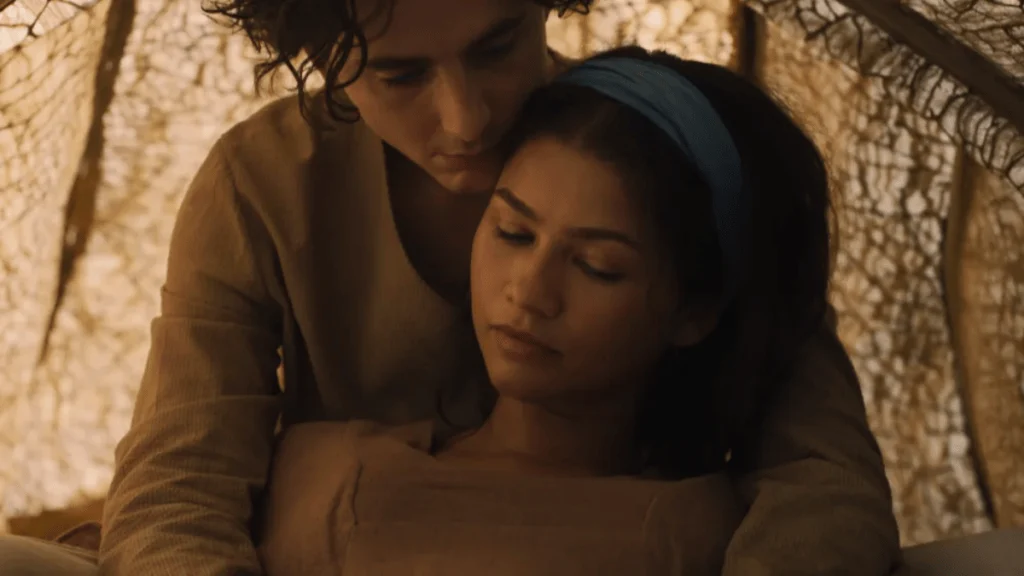
The landscape of the 2026 awards season is beginning to take shape, and with it comes one of the most significant strategic shifts in recent Hollywood history. Warner Bros. has officially confirmed its intention to campaign for Zendaya in the Best Actress category for the highly anticipated conclusion to Denis Villeneuve’s science fiction magnum opus, Dune: Part Three.
This decision marks a pivotal moment for the actress, who has long been considered a powerhouse performer but has yet to secure a nomination from the Academy of Motion Picture Arts and Sciences. As the industry looks toward the culmination of the Dune saga, the move to place Zendaya in the lead category reflects not only the expanding scope of her character, Chani, but also the studio’s confidence in the film’s narrative gravity.
The Evolution of a Star: From Supporting Arc to Leading Lady
To understand the weight of this campaign, one must trace the trajectory of Zendaya’s filmography. Her rise to prominence was marked by early successes in The Greatest Showman, where her presence added a grounded, human element to the spectacle. However, her transition into prestige dramas and tentpole franchises has been marked by a deliberate maturation of her craft.
In the previous two Dune installments, Zendaya was positioned—and campaigned—as a Supporting Actress. This was largely due to the ensemble nature of the first film and the narrative structure of the second, where her character served as a vital, yet peripheral, anchor to Paul Atreides’ journey. Dune: Part Three, however, promises a radical shift. With the final chapter, the narrative demands a central performance that carries the emotional and philosophical weight of the conclusion. By moving her to the Best Actress category, Warner Bros. is signaling that the third film is fundamentally her story as much as it is an epic of galactic proportions.
This shift is particularly poignant given the "snub" discourse surrounding her performance in Luca Guadagnino’s Challengers. While that film solidified her status as a leading dramatic force, her omission from the Academy’s ballot created a sense of "overdue" sentiment among critics—a factor that often bolsters a campaign in subsequent years.
The 2026 Awards Landscape: A Clash of Titans
The 2026 race is shaping up to be one of the most competitive in recent memory. While Zendaya enters the fray with the massive backing of a blockbuster finale, she is by no means the sole front-runner.
The category is already dominated by high-profile performances that have generated significant early buzz:
- Julianne Moore: Currently the heavy favorite for her turn in The Debut, Moore has delivered a performance that critics are calling the "gold standard" for 2026. Her ability to anchor character-driven narratives remains a formidable obstacle for any challenger.
- Sandra Hüller: Having previously proved her mettle with Anatomy of a Fall, Hüller’s performance in Rose has been met with critical acclaim, positioning her as a dark horse capable of sweeping the precursor awards.
- Inde Navarrette: As a relative newcomer, Navarrette’s work in Obsession has captured the attention of the voting body, representing the "fresh discovery" archetype that the Academy frequently honors.
With these heavyweights in the mix, the race for the fifth and final slot—and indeed the win—remains fluid. Zendaya’s candidacy adds a "blockbuster factor" to the category, pitting the technical scale of a science fiction epic against the intimate character studies favored by the Academy.
The Studio Strategy: Why ‘Dune: Part Three’ Matters
Warner Bros.’ decision to pivot is rooted in more than just sentiment; it is a calculated bet on the film’s cultural impact. Dune: Part Three is poised to be the most financially and culturally significant film of the year. Historically, the Academy has been hesitant to award science fiction with acting honors, often relegating these films to technical categories like Best Sound or Best Visual Effects.
By campaigning for Zendaya in the lead category, the studio is challenging the bias against genre films. They are arguing that the complexity of the script and the internal turmoil of her character require a level of nuance that transcends the "sci-fi" label. Furthermore, this campaign is bolstered by her dual-threat status this year. With A24 also pushing her for her role in The Drama, the industry is hyper-aware of her range. While The Drama offers a more traditional "Oscar-bait" performance, Dune: Part Three offers the scale and visibility that turn a nomination into a potential victory.
Implications: The Industry at a Crossroads
The ramifications of this campaign extend far beyond one actress. If the Academy responds positively to a lead performance in a massive science fiction epic, it could signal a long-term change in how voters perceive blockbuster acting. For years, the industry has debated whether stars who headline massive franchises can be considered "serious" dramatic actors. A nomination for Zendaya would serve as a powerful validation of the idea that performance is independent of budget.
Moreover, this shift highlights the changing nature of the "movie star." Zendaya’s career, which has spanned from the Spider-Man franchise to intimate indie projects, mirrors the path of legends who successfully balanced commercial viability with artistic integrity. Her potential nomination acts as a bridge between the old guard of Hollywood and the new, streaming-savvy generation.
Looking Ahead: The Road to the Dolby Theatre
As we approach the nomination phase, the focus will inevitably shift to the screening circuit. The "campaign trail" is a grueling process of Q&As, gala appearances, and industry dinners. For Zendaya, the challenge will be to maintain the momentum of her Dune arc while navigating the inevitable comparisons to the more grounded, realist performances of her competitors.
The "wild card" factor remains a point of obsession for pundits. With so many established names and rising stars fighting for space, the final ballot will likely reflect a tension between traditional dramatic heavyweights and the populist appeal of Dune.
Whether she secures the nomination—or takes home the trophy—remains to be seen. However, one thing is certain: by centering the conclusion of one of the century’s greatest film sagas on her performance, Zendaya has ensured that she will be at the heart of the conversation when the envelopes are opened in 2027.
The Academy Awards are often defined by who is left off the list, but this year, the question is whether the institution is finally ready to embrace the kind of cinematic spectacle that Dune: Part Three represents. If the past is any indication, Zendaya’s performance will be the barometer by which we measure that evolution.
