
Inside the Indie Machine: Producer Daniela Taplin Lundberg on the Grit, Magic, and Resilience of Independent Filmmaking
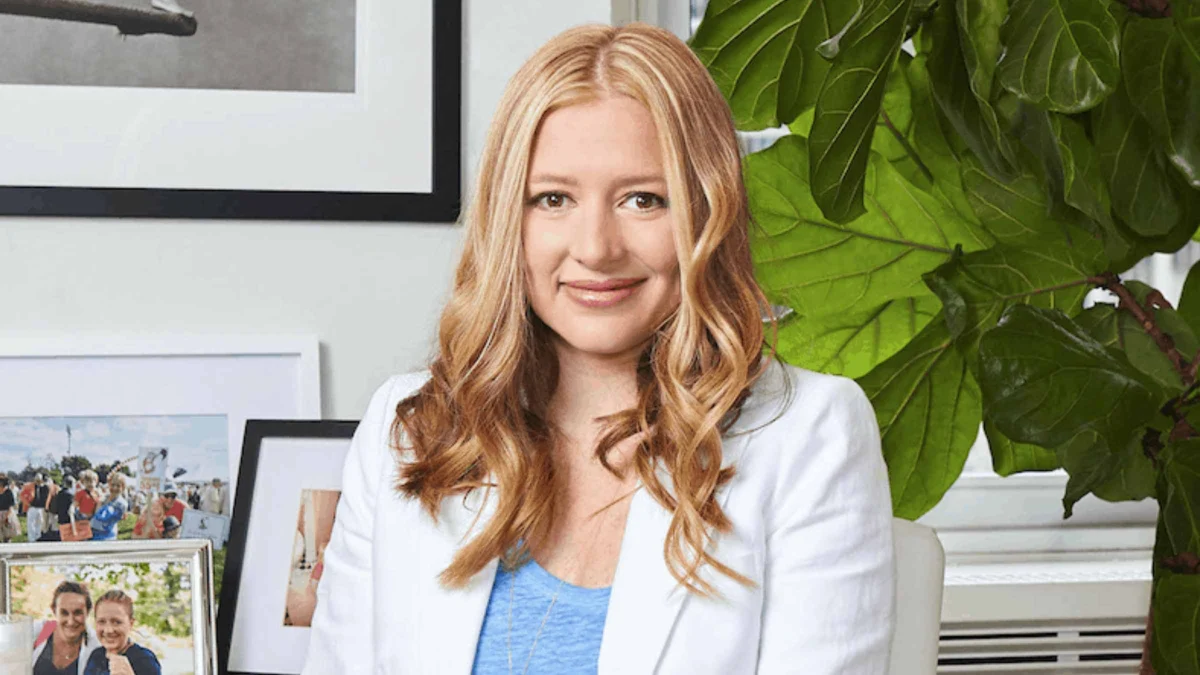
For veteran producer and Film Independent Member Daniela Taplin Lundberg, the mechanics of cinema were never an abstract concept. They arrived in a physical, leaping wave of reality.
Growing up in the Los Angeles of the 1980s as the daughter of a sprawling filmmaking family—her mother was celebrated character actor Rosana DeSoto, her biological father was legendary rock-tour-manager-turned-producer John Taplin, and her stepfather was writer-director David S. Ward—Taplin Lundberg’s introduction to the trade was visceral.
It happened on a studio backlot at age four, standing among thousands of live frogs brought in for a scene in her stepfather’s adaptation of John Steinbeck’s Cannery Row. When one of the amphibians leaped out of a Styrofoam cup, a lifelong vocation was sealed.
Today, Taplin Lundberg is a powerhouse producer who has steered critical darlings and modern classics like Beasts of No Nation, The Kids Are All Right, and Honey Boy. Beyond her producing credits, she hosts the popular industry podcast Hollywood Gold, pulling back the curtain on how beloved films survive the gauntlet of financing, production, and distribution.
In a wide-ranging interview with Film Independent’s Member Lens series, Taplin Lundberg reflects on her journey from cleaning production office toilets to championing bold cinematic voices, highlighting why the indie film ecosystem remains a vital, resilient community.
Main Facts: A Legacy Built on Independence
Taplin Lundberg’s career is defined by her ability to bridge the gap between high-risk artistic visions and tangible production execution. As the founder of Stay Gold Features, she has built a reputation for discovering fresh narrative perspectives, frequently utilizing child protagonists as narrative lenses into complex worlds—a structural trademark shared across Honey Boy, Beasts of No Nation, and her latest project, Club Kid.
Key highlights of her career and insights include:
- A Cinematic Pedigree: Growing up immersed in casting tapes, early scores, and set visits provided a masterclass in reading scripts and assessing talent.
- The Power of the Podcast: Through Hollywood Gold, Taplin Lundberg explores the precarious nature of filmmaking, interviewing creators who pulled their projects back from the brink of cancellation.
- Deep Roots with Film Independent: Her family’s history with the organization spans decades, highlighted by her mother winning one of the very first Independent Spirit Awards for Stand and Deliver (defeating Julia Roberts for Mystic Pizza).
- The Latest Venture: She serves as an executive producer on Topic Studios and A24’s Club Kid, directed by Jordan Firstman and led creatively by producer Alex Coco.
Chronology: From Kinko’s Sides to the Cannes Red Carpet
To understand Taplin Lundberg’s approach to producing, one must trace a career path built deliberately from the ground up, rejecting high-profile safety nets in favor of hands-on experience.
The Education of a Production Assistant
Deciding to move to New York after college during the height of the indie boom spearheaded by Miramax, Fine Line, and October Films, Taplin Lundberg faced a choice: take a prestigious internship at Miramax or sign on as a Production Assistant (PA) on a micro-budget $300,000 feature shooting on Broome Street.
Advised that a PA position was the fastest way to understand where every dollar goes and how departments interact, she chose the trenches. Her initiation was immediate and humbling.
"I did everything. I cleaned toilets," Taplin Lundberg recalls. "I didn’t know what sides were. Someone said, ‘Go make sides from this script,’ and I was like, ‘What are sides?’ I ran to the Kinko’s and made sides. I was a jack-of-all-trades. I got the walkie taken away on day five because I just kept chatting on it."
Despite the unglamorous tasks—or perhaps because of them—the experience cemented her understanding of physical production. It taught her that filmmaking is a chaotic magic trick fueled by collective willpower.
Absorbing the Producer’s Ethos
Taplin Lundberg’s path to producing was informed by observing the stark contrasts in her household. She watched her mother, despite immense talent in La Bamba and Stand and Deliver, struggle with the lack of control inherent in acting, where performers are perpetually waiting for the phone to ring. She watched her stepfather navigate the intense, focused solitude of writing and directing.
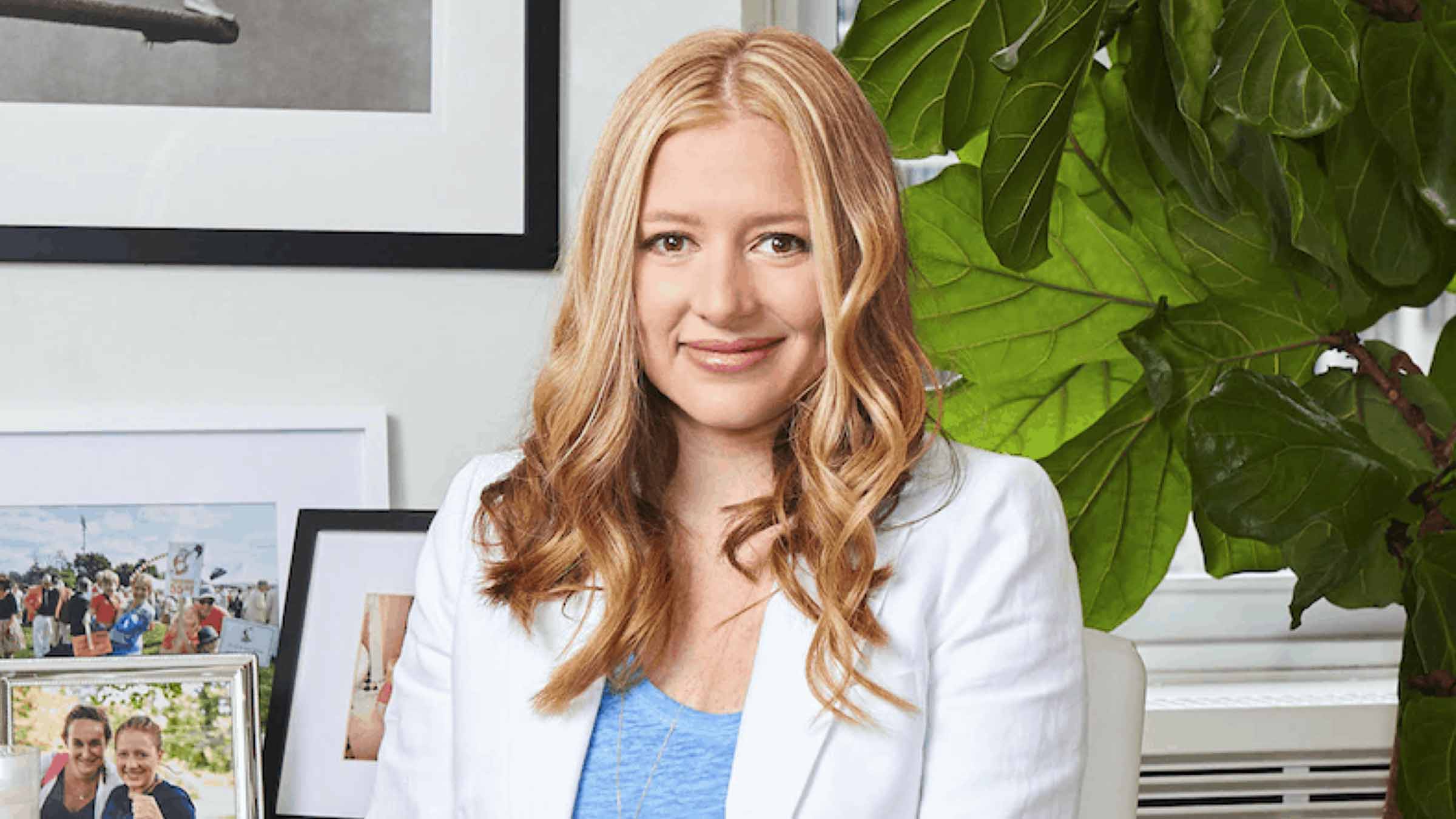
Ultimately, it was her biological father, John Taplin, who pointed her toward producing. Transitioning from a road manager for Bob Dylan and The Band to an accidental film financier, John Taplin invested his own rock-and-roll savings into Martin Scorsese’s Mean Streets after believing in a young Robert De Niro. Shot in just 19 days, the film kickstarted legendary careers.
"The romance of that, discovering a talent like that and being a part of it and helping launch it, that was it," Taplin Lundberg notes. "I wanted to launch voices I believed in and make great film, make great art."
Supporting Data: The Anatomy of Modern Indie Financing
The landscape Taplin Lundberg navigates is characterized by high financial volatility and shifting distribution models. Her recent foray into executive producing Club Kid—directed by first-time filmmaker Jordan Firstman and guided by lead creative producer Alex Coco (Anora)—illustrates how modern prestige indies come together through trusted interpersonal networks.
| Film Project | Key Role / Studio | Notable Elements |
|---|---|---|
| Mean Streets (1973) | John Taplin (Father) / Producer | Shot in 19 days; launched Scorsese and De Niro. |
| Beasts of No Nation | Stay Gold Features / Producer | Directed by Cary Fukunaga; rigorous editing collaboration. |
| Hollywood Gold | Creator / Host | Podcast analyzing the near-death experiences of beloved films. |
| Club Kid | Executive Producer / Topic Studios & A24 | Directed by Jordan Firstman; festival run spanning Cannes and Toronto. |
Discussing how she evaluates new material, Taplin Lundberg emphasizes two primary filters: novelty and uncompromising vision.
"If you just keep following the same thing that’s been successful for ten years, you’re never going to make anything interesting," she states. Furthermore, she actively seeks out fiercely passionate directors rather than creators seeking constant validation. Remembering an early editing hurdle on Beasts of No Nation, she learned a vital lesson from producing partner Amy Kaufman when cutting down a lengthy rough cut: "I trust him. I trust him more than I trust myself." That ability to yield to a director’s unique compass remains central to her collaborative philosophy.
Official Responses: On the Resilience Required for Survival
The birth of Taplin Lundberg’s podcast, Hollywood Gold, stemmed from a desire to demystify the producer’s journey, drawing inspiration from business podcasts like How I Built This. By focusing on producers—the "CEOs of the movie" who shepherd a project from inception to exhibition—she uncovered a unifying truth about the industry.
"Most great films almost don’t get made, and that is the thing I’ve learned most," she shares. "You listen to the story of The Fighter or Arrival or all these great movies, and there are always two or three moments where it almost went away. Most of the time, it’s through the fortitude of the producer that they stay on track."
This realization serves as an antidote to industry burnout. When faced with difficult negotiations or frustrating remote meetings, the podcast serves as a reminder that peers across the virtual divide are fighting the same battle to bring meaningful art into the world.
Implications: The Future of Independent Communities
Taplin Lundberg’s enduring relationship with Film Independent and the Independent Spirit Awards highlights a broader industry truth: sustainable art requires grassroots communal support.
Reflecting on what makes the organization unique, she contrasts its ethos with the traditional, exclusive glamour of legacy Hollywood institutions.
"When I go to an event or the Spirit Awards, it just feels like family," she observes. "We’re all people who roll our sleeves up and once in a while throw on a nice outfit, but mostly it’s about doing the work and making great art. That’s a little different from the glitz and glamour… Film Independent is all about the right things, what the film business should be about: doing the hard work and pushing for great art and doing it in a way that’s accessible to everyone who wants to participate."
As independent cinema faces ongoing disruptions from streaming shifts, shifting audience habits, and tightening financing parameters, voices like Taplin Lundberg’s—grounded in pragmatic resilience and an unyielding reverence for the magic of a live frog jumping out of a Styrofoam cup—demonstrate that the heart of independent filmmaking remains as vital as ever.
