Apple TV Transforms F1 Broadcasting with Dolby Atmos: Bringing the Trackside Roar Straight to Living Rooms
As streaming platforms continuously look for ways to bridge the gap between stadium-bound spectators and audiences watching from home, Apple is once again redefining live sports broadcasting. Since taking over as the official United States home of Formula 1 at the start of the 2026 season, Apple TV has steadily applied its signature modern, tech-forward production style to motorsport. Following in the footsteps of its innovative streaming approaches for Major League Soccer (MLS) and Friday Night Baseball, the tech giant is elevating its F1 coverage to unprecedented sensory heights.
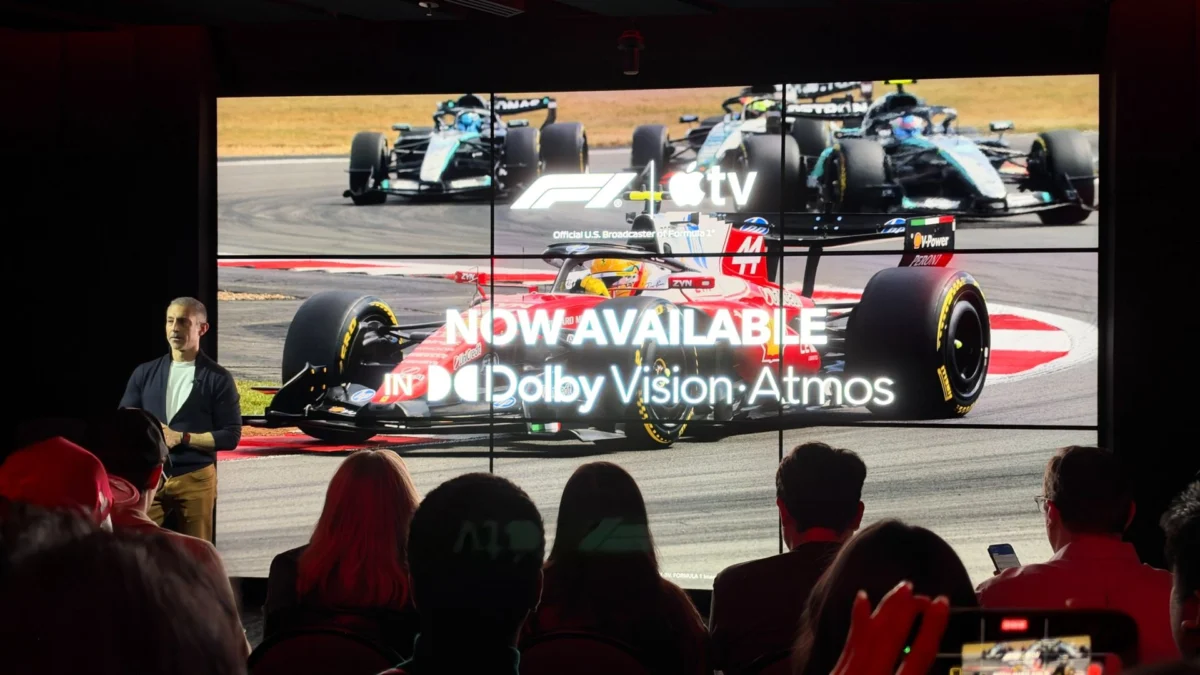
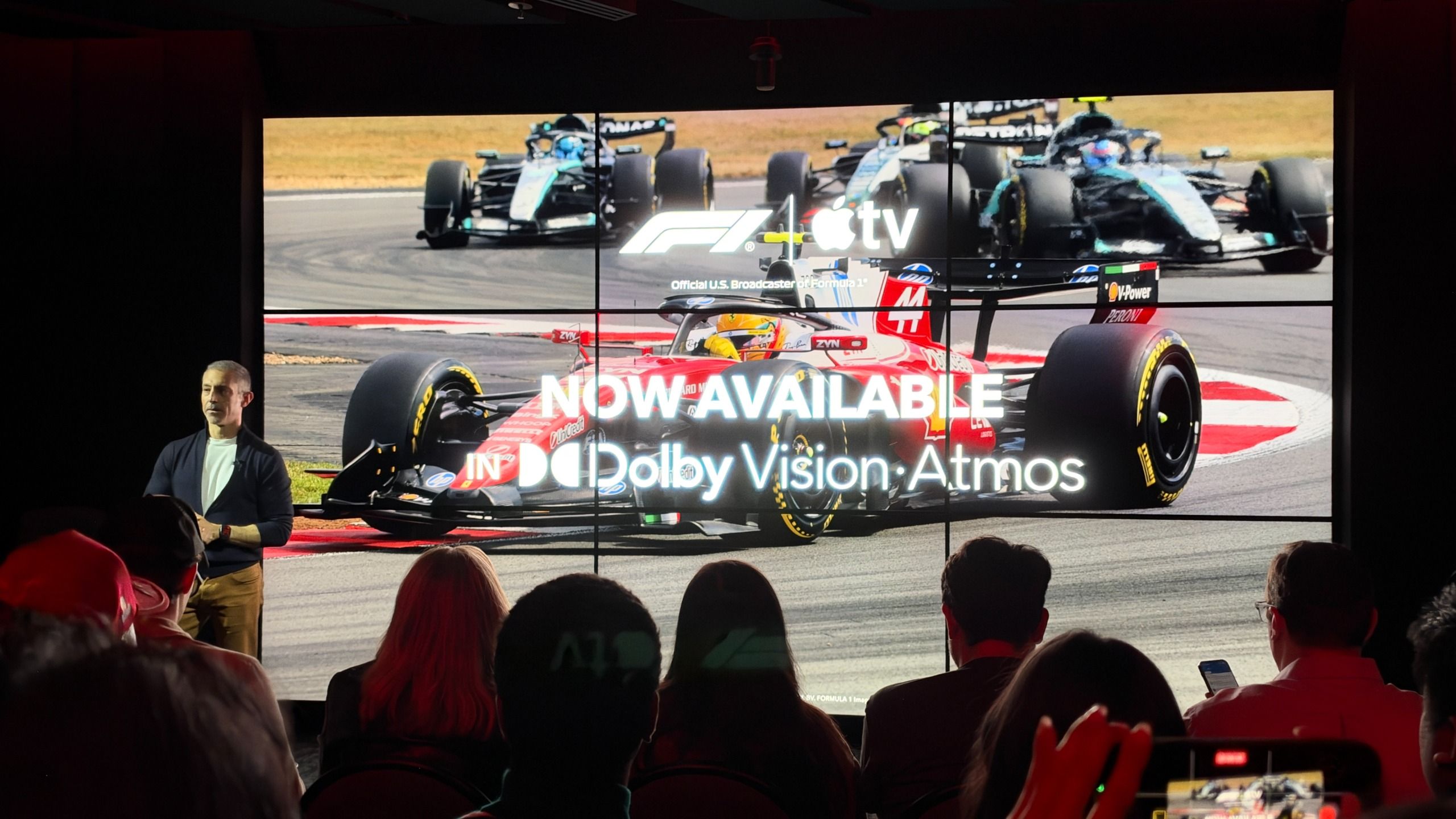
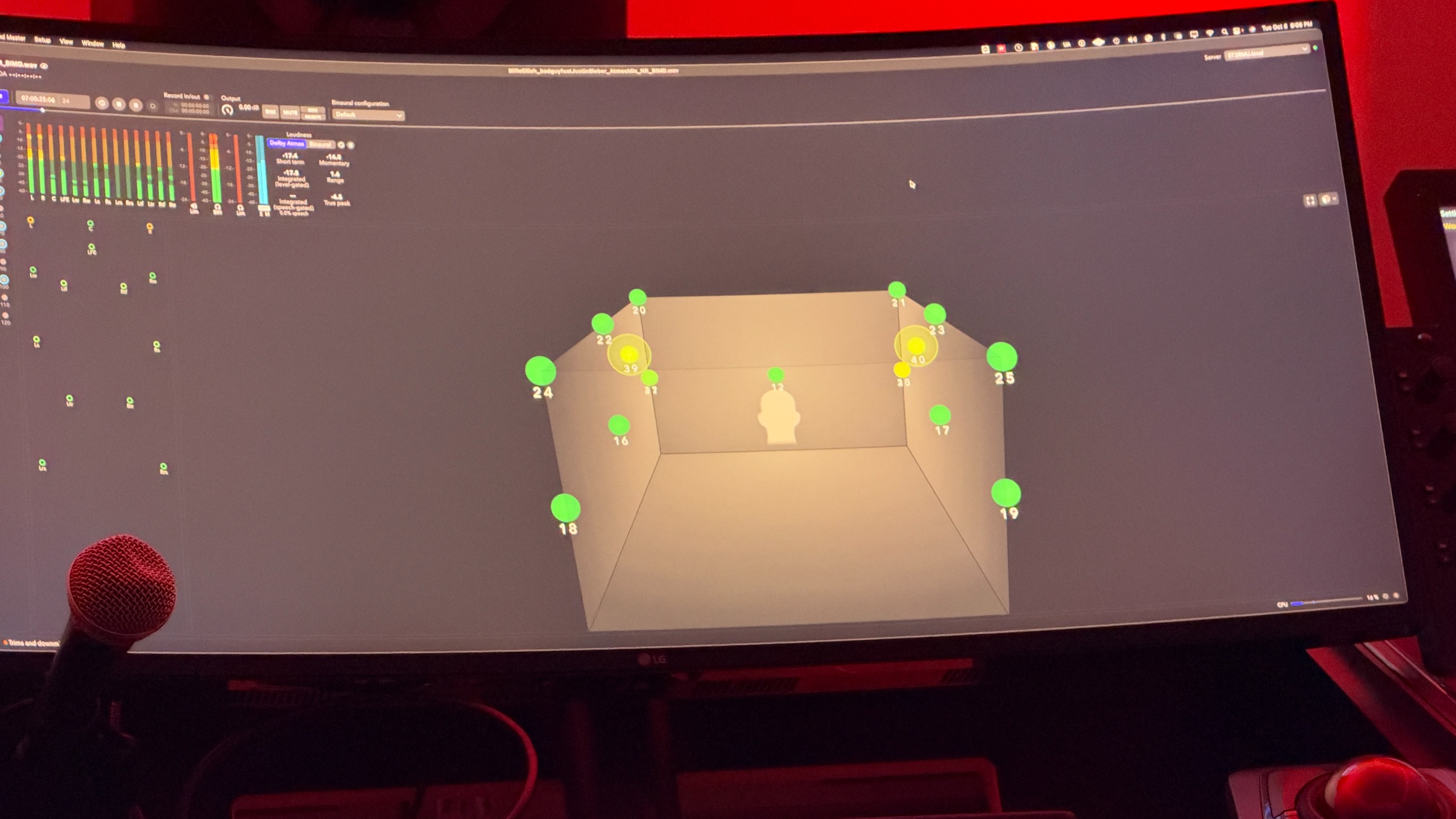
Beginning with the upcoming United States Grand Prix at the Circuit of the Americas in Austin, Texas, Apple TV is introducing DolbyAtmos spatial audio to live Formula 1 broadcasts. This milestone represents a monumental shift in how live racing can be experienced remotely, promising to deliver the visceral, spine-tingling rumble of modern hybrid power units directly into consumer livingrooms.
Main Facts: What is Changing in F1 Broadcasts?
The integration of Dolby Atmos into Apple TV’s F1 broadcasts is a ground-breaking development for live motorsport entertainment. Here are the core facts regarding the upgrade:
The Launch Event: The Dolby Atmos live audio stream makes its debut at the United States Grand Prix in Austin, Texas.
No Hardware Overhaul Required: Remarkably, Apple is achieving this immersive soundstage without altering or replacing the existing physical microphone arrays deployed around the race tracks.
Seamless Visual Synergy: The audio upgrade pairs directly with Apple TV’s existing suite of high-end broadcast features, which already includes pristine Dolby Vision support, custom multi-view setups, and extensive supplementary programming.
Accessibility: For US subscribers, the enhanced broadcast package is included at no additional cost with an Apple TV subscription.
Industry First: This marks the first time a major live Formula 1 broadcast has been mixed and delivered in Dolby Atmos at scale, setting a new technical benchmark for live sports production.
Chronology: The Evolution of Apple’s Sports Broadcast Ambitions
Apple’s journey toward revolutionizing live sports broadcasting has been rapid, methodical, and heavily reliant on cutting-edge hardware and software integration.
The MLS and Baseball Precedents: Apple first signaled its intention to disrupt traditional broadcasting norms with the launch of its comprehensive MLS Season Pass, followed by Friday Night Baseball. These packages introduced clean graphics, flexible viewing options, and experimental camera integrations—such as utilizing iPhone 17 Pro and Pro Max devices as broadcast-grade cameras.
Securing F1 Rights (Early 2026): Apple TV officially became the exclusive home of Formula 1 races in the United States, inheriting a rapidly growing American fan base hungry for deeper, more modern access to the sport.
The Vision Board Phase: Speaking with industry analysts, Apple executives revealed that bringing spatial audio standards like Dolby Atmos to fast-paced motorsport had been a long-term goal on the company’s product roadmap.
Behind-the-Scenes Testing: Throughout the early rounds of the 2026 F1 calendar, Apple’s engineering and production teams quietly tested spatial mixing workflows, previewing clips for media and engineers in controlled setups (such as a 9.1.4 reference theater in New York City).
The Austin Debut (October 2026): Apple officially rolls out live Dolby Atmos mixing for the United States Grand Prix, cementing a new standard for live sports audio immersion.
Supporting Data and Technical Insights: How Dolby Atmos Works Without New Mics
One of the most impressive technical feats of Apple’s new initiative is how the audio upgrade is being executed. Traditionally, upgrading a broadcast’s sound profile requires a massive logistical undertaking: rewiring circuits, adding specialized spatial microphones, and completely redesigning trackside audio capture.
Apple chose a smarter, more efficient path. According to Jim DeLorenzo, Apple’s Global Head of Sports, the production team achieved Dolby Atmos integration by working entirely with the existing trackside microphone arrays.
The Spatial Experience
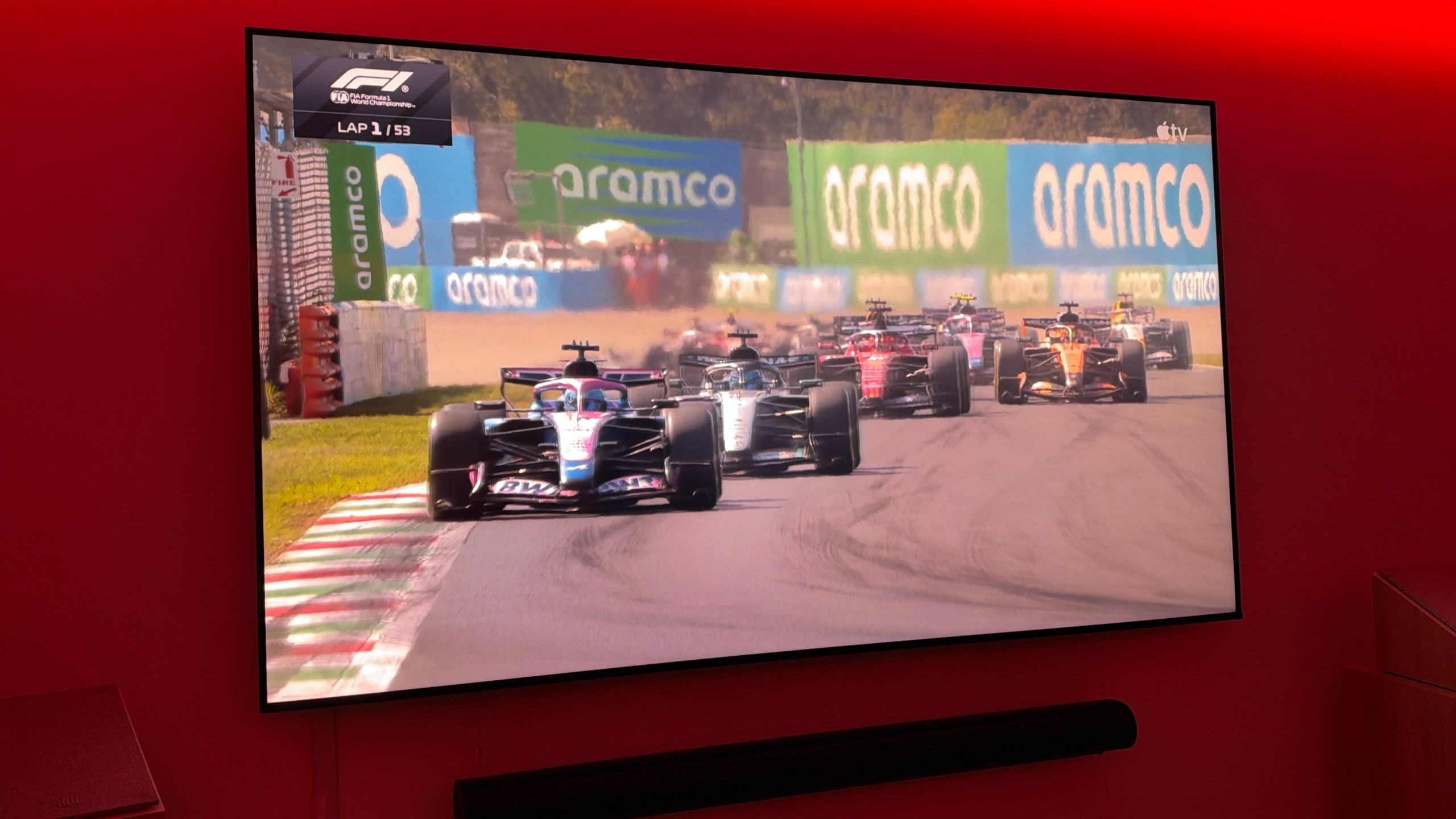
When experienced through a full home theater setup (such as a 5.1.4 or 9.1.4 configuration) or compatible spatial audio headphones like the AirPods Max or Beats 360, the difference between standard stereo and the new Dolby Atmos mix is night and day.
Directional Tracking: As cars scream through a turn, moving from the left side of the screen to the right, the sound pans fluidly across the room, mimicking real-world physics.
Layered Acoustics: Listeners can simultaneously isolate and appreciate the high-pitched whine of the V6 turbo-hybrid engines, the roar of the crowd in the grandstands, team radio chatter, and the ambient acoustics of specific track locations (such as the cavernous echoes beneath a stadium section).
Enhanced Situational Awareness: Far from just being a neat party trick, spatial audio helps home viewers track race developments more intuitively. A viewer can hear a challenging car making a move on the inside of a corner before the camera even cuts to frame it, creating a heightened sense of anticipation.
Official Responses and Leadership Vision
Apple’s leadership is bullish on the potential of this technology to transform passive viewing into an active, emotional experience.
Jim DeLorenzo emphasized that bridging the physical gap between the track and the living room has always been the primary challenge for sports broadcasters.
"One of the things that we thought about for quite some time is the audio side of that… how can we get to a point where we have not just Dolby Vision, but Dolby Atmos," DeLorenzo explained in an interview with TechRadar.
Highlighting the unique nature of motorsport audio, DeLorenzo noted that the sheer visceral power of an F1 car is half the magic of attending a race live:
"Any sporting event, when you’re there, one of the things that is so impactful on the experience is the sound… Because the sound in an F1 race is so visceral… if we can bring a little bit more of this into somebody’s viewing experience when they’re not at the track, that’s going to help connect them a little bit more."
DeLorenzo acknowledged the statistical reality of modern sports fandom: the vast majority of fans watch from home rather than purchasing grandstand tickets. Consequently, Apple views immersive technology as an empathy engine designed to democratize the front-row experience.
"We are always trying to figure out, how do we break down that barrier a little bit between the people who can go to the event and the people who are watching at home? Because the reality is, the vast majority of people are not going to the live sporting event that they’re watching, right? They’re watching at home. So, we want to try and break that down so people can have that same kind of experience and feel like they’re there."
Reflecting on the collaborative effort with Dolby, DeLorenzo expressed pride in pioneering a broadcast first for the sport:
"This one is pretty cool in that it’s never been done before with F1. When you can do something that’s never been done before… it raises the bar even more."
Implications: What This Means for the Future of Sports Streaming
The introduction of Dolby Atmos to F1 broadcasts is more than just a win for audiophiles and motorsport enthusiasts—it points toward broader structural shifts in the live entertainment industry.
1. Raising Industry Standards
For decades, live sports broadcasting lagged behind Hollywood cinema and prestige streaming series in adopting advanced audio-visual standards. While 4K HDR video became relatively common, immersive audio was typically reserved for pre-recorded entertainment. Apple’s successful deployment of live Dolby Atmos using existing infrastructure proves that high-end spatial audio can be scaled to live events without prohibitive logistical nightmares. Other broadcasters and leagues will inevitably face pressure to follow suit.
2. Cross-Pollination Across Apple’s Ecosystem
Apple has a proven history of incubating technical innovations in one property and rolling them out across its broader media empire. Innovations born in Friday Night Baseball (such as novel camera placements) quickly found their way into MLS broadcasts. Similarly, while Dolby Atmos is debuting in Formula 1, it is entirely possible that Apple will eventually scale spatial audio mixing to its other sports offerings, including baseball and soccer.
3. Teasing Future Innovations
When asked about what lies ahead beyond the inaugural 2026 F1 season, Apple’s team remained tight-lipped, noting that it is still "just year one." However, DeLorenzo offered a tantalizing glimpse behind the curtain, revealing that experimental features are constantly being tested in labs:
"We’re trying all kinds of stuff that hasn’t shipped yet, that we hope to ship at some point."
Industry observers are already speculating on what those future innovations might entail. Given Apple’s aggressive push into mixed reality with the Apple Vision Pro—which already features immersive sports viewing apps for the NBA and MLB—integrating spatial F1 streams into a fully rendered virtual trackside environment feels like a logical next step. Furthermore, fans are wondering if Apple might borrow production techniques from Hollywood projects like F1 The Movie (produced with heavy Apple involvement), potentially mounting ultra-compact iPhone camera sensors directly onto cars or pit walls to capture unprecedented angles.
Conclusion
As the Formula 1 circus heads to Austin, Texas, for the United States Grand Prix, fans tuning into Apple TV will bear witness to a quiet revolution in sports broadcasting. By combining pristine Dolby Vision visuals with groundbreaking live Dolby Atmos audio, Apple is successfully erasing the distance between the grandstands and the living room couch. For fans at home, the message is clear: turn up your speakers, sit back, and get ready to feel every single horsepower.