
The Anatomy of Compliance: Juliette Strangio’s Learning to Eat Cake and the Grey Zones of Consent

In the landscape of modern cinema, few topics are as fraught or as frequently misunderstood as the "grey area" of sexual consent. While legal definitions focus on clear-cut violations, the lived reality for many—particularly women—is far more ambiguous. It is this uncomfortable, silent, and often suppressed territory that filmmaker Juliette Strangio navigates with surgical precision in her latest short film, Learning to Eat Cake.
The film serves as a poignant examination of the "polite trap"—the psychological conditioning that leads individuals to endure discomfort rather than risk social awkwardness. By juxtaposing the reality of a harrowing date with the sanitized, comedic version later recounted to friends, Learning to Eat Cake challenges the audience to confront the small, iterative surrenders that define a loss of autonomy.
The Core Narrative: A Study in Diminishing Boundaries
The film follows Tweety (played with haunting nuance by Molly Ledbetter), a young woman who reconnects with an old high school acquaintance, Julian (Hayden Burke). On the surface, the date possesses all the hallmarks of a romantic success: Julian is charming, funny, and seemingly respectful. He even voices the standard platitudes of consent, assuring Tweety that he would never want her to do anything she didn’t want to do.
However, the narrative arc shifts as the evening moves into the privacy of Julian’s apartment. What begins as mutually agreeable affection slowly curdles into persistent, unwanted pressure. Julian is not a caricature of a predator; he is a "nice guy" who ignores the subtle, and eventually overt, cues that Tweety is no longer a willing participant. He retreats just enough to avoid a direct confrontation but pushes forward with enough persistence to exhaust Tweety’s resistance.
The film’s brilliance lies in this contradiction. By making Julian likable, Strangio forces the viewer to grapple with a difficult truth: coercion often happens without a villainous act. It occurs in the spaces between "no" and "maybe," in the persistent questioning, and in the gradual erosion of boundaries that the perpetrator justifies as enthusiasm.
Chronology of the "Small Surrenders"
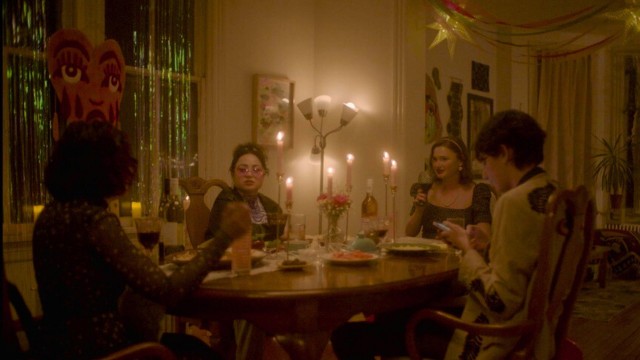
To understand the impact of the film, one must examine the specific mechanics of Tweety’s experience. The film’s structure intentionally cuts between the date itself and a subsequent birthday dinner where Tweety recounts the evening to her friends.
The Setup
The evening starts with a sense of nostalgia and safety. Julian’s familiarity acts as a social lubricant, convincing Tweety that she is in good hands. The dialogue is light, and the expectations are traditional.
The Shift
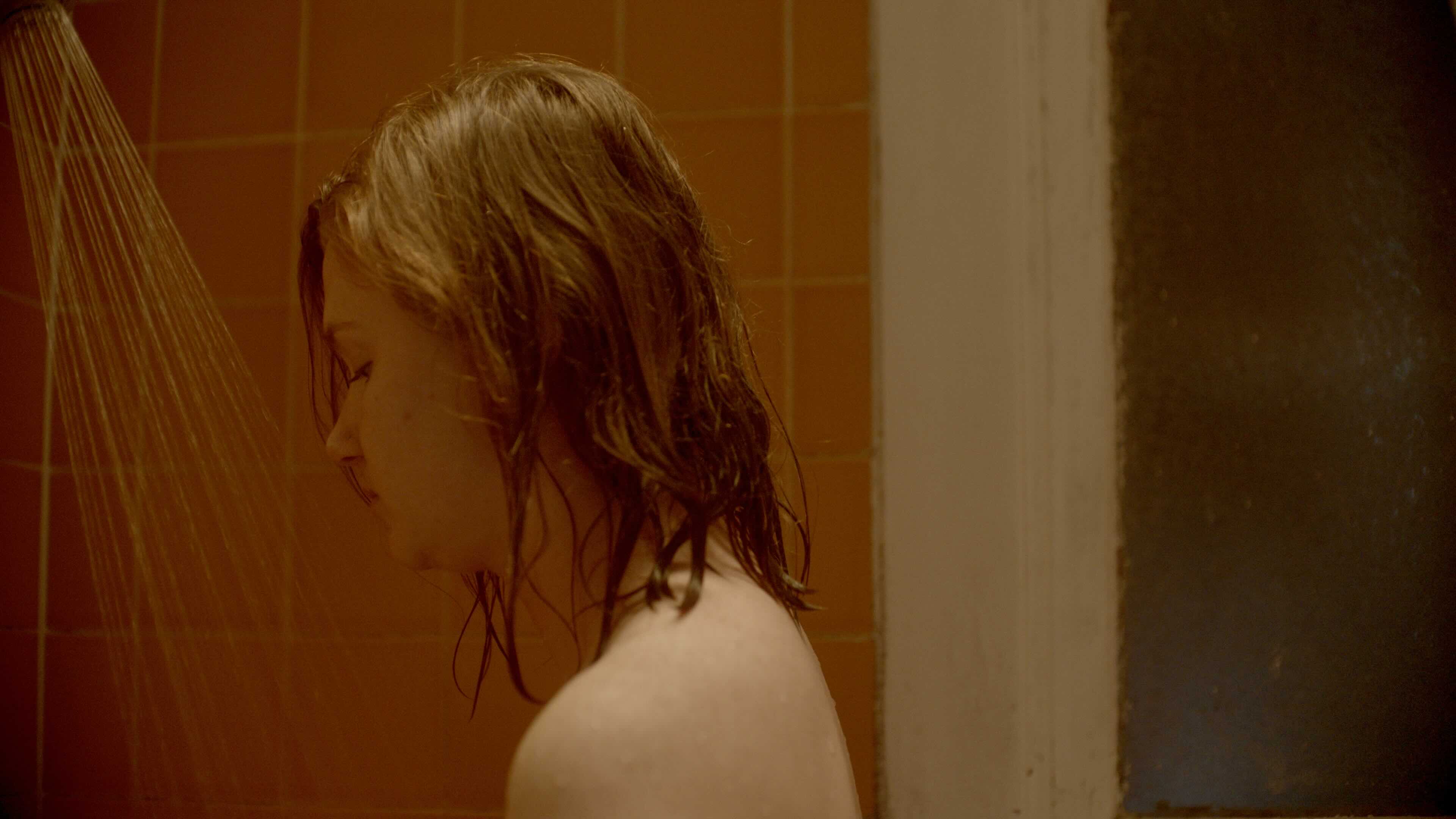
The transition occurs in the apartment. The physical space becomes a trap. When Tweety pulls away or changes the subject, Julian interprets her discomfort as mere hesitation rather than a firm rejection. The film documents a series of "small surrenders"—Tweety’s decision to stay, her decision to laugh off an uncomfortable comment, and her ultimate decision to allow the encounter to progress.
The Retelling
Perhaps the most powerful element of the film is the contrast between the reality and the "anecdote." At the dinner table, the story is stripped of its sharp edges. It is presented as a funny, quirky tale of a bad date. By turning the experience into a punchline, Tweety is participating in a common social ritual: the act of preemptively laughing at one’s own trauma to avoid the judgment of others.
The Metaphor of the Cake
The film’s title, Learning to Eat Cake, is derived from a pivotal, symbolic scene. Julian repeatedly offers Tweety a piece of cake. Because she is diabetic, she refuses. He persists. He asks again, and again, and again. Eventually, she consumes the cake—not because she desires it, but because the effort of maintaining her boundary has become more exhausting than simply acquiescing.
This scene is a masterclass in metaphor. The cake represents the "small surrenders" that define the entire film. It highlights the exhausting labor of saying "no" in a society that often treats a woman’s rejection as a negotiation. As Strangio illustrates, the harm is not in the cake itself, but in the environment that makes it impossible to refuse.
Expert Perspectives and Creator Intent
When asked about the inspiration for the film, Strangio notes that it was born from a desire to address the "grey space between weird sex and coercion."
"I’ve lost count of how many times I’ve heard cool, bright women tell stories about those kinds of nights, but framed them as comedy," Strangio explains. "If you don’t laugh about it, you have to admit that maybe something you wanted to feel fun actually felt terrible."
Strangio reflects on her own experiences as a younger woman, recalling instances where she remained in uncomfortable situations simply because she didn’t know how to leave without appearing "rude." She describes the confusion she felt when listening to older women critique victims of such encounters, asking, "Why didn’t she just leave?"
These questions—designed to place the burden of responsibility on the person being coerced—are exactly what the film seeks to dismantle. By showing the cumulative nature of the pressure Julian exerts, the film makes it clear why "just leaving" is not a simple binary choice, but an incredibly complex psychological hurdle.
Implications for Modern Consent Culture
The cultural impact of Learning to Eat Cake is significant. It joins a growing body of work that seeks to redefine consent as an active, ongoing, and enthusiastic process, rather than the mere absence of a "no."
The Burden of Politeness
The film acts as a mirror to the societal conditioning of women to be "people-pleasers." Many viewers will recognize the "sour aftertaste" mentioned by the filmmaker—the feeling of having abandoned oneself to spare someone else an awkward moment. This highlights the urgent need for a shift in how we socialize young people regarding bodily autonomy and the right to be "impolite."
Challenging the "Nice Guy" Myth
By portraying a perpetrator who believes he is a "good guy," the film exposes the danger of intent versus impact. Julian believes he is being romantic because he is persistent; he fails to realize that his persistence is a form of violence. This nuance is critical in educating men on the reality of boundaries: the fact that you believe you are being kind does not negate the fact that you are being coercive.
The Role of Peer Validation
The dinner scene is a scathing indictment of how social circles can inadvertently gaslight victims. When friends laugh at the "funny story," they reinforce the idea that the experience was trivial. This makes it increasingly difficult for the individual to acknowledge their own pain. The film serves as a call to action for friends to listen more deeply and to move beyond the superficial "did you have a good time?" to a more empathetic understanding of the nuances of personal experience.
Conclusion: Admitting That It Counted
Learning to Eat Cake is not an easy watch, nor is it intended to be. It is a work that "gets under your skin" because it is painfully familiar to anyone who has ever laughed at a situation they were not yet ready to admit was harmful.
The most profound realization the film offers is that the hardest thing to swallow is not the encounter itself, but the admission that it "counted." By validating these experiences, Strangio provides a path toward healing and, perhaps, a framework for a more honest conversation about what it means to truly respect another person’s boundaries. The film is a necessary reminder that consent is not just about the final act; it is about the thousands of small, persistent moments that lead up to it.
