
How ‘Boy Meets World’ Crafted the Ultimate 90s Slasher Homage with "And Then There Was Shawn"
Main Facts
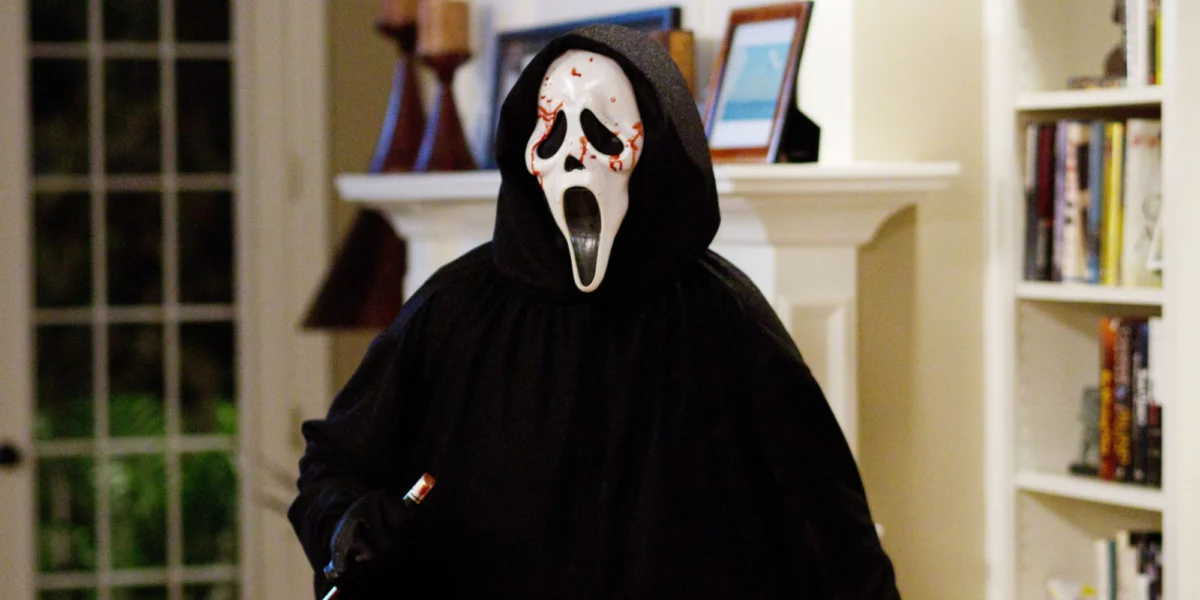
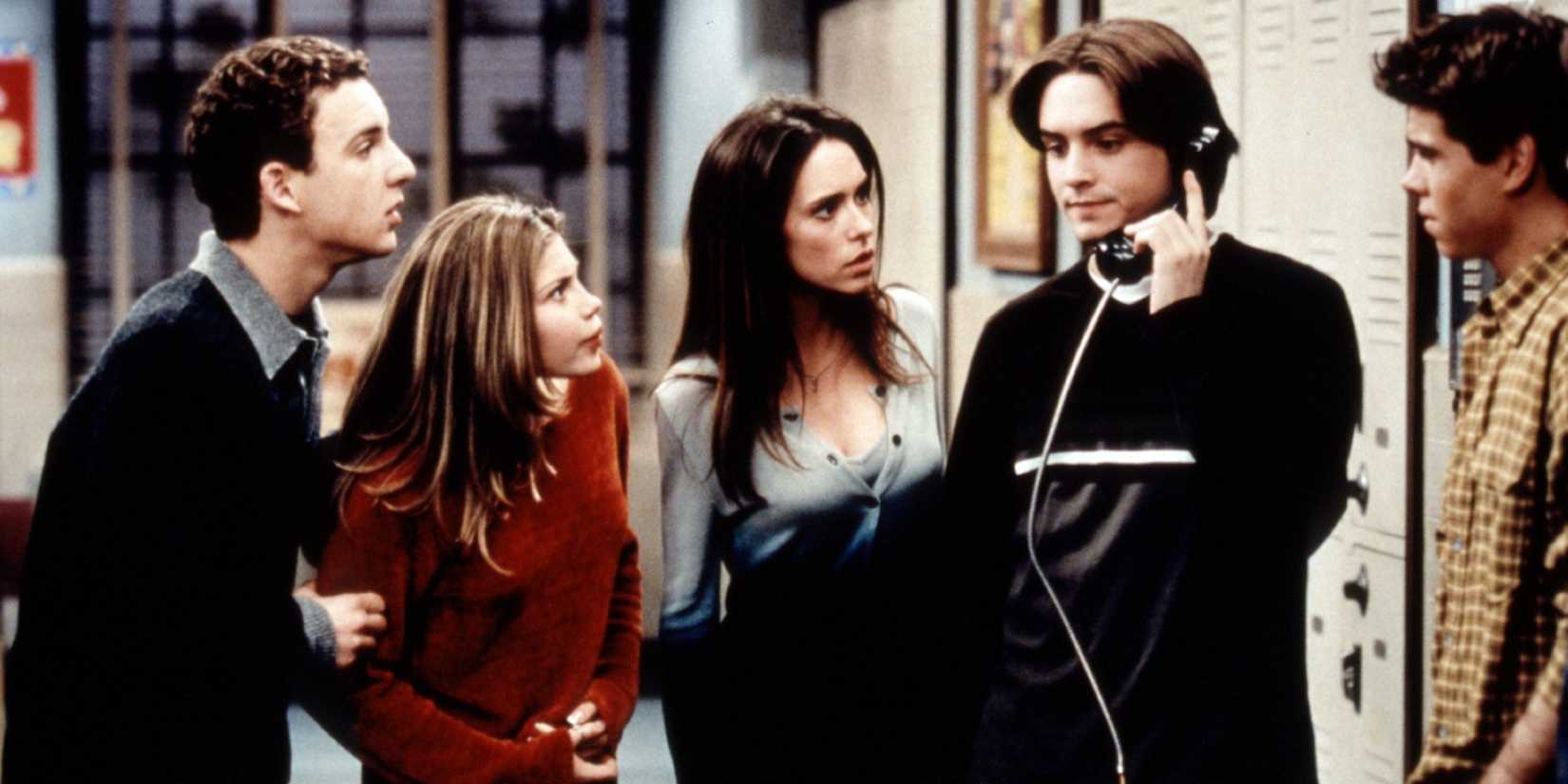
When television audiences tuned into ABC on February 27, 1998, they expected the usual coming-of-age antics of the hit 1990s sitcom Boy Meets World. Instead, Season 5, Episode 17—ironically titled "And Then There Was Shawn"—delivered a masterclass in horror pastiche. Trapped in detention after hours by a stern Mr. Feeny (William Daniels), Cory (Ben Savage), Shawn (Rider Strong), Topanga (Danielle Fishel), Eric (Will Friedle), and their peers find themselves stalked by a mysterious, black-robed, skull-masked killer.
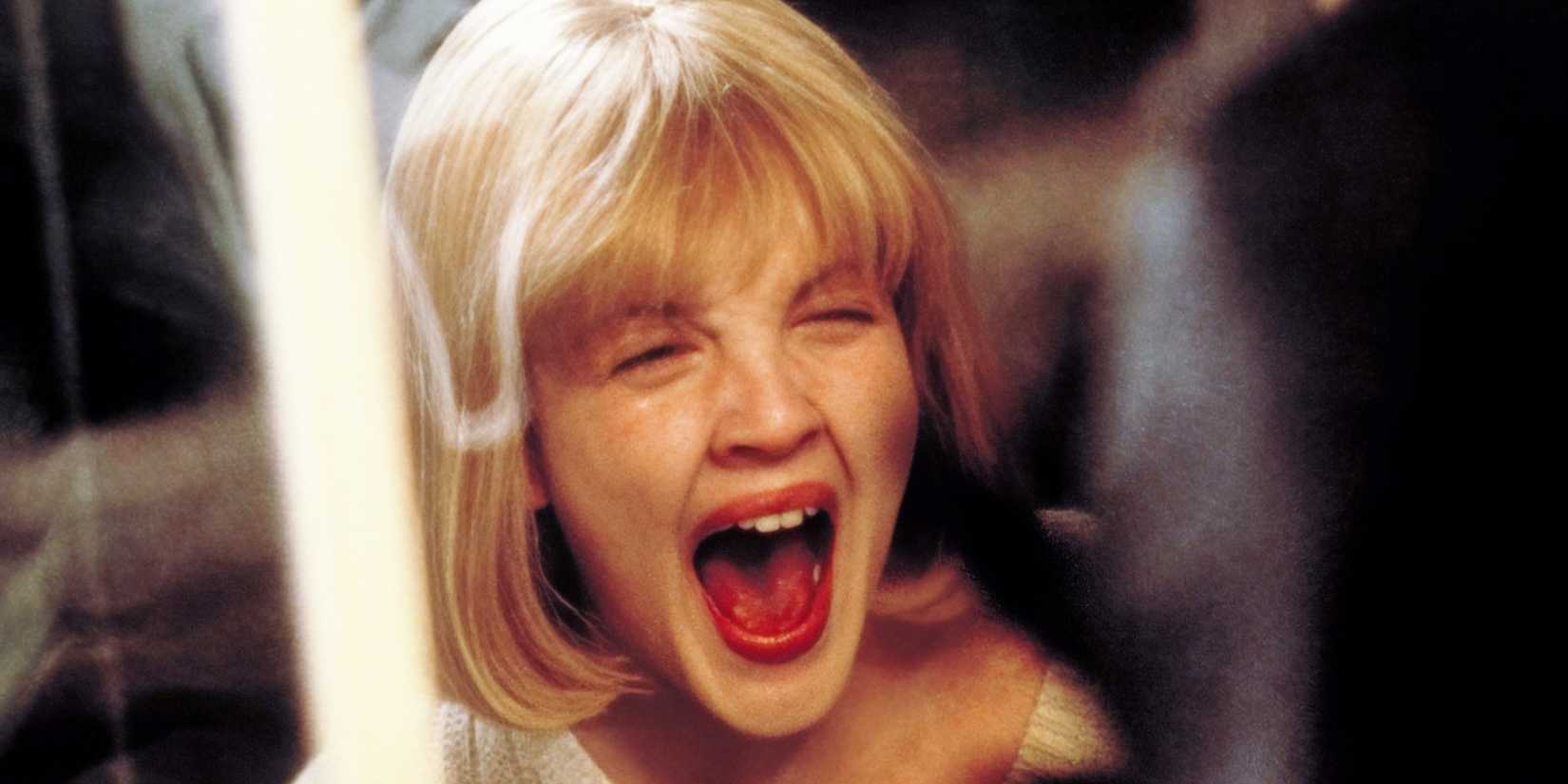
Penned by former Hollywood Reporter film critic and horror aficionado Jeff Menell, the episode acts as a loving, surprisingly dark spoof of late-90s slasher cinema, most notably Wes Craven’s groundbreaking 1996 hit Scream. Despite airing in the dead of winter rather than October, "And Then There Was Shawn" has transcended its sitcom origins to become an essential, beloved staple of Halloween viewing rotations worldwide.
Chronology of the Nightmare: How the Episode Unfolds
To understand why this specific half-hour of television continues to captivate horror and comedy fans alike, it is necessary to examine how the narrative deliberately dismantles and reconstructs traditional slasher beats within a multi-camera studio format.
1. The Setup and the Lockdown
The episode initiates its descent into terror under routine high school circumstances. Following a classroom altercation fueled by the emotional fallout of Cory and Topanga’s recent, painful breakup, the principal gang—along with a few peripheral classmates—is relegated to Saturday-style detention.
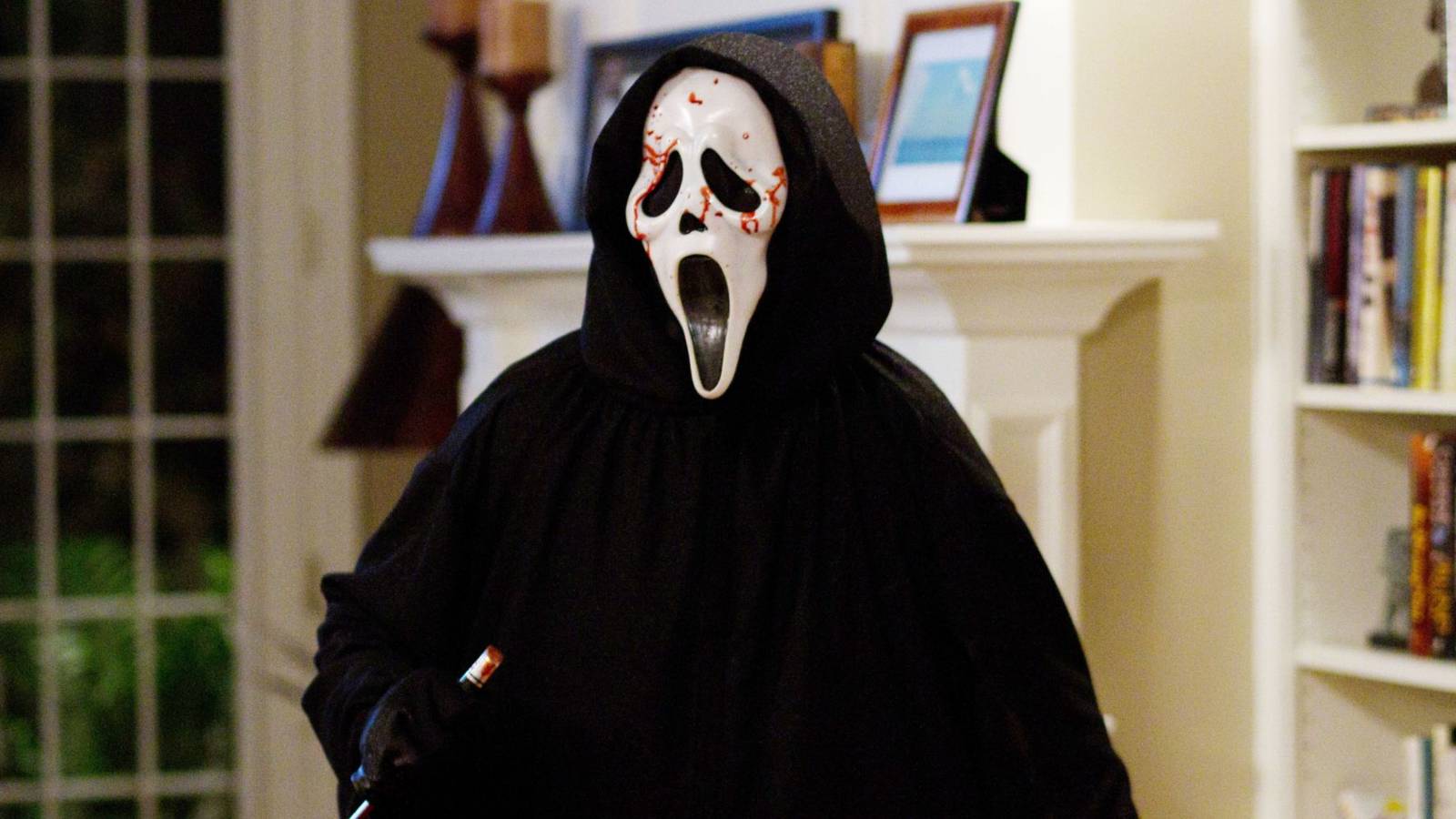
Mr. Feeny locks the heavy wooden doors from the outside, leaving the teenagers to their bickering. Almost immediately, the atmosphere curdles. A ghoulish, uncredited janitor flashes a terrifying, silent grin in the doorway before the lights violently cut out. When emergency power flickers back on, a chilling message is scrawled across the chalkboard in blood: "NO ONE GETS OUT ALIVE." As Angela (Trina McGee-Davis) dryly notes, "I don’t think it’s because he ran out of chalk."
2. The Rules of the Game
As bodies begin to pile up, Shawn Hunter steps into the role of the self-aware horror expert—a direct nod to Randy Meeks from Scream. Drawing upon extensive viewings of VHS horror rentals, Shawn gathers the surviving students to lay down the immutable laws of cinematic survival:
- Virgins never die (prompting Shawn to quickly clarify his own precarious, non-celibate status as a ticket to "getting as sick as you can get without actually dying").
- The lesser-known, expendable characters always bite the dust first.
- Group splitting is a fatal error.
True to form, guest character Kenny (Richard Lee Jackson)—whose primary narrative purpose is to be entirely forgettable—becomes the killer’s inaugural victim, dispatched via a violently thrown pencil straight to the back.
3. Escalation and Absurdist Carnage
With Kenny down, the gloves are off. The killer unleashes a wave of cartoonishly gruesome, yet genuinely tense, demises. Characters are picked off one by one in increasingly creative fashion, all while the PA system broadcasts a chilling, carnivalesque nursery rhyme:

"Here’s a knife, here’s a gun / There’ll be fun for everyone / Death is on the menu to-niiiiiiiight."
The terror is heightened by the appearance of a 90s scream-queen icon: Jennifer Love Hewitt makes a memorable cameo as "Jennifer Love Fefferman," adding an extra layer of meta-textual irony given her starring role in I Know What You Did Last Summer (1997).
4. The Twist Resolution
In true sitcom fashion, the nightmare ultimately shatters with a brilliant comedic rug-pull. The entire massacre is revealed to be a stress-induced dream sequence playing out inside Shawn’s subconscious as he passes out on a library desk. Struggling to cope with the emotional devastation of Cory and Topanga’s breakup—and the fear that his best friends’ split will tear their friend group apart forever—Shawn’s psyche manifested his anxieties as a literal slasher movie.
Supporting Data & Production Background
The brilliance of "And Then There Was Shawn" was no accident; it was engineered by creators who understood both the mechanics of network television and the grammar of horror films.
- The Writer’s Pedigree: Jeff Menell brought a genuine critic’s eye to the writers’ room. Having spent years reviewing films for The Hollywood Reporter, Menell possessed an encyclopedic knowledge of horror tropes, enabling him to write jokes that functioned simultaneously as affectionate tributes and sharp satires.
- Cultural Milestones: The episode serves as a time capsule for late-90s pop culture. Beyond Scream and I Know What You Did Last Summer, the episode subtly nods to the zeitgeist of the era—including the accidental death of a character named Kenny, a direct, tongue-in-cheek reference to South Park.
- The Sitcom Formula Broken: Boy Meets World was no stranger to experimental narrative swings. Prior episodes like Season 3’s "I Was a Teenage Spy" and Season 7’s "As Time Goes By" proved the writers’ room was willing to shatter the fourth wall of traditional domestic comedy for high-concept genre pastiches. However, none achieved the seamless tonal balance of the slasher episode.
Official Responses and Cast Reflections Cast Insights
In retrospective interviews over the decades, the cast and crew of Boy Meets World have frequently cited "And Then There Was Shawn" as a career highlight.
Danielle Fishel (Topanga) and Rider Strong (Shawn) have both remarked in convention panels and retrospective podcasts (such as Pod Meets World) that filming the episode felt different from day one. The energy on set mirrored that of a feature film production rather than a standard multi-cam sitcom. The studio audience, usually primed for romantic punchlines and family reconciliations, was genuinely unnerved by the episode’s lighting, suspenseful pacing, and faux-gore, resulting in authentic gasps before the comedic punchlines landed.
Director Jeff McCracken utilized dynamic framing, low-angle shots, and rapid editing—rarely seen in standard 90s family comedies—to create genuine claustrophobia within the soundstage’s high school set.
Implications and Legacy in Television History
"And Then There Was Shawn" did more than just entertain Friday-night family audiences in 1998; it permanently altered the blueprint for how sitcoms could handle holiday specials and genre-bending episodes.
Setting a Precedent for Genre-Blending
Before this episode, sitcom Halloween specials typically relied on supernatural gimmicks—ghosts, mild possession, or simple costume parties. Boy Meets World proved that a primetime comedy could sustain genuine psychological tension and structural horror pastiche without alienating its core demographic.
This paved the way for future milestone television episodes that played heavily with genre:
- That ’70s Show embraced Alfred Hitchcock’s suspenseful framing and voyeuristic dread in the classic Season 3 episode "Too Old to Trick or Treat, Too Young to Die."
- Community leaned entirely into full-scale cinematic tropes, most notably with its acclaimed Season 2 zombie-apocalypse Halloween special, "Epidemiology."
A Permanent Place in the Horror Canon
Decades after its broadcast, "And Then There Was Shawn" is routinely ranked by entertainment publications alongside legendary horror television landmarks like The X-Files "Home" or Buffy the Vampire Slayer "Hush." It proves that the line between high art and popcorn entertainment is porous, and that smart writing can turn a multi-camera studio sitcom set into a terrifyingly effective house of horrors.
For modern viewers crafting their annual October streaming queues, skipping this honorary slasher masterclass is akin to leaving Halloween or Scream off the list. It remains a rare, magical television trick that continues to thrill, scare, and—above all—make us laugh.
