
Cinematic Escapism: Why Summer Vacation Movies Remain Hollywood’s Most Enduring Seasonal Staple
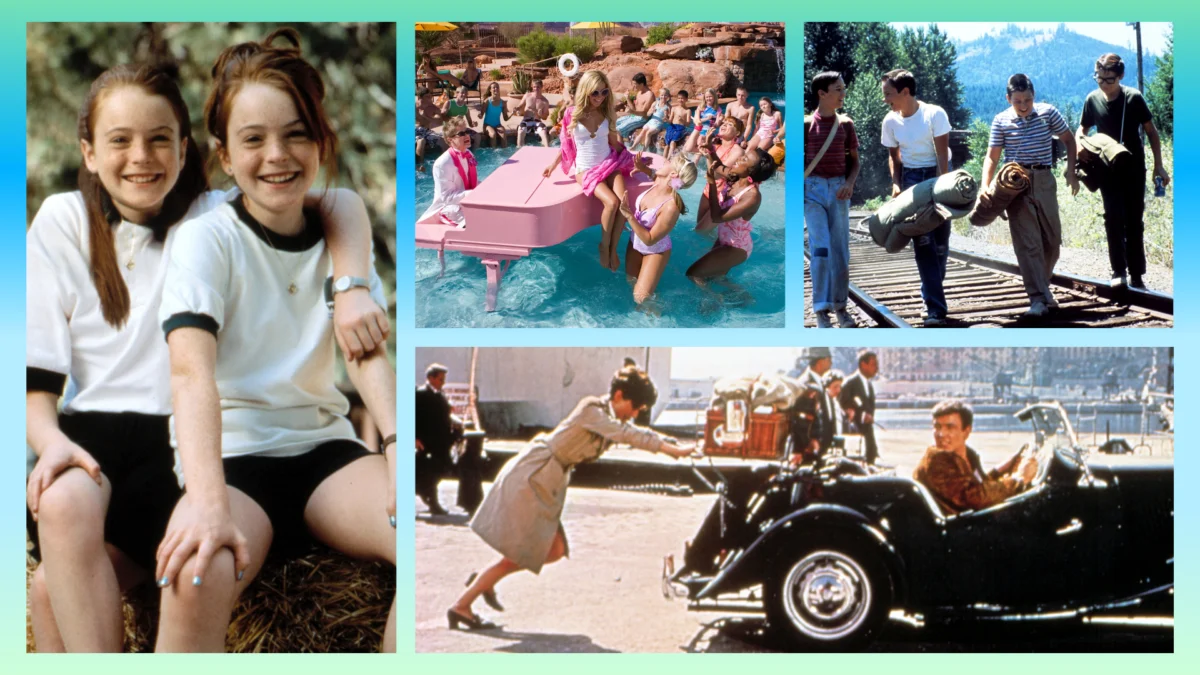
As the mercury rises and the school bell rings for the final time, the cultural migration toward air-conditioned cinemas and streaming marathons begins in earnest. For decades, the concept of the "summer vacation" has served as one of cinema’s most reliable narrative catalysts. Whether it is the nostalgic haze of a childhood sleep-away camp, the chaotic perils of a cross-country family road trip, or the transformative disorientation of stepping off a plane into a foreign paradise, movies about getting away from it all capture a universally shared human yearning: the desire for reinvention, escape, and leisure.

Curated by film critics and updated to reflect the evolving landscape of cinema, the canon of great summer vacation films offers an eclectic cross-section of genres. From sun-drenched comedies and chilling slashers to poignant coming-of-age dramas, these films hold a mirror up to our collective fantasies and anxieties about the warmest months of the year.

Main Facts: Defining the Anatomy of a Summer Vacation Movie
When film critics and historians attempt to codify the definitive list of summer vacation movies, strict parameters inevitably emerge. To qualify for top-tier status within this robust subgenre, a film must explicitly take place during the summer months—or, at the very least, be bathed in weather pleasant enough to allow audiences to suspend their disbelief.

Interestingly, a break from school or work is not an absolute prerequisite for inclusion. While the promise of freedom heavily influences the plot, the atmospheric essence of the season is what truly defines the category.

Consider the curious case of Grease (1978). While summer vacation serves as the pivotal narrative launchpad for Danny and Sandy’s star-crossed romance—immortalized in song—the film itself quickly transitions into the everyday trials of high school life. Consequently, Grease functions less as a quintessential summer vacation movie and more as a framing device, occupying a space similar to how Reservoir Dogs treats a heist: the event looms large over the narrative, but the bulk of the action takes place elsewhere.

Instead, true vacation films immerse the audience entirely in the temporal suspension of the season. They explore specific, universally recognized vacation tropes:

- The Summer Camp Dynamic: Ranging from the wholesome, matchmaking hijinks of The Parent Trap to the visceral terror of the Friday the 13th franchise, camp settings isolate characters from societal norms, breeding either lifelong bonds or brutal consequences.
- The Road Trip Odyssey: Cross-country journeys, such as the Audrey Hepburn-starring romance Two for the Road or the Bollywood hit Zindagi Na Milegi Dobara, use movement as a vehicle for internal transformation, examining relationships under the microscopic lens of continuous travel.
- The Destination Awakening: Stepping off a plane or train into an unfamiliar culture—as seen in The Lizzie McGuire Movie in Rome or the comedic chaos of Forgetting Sarah Marshall in Hawaii—highlights the comedic and romantic possibilities of total displacement.
Chronology: A History of Getting Away From It All
The cinematic obsession with the summer holiday has evolved significantly alongside Hollywood’s changing sensibilities, reflecting shifting cultural attitudes toward leisure, family, and travel.

The Mid-Century Dream (1950s–1960s)
In the post-World War II era, vacation films often reflected a burgeoning middle-class prosperity and an increased accessibility to international travel. David Lean’s Summertime (1955), starring Katharine Hepburn, captured the bittersweet romance of an American secretary finding unexpected love in the canals of Venice. These early films romanticized the destination, treating foreign locales as canvases for personal awakening and sophisticated romance. Similarly, Stanley Donen’s Two for the Road (1967) utilized a non-linear narrative structure across multiple European road trips to dissect the arduous evolution of a marriage over time.

The Era of Chaos and Nostalgia (1970s–1980s)
As Hollywood entered the New Hollywood era and shifted into blockbuster aesthetics, summer vacation movies fractured into two distinct extremes: suburban satire and nostalgic reflection.

National Lampoon’s Vacation (1983) subverted the idealized American family trip. Written by John Hughes and directed by Harold Ramis, the film chronicled Clark Griswold’s disastrous cross-country trek to Walley World, cementing the family vacation as a crucible of suburban neurosis, traffic jams, and broken-down station wagons.

Conversely, films like Rob Reiner’s Stand By Me (1986)—based on Stephen King’s novella—looked back at summer vacation not as a luxurious escape, but as a rite of passage. Set in 1959, the film follows four young boys walking along Oregon train tracks in search of a missing body, encapsulating the fleeting, melancholic twilight of childhood innocence before the responsibilities of the adult world set in.

The Indie and Modern Renaissance (1990s–Present)
In the 21st century, filmmakers have increasingly used the summer vacation framework to explore complex emotional landscapes, grief, and the bittersweet nature of memory.

Greg Mottola’s Adventureland (2009) reframed the quintessential summer job at a dreary amusement park as a crucible for post-collegiate disillusionment and first love. Meanwhile, contemporary masterpieces like Charlotte Wells’ Aftersun (2022) utilize a father-daughter holiday at a Turkish resort to weave a devastating, impressionistic tapestry of memory, depression, and paternal love viewed through the hazy lens of home-video footage.

Supporting Data: The Cultural and Economic Footprint of Seasonal Cinema
The release timing of cinematic content often mirrors cultural consumption habits. Summer has historically served as Hollywood’s most lucrative box office window, traditionally dominated by high-octane blockbusters, superhero spectacles, and high-concept event films.

However, counter-programming has always played a vital role in the ecosystem. While tentpole action films capture headline numbers, smaller, character-driven vacation films often sustain prolonged legs in the home-entertainment and streaming markets.

Data compiled by box office tracking firms consistently demonstrates that films evoking escapism and seasonal nostalgia experience significant viewership spikes during the literal summer months (June through August) and during deep winter, when audiences seek psychological warmth through cinematic sun. Furthermore, streaming platforms report increased engagement with destination-based comedies and travelogues as viewers plan their own seasonal getaways.

| Film Title | Release Year | Primary Setting / Trope | Subgenre |
|---|---|---|---|
| Summertime | 1955 | Venice, Italy | Romantic Drama |
| Two for the Road | 1967 | France / Road Trip | Romantic Comedy-Drama |
| National Lampoon’s Vacation | 1983 | Cross-Country / Road Trip | Slapstick Comedy |
| Stand By Me | 1986 | Oregon Woods / Coming-of-Age | Coming-of-Age Drama |
| The Parent Trap | 1961 / 1998 | Summer Camp | Family / Comedy |
| Under the Sand | 2000 | French Coast / Beach Vacation | Psychological Drama |
| Adventureland | 2009 | Amusement Park / Summer Job | Coming-of-Age Comedy-Drama |
| Aftersun | 2022 | Turkish Resort / Holiday | Indie Drama |
Official Responses and Industry Perspectives
The enduring appeal of the summer vacation movie is a frequent topic of discussion among filmmakers, critics, and cultural historians, many of whom point to the genre’s unique ability to address fundamental human vulnerabilities.

"When you take characters out of their native environments—their offices, their schools, their normal routines—the safety net disappears," noted film historian and programmer Marcus Vance during a recent panel on seasonal cinema. "A vacation movie strips away a person’s armor. Whether they are trapped in a car with their bickering parents or sitting alone on a beach in a foreign country, they are forced to confront who they actually are when nobody is watching."

Directors who have tackled the genre often emphasize the sensory importance of setting. Charlotte Wells, reflecting on the critical acclaim surrounding Aftersun, noted that capturing the sensory details of a holiday—the hum of air conditioning units, the glare of the midday sun, the chlorine in the pool—is essential to unlocking deeper emotional truths.

"Vacations in film are rarely just about leisure," Wells explained in an interview. "They are artificial constructs of time where we are supposed to be happy, which makes any underlying sadness or tension much more pronounced. That contrast is dramatic gold."

Implications: Why We Keep Returning to the Sun-Drenched Screen
As the cinematic landscape continues to fragment across streaming platforms, theatrical windows, and shifting distribution models, the demand for comfort viewing and thematic escapism remains exceptionally high.

The enduring legacy of the summer vacation movie speaks to a profound cultural need for transition markers. In a modern society where work and personal life are increasingly blurred by digital connectivity, films about unplugging, traveling, or attending sleep-away camp serve as a vicarious substitute for genuine rest. They remind audiences of what it feels like to step outside of time—even if only for ninety minutes in a dark, air-conditioned theater.

Whether revisiting the chaotic mishaps of the Griswold family, mourning the loss of youth alongside the boys of Stand By Me, or basking in the sun-bleached melancholy of Aftersun, viewers continue to find solace and self-reflection in these celluloid getaways. Long after the school bell rings and the summer heat fades, these films remain our most reliable passport to elsewhere.
