
The Fall of BioWare and the Ghost of Mass Effect Universe: Inside the Cancellation That Stunned the Gaming Industry
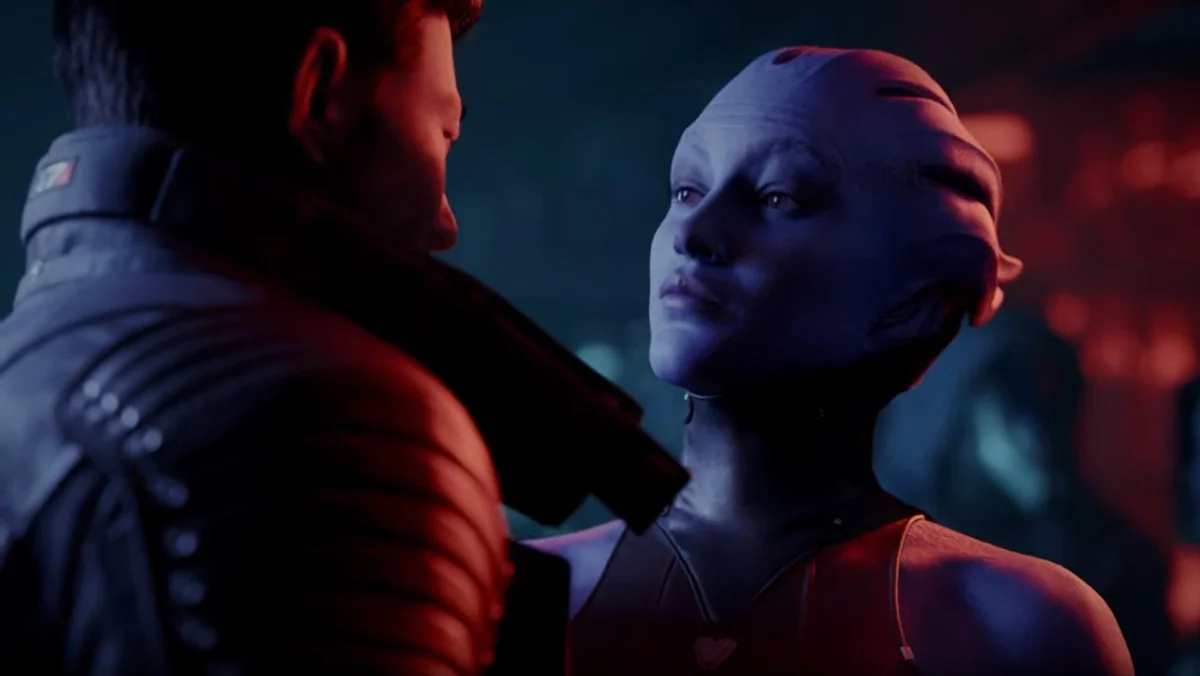
The video game industry is still coming to terms with a seismic corporate decision that has sent shockwaves through the global gaming community: Electronic Arts (EA) has officially closed its legendary, pioneering subsidiary, BioWare.
The closure has resulted in the immediate layoff of approximately 400 talented developers—representing roughly three percent of EA’s broader workforce—and the abrupt cancellation of the highly anticipated next chapter in the iconic Mass Effect franchise.
Among the wreckage of this massive corporate downsizing is a treasure trove of lost potential, highlighted by the recent online leak of an internal pitch trailer for the canceled project, provisionally titled Mass Effect Universe. For millions of fans who have followed Commander Shepard’s universe since 2007, the glimpse into what could have been is both exhilarating and heartbreaking.
Main Facts: The Closure, the Cuts, and the Leak
The shuttering of BioWare marks the end of an era for one of Western role-playing games’ (RPGs) most influential studios. Responsible for industry-defining franchises such as Baldur’s Gate, Dragon Age, and Mass Effect, BioWare’s imprint on interactive storytelling is immeasurable. However, mounting financial pressures, shifting corporate priorities at EA, and a volatile macroeconomic climate for tech and entertainment have culminated in the studio’s untimely demise.
The most immediate casualty of the studio closure is the untitled next-generation Mass Effect sequel, which had been in early development as the first mainline entry in the franchise since 2017’s Mass Effect: Andromeda.
Shortly after the shutdown was announced, an internal sizzle reel produced by BioWare for internal stakeholders leaked online, quickly verified by prominent industry journalists like Bloomberg’s Jason Schreier.
The leaked footage, developed under the working title Mass Effect Universe, provides a tantalizing look at a project in its pre-production infancy. According to corroborating reports from IGN, the game would have jumped forward in time, taking place several hundred years after the cataclysmic events of Mass Effect 3. Rather than following a traditional military hero, the narrative reportedly centered on a former military operative embarking on a gritty, morally ambiguous "new line of work."
The trailer itself checks all the nostalgic boxes for longtime fans: sleek starships, high-tech blasters, exotic alien species, and even a trademark romance/sex scene indicative of BioWare’s commitment to mature, character-driven storytelling. Crucially, the footage featured a significantly older Liara T’Son
Chronology: From Teasers to the Final Blow
To understand the tragedy of Mass Effect Universe‘s cancellation, it is necessary to trace the trajectory of the franchise over the past decade:
- March 2017: BioWare releases Mass Effect: Andromeda, a title plagued by development turmoil, technical bugs, and a mixed critical reception. The franchise is subsequently put on ice while the studio pivots resources to Anthem and Dragon Age: The Veilguard.
- December 2020: During the Game Awards, BioWare surprises the industry by dropping a brief, cinematic teaser trailer featuring a weathered Liara T’Son finding a piece of N7 armor, signaling that a return to the Milky Way is officially in the works.
- 2021–2025: A skeleton crew at BioWare slowly iterates on pre-production concepts for the new Mass Effect, navigating leadership changes, industry-wide post-pandemic corrections, and EA’s shifting demands toward profitability.
- Late 2026: EA leadership evaluates BioWare’s ongoing operational costs against projected returns. Despite the passionate fanbase and legendary status of the studio, corporate executives pull the plug.
- October 2026: EA announces the closure of BioWare, resulting in 400 layoffs. Within days, the internal Mass Effect Universe trailer leaks to the public via Reddit and IGN, prompting an outpouring of grief, anger, and nostalgia from fans and former developers alike.
Supporting Data: The Scale of the Disaster
The human cost of BioWare’s closure cannot be overstated. The loss of 400 jobs represents a devastating blow to a pool of developers who have spent decades perfecting the art of branching narrative design.
In the wake of the closure, former staff members have taken to professional networks like LinkedIn to share insights into what the team was striving to achieve. Cinematic supervisor Tony de Waal offered a poignant look into the studio’s design philosophy during its final months:
"We saw what Larian and CD Projekt were bringing to the table with their latest offerings, and started down a path to bring Mass Effect to the next level while remaining true to the Trilogy," de Waal wrote, referencing the massive critical and commercial success of titles like Baldur’s Gate 3 and Cyberpunk 2077: Phantom Liberty.
According to insider accounts, the development team was attempting to engineer a level of player autonomy, narrative reactivity, and choice-driven consequence that would not only match contemporary high-water marks in the RPG genre but surpass them.
Despite operating with a relatively small, tight-knit crew—a stark contrast to the bloated multi-studio pipelines that characterize modern triple-A development—the team was reportedly punching well above its weight class to construct a universe worthy of the franchise’s legacy.
Official Responses and Industry Repercussions
The gaming community’s reaction has been swift, characterized by a potent mix of mourning and frustration directed at major publishers’ handling of creative studios.
Industry veterans and journalists have used the leak as a focal point to discuss the systemic issues plaguing modern game development. The expectation for triple-A games to generate astronomical, immediate profits often leaves little room for the iterative, risky creative processes required to build sprawling, narrative-heavy RPGs.
While EA has remained largely tight-lipped beyond its initial restructuring announcement, the fallout has reignited fierce debates regarding the viability of corporate-owned studios versus independent development models.
Fans have expressed profound sadness that they will never get to experience the matured universe BioWare was building, particularly given how few studios remain dedicated to the prestige single-player RPG space.
Implications: The Future of Single-Player RPGs and Corporate Consolidation
The death of BioWare and the cancellation of Mass Effect Universe carry ominous implications for the broader video game landscape.
As development costs skyrocket—often exceeding hundreds of millions of dollars per title—publishers are becoming increasingly risk-averse. The industry is trapped in a paradoxical state: video games are more popular and culturally dominant than ever, yet the studios that built the foundation of modern gaming are routinely dismantled when they fail to meet hyper-inflated financial metrics.
Furthermore, the failure of live-service models to consistently capture player interest—coupled with the undeniable, enduring hunger for rich, narrative-driven single-player experiences—makes the destruction of BioWare all the more confounding. When studios capable of producing cultural touchstones like Mass Effect are dissolved, the entire medium loses a piece of its artistic soul.
The leaked Mass Effect Universe trailer will ultimately serve as a digital ghost ship—a haunting reminder of an ambitious journey that was cut tragically short. For the 400 developers who poured their talents into a project the world will never play, the legacy they leave behind is one of unmatched dedication to storytelling, a legacy that corporate restructuring can erase from a balance sheet, but can never erase from the hearts of the players they inspired.
