
The Undying Echo: Why J.R.R. Tolkien’s Final Words Remain the Gold Standard of Fantasy Literature
More than seven decades after its initial publication, J.R.R. Tolkien’s The Lord of the Rings retains its status as the definitive pillar of the fantasy genre. While modern audiences largely engage with the narrative through Peter Jackson’s cinematic trilogy—a monumental achievement in filmmaking that garnered critical acclaim and massive box office returns—the source material offers a profound structural nuance often glossed over in adaptation. At the heart of this literary masterpiece is a conclusion that eschews the bombast of war for the quietude of the hearth. The closing line, "Well, I’m back," stands as a masterclass in emotional resonance and narrative finality.
The Chronology of the Climax: Beyond the Fires of Mount Doom
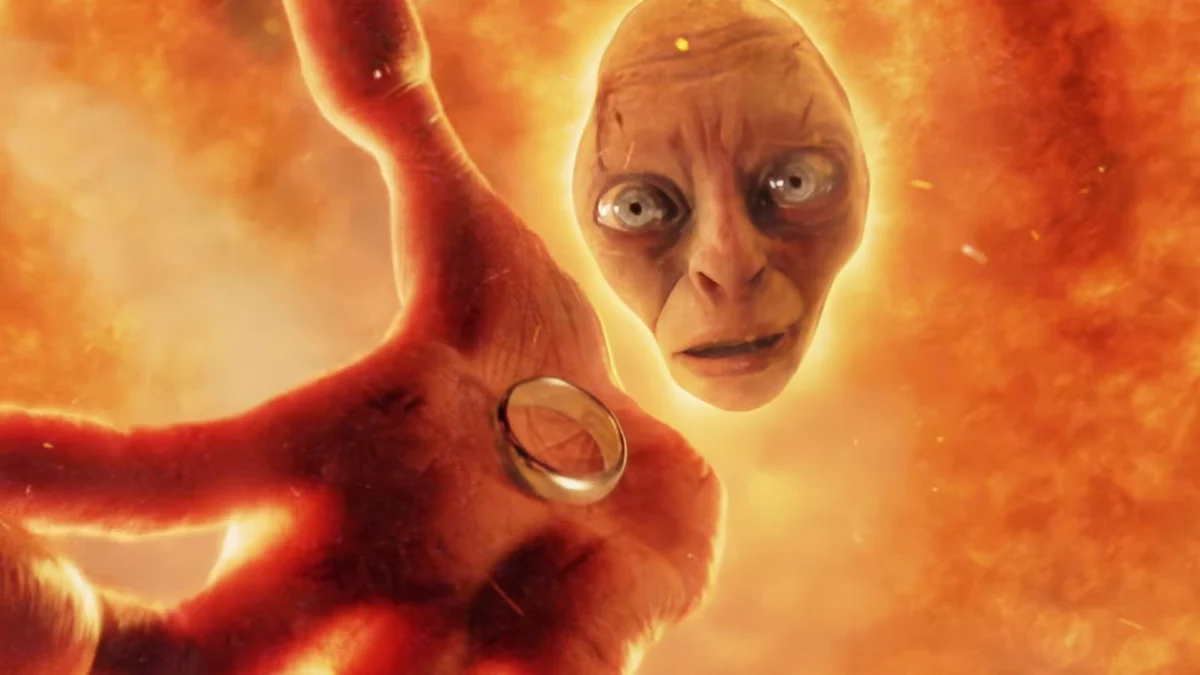
A common point of contention among casual viewers of the Return of the King film adaptation is the perceived "overabundance" of endings. Once the One Ring is destroyed in the fires of Mount Doom, the story lingers, tracing the arduous return of the Hobbits to the Shire and the subsequent psychological scars left by their journey.
In the original novels, this structure is even more pronounced. The destruction of the Ring occurs just past the halfway mark of the final volume. For Tolkien, the journey back to the Shire was not merely a logistical necessity but a thematic imperative. The narrative arc of Frodo, Sam, Merry, and Pippin is not defined solely by the defeat of Sauron, but by the fundamental changes wrought upon the travelers themselves. By allowing the story to breathe after the climax, Tolkien emphasizes that the true victory was not the geopolitical survival of Middle-earth, but the survival of the individual soul in the face of absolute corruption.
Supporting Data: The Weight of the "Quiet Ending"
To understand the genius of the ending, one must analyze the juxtaposition between the epic scale of the War of the Ring and the domestic intimacy of the Shire.
The Textual Resolution
The final paragraphs of The Return of the King provide a stark contrast to the preceding chapters of military maneuvers and ancient prophecies:
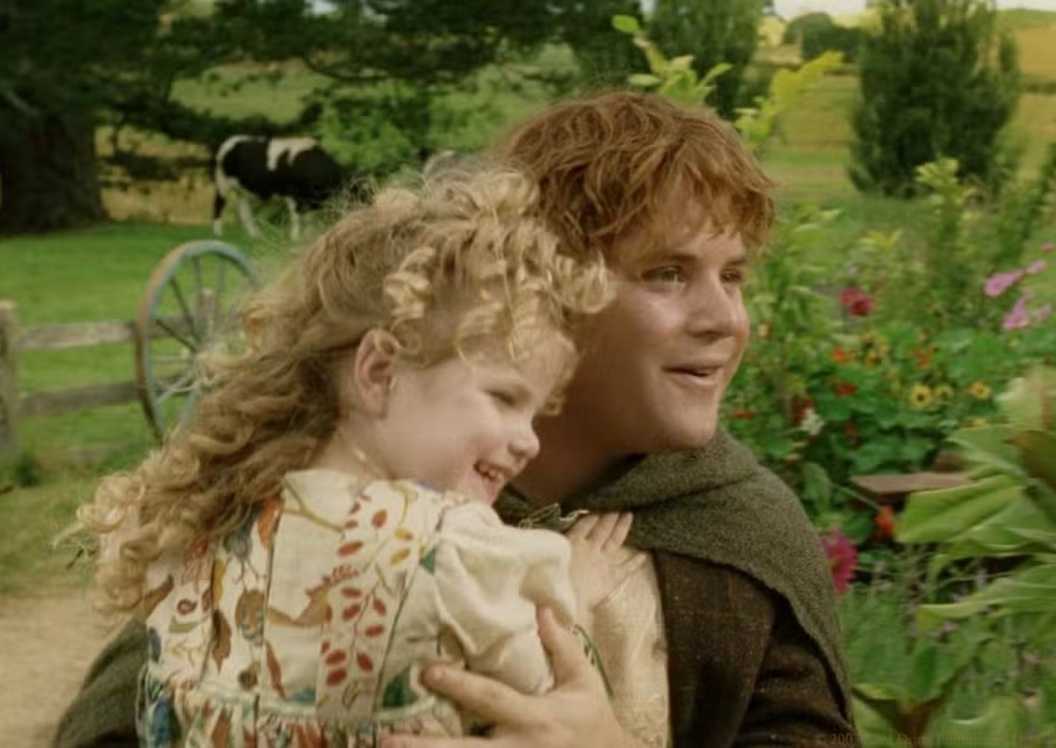
"At last they rode over the downs and took the East Road, and then Merry and Pippin rode on to Buckland; and already they were singing again as they went. But Sam turned to Bywater, and so came back up the Hill, as day was ending once more. And he went on, and there was yellow light, and fire within; and the evening meal was ready, and he was expected. And Rose drew him in, and set him in his chair, and put little Elanor upon his lap. He drew a deep breath. ‘Well, I’m back,’ he said."
This passage is a deliberate de-escalation. After surviving the literal embodiment of evil, Samwise Gamgee returns to the most mundane, human—or rather, Hobbit-like—activity imaginable: sitting down for a meal with his family. The "yellow light" and the "fire within" represent the warmth of the home that the characters fought to preserve. It is a subversion of the traditional "hero’s return," which typically demands a triumphal procession. Instead, Tolkien gives us a domestic homecoming, proving that the scale of the world’s suffering is only meaningful insofar as it allows for the quiet, daily life of the individual to continue.
The Myth of the Utopian Peace
A recurring misconception among readers and viewers is the belief that the end of the Third Age marked the beginning of a permanent utopia. This is a naive interpretation of the text that ignores the somber reality Tolkien wove into his mythology.
Tolkien famously toyed with the idea of a direct sequel, titled The New Shadow, set in the Fourth Age during the reign of King Eldarion, Aragorn’s son. However, he abandoned the project. In his private correspondence, notably Letter 256, Tolkien admitted that the story became "too depressing." He noted that humanity—and even the hobbits—carried within them the seeds of their own discontent. The peace earned by the defeat of Sauron was transient. It was a reprieve, not a cure for the human condition.
The Implications of Narrative Restraint
The success of The Lord of the Rings serves as a sobering lesson for modern storytellers, particularly in an era dominated by sprawling franchises and "cinematic universes" that prioritize continuous expansion over definitive conclusions.

Knowing When to Conclude
In the modern landscape of fantasy—where authors like George R.R. Martin face immense pressure to finish massive, multi-volume sagas—Tolkien’s ability to "stop" stands out. While he spent decades crafting the rich, complex mythology of The Silmarillion, he never allowed the sheer breadth of his world-building to cannibalize the emotional arc of his main story.
The implication is clear: The longevity of a work of fiction is not determined by how much lore it introduces, but by how well it resolves the internal journey of its characters. By choosing to focus the final moments of his life’s work on Sam Gamgee, Tolkien solidified the idea that the "Hero’s Journey" is incomplete without a return to the ordinary.
Character Over Spectacle
The "Well, I’m back" line is syntactically underwhelming by design. It lacks the gravitas of a Shakespearian monologue or the grandiosity of an epic battle cry. Its power lies entirely in its simplicity. It functions as a grounding mechanism, pulling the reader out of the high-fantasy clouds and back onto the solid earth of the Shire. It acknowledges that after traversing the heights of heroism and the depths of despair, the greatest achievement a hero can hope for is the simple ability to return to the life they once knew.
Professional Analysis: Why It Remains the Gold Standard
From a literary standpoint, The Lord of the Rings succeeds because it understands the distinction between "world-building" and "story-telling." World-building is the construction of a setting, but storytelling is the progression of human (or Hobbit) emotion.
Critics often point to the "Epilogue" as a necessary, if difficult, component of high-stakes fiction. It is easy to build a mountain of conflict; it is profoundly difficult to guide the reader down from that mountain without the narrative collapsing under the weight of its own gravity. Tolkien managed this by shifting the perspective from the King of Gondor to the Gardener of the Shire.
Furthermore, the influence of this ending on the genre cannot be overstated. It established the "return home" as a crucial, non-negotiable beat in the fantasy structure. It taught generations of writers that the stakes of a war are only as high as the value of what is being protected. If the home being returned to is not fully realized, the war fought to protect it feels hollow.
Conclusion
Seventy years later, the legacy of The Lord of the Rings is secure, not just because of the terrifying majesty of the Nazgûl or the grandeur of Minas Tirith, but because of the yellow light in a window in the Shire. J.R.R. Tolkien’s ability to balance the cosmic stakes of an epic struggle with the intimate, quiet reality of a man coming home to his family is what makes his work the gold standard of the genre. As we look at the state of modern fantasy, which often feels trapped in the cycle of endless sequels and prequels, we would do well to remember that the most powerful words in the history of the genre were not a declaration of war, but a simple, quiet statement of arrival.
Samwise Gamgee did not just return to the Shire; he returned to the world, and in doing so, he reminded us all that even the longest, darkest journeys must eventually lead back home.
