
The Gaming Industry’s Best-Kept Secrets: 10 Masterpieces That Faded into the Background
In an era where the gaming industry is dominated by massive, multi-year production cycles, "monocultural" events, and a relentless pursuit of the next "Game of the Year," the bar for success has become dangerously high. Today, a game that scores an 8/10 on the critical scale is often dismissed as a disappointment, while titles that fail to reach blockbuster sales figures are frequently branded as failures. This shift in the gaming zeitgeist has created a dangerous environment for innovation, where "good" is no longer enough to survive.
As a result, a wealth of exceptional titles—each boasting stellar design, compelling narratives, and immersive mechanics—has quietly slipped through the cracks of the mainstream consciousness. These games are not merely "hidden gems"; they are high-quality experiences that, for various reasons, failed to capture the broader public’s imagination. This article explores ten such titles, analyzing why they deserve a second look and why their contributions to the medium are far more significant than their sales charts suggest.
1. Marvel’s Guardians of the Galaxy (2021)
The Burden of Association
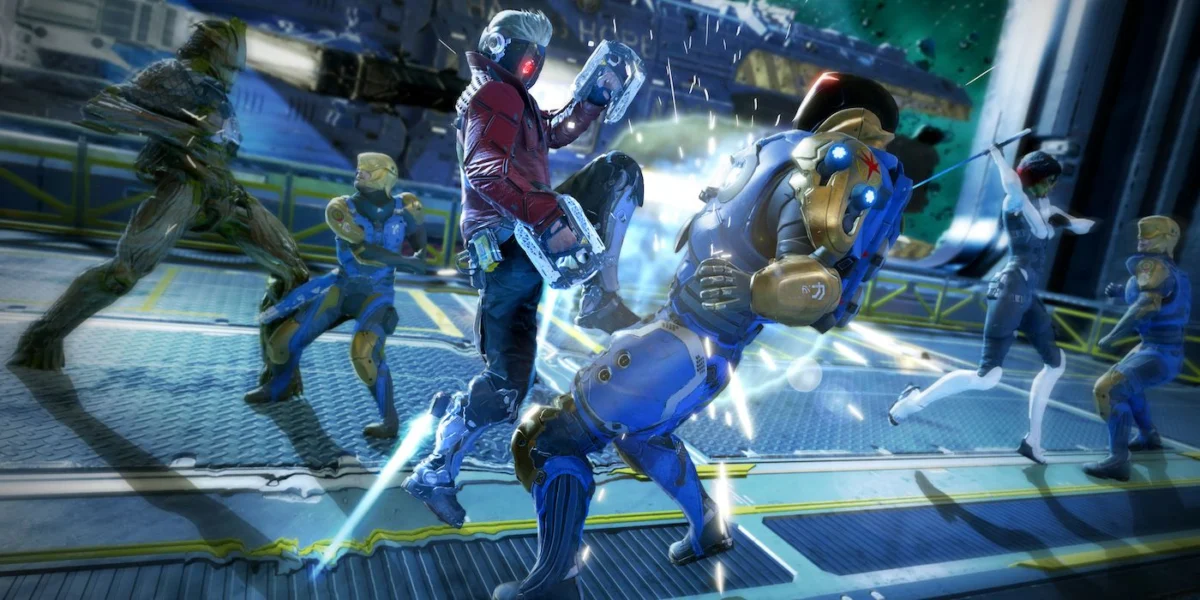
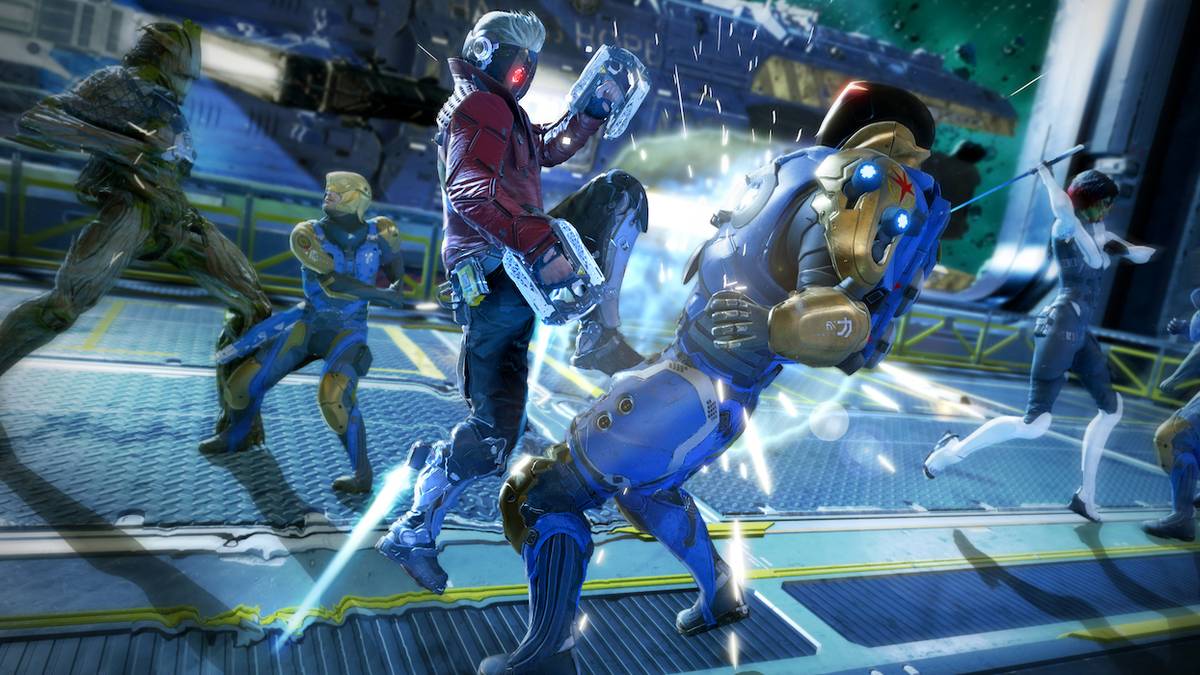
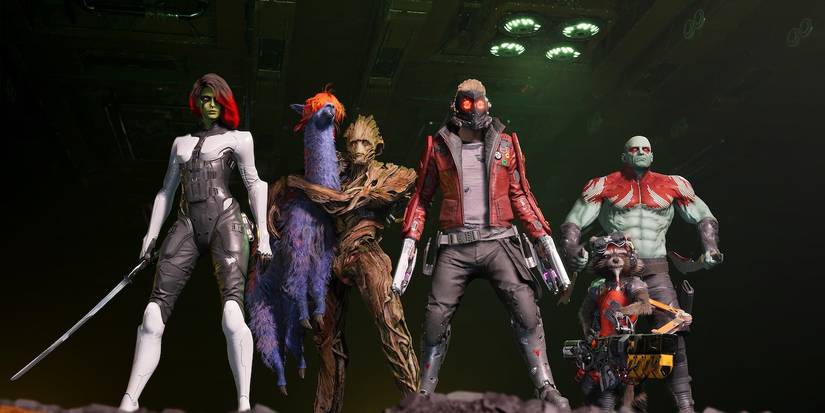
Marvel’s Guardians of the Galaxy is a fascinating case study in how public perception can be poisoned by proximity. Released shortly after the lukewarm reception of other high-profile Marvel titles, the game suffered from a "guilt by association" narrative that it absolutely did not deserve.
Chronology and Context:
Developed by Eidos-Montréal, the game follows Star-Lord and his motley crew years after a catastrophic galactic war. When they accidentally trigger a sequence of events that threatens the stability of the universe, they must navigate a complex web of cosmic politics and personal trauma.
Implications:
Unlike many action-adventure games that focus solely on the player-character’s power fantasy, Guardians focused on leadership and team dynamics. The writing is sharp, witty, and surprisingly emotional. It is a masterclass in linear narrative design, proving that a focused, 15-to-20-hour campaign can be more impactful than an endless, bloated open world.
2. The Legend of Zelda: Skyward Sword (2011)
Beyond the Motion Controls
For years, Skyward Sword was the black sheep of the Zelda family, largely due to the frustrations surrounding its original Wii motion controls. However, the release of the HD remaster on the Nintendo Switch has allowed a new generation to appreciate the game for what it truly is: a narrative and dungeon-design triumph.

Supporting Data:
While critics lauded its art direction and storytelling at launch, the community backlash against the "Wii Remote requirement" overshadowed its mechanical brilliance. The game features some of the most intricate and thematically cohesive dungeons in the entire Zelda franchise, with a narrative that serves as the definitive origin story for the cycle of Link, Zelda, and Ganon.
3. Bugsnax (2020)
The Deceptive Charm of the Grotesque
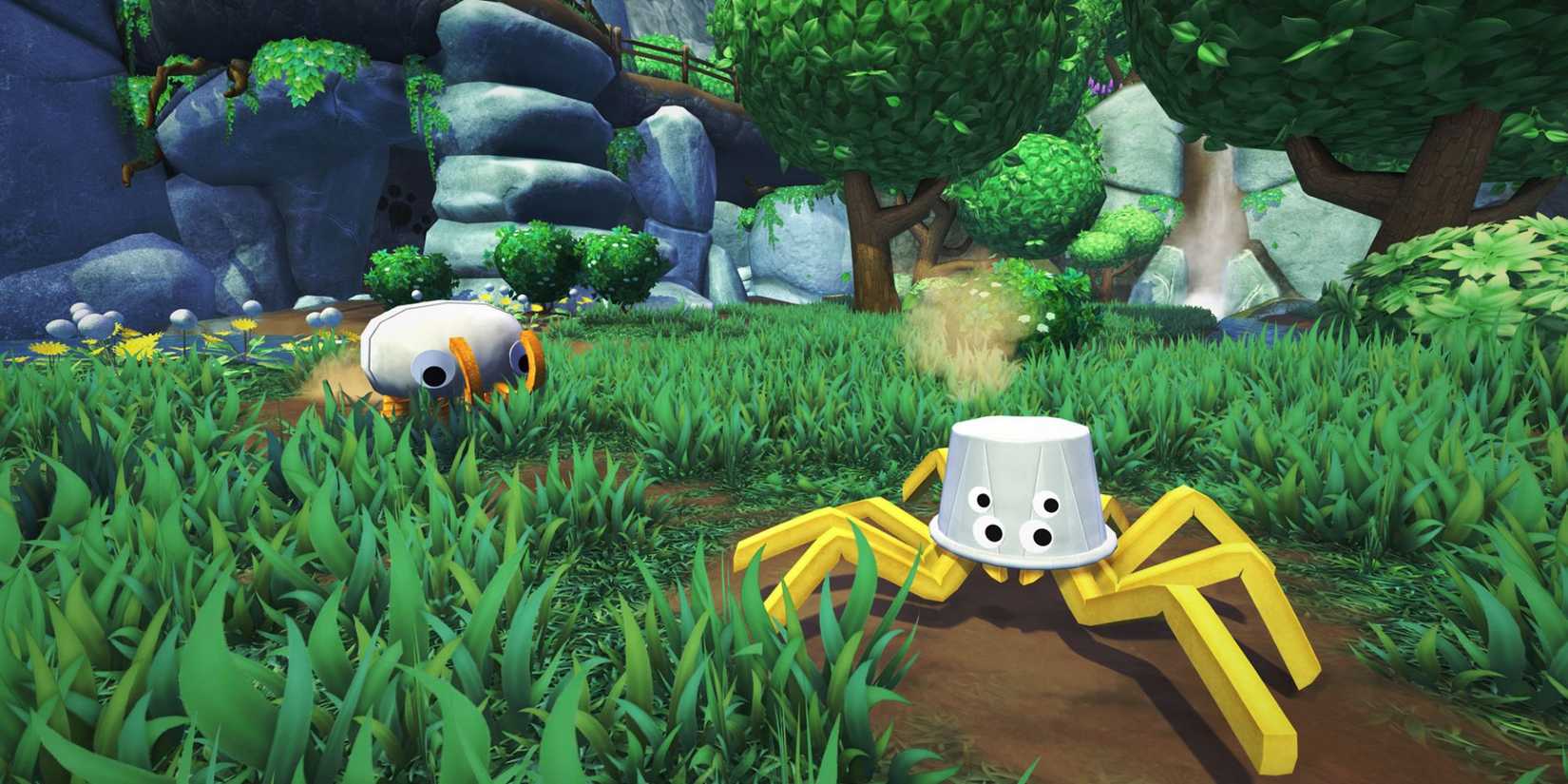
Bugsnax was marketed as a whimsical, colorful creature-collection game, leading many to dismiss it as a title strictly for younger audiences. This marketing strategy was a double-edged sword that ultimately undersold the game’s depth.
Official Insights:
Behind its vibrant exterior lies a surprisingly mature, dark, and even Lovecraftian narrative. Bugsnax tackles themes of depression, codependency, and the inherent selfishness of human relationships. Its finale is one of the most jarring and memorable in recent memory, proving that a "silly" premise can house a deeply philosophical and somber core.
4. Return of the Obra Dinn (2018)
A Masterpiece of Deductive Reasoning
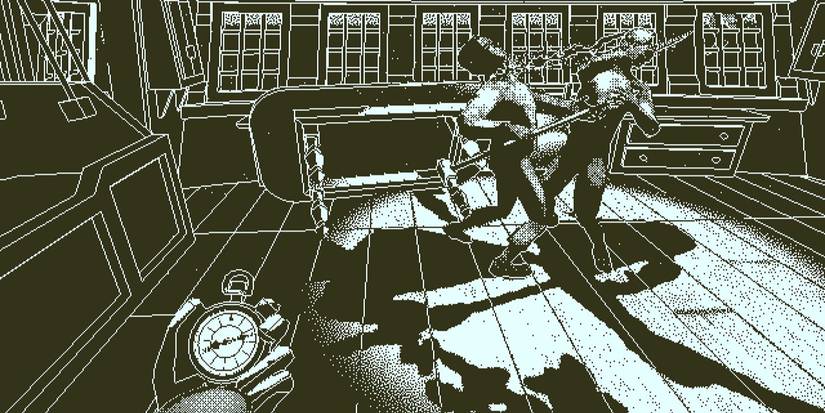
In an industry that often holds the player’s hand, Return of the Obra Dinn is a refreshing, albeit challenging, departure. As an insurance investigator in 1807, players must deduce the fates of 60 crew members aboard a ghost ship.
Implications:
The game’s visual style—a 1-bit monochromatic aesthetic—was a bold stylistic choice that initially limited its mainstream appeal. However, it is precisely this style that allows for its unique gameplay loop: using a magical watch to freeze time at the moment of death. It is an exercise in pure deduction, requiring the player to act as a detective rather than a warrior.
5. The Forgotten City (2021)
The Narrative Power of the Time Loop
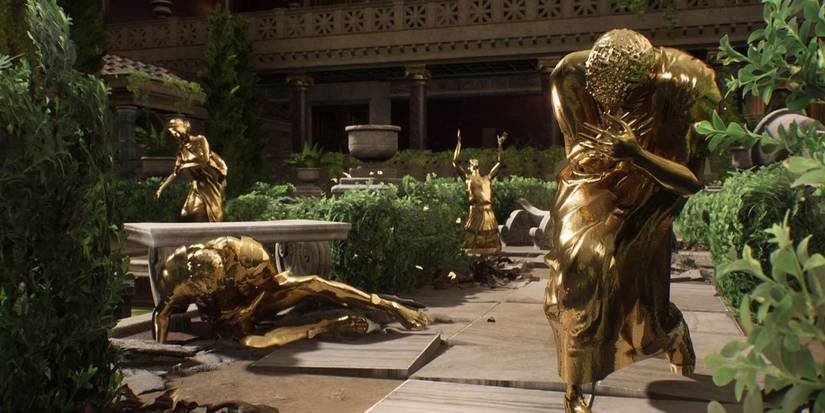
Originally born as a popular mod for Skyrim, The Forgotten City evolved into a standalone title that arguably surpasses many AAA RPGs in terms of writing quality.
Chronology and Core Loop:
Players are transported to an ancient Roman city governed by a single, brutal law: if one person commits a crime, everyone dies. Players must navigate a time-loop mechanic to uncover the secrets of the city. It avoids the traditional "combat-first" approach of the genre, instead favoring dialogue, moral dilemmas, and the patient piecing together of a complex historical mystery.
6. Mario + Rabbids: Kingdom Battle (2017)
An Unexpected Tactical Triumph
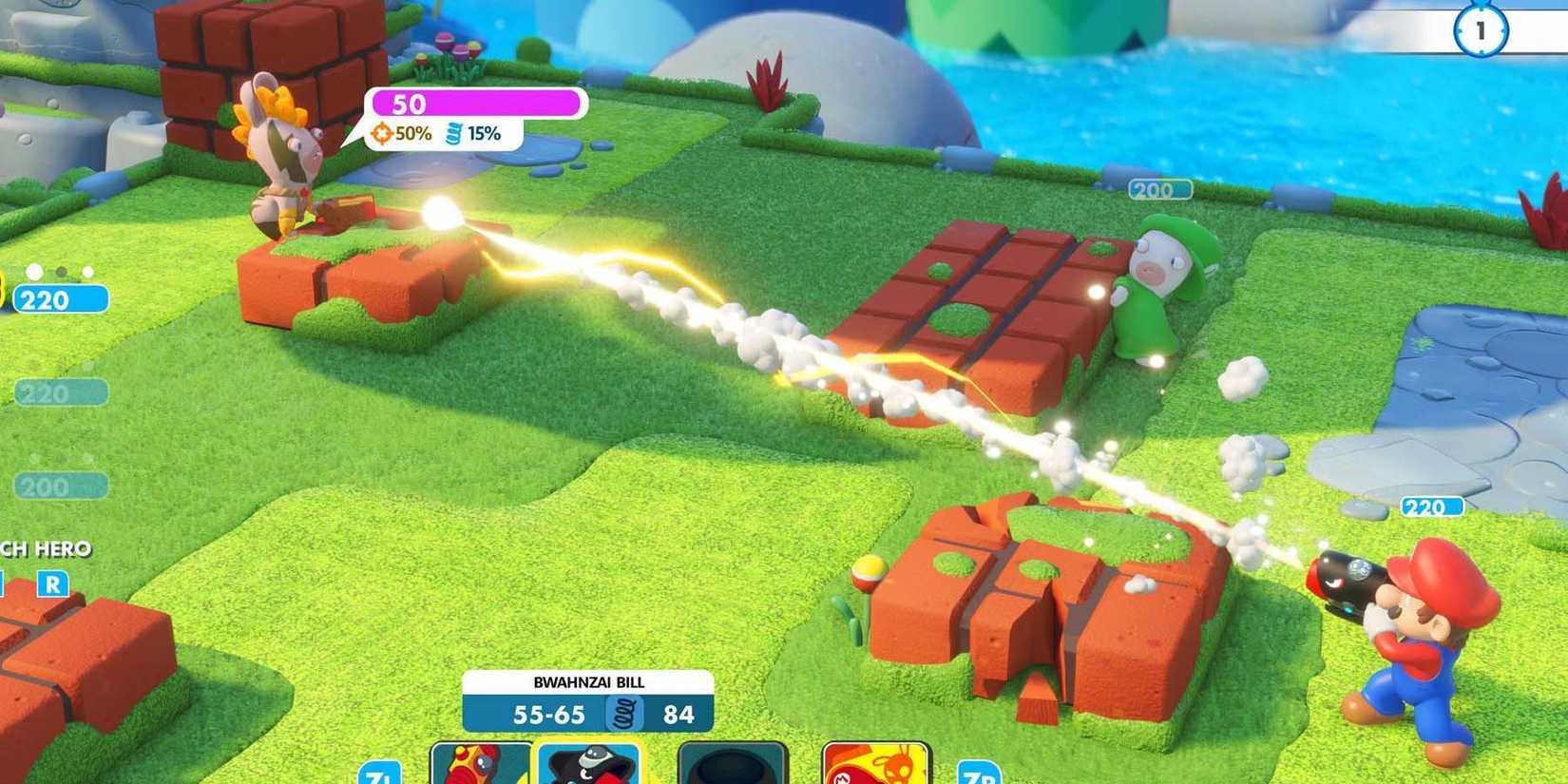
When Ubisoft first announced a crossover between Nintendo’s flagship icon and the chaotic Rabbids, the internet was skeptical. The resulting game, however, was nothing short of a revelation.
Supporting Data:
By combining the whimsical aesthetic of the Mushroom Kingdom with deep, turn-based tactical combat reminiscent of XCOM, Ubisoft created one of the most accessible yet challenging strategy games on the Switch. It is a testament to the idea that "low-stakes" crossovers can yield high-level design if handled with enough care and creativity.
7. Pillars of Eternity (2015)
Reviving the Isometric RPG
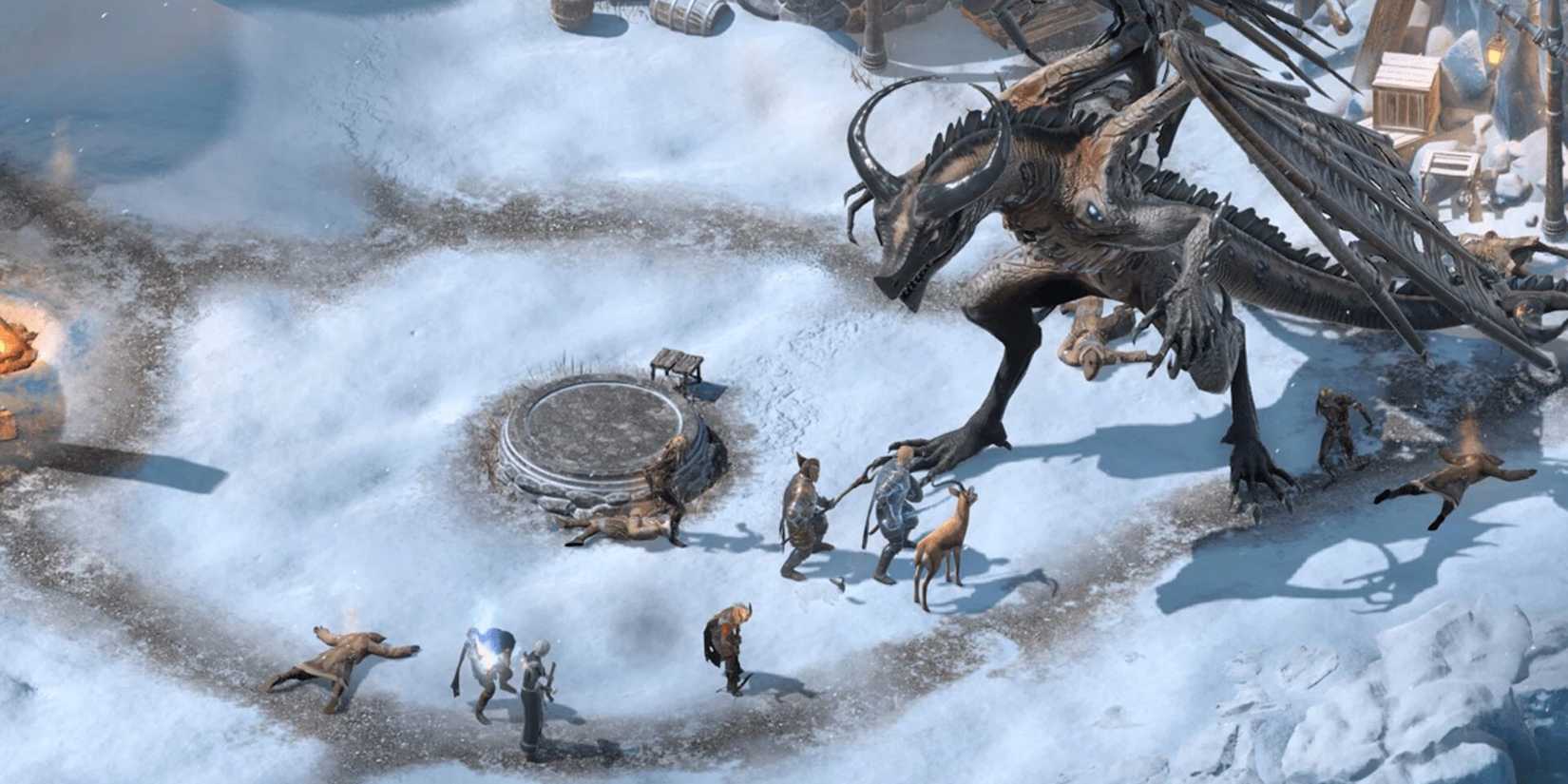
Pillars of Eternity arrived at a time when the classic CRPG (Computer Role-Playing Game) was thought to be a dead relic of the 90s. Obsidian Entertainment proved that the genre still had a massive, hungry audience.
Official Responses:
While it was a massive success on Kickstarter, it remains under-discussed in the context of modern fantasy gaming. Its "soul science" magic system and dark, philosophical approach to worldbuilding created an experience that was as intellectual as it was visceral. It set the stage for the current renaissance of isometric RPGs, yet it often remains the gold standard against which others are measured.
8. Vampyr (2018)
The Burden of Choice
Vampyr is a game that is often unfairly criticized for "clunky" combat, which causes many players to overlook its truly genius systems.
Implications:
The game’s "Citizen System" is its crowning achievement. Every NPC in the game has a name, a home, and relationships with other characters. If you choose to feed on them to grow stronger, you permanently alter the state of the city and its social structure. It is one of the few games that truly forces players to grapple with the moral weight of their actions, effectively making the player the architect of their own tragic outcome.
9. The Evil Within 2 (2017)
Survival Horror Perfected
The original Evil Within was plagued by technical issues and a convoluted story. Consequently, its sequel was ignored by many, which is a tragedy, as The Evil Within 2 fixed virtually every flaw of its predecessor.
Chronology and Design:
By introducing semi-open world environments, the game allowed for organic exploration and tension, breaking away from the linear corridors that define most survival horror. It successfully balanced resource management with an emotionally driven plot about a father searching for his daughter, resulting in a rare horror game that is as touching as it is terrifying.
10. Mad Max (2015)
The Wasteland’s Hidden Gem
Released on the same day as a major industry giant, Mad Max was doomed to be overlooked from day one. This is unfortunate, as it remains one of the most satisfying open-world action games ever produced.
Supporting Data:
The vehicle-to-vehicle combat in Mad Max is unrivaled. The sensation of speed, the crunch of metal, and the endless expanse of the wasteland are perfectly captured. Its melee combat, while clearly inspired by the Batman: Arkham series, feels weightier and more desperate, perfectly fitting the tone of the franchise. It is a pure, unadulterated example of how a licensed game, when given proper attention, can stand as a masterpiece in its own right.
Conclusion: Why We Need to Re-evaluate "Success"
The common thread linking these ten games is not that they are flawed, but that they dared to be something different in an industry increasingly obsessed with homogenized formulas. Whether it is the tactical risk of Mario + Rabbids, the philosophical weight of Vampyr, or the narrative genius of The Forgotten City, these titles remind us that the best gaming experiences often come from studios that prioritize vision over mass-market appeal.
For players, the lesson is clear: do not let a review score of 7 or a lack of social media buzz dictate your library. Some of the most rewarding hours of gameplay are hidden in the titles that the world simply forgot to pay attention to. It is time we give these masterpieces the credit they deserve.
