
Unearthing the Sci-Fi Channel’s Lost Gem: Why the 2007 Flash Gordon Series Deserves a Second Look
In the early 2000s, television was undergoing a quiet revolution. Networks were experimenting with serialized storytelling, gritty reboots, and high-concept premises that blurred the lines between the mundane and the fantastical. Yet, amidst a graveyard of one-and-done series that came and went without a whisper, one ambitious television program stands out as a fascinating relic of miscalculated ambition and ultimate redemption: the Sci-Fi Channel’s (now Syfy) maligned 2007 live-action adaptation of Flash Gordon.
Often dismissed upon its release as a cheap, poorly conceived misfire, the Eric Johnson-led reboot has increasingly become recognized by cult enthusiasts as one of the most profoundly misunderstood science fiction shows of the decade. Though it stumbled badly out of the gate, forcing its way through a grueling first act, those who persevered discovered a series that eventually found its voice, embraced its pulpy space opera roots, and delivered a surprisingly satisfying, if truncated, narrative arc.
Main Facts: The Anatomy of a Forgotten Reboot
Developed by Peter Hume as a contemporary, ground-level take on the legendary newspaper comic strip character created by Alex Raymond in 1934, the 2007 series—frequently retroactively retitled Flash Gordon: A Modern Space Opera—premiered with massive expectations. Just a few years earlier, the network had achieved critical and commercial gold with its gritty, acclaimed reimagining of Battlestar Galactica. Naturally, science fiction fans and lovers of classic pulp expected lightning to strike twice.
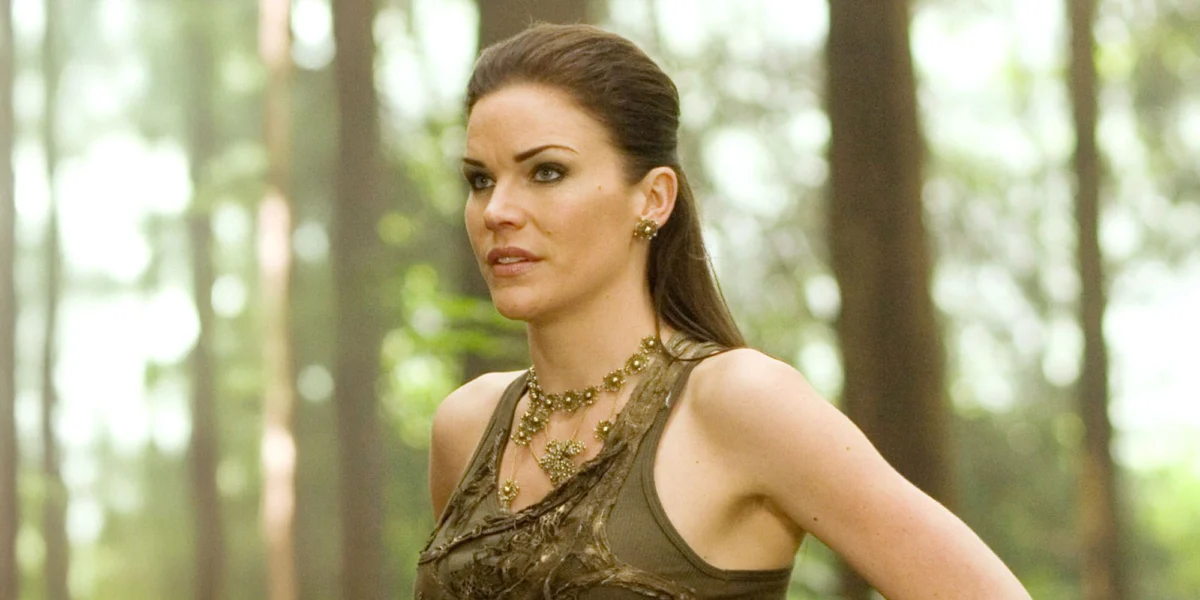
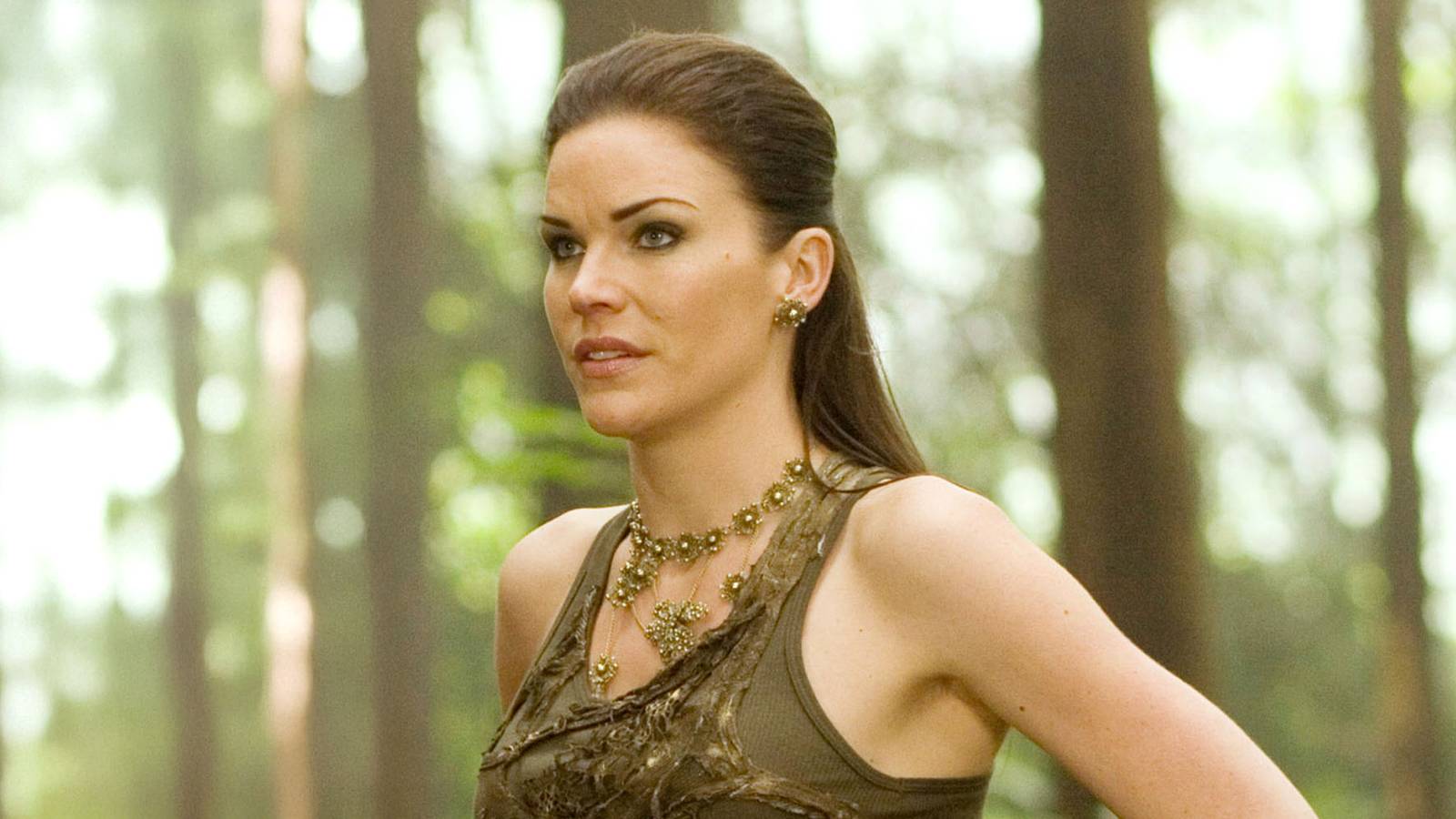
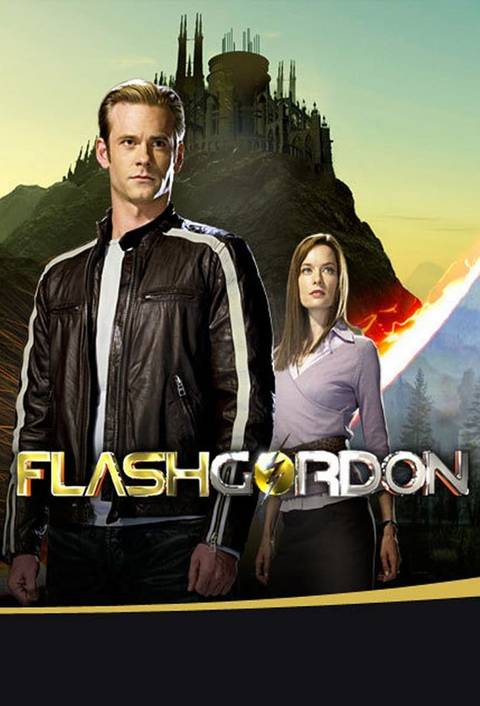
The series cast former Smallville star Eric Johnson as Steven "Flash" Gordon, a modern-day hero coping with the childhood trauma of losing his father in a fire. Alongside Johnson, the series featured Gina Holden as his ex-girlfriend and enduring romantic interest Dale Arden, Jody Racicot as the eccentric genius Dr. Hans Zarkov, Karen Cliche as the lethal alien ex-assassin Baylin, and John Ralston as the cosmic dictator Ming the Merciless.
Unlike the campy, flamboyant 1980 feature film or the rapid-fire black-and-white movie serials of the 1930s, the 2007 iteration attempted to modernize the space opera by grounding it in a small-town Earth reality. Interdimensional rifts connected suburban Kendall to the vibrant, politically unstable alien planet of Mongo. However, this hybrid approach—clashing domestic drama with cosmic space opera—created an identity crisis that nearly tanked the production before it could find its footing.
Chronology: A Painful Birth and a Late Blooming
The primary tragedy of Flash Gordon lies in its inverse trajectory of quality: by the time the series actually figured out what it wanted to be, the audience had long since turned the channel.
The Rough Start: Earthbound Mundanity
During the first half of its single-season run, the show suffered from a profoundly weak pilot episode—an issue not remedied by its extended cut—and a subsequent batch of episodes that relied too heavily on pedestrian plotlines. To make Flash "relatable" to mainstream television audiences, the writers bogged down the narrative with real-world relationship drama. Flash was caught in an awkward love triangle involving Dale and her fiancé, Detective Joe Wylee (Giles Panton), while dealing with his skeptical mother, Norah (Jill Teed), and his quippy best friend, Nick (Panou).
Meanwhile, alien threats trickled through dimensional tears into small-town America, and Flash intermittently hopped over to Mongo in search of his father, Dr. Lawrence Gordon (Bruce Dawson), who was revealed to be alive. Unfortunately, clunky dialogue, uneven editing, and a constrained television budget made these early earthbound episodes a slog, alienating longtime fans who wanted high-stakes interstellar adventure rather than localized soap-opera theatrics.

The Course Correction: Embracing the Space Opera
Crucially, about ten episodes in, the series began a remarkable course correction. While the two-part episodes "Alliances" and "Revelations"—which featured a nostalgic nod by casting original 1980 Flash Gordon star Sam J. Jones as the alien Kreb—showed promise, it was not until "Conspiracy Theory" and "Random Access" that the show truly ignited.
The narrative gradually shed its heavy reliance on earthly subplots. The intricate politics of Mongo came to the forefront, exploring the frustrations of Ming’s rebellious daughter, Princess Aura (Anna Van Hooft), and forging alliances with planetary factions like the Verdan, led by Barin (Steve Bacic), and the Dactyls, led by Vultan (Ty Olsson). By minimizing the domestic drama and maximizing world-building, the series finally transformed into the proper space opera it was always meant to be.
Supporting Data: Production and Streaming Availability
Despite its rough beginnings, the production values, scripting, and performances noticeably sharpened as the season progressed. By the time the finale rolled around, Eric Johnson’s Flash had firmly evolved into a charismatic rebel leader helping unite the cantons against a clean-shaven, ruthlessly calculating Ming.
For modern viewers wishing to evaluate the series with fresh eyes, Flash Gordon is readily accessible for streaming on platforms such as Peacock and Pluto TV.

Key Series Metadata:
- Release Window: 2007 – 2008
- Network: Syfy (Sci-Fi Channel)
- Key Directors: Paul Shapiro, T.J. Scott, Neill Fearnley, Rick Rosenthal
- Key Writers: Peter Hume, Sheryl J. Anderson, Derick Martini, James Thorpe, Scott Murphy, Steven Martini
- Core Cast: Eric Johnson, Gina Holden, Jody Racicot, Karen Cliche, John Ralston, Anna Van Hooft
Official Responses and Industry Context
At the time of its airing, network executives and critics were caught in a shifting television landscape. Shows like Smallville and Merlin had established a template for modernizing classic heroes by focusing heavily on their formative, pre-destiny years on Earth. The Sci-Fi Channel attempted to apply this exact playbook to Flash Gordon, believing that casual viewers needed familiar touchstones—such as hometown dynamics and love triangles—to latch onto before diving into complex sci-fi lore.
However, audience metrics and critical reception proved that this strategy backfired. Viewers tuned in expecting the high-flying, campy cosmic spectacle associated with the brand, only to find themselves wading through domestic disputes in rural America. By the time the network allowed the creators to pivot toward pure, unadulterated space opera, viewer fatigue had already set in, resulting in plummeting ratings that sealed the show’s fate after a single 22-episode season.
Implications: A Lesson in Cult Longevity
The cancellation of Flash Gordon after just one season serves as a cautionary tale for genre television: the importance of nailing the premise from minute one. In an era before streaming allowed for binge-watching and slow-burn audience retention, a weak pilot and a sluggish first act were often fatal wounds.
Yet, looking back from the vantage point of modern television, Flash Gordon holds a unique place in sci-fi history. It represents an era when cable networks were willing to take massive narrative swings on classic intellectual properties, even if those swings occasionally missed their mark.
For contemporary fans of retro sci-fi, the series offers a rewarding viewing experience—provided one has the patience to push past the bumpy early episodes. While it may never achieve the cultural footprint of Star Wars, Stargate, or Dune, the 2007 Flash Gordon stands as a testament to missed potential that, against all odds, managed to stick its landing before the curtain fell for good.
