
From Campfire Legend to Biological Experiment: Deconstructing the ‘Crystal Lake’ Jason Voorhees Controversy
The Friday the 13th franchise, a bedrock of the slasher subgenre, has spent nearly half a century cultivating the legend of Jason Voorhees. For decades, audiences have accepted the hulking, machete-wielding behemoth as a supernatural force—a revenant born from grief, vengeance, and, depending on the sequel, demonic influence or lightning-induced resurrection. However, the new Peacock prequel series, Crystal Lake, has shattered that long-standing mythos with a revelation that has sent shockwaves through the horror community: the assertion that Jason’s resilience is not supernatural, but the result of corporate-sponsored genetic modification involving cockroach DNA.
As the series continues to air, showrunner Brad Caleb Kane has stepped into the fray to defend this polarizing creative choice. In doing so, he has ignited a fierce debate regarding the boundaries of legacy horror and the risks of modernizing iconic villains.
A Legacy Redefined: The Core Facts of the Reveal
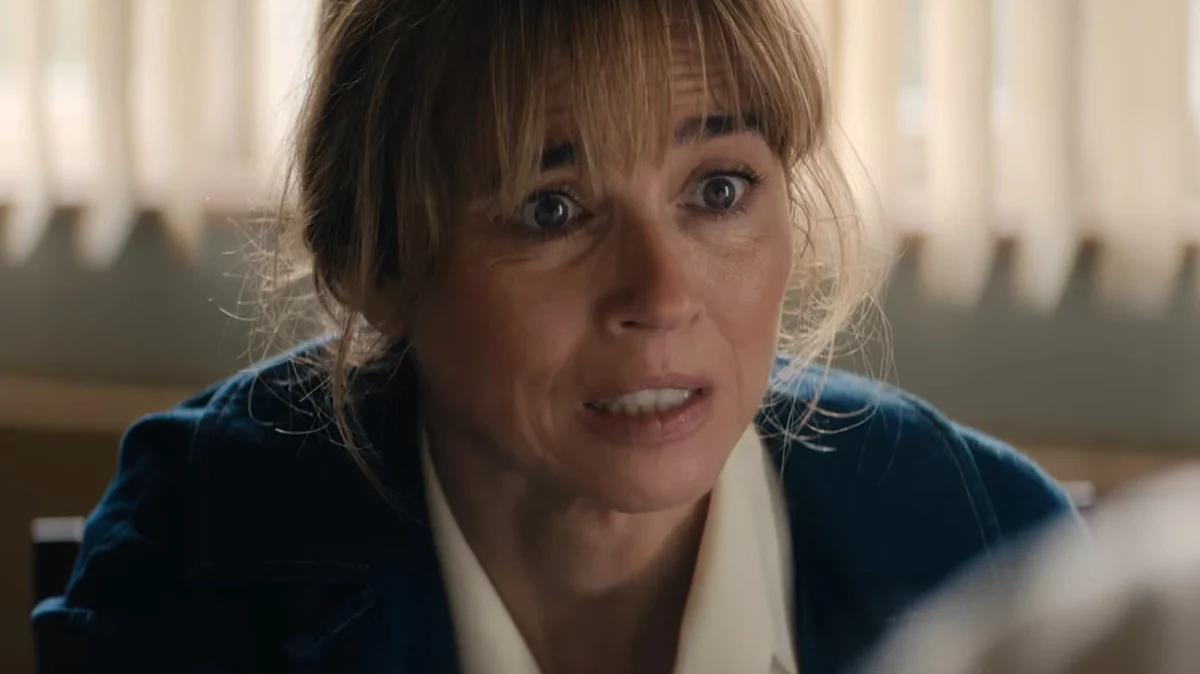
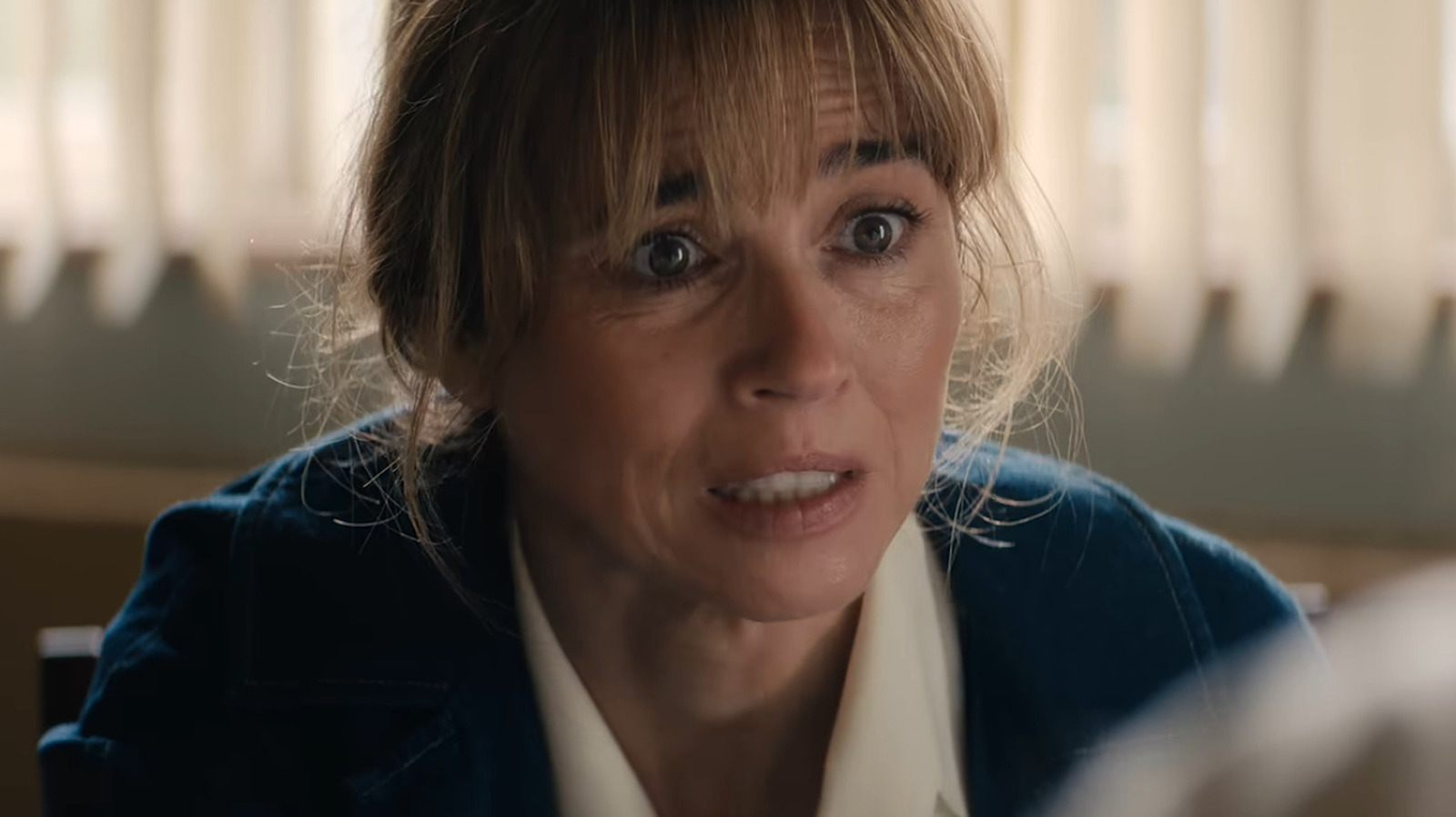
The Crystal Lake series, which serves as an origin story for both Pamela Voorhees (portrayed by Linda Cardellini) and her son, Jason, occupies a precarious space in the franchise’s timeline. The show’s narrative arc hinges on the introduction of Elias Voorhees, Jason’s father, played by Hamish Linklater.
As the plot unfolds, it is revealed that Elias is an operative for a clandestine corporation known as Bellflower. The corporation’s primary objective, according to the series’ internal logic, is not the pursuit of magical artifacts or ancient curses, but rather the advancement of human survival capabilities in the face of a looming, catastrophic nuclear threat. To achieve this, the company allegedly infused the young, drowning Jason with genetic material derived from cockroaches—a species notoriously resilient to radiation and environmental collapse.
This revelation serves as the "origin" for the character’s signature near-invulnerability. By moving the source of Jason’s strength from the realm of the occult to the realm of speculative bio-engineering, Crystal Lake has fundamentally altered the character’s taxonomy. He is no longer a ghost of the lake, but a lab-grown experiment—a human-cockroach hybrid.
Chronology of a Creative Pivot
The journey to this specific narrative point has been anything but straightforward. The production of Crystal Lake has been marked by significant internal turbulence, most notably the departure of original showrunner Bryan Fuller in May 2024.
Fuller, known for his work on the visually opulent and psychologically complex Hannibal, was initially expected to steer the series in a direction that might have leaned more heavily into the gothic or supernatural atmosphere fans of the original Friday the 13th films associate with the franchise. When Fuller exited the project, the creative vision was handed to Brad Caleb Kane.
Under Kane’s guidance, the production moved away from the perceived mystery of the "Fuller era" and toward a more grounded, albeit controversial, sci-fi-adjacent approach. By choosing to demystify Jason’s origins, the production team made a deliberate choice to modernize the character for a contemporary audience that, according to industry trends, often demands "hard science" explanations for phenomena that were previously left to the imagination.
Examining the Rationale: The Official Stance
In an exclusive interview with Dread Central, showrunner Brad Caleb Kane addressed the backlash head-on. Kane posits that the shift toward corporate-driven genetic modification is not a departure from the "real" world, but rather a reflection of the current sociopolitical landscape.
"It’s important to understand that it’s not science fiction. It’s science fact," Kane stated, defending the narrative pivot. "In this case, this isn’t the government doing all this. It’s corporations. It’s companies that work to extract pharmaceutical gains and all that kind of stuff… I just applied it to the Jason Voorhees origin story. It seemed like a very natural place to go with this."
Kane’s argument is rooted in a desire to ground the Friday the 13th lore in a reality that feels tangible. By framing the horror through the lens of corporate greed and unethical scientific experimentation, he aims to replace the "magic" of the original films with the "monstrosity" of the industrial-military complex. For Kane, this is not just a plot device; it is a commentary on the terrifying power that modern conglomerates wield over human life.
The Weight of Expectation: Fan Reaction and the "Revenant" Debate
The reaction from the horror community has been, predictably, intense. The Friday the 13th fan base is one of the most dedicated in cinema history, having spent decades dissecting every iteration of the masked killer. For many, the supernatural "revenant" status of Jason—the idea that he is a force of nature that defies the laws of physics—is what makes him an icon.
Kane is acutely aware of the risk he has taken. "I know that some fans will have their machetes out because they like Jason to be a revenant, mysterious, and supernatural," he admitted. However, he remains steadfast in his defense, arguing that his decision is arguably more restrained than some of the franchise’s previous, more outlandish directions.
"I didn’t send him to Hell. I didn’t send him to space. I didn’t put him up against Carrie White," Kane noted, referring to the infamous Jason Goes to Hell: The Final Friday, the futuristic Jason X, and the psychic showdown in The New Blood. By framing his "cockroach" explanation as a "more grounded swing," Kane invites the audience to consider that, while his twist is bizarre, it is not the most outlandish turn the franchise has ever taken.
Implications for the Future of the Franchise
The implications of this twist extend far beyond a single season of television. By canonizing a scientific origin for Jason Voorhees, Crystal Lake has created a schism in the franchise’s history.
1. The Death of Ambiguity
Horror, at its best, thrives on the unexplained. By providing a definitive, scientific "why" for Jason’s durability, the writers have effectively stripped away the mythic aura of the character. This raises the question: Does a slasher icon lose his power when we understand his biology?
2. The Influence of Modern Prestige TV
The decision to pivot toward a corporate-horror conspiracy suggests that the producers are attempting to align Friday the 13th with the tone of modern "prestige" television, which often prioritizes character psychology and systemic critique over the simple thrills of the slasher genre.
3. The Risk of Alienation
While the show seeks to bring in new viewers who appreciate high-concept sci-fi, there is a tangible risk that the core audience will feel alienated. If the fundamental nature of the monster changes, the emotional resonance of the original films—which were built on the idea of an unstoppable, cursed killer—risks being undermined.
Conclusion: A Bold, If Divisive, Choice
Whether one views the "cockroach" twist as a stroke of innovative genius or a betrayal of the franchise’s roots, it is undeniable that Crystal Lake has succeeded in sparking a conversation. Brad Caleb Kane has refused to play it safe, opting to steer the Friday the 13th legacy into uncharted territory.
As the series continues to stream on Peacock, the debate will likely persist. Does this new origin story enhance the character, or does it merely clutter the legend with unnecessary exposition? Ultimately, history will decide whether the "cockroach" twist becomes a footnote in horror history or a pivotal moment that redefined an icon. For now, one thing remains clear: Jason Voorhees is no longer the silent, supernatural enigma he once was. He is a product of our fears—not of the supernatural, but of the corporate laboratory.
