
Unearthing the Truth: Why FX’s ‘The Lowdown’ Is Redefining the Modern Crime Thriller
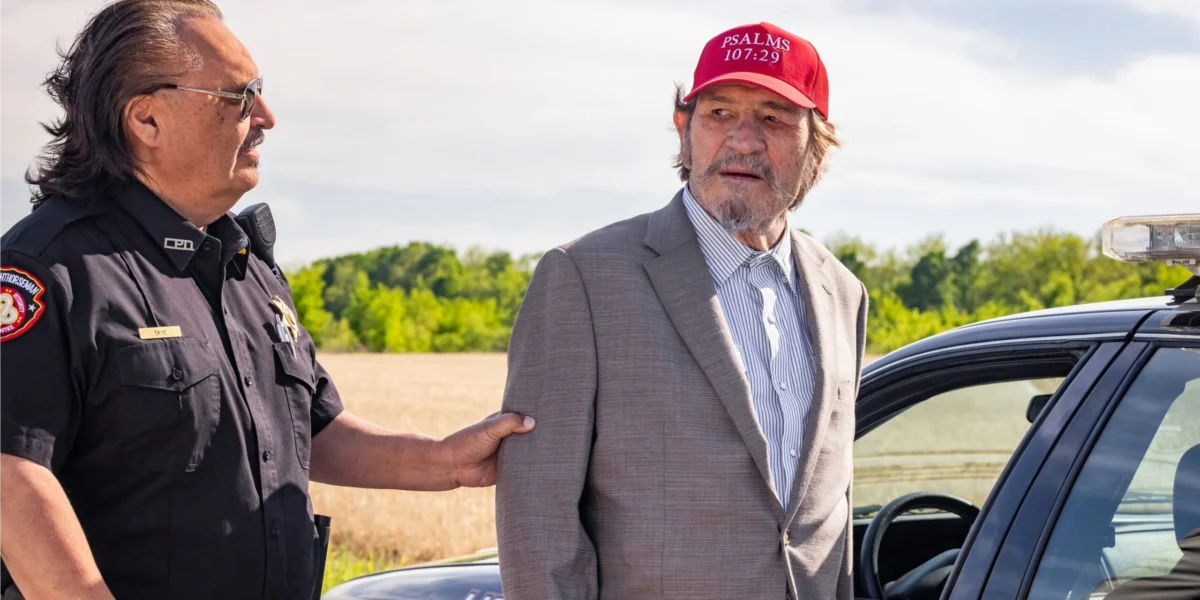
In the evolving landscape of 21st-century television, the season-long crime mystery has become a prestige staple. From the fog-drenched forests of David Lynch’s Twin Peaks to the gritty, character-driven intimacy of Mare of Easttown, the genre has long served as a magnifying glass for the American psyche. Yet, few shows have managed to capture the specific, sun-drenched, and morally complex atmosphere of the current decade quite like FX’s The Lowdown.
Set against the sprawling, deceptive backdrop of Tulsa, Oklahoma, The Lowdown follows Lee Raybon (portrayed with magnetic, disheveled charisma by Ethan Hawke), an eccentric "truthstorian" whose journalistic obsession mirrors the relentless drive of a classic hardboiled detective. As the series moves into its highly anticipated second season, it has solidified its position as a modern classic, blending the irreverence of a black comedy with the high-stakes tension of a neo-noir thriller.
The Genesis of a Modern Noir: The Premise and Players
At its core, The Lowdown is a meditation on the cost of integrity in an environment rife with institutional corruption. Lee Raybon is not your typical protagonist; he is a man of local infamy, a rare book dealer by day and a truth-seeking provocateur by night. His life is defined by his "righteous heart"—a trait that frequently puts him at odds with the powerful, entrenched interests of Tulsa.
The narrative engine of the first season was ignited by the mysterious death of wealthy local figure Dale Washberg (Tim Blake Nelson). As Lee began to peel back the layers of the Washberg family’s influence—specifically their aspirations for the Oklahoma governorship—he found himself entangled in a web that included white supremacist gangs, illicit real estate schemes, and deep-seated political rot.
The show’s success relies heavily on its ensemble cast, which serves as a masterclass in character acting. Keith David’s turn as Marty provides a grounding force, while Kyle MacLachlan’s performance as Donald Washberg offers a chilling, calculated antagonist. Perhaps most compelling is the dynamic between Lee and his former best friend, Wendell, played with sharp, weary nuance by Peter Dinklage. These performances elevate the script, grounding the show’s more frantic, "shaggy-dog" moments in a palpable sense of human reality.
A Chronology of Conspiracy: From Tulsa to the State House
The trajectory of The Lowdown is defined by a slow-burn escalation that demands viewer patience and rewards it with meticulous payoffs.
- The Catalyst: The premiere episode established the tone, showing Lee being kidnapped by a neo-Nazi duo—a harrowing reminder that his investigative work carries genuine physical danger.
- The Investigation: As Lee dug deeper, the clues left behind by the late Dale Washberg, tucked away within a collection of Jim Thompson novels, served as the series’ breadcrumbs. These literary nods underscore Sterlin Harjo’s intent: The Lowdown is not just a show about crime; it is an homage to the history of southwestern pulp fiction.
- The Climax: The first season’s resolution of the Washberg mystery was not merely a tidy wrap-up of a murder case, but a broader indictment of the power structures at play in Oklahoma.
- The Season 2 Pivot: With the primary mystery resolved, the show has shifted its focus toward a more personal, novelistic exploration of Lee’s heritage. The arrival of Lee Raybon, Sr., portrayed by the legendary Tommy Lee Jones, marks a seismic shift in the series’ narrative priorities, turning the lens toward family trauma and the weight of legacy.
The "Truthstorian" Aesthetic: Visual and Narrative Style
Sterlin Harjo, the creative force behind the critical darling Reservation Dogs, brings a distinct sensibility to The Lowdown. Unlike the desaturated blues and grays that characterized the noir hits of the 2010s, The Lowdown embraces the golden, harsh light of the Oklahoma plains. This visual choice emphasizes the heat—both literal and metaphorical—that Lee Raybon works under.
The show operates with an epic sense of scale, yet it remains anchored in the minutiae of Lee’s life. He is a man who cannot pay his rent, yet he spends his nights risking his life to expose truths that no one else wants to hear. This juxtaposition of the mundane (bills, bookstores, broken friendships) and the extraordinary (political conspiracies, violent gangs) creates a rhythm that feels uniquely American. It is a world where money is the lifeblood of every transaction, and where the "truth" is often the most expensive commodity of all.

Supporting Data: Why ‘The Lowdown’ Resonates
In an era of "content bloat," The Lowdown has managed to maintain critical and audience interest by adhering to a specific brand of storytelling:
- Genre Hybridity: By mixing the cynical humor of Inherent Vice with the moral weight of Chinatown, the show avoids the traps of genre monotony.
- Character Depth: Critics have frequently compared Hawke’s portrayal of Lee Raybon to Dominic West’s Jimmy McNulty in The Wire. Both characters share a self-destructive streak and a compulsive need to challenge systems that are far larger than themselves.
- Regional Specificity: Much like its predecessor Reservation Dogs, The Lowdown utilizes its setting not just as a backdrop, but as a living character. Tulsa is rendered with a level of detail that feels lived-in and authentic, far removed from the sanitized versions of the American heartland seen in other procedurals.
Official Perspectives: The Creator’s Vision
Sterlin Harjo has been vocal about his desire to move beyond the traditional tropes of the "detective show." In various press junkets, Harjo has described The Lowdown as a "modern myth of the plains." He emphasizes that Lee Raybon is not a hero in the traditional sense—he is a man who screws up, who is often lost, and whose brilliance is frequently eclipsed by his own stubbornness.
FX’s backing of the project signals a continued commitment to auteur-driven television. By allowing Harjo the creative freedom to explore the "forgotten corners" of film history and local politics, FX has cultivated an environment where a show as idiosyncratic as The Lowdown can flourish.
Implications for the Future of Crime TV
The success of The Lowdown suggests a shift in the landscape of crime television. Audiences are moving away from the "puzzle-box" mystery—where the goal is simply to find out who pulled the trigger—and toward character-centric dramas where the mystery is a vehicle for social and personal examination.
As the show enters its second season, the implications for the genre are significant:
- The "Novelistic" Shift: By expanding its scope to include the history of the Raybon family, the series proves that crime shows can sustain momentum beyond the resolution of a single case.
- The Return of the "Anti-Detective": Lee Raybon represents a move toward more fallible, human protagonists. He is a man who doesn’t have all the answers and who is often barely keeping his head above water.
- The Importance of Localized Storytelling: The Lowdown reinforces the idea that specific, regional stories can have universal appeal if the thematic core—corruption, truth, and the desire for justice—is strong enough.
Conclusion: A Modern Classic
As Lee Raybon continues his journey, accompanied now by the formidable presence of Tommy Lee Jones, The Lowdown stands as a testament to the power of well-crafted, character-driven storytelling. It is a show that is as comfortable in the mud of a fistfight as it is in the quiet, reflective moments of a bookstore at closing time.
For viewers seeking a crime thriller that refuses to take the easy path, The Lowdown offers an essential, gripping experience. It is a rare show that manages to be both a sprawling epic and a deeply intimate portrait of a man trying to do the right thing in a world that rarely rewards it. With its sharp writing, stellar cast, and unflinching look at the complexities of the American experience, The Lowdown has firmly established itself as a cornerstone of modern television. Whether you are a fan of classic noir or simply looking for the next great character study, the truth—as Lee Raybon might say—is waiting in the details.
