DreamWorks’ Forgotten Island: How a Late Anime Legend Inspired the Emotional Climax of the Sci-Fi Hit
Main Facts
DreamWorksAnimation’s latest cinematic triumph, ForgottenIsland, has firmly cemented its place as one of the standout films of 2026. Hailed by critics and featured prominently on lists of the best science fiction and overall films of the year, the movie was written and directed by Januel Mercado and Joel Crawford—the creative duo previously acclaimed for Puss in Boots: The Last Wish.
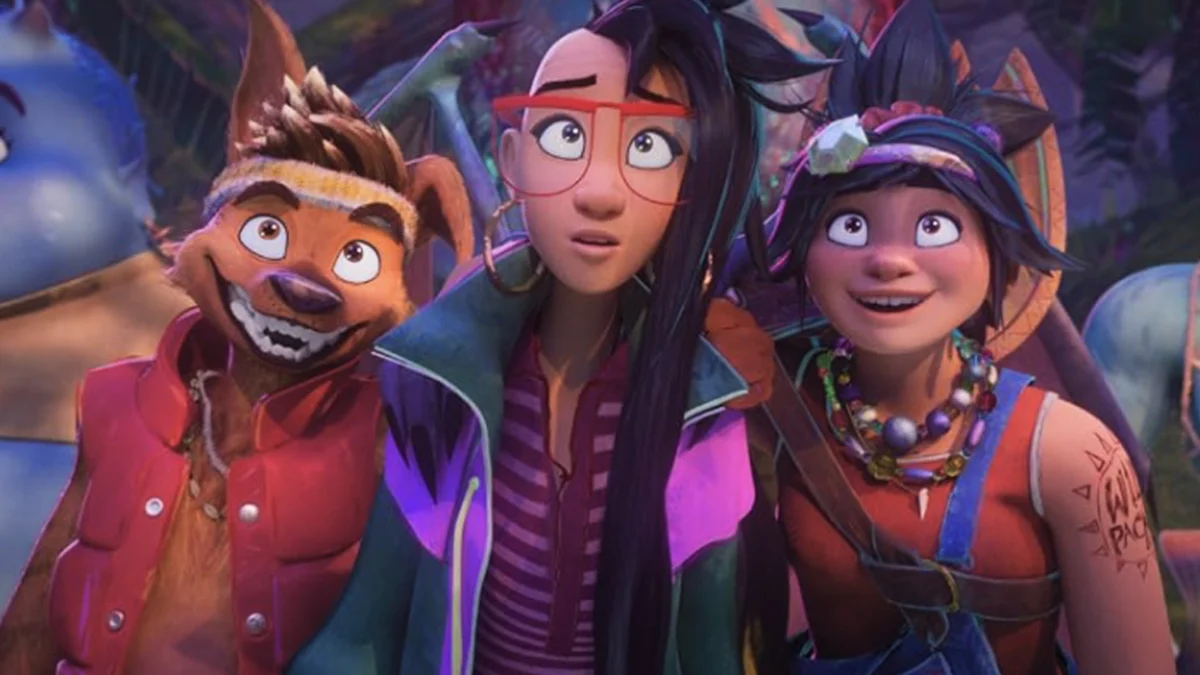
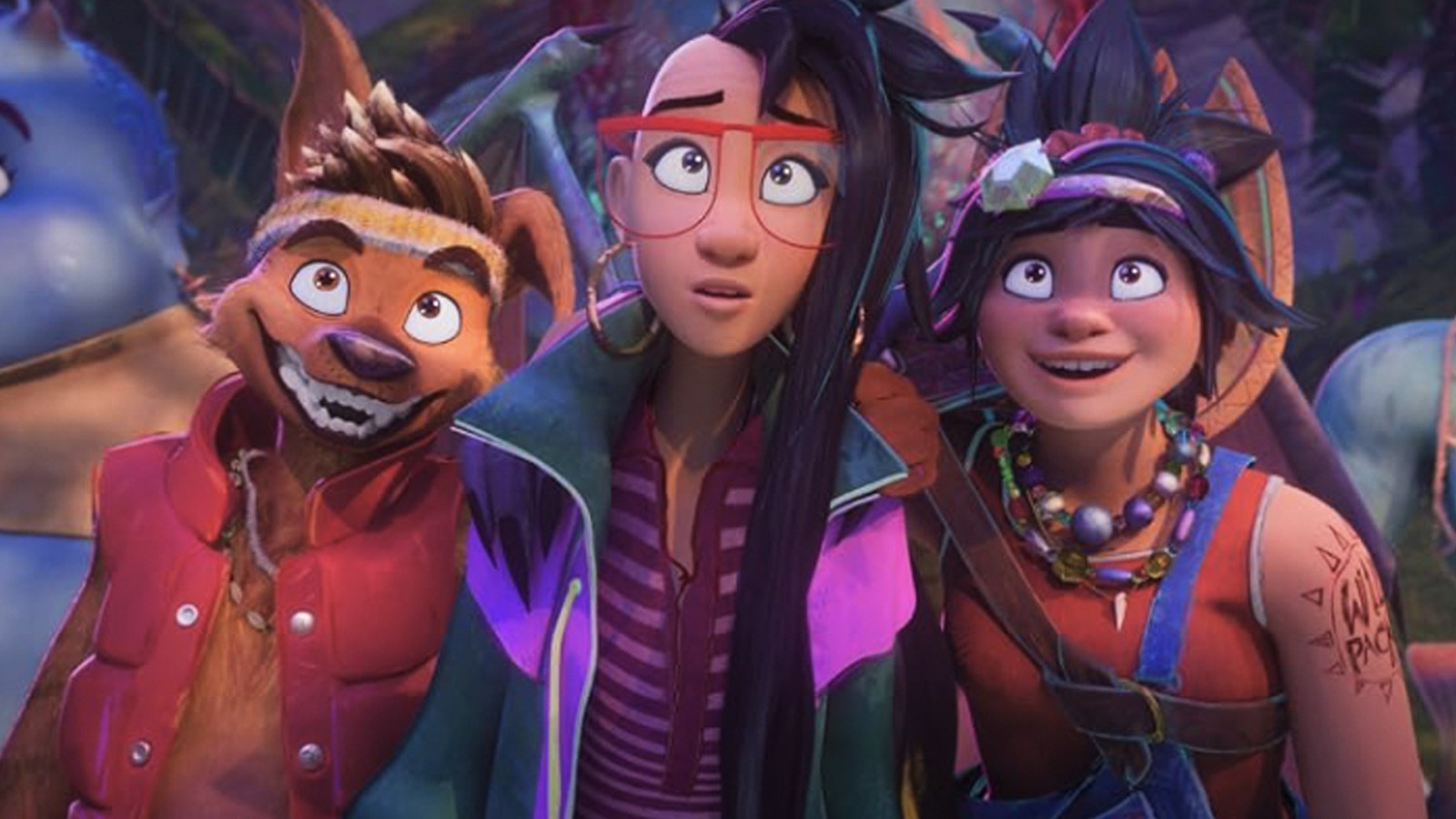
At the center of Forgotten Island is a deeply poignant narrative about memory, sacrifice, and the enduring power of friendship. The film follows best friends Raissa (voiced by Liza Soberano) and Jo (voiced by H.E.R.), who wake up stranded on the mysterious and surreal island of Nakali. To make matters worse, both characters are suffering from a temporary 24-hour amnesia. As they desperately retrace their steps to uncover the events of the previous night and find a way home, the plot builds toward a devastating climax.
In a heartbreaking twist, Jo offers a mysterious entity the ultimate payment to secure Raissa’s safe return: her own memories of the pair’s decades-long friendship. As those memories begin to violently disintegrate, Raissa races frantically through a shifting "memoryscape" to salvage their shared history before her best friend is erased from her mind forever.
In exclusive interviews surrounding the film’s release, co-directors Mercado and Crawford revealed that this emotionally charged sequence draws inspiration from unexpected places, most notably the visionary editing and visual storytelling techniques of the late, legendary Japanese anime director Satoshi Kon.
Chronology: From Concept to Screen
The development of Forgotten Island followed a meticulous path of world-building and emotional calibration. Following the massive critical and commercial success of Puss in Boots: The Last Wish, Mercado and Crawford were given the creative latitude to craft an ambitious, original sci-fi feature under the DreamWorks banner.
Conception and Writing: The directors sought to blend high-concept science fiction with a deeply grounded emotional core. They developed the concept of the island of Nakali—a liminal space that challenges identity and memory.
Casting and Character Development: The casting of Liza Soberano as Raissa and H.E.R. as Jo brought a fresh, dynamic vocal chemistry to the project, grounding the high-stakes sci-fi premise in authentic interpersonal warmth.
Drafting the Climax: As the narrative took shape, the creative team focused heavily on the third-act confrontation. They needed a sequence that could visually manifest the abstract, terrifying concept of a lifetime of memories dissolving in real-time.
Cinematic Influences: During production, the directors looked to various cinematic touchstones. While Crawford cited mainstream comedies and psychological dramas like The Hangover and Eternal Sunshine of the Spotless Mind, the true structural and stylistic blueprint for the memory-run sequence came from the revolutionary editing style of Satoshi Kon.
Release and Critical Reception:Forgotten Island opened in theaters to widespread critical acclaim, quickly earning a reputation as a modern animated masterpiece and a defining sci-fi entry of 2026.
Supporting Data and Production Insights
The artistic ambition behind Forgotten Island places it in rare company within mainstream American animation, which frequently leans toward formulaic storytelling. Instead, DreamWorks embraced a bolder, more experimental aesthetic for key sequences.
The Voice Cast: Headlined by rising star Liza Soberano and Grammy-winning artist H.E.R., the vocal performances provide the raw emotional anchor required to sell the high-concept premise.
Critical Accolades: The film has secured top-tier placement on major cinematic rankings, earning praise as both one of the Best Sci-Fi Movies of 2026 and one of the Best Movies of 2026 overall, crossing genre boundaries.
The Satoshi Kon Connection: Satoshi Kon’s brief yet monumental career comprised only four feature films before his untimely death in 2010 at age 47:
Perfect Blue (1997)
Millennium Actress (2001)
Tokyo Godfathers (2003)
Paprika (2006)
Visual Continuity: Despite Forgotten Island possessing a distinct tonal spectrum—avoiding the dark psychological thrillers typical of Kon’s filmography—the blocking and spatial disorientation of Raissa sprinting through her fading memories directly mirror Kon’s mastery of match-cuts and fluid space-time transitions.
Official Responses and Creator Commentary
Speaking in an exclusive interview ahead of the film’s release (with the full conversation featured on the Film Weekly podcast), co-directors Januel Mercado and Joel Crawford opened up about the immense pressure and creative joy of constructing the film’s emotional centerpiece.
"The memoryscape and running through it was something that we knew would be this visual tour de force that was cool to see, but also very, very emotional," Mercado explained, detailing the delicate balance between technical wizardry and heartfelt storytelling.
When discussing the specific cinematic lineage of the scene, Crawford acknowledged diverse influences, but the conversation quickly gravitated toward the legacy of Satoshi Kon. Mercado enthusiastically expanded on how Kon’s distinct language of film editing informed their approach:
"I’m glad you brought up Satoshi Kon, because the editing, his visual storytelling, is very trippy where he’s using cutting and movements to discombobulate the viewer, but you’re still going through the journey in the point of view of the character that’s being transported and thrown through different spaces in time."
This technique allows the audience to experience Raissa’s panic firsthand. Rather than passively watching memories flash by like a cinematic reel, viewers are jolted alongside her through fractured spaces and sudden temporal shifts, heightening the visceral stakes of the loss.
Implications for Modern Animation and Sci-Fi Cinema
The cross-cultural pollination visible in Forgotten Island carries significant implications for the future of Western animation. For decades, Japanese anime—and the distinctive grammar established by masters like Hayao Miyazaki, Katsuhiro Otomo, and Satoshi Kon—has exerted a profound influence on global cinema. Directors such as Darren Aronofsky and Christopher Nolan have famously drawn inspiration from Kon’s seamless blending of reality and perception (with Paprika and Perfect Blue frequently cited as structural blueprints for Hollywood thrillers like Inception and Black Swan).
However, seeing a major Hollywood studio like DreamWorks explicitly channel Kon’s editing ethos into a family-friendly, high-concept sci-fi adventure marks an exciting evolution. It demonstrates a growing willingness among mainstream American animators to reject rigid narrative conventions in favor of psychological abstraction and bold visual experimentation.
Furthermore, Forgotten Island proves that high-budget animation can successfully marry blockbuster spectacle with deeply sophisticated emotional themes. By anchoring a sci-fi premise about amnesia and mythical creatures in the fragile, universal reality of losing a loved one’s memory, Mercado and Crawford have crafted a film that resonates long after the credits roll.
As Forgotten Island continues its theatrical run, it stands not only as a career-best achievement for its directors, but also as a loving, sophisticated nod to a cinematic legend whose influence continues to shape the outer boundaries of visual storytelling.