
The Framerate Purist’s Guide: Mastering Disc Selection for Multiregion Playback
For the dedicated cinephile and broadcast professional, the experience of watching a film or television series is inextricably linked to its original cadence. A "framerate purist" understands that media is not merely content to be consumed, but an artistic artifact that demands precise reproduction. When you pair a high-end multiregion Blu-ray player with a multirate display device, you gain the ability to bypass the digital distortions—such as telecine judder or pitch-shifting—that plague standard consumer setups. However, owning the right hardware is only half the battle. The "software"—the physical discs themselves—is where the real challenge lies.
This guide explores the intricate landscape of disc selection, drawing upon recent technical evaluations to ensure your home cinema setup honors the original vision of the creators.
Main Facts: The Philosophy of Original Cadence
The core mission of the framerate purist is to consume media at the original intended framerate or an integer multiple thereof. Whether it is a 24 fps theatrical feature or a 50i television production, the goal is to eliminate the "pulldown" processes that traditionally forced content into incompatible regional standards.
In the early 2000s, the world was divided by the NTSC (60 Hz) and PAL (50 Hz) standards. Because CRT televisions were locked to these specific frequencies, content was frequently altered to fit the hardware. Today, with the proliferation of multirate flat-panel displays and universal players, we are no longer bound by these limitations. However, many discs on the market still reflect the "legacy" compromises of their era. Selecting the correct disc requires an understanding of how a title was mastered, its country of origin, and whether it was shot on celluloid or video.
Chronology: A History of Compromised Cadence
To understand why some discs are better than others, one must look back at the technological constraints of the home video market in the late 20th and early 21st centuries.
The CRT Era and the "PAL Speedup"
Between 2000 and 2006, the European market was dominated by 50 Hz CRT television sets. When 24 fps theatrical films were transferred to PAL DVD, producers faced a dilemma: how to fit a 24 fps movie onto a 50 Hz system. The solution was the infamous "PAL speedup." By accelerating the film by approximately 4.166% to reach 25 fps, the audio pitch increased, and the duration of the film shortened.
For the purist, this is unacceptable. It distorts the director’s pacing and the composer’s score. Fortunately, the rise of the Blu-ray format and the shift toward multirate LCD and OLED panels have largely rendered this practice obsolete. However, legacy DVDs from this period still populate the second-hand market, making it essential for collectors to research the provenance of a disc before purchase.
Supporting Data: Case Studies in Disc Selection
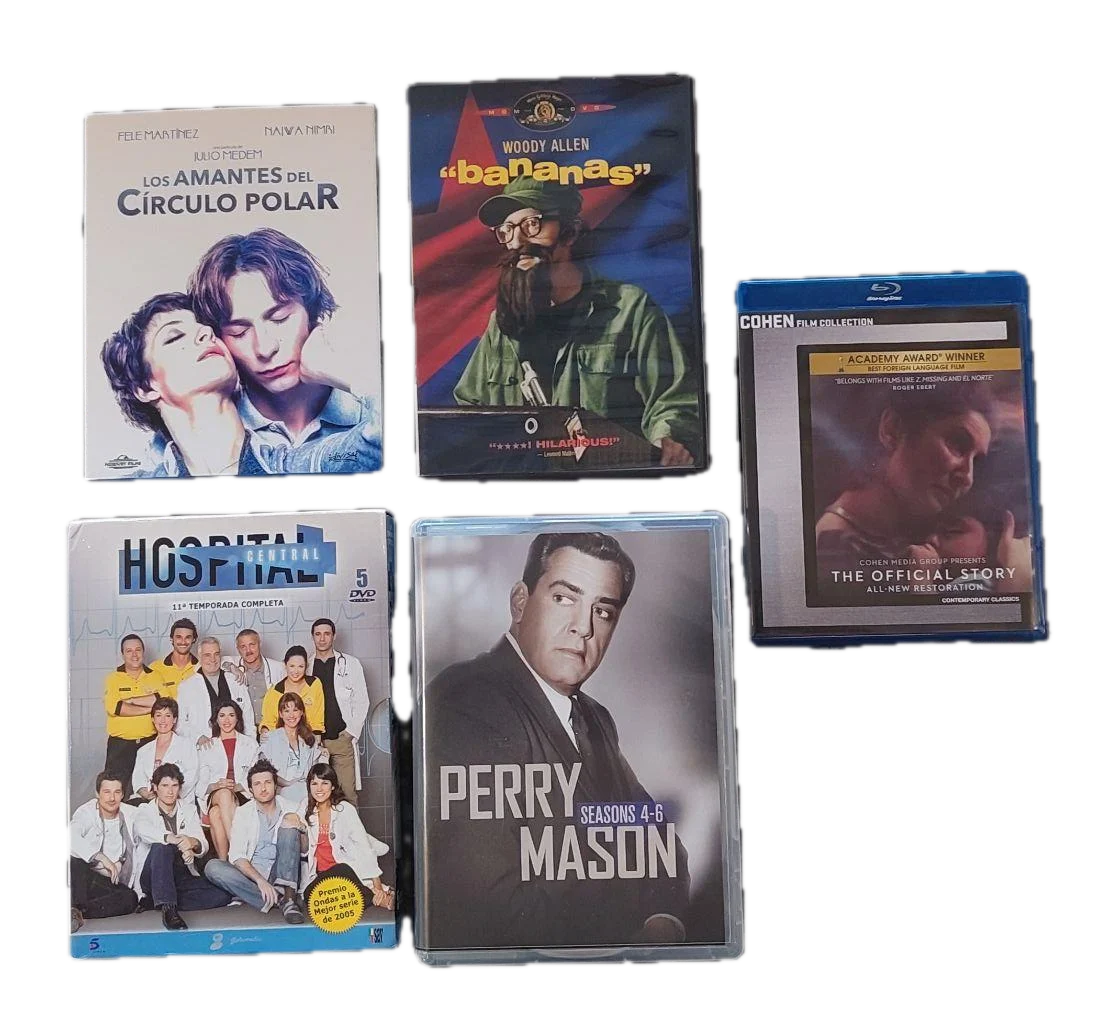
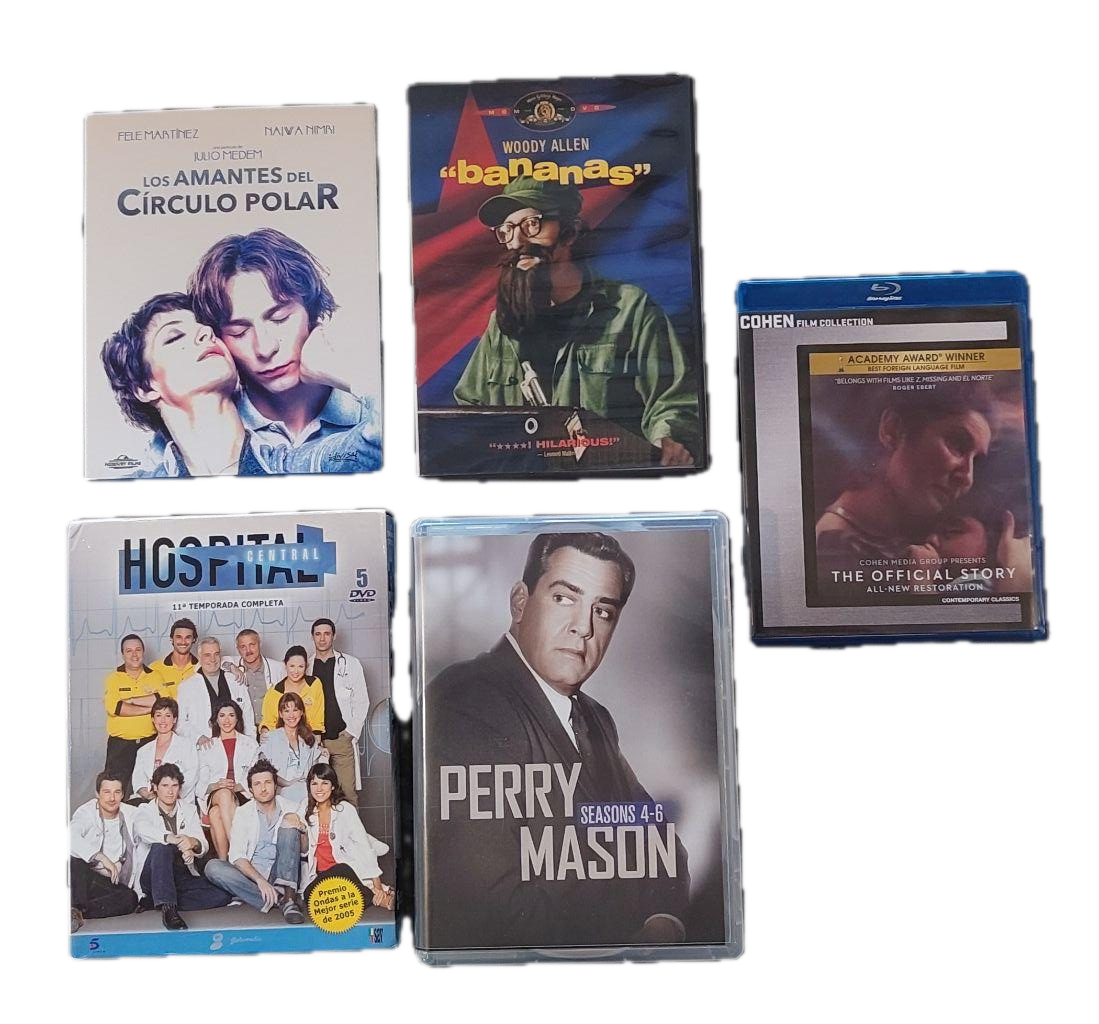
In recent evaluations of multiregion hardware, five distinct titles were utilized to test the limits of playback compatibility and image fidelity. Each serves as a lesson in why disc choice matters.
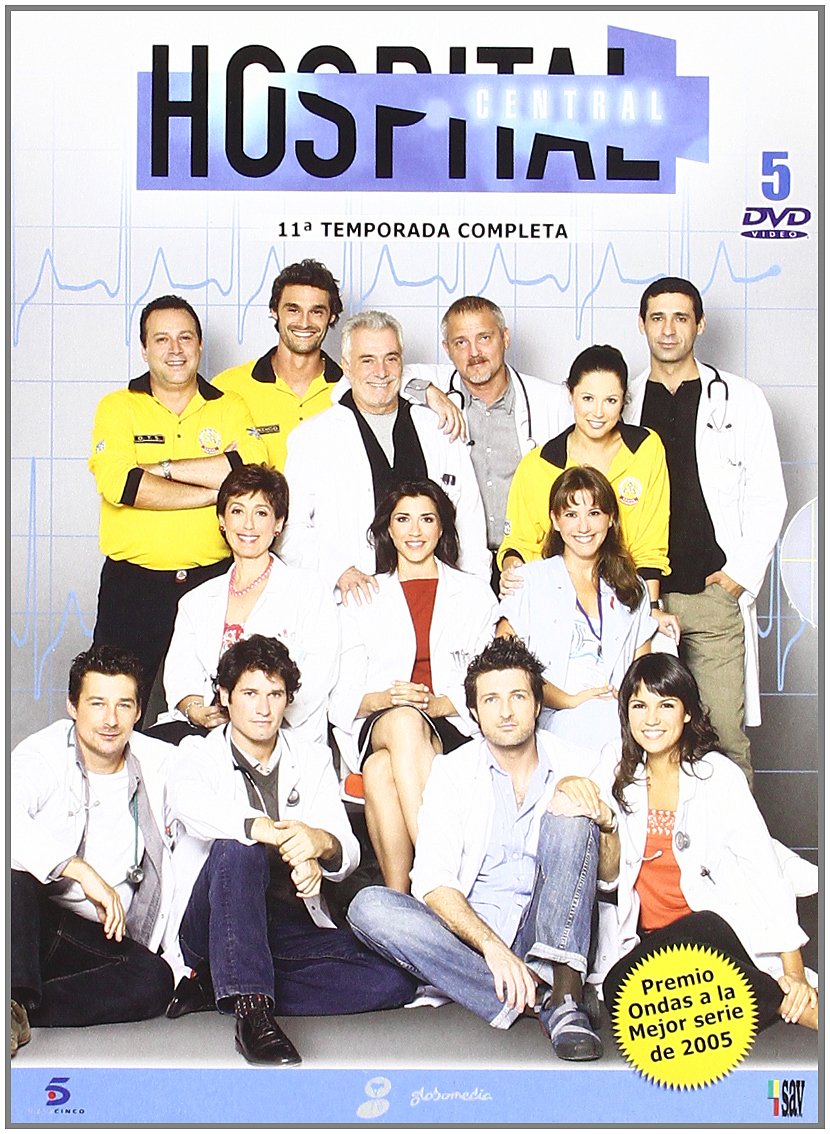
1. Hospital Central (Spanish Television Series)
Hospital Central is a landmark Spanish production that aired from 2000 to 2012. Unlike films shot on celluloid, this series was produced natively in 50i. For a purist, the goal is to view this at its native 50 Hz. By sourcing the original PAL-derived discs, the viewer maintains the original broadcast cadence. When played on a modern multiregion player, the display handles this at 50 Hz, or scales it to 100 Hz on 120 Hz displays, ensuring fluid, motion-accurate playback.
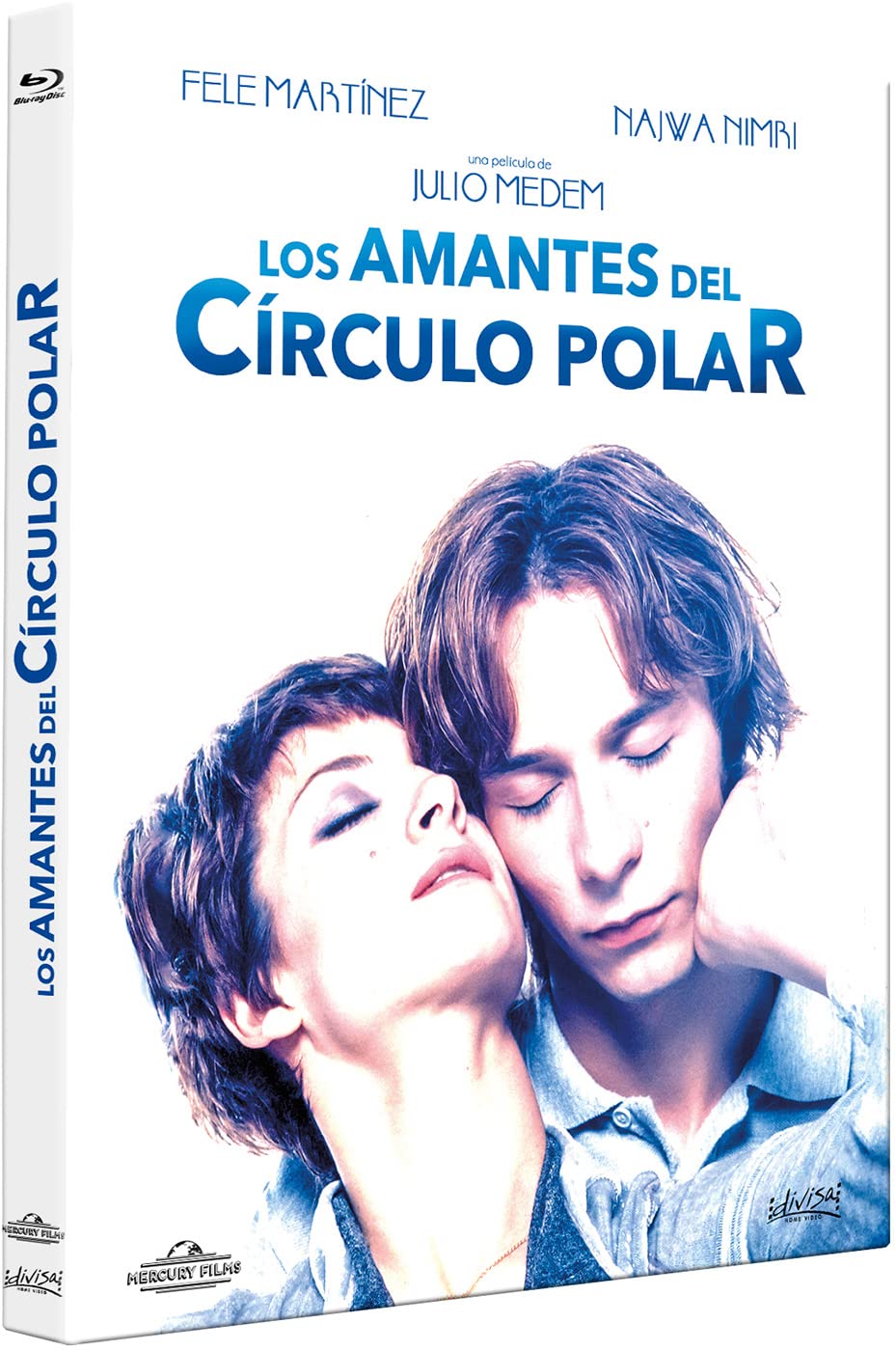
2. Los amantes del círculo polar (1998)
Director Julio Medem’s masterpiece was shot on 35mm film at 24 fps. The early European DVD release suffered from the aforementioned PAL speedup. By opting for a modern 23.976 fps Blu-ray release, the purist avoids the pitch-shifting and compression artifacts of the early DVD. This ensures the film is rendered at 47.952 Hz or a multiple thereof, preserving the cinematic experience exactly as intended for the theater.
3. La historia oficial (1985)
This Academy Award-winning Argentinean film highlights the confusion in international distribution. Released under different titles—The Official Story in the U.S. and The Official Version in the UK—the technical specs of the disc remain the priority. By bypassing the regional DVD masters and selecting the 23.976 fps Blu-ray, the viewer secures a high-definition, accurately timed transfer that respects the film’s 24 fps origin.
4. Bananas (1971)
Woody Allen’s early comedy served as a vital testing tool for closed-captioning capabilities. Specifically, this title allowed for an examination of EIA-608 line 21 closed captions on a progressive DVD. Testing confirmed that modern multiregion players handle these legacy captioning standards seamlessly, debunking older documentation that suggested otherwise.
5. Perry Mason (Seasons 3–6)
For classic television, the DVD format remains the primary repository. These discs are generally mastered at 59.94i. Testing these against modern hardware confirms that the internal scalers of high-end players are more than capable of handling interlaced content without introducing the "combing" artifacts seen on cheaper players.
Official Responses and Technical Implications
The industry has moved toward a more "global" standard, yet the burden of quality control remains with the consumer. Manufacturers of high-end players, such as Panasonic, have largely addressed the issues of the past with firmware updates that improve subtitle and closed-captioning handling.
The primary implication for the user is that "region-free" is not enough. You must also consider "cadence-free." A player may be unlocked to play a disc from any region, but if that disc was mastered with an incorrect framerate conversion, the player will simply reproduce those errors faithfully.

Best Practices for the Purist:
- Prioritize Blu-ray over DVD: Whenever possible, choose the Blu-ray version to ensure 23.976 or 24 fps playback.
- Research the Source: For television series produced in Europe, look for PAL-native discs to ensure 50i/50p playback.
- Verify Metadata: Check sites like Blu-ray.com or DVDBeaver to confirm the framerate and aspect ratio of a specific release before purchasing.
- Hardware Synergy: Ensure your display device is set to "Match Frame Rate" or "Auto" to allow the player to hand off the correct refresh rate to your monitor.
Conclusion
The pursuit of the perfect home cinema experience is a journey of technical refinement. By understanding the intersection of historical production standards and modern playback technology, the framerate purist can curate a library that honors the integrity of the original media.
Whether you are watching a 1970s comedy or a 21st-century medical drama, the objective remains the same: to remove the barriers between the creator and the viewer. With the right hardware and a discerning eye for the "software" you select, you can transform your living room into a space where the cadence of the cinema is preserved in its purest form.
Disclaimer: This article reflects the technical opinions and findings of the author. No manufacturers or distributors have provided compensation for these recommendations. All hardware and software used in these tests were purchased independently. For further insights on media preservation and technical reviews, readers are encouraged to consult the author’s full portfolio of work.
