
The Evolution of Intimacy: Why ‘Nobody Wants This’ Season 3 Finally Delivers on Its Rom-Com Promise
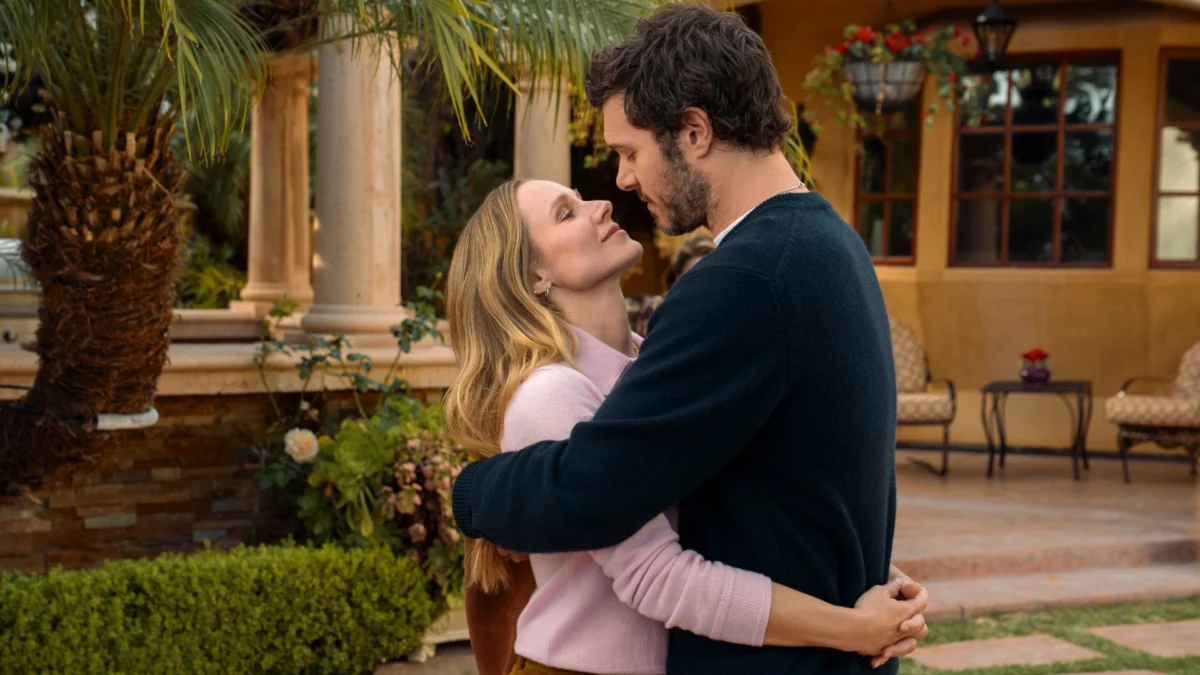
When Netflix’s Nobody Wants This first premiered in 2024, it arrived with the weight of expectation. Marketed as a fresh, sharp-witted take on the romantic comedy genre, it promised to bridge the gap between secular irreverence and religious tradition. While the first season established the chemistry between Kristen Bell’s Joanne and Adam Brody’s Noah, the second season felt, to many, like a narrative holding pattern. However, with the release of its third season, the series has finally found its footing, evolving from a standard "will-they-won’t-they" premise into a nuanced, mature exploration of what happens after the initial spark fades.
The State of the Union: Setting the Stage for Season 3
Nobody Wants This Season 3 picks up in the immediate aftermath of Season 2’s pivotal finale, which saw Joanne make the life-altering decision to convert to Judaism. The narrative urgency has shifted; the show is no longer obsessed with whether these two disparate worlds can collide, but rather how they can coexist in a domestic space.
As the season opens, viewers find Joanne and Noah navigating the mundane, often hilarious, and frequently stressful reality of cohabitation. From the petty battles over how to properly load a dishwasher to the shared morning rituals that form the bedrock of their new life, the show leans into the "we live together" trope with a grounded, relatable sensibility.
The first episode, while lacking in explosive plot twists or high-stakes drama, serves as a masterful character study. It establishes the rhythm of their lives, providing the necessary emotional infrastructure for the conflicts that follow. By focusing on the quiet, incremental growth of the couple, the series succeeds where its predecessor stumbled: it makes the viewer care about the longevity of the relationship, not just the novelty of the romance.

A Deep Dive into Character Growth and Narrative Arc
The strength of this third installment lies in its willingness to allow characters to evolve beyond their initial archetypes. Joanne, previously portrayed as a somewhat flighty podcaster navigating a series of impulsive decisions, is given room to develop a backbone.
A recurring motif throughout the season is Noah’s suggestion that the couple share a morning coffee walk. What might seem like a trivial plot device is actually the catalyst for Joanne’s maturation. This routine serves as a mirror for her internal state; she learns to set boundaries and prioritize her own needs without sacrificing the connection she shares with Noah. This represents a significant departure from the first two seasons, where Joanne’s growth was often secondary to the external pressures of her conversion.
Furthermore, the dialogue remains the show’s sharpest weapon. The scripts have tightened significantly, balancing witty banter with moments of profound vulnerability. Whether it’s Morgan’s (Justine Lupe) misguided yet ambitious "make them" theory—which nearly secures her a major book deal—or the dry, observational humor surrounding their social circle, the writing team has successfully captured the specific, high-velocity tone of modern dating and professional life.
The Supporting Cast: Moving Beyond the Background
While Bell and Brody remain the undeniable heart of the series, Season 3 grants the supporting cast an unprecedented level of depth. The writers have clearly recognized that the strength of a romantic comedy lies in its ecosystem.

Tovah Feldshuh, returning as Noah’s mother, Bina, is a standout. Her performance continues to be a masterclass in "blunt love." By centering much of the season’s narrative arc on the couple’s wedding planning, the show creates a natural crucible for Bina’s overbearing yet well-meaning nature to clash with Joanne’s desire for autonomy. This tension is not merely played for laughs; it is used to examine the universal struggle of setting boundaries with in-laws.
Perhaps the most compelling subplot, however, is the separation of Esther (Jackie Tohn) and Sasha (Timothy Simons). Their journey serves as a sobering counterpoint to the central romance. By showing the fractures in a marriage that once seemed stable, the series reinforces a key theme: love is not a static state, but an ongoing process of negotiation and reconciliation.
Examining the Pacing and Structural Flaws
Despite the season’s successes, it is not without its imperfections. The binge-release format of modern streaming television tends to highlight structural weaknesses, and Nobody Wants This is no exception.
The introduction of Travis (Avan Jogia), an ex-boyfriend of Joanne’s who conveniently becomes her neighbor, feels like a forced injection of conflict. In a season that is otherwise deeply committed to exploring the complexities of a healthy, long-term relationship, Travis feels like a remnant of a more generic rom-com playbook. His presence makes Joanne appear inconsistent and arguably less likable, as it is difficult to fathom why she would feel the need to impress an ex when she is so clearly satisfied in her current, fulfilling relationship.
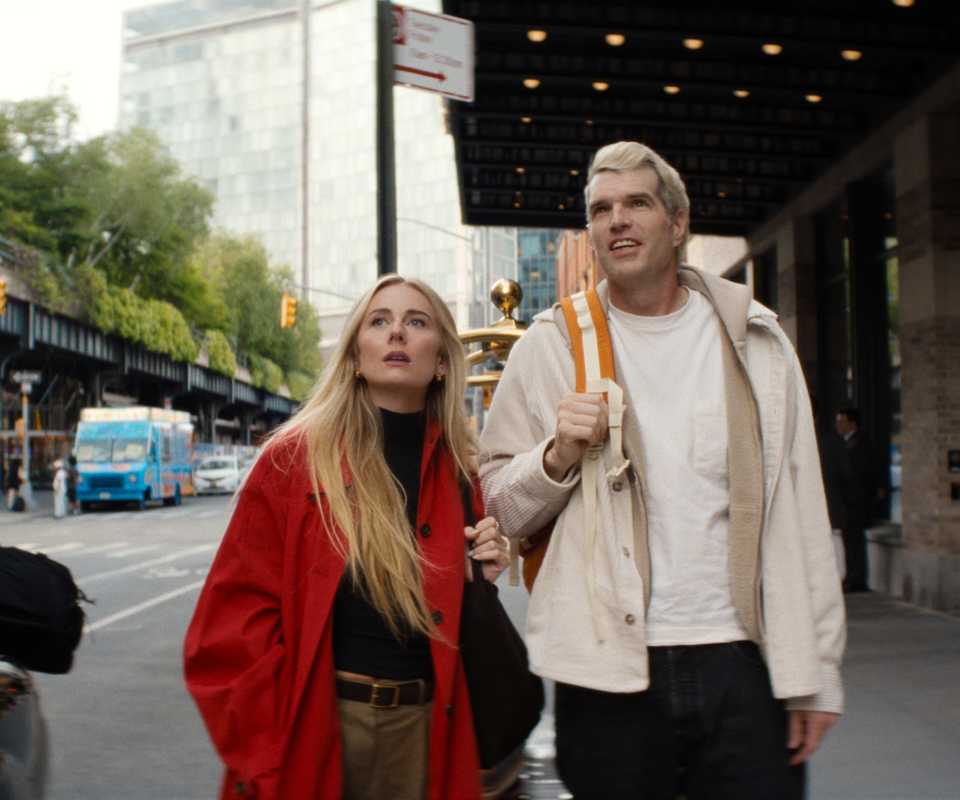
Additionally, Episode 9, titled "Last Christmas," suffers from a lack of narrative momentum. It retreads familiar ground regarding Joanne and Travis without offering new insights, suggesting that the season might have benefited from a tighter edit—perhaps trimming one or two episodes to ensure a more consistent flow. When the show resorts to tired genre clichés, it feels noticeably less intelligent than the scenes where it focuses on the internal life of the couple.
The Verdict: A Mature Take on Modern Love
When assessing the overall quality of Nobody Wants This Season 3, it is clear that the creative team has hit their stride. With a story score of 4/5 and high marks for performances and execution, the series has cemented its place as one of the most compelling romantic comedies on television.
The finale is particularly noteworthy. It manages to balance the resolution of current plot threads with a tantalizing setup for a potential fourth season. It is a bold, moving conclusion that feels earned rather than manufactured. By focusing on the intersection of personal identity, religious commitment, and the reality of long-term partnership, the show has moved beyond the "will-they-won’t-they" question to ask a much more interesting one: "How do we keep the spark alive when the initial novelty is gone?"
Implications for the Genre
The success of Nobody Wants This Season 3 has broader implications for the romantic comedy genre on streaming platforms. It proves that audiences are hungry for stories that don’t just stop at the "happily ever after." By embracing the messiness of wedding planning, the discomfort of family interference, and the subtle friction of cohabitation, the show treats its audience with respect.

It suggests that the future of the rom-com is not in grand gestures or airport chases, but in the microscopic details of a shared life. As long as shows like Nobody Wants This continue to prioritize emotional honesty over manufactured drama, the genre will continue to find new, relevant ways to speak to the human condition.
Conclusion: A Must-Watch for Romance Fans
Ultimately, Nobody Wants This Season 3 is a triumph of character-driven storytelling. While it falters occasionally under the weight of unnecessary subplots and the inherent pacing issues of the binge-release model, these are minor grievances in an otherwise stellar season.
For those who were skeptical after a lackluster second season, this return to form is a welcome relief. It is funny, smart, and profoundly human, providing a necessary reminder that the most romantic stories aren’t the ones about finding a partner—they are the ones about building a life together, one coffee walk and one disagreement over the dishwasher at a time. As we look forward to the potential for a fourth season, it is clear that the creators have unlocked the secret to longevity: keep the stakes high, the characters honest, and the love story evolving.
