
The Melancholy Anthem That Conquered the World: How ‘Sukiyaki’ Became Japan’s Postwar Cultural Beacon
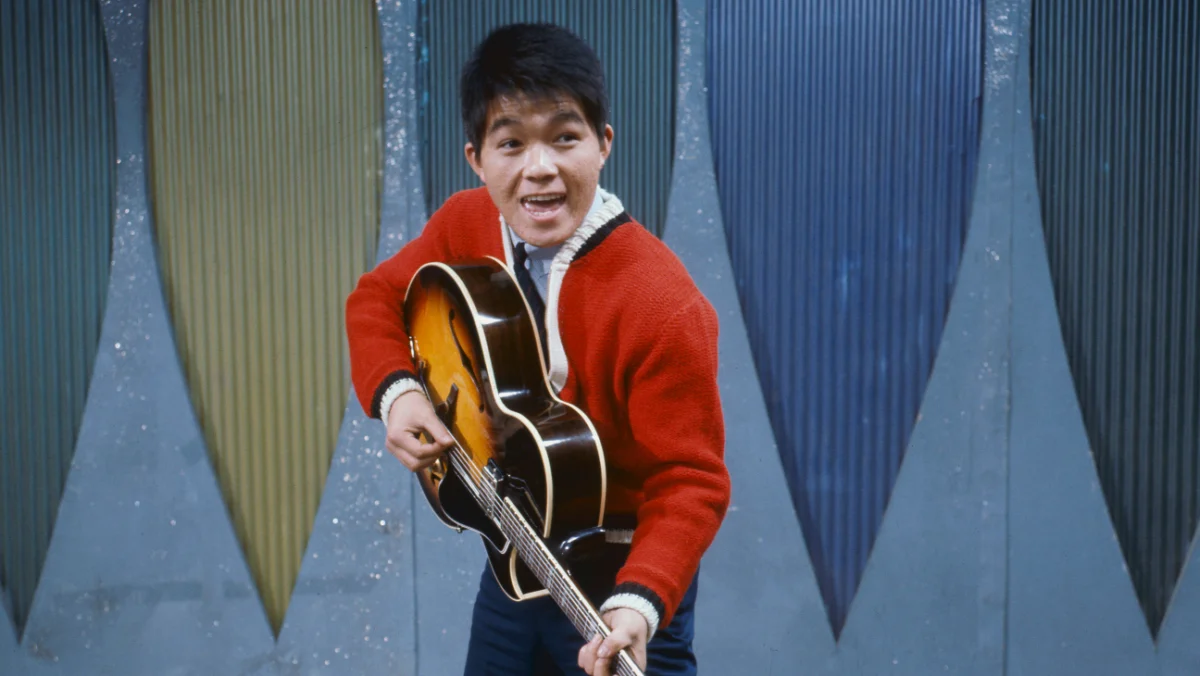
TOKYO — The 2026 Tokyo International Film Festival has officially pulled back the curtain on its highly anticipated slate, opening with the world premiere of Sukiyaki. Directed by acclaimed filmmaker Takahisa Zeze, the biographical drama charts the turbulent and remarkable backstory of the 1960s song that transformed from a local expression of sorrow into a global pop culture phenomenon. More than just a musical retrospective, the film captures the emotional landscape of a nation rising from the ashes of postwar devastation and navigating the quiet humiliation of occupation to emerge as a global economic powerhouse.
Centered around composer and jazz pianist Hachidai Nakamura (portrayed by Junichi Okada), the film explores his fateful partnership with lyricist Rokusuke Ei (Tori Matsuzaka). Together with charismatic young singer Kyu Sakamoto (Taiga Nakano), the trio crafted an unlikely masterpiece: a jaunty, genre-bending melody carrying deeply plaintive, melancholic lyrics. While the creative struggle behind the tune makes for compelling cinema, the six-decade legacy of "Ue o Muite Aruko"—internationally known as "Sukiyaki"—remains one of the most astonishing chapters in modern music history.
Main Facts: The Genesis of a Global Sensation
The song that would capture the hearts of millions across the globe was born out of personal crisis and political turbulence. In the late 1950s, the rise of rockabilly music threatened to eclipse the jazz scene in Japan, leaving composer Hachidai Nakamura struggling with heavy debt and addiction after an ill-fated recital.
Nakamura’s fortunes shifted when he forged an unlikely alliance with Rokusuke Ei, a radio writer who had never penned song lyrics in his life. The pair was tapped to write a rockabilly score for a 1959 movie produced by Toho—the very studio distributing Zeze’s 2026 biopic.
By 1961, Nakamura and Ei had composed “Ue o Muite Aruko,” which translates literally to “I look upwards as I walk.” Musically, Nakamura performed a masterclass in cross-cultural synthesis, seamlessly weaving traditional Japanese pentatonic scales, sophisticated jazz chords, and contemporary U.S. pop influences. Lyrically, however, Ei drew from a place of profound national disappointment. The lyrics were inspired by the failure of the massive Anpo protests to halt a controversial Tokyo-Washington security treaty, which maintained a heavy American military presence in Japan. The act of looking upwards in the song was not one of cheerful optimism, but a deliberate physical maneuver to stop tears of sadness from falling.
The song’s iconic vocal performance was a last-minute miracle. Singer Kyu Sakamoto was brought in on short notice for the track’s premiere at Tokyo’s Sankei Hall on July 21, 1961, handed the sheet music a mere two hours before showtime. Unrehearsed and operating purely on instinct, Sakamoto slipped into a minor key on an ad-lib, sang the standard four-beat song as an eight-beat rhythm, and purposefully came in a beat late—mimicking the emotive style of traditional Japanese balladeers he had listened to growing up. These accidental vocal quirks injected an irreplaceable layer of vulnerability and distinctiveness into the track.

Released as a single in late 1961, it quickly dominated the domestic charts, holding the Music Life best domestic song spot from November 1961 to January 1962 and selling an impressive 300,000 copies.
Chronology: From Tokyo Halls to the Billboard Summit
The trajectory of "Sukiyaki" from a localized Japanese hit to an international chart-topper is a masterclass in serendipity, mistranslation, and sheer sonic gravity.
- 1962 (The British Discovery): Louis Benjamin, an executive at British label Pye Records, visited Japan and fell completely captivated by the song’s infectious melody. Upon returning to the U.K., he gave the track to Kenny Ball and his Jazzmen, asking them to record an instrumental cover. Ball titled the track “Sukiyaki”—either because Benjamin had recently enjoyed the Japanese hotpot dish in Tokyo, or because Ball simply picked one of the few Japanese words he knew, figuring the original title was far too difficult for Western audiences to pronounce.
- February 1963: Kenny Ball’s instrumental version cracked the British top ten, introducing the melody to Western listeners.
- May 3, 1963: Following failed attempts by American labels to push instrumental covers, Capitol US took a massive gamble. They released the original Japanese vocal recording by Kyu Sakamoto, retaining the catchy, albeit inaccurate, title "Sukiyaki."
- June 1963: Defying conventional wisdom about foreign-language music in the American market, the song soared to No. 1 on the Billboard Hot 100, remaining at the summit for three consecutive weeks. Sakamoto achieved a historic milestone as the first and only Japanese artist to ever top the U.S. charts—a feat that would not be repeated by another Asian act until BTS claimed the top spot with "Dynamite" in 2020.
- 1981 (The R&B Renaissance): Janice-Marie Johnson of the R&B/funk band A Taste of Honey remembered hearing the 1963 track as a child. Tracking down lyricist Rokusuke Ei in Japan, she secured a rough English translation and built her own contemporary R&B rendition. Despite heavy pushback from record executives convinced American audiences wouldn’t embrace Japanese-inflected melodies, Johnson’s version soared to No. 1 on the Billboard R&B chart and reached No. 3 on the Hot 100.
- August 12, 1985: Tragedy struck Japan with the crash of Japan Air Lines Flight 123. Among the 520 victims of the deadliest single-aircraft disaster in aviation history was Kyu Sakamoto. The song’s legacy was forever cemented into the nation’s grief.
- 2011–2021 (National Resilience): The song re-emerged as an anthem of melancholic hope following the devastating triple disaster of earthquake, tsunami, and nuclear meltdowns in 2011, featured in a commercial with 71 celebrities and Studio Ghibli’s From Up on Poppy Hill. A decade later, Tokyo Ska Paradise Orchestra performed it at the closing ceremony of the pandemic-delayed Tokyo Olympics.
- October 2026: Takahisa Zeze’s biographical drama Sukiyaki opens the Tokyo International Film Festival, fulfilling a long-held dream to bring the creative minds behind the song back together on screen.
Supporting Data: Global Reach and Commercial Footprint
The numbers surrounding "Sukiyaki" underscore its unprecedented cross-cultural dominance:
- 13 Million: The estimated total global sales of the single across its various international iterations.
- 3 Weeks: The duration for which Sakamoto’s original Japanese recording held the No. 1 position on the U.S. Billboard Hot 100 in the summer of 1963.
- Dozens: The number of international cover versions recorded in languages ranging from Mandarin, Cantonese, and French to Spanish and German.
- 520 Lives Lost: The tragic human toll of JAL Flight 123 in August 1985, an aviation disaster that claimed the life of Kyu Sakamoto at the height of his cultural ambassadorship.
Official Responses and Industry Reception
The premiere of Sukiyaki at the Tokyo International Film Festival has drawn immense praise from critics and audiences alike, sparking renewed national conversation about the song’s place in history.
Director Takahisa Zeze noted during festival panels that the film is not merely a biography of three men, but an exploration of how art transcends geopolitical boundaries. "They wrote a song about grief, and the world adopted it as a beacon of joy," Zeze remarked. "We wanted to capture the fragile human elements—the debts, the arguments, the sudden inspirations—that birthed a global giant."
Cast members Junichi Okada (portraying Hachidai Nakamura) and Tôri Matsuzaka (portraying Rokusuke Ei) expressed deep reverence for the historical figures they embodied. Okada spent months practicing piano to accurately reflect Nakamura’s jazz styling, while Matsuzaka immersed himself in the socio-political movements of 1960s Tokyo to channel Ei’s poetic despair.

Implications: A Cultural Beacon for a Healing Nation
When "Sukiyaki" topped charts from Australia to Norway in the 1960s, the psychological impact on Japan was profound. The nation was rapidly registering double-digit economic growth as corporate giants like Sony and Toyota began transforming into household international brands. Yet, the national psyche remained shadowed by the lingering trauma of wartime defeat and allied occupation.
The global embrace of a song sung in the Japanese language—even when renamed after a piece of beef stew—offered a vital psychological balm. It proved that Japanese artistry could resonate universally without stripping away its cultural DNA.
Decades later, the song continues to function as Japan’s emotional barometer. Whether deployed to comfort a nation recovering from natural disasters, soundtracking nostalgic animated masterpieces by Studio Ghibli, or echoing through Olympic stadiums, "Sukiyaki" remains a testament to the resilience of the human spirit.
As Sukiyaki hits theaters nationwide on Christmas Day 2026, it brings full circle a narrative that Kyu Sakamoto himself championed: a reminder that from the deepest personal and national sorrows, beauty, connection, and enduring global harmony can somehow emerge.
