
The Audacious Ambition of ‘The Return of Bruno’: Reassessing Bruce Willis’ Forgotten 1987 Musical Gamble
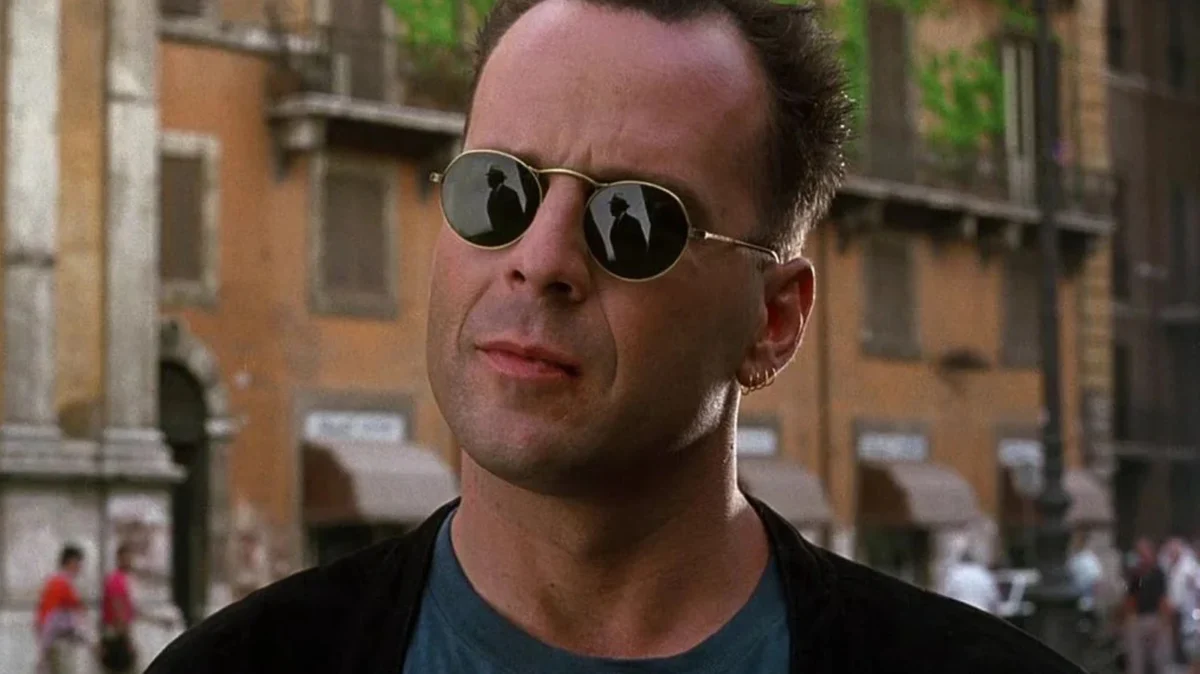
In the pantheon of 1980s pop culture oddities, few projects stand as tall—or as baffling—as The Return of Bruno. Released in 1987, this multimedia experiment saw a pre-Die Hard Bruce Willis attempt to bridge the gap between television mockumentary and serious R&B recording artist. Long before the internet allowed for the rapid-fire dissection of celebrity vanity projects, Willis managed to confuse audiences and music critics alike, creating a legacy that sits somewhere between a bold artistic statement and a cautionary tale of Reagan-era excess.
The Genesis: A Star on the Rise
To understand the sheer audacity of The Return of Bruno, one must contextualize the Bruce Willis of 1987. At the time, he was primarily known as David Addison Jr. from the hit ABC series Moonlighting. His screen persona was defined by quick wit, charm, and a certain "everyman" arrogance. He had not yet ascended to the heights of international action stardom; that breakthrough would not arrive until the summer of 1988 with John McTiernan’s Die Hard.
In the mid-80s, the line between television actor and recording artist was thinner than it is today, but still fraught with peril. Willis, however, felt a deep affinity for soul, blues, and R&B music. He adopted the alter ego "Bruno Radolini," a fictional musician with a supposed history of influencing the greats of the rock and roll era.
The project was split into two distinct, yet inextricably linked, halves: the studio album released via Motown Records, and an accompanying one-hour HBO special. The album, featuring a cover of the Staples Singers’ "Respect Yourself," was a earnest attempt at blue-eyed soul. The special, however, was a mockumentary designed to provide the "mythology" behind the music.
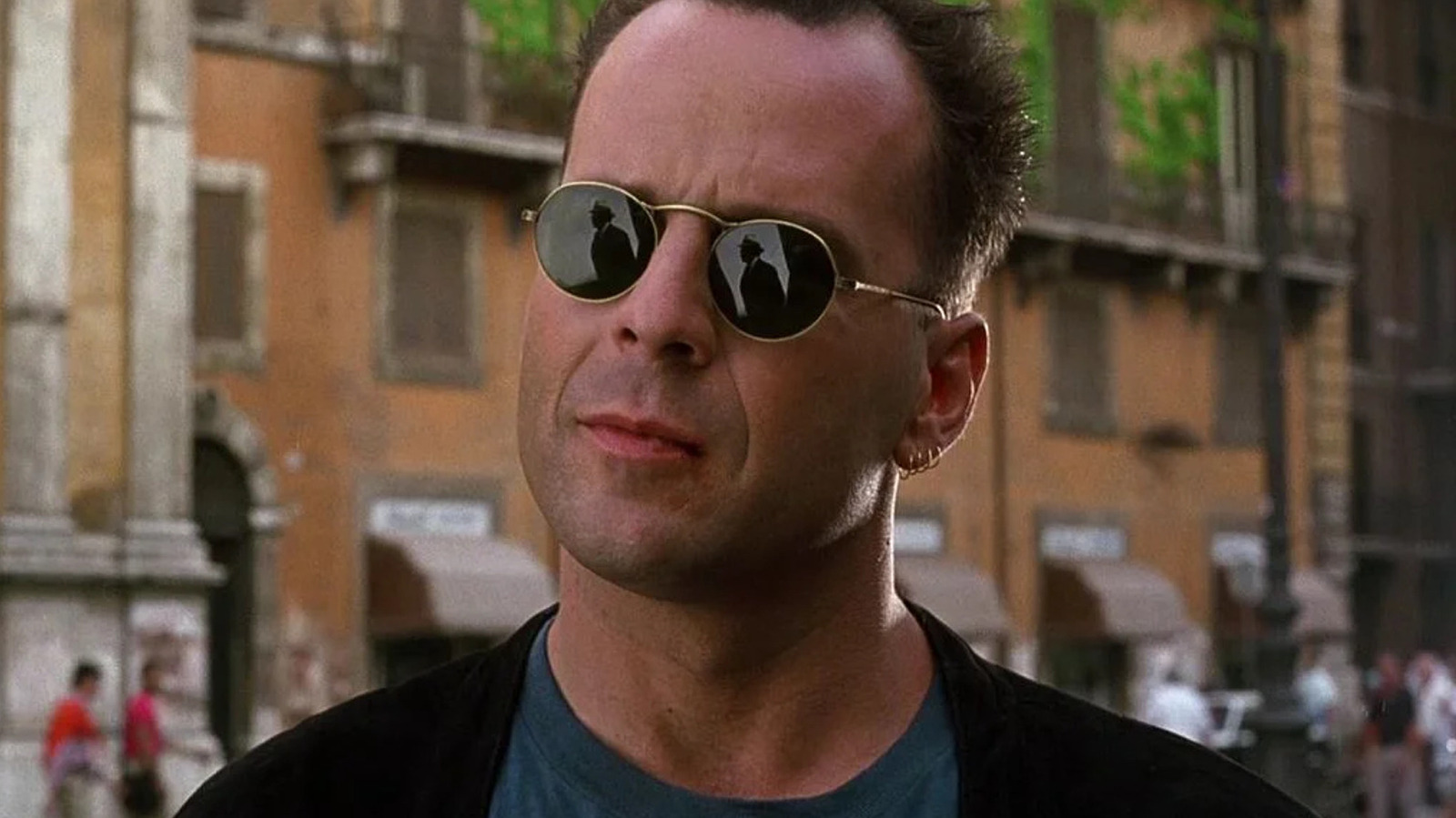
Chronology of the Bruno Phenomenon
The rollout of the Bruno project was as calculated as it was bizarre.
- December 1986: The single "Respect Yourself" is released, garnering modest radio play and immediate confusion from critics. Spin Magazine and other outlets struggled to reconcile the actor they saw on Moonlighting with the man in the sunglasses and fedora singing blues standards.
- Early 1987: The full-length album, The Return of Bruno, hits record store shelves. It is a collection of blues and R&B tracks that sounds remarkably professional, yet lacks a cohesive identity.
- 1987 (HBO Airdate): The Return of Bruno television special premieres. It serves as a mock-biopic, utilizing a "This is Spinal Tap" style of storytelling. The special features a laundry list of genuine rock legends—Ringo Starr, Elton John, Brian Wilson, and Phil Collins—all providing testimonials about Bruno Radolini’s supposed influence on their careers.
- Post-1987: The record fails to achieve long-term critical success, and Willis pivots fully into his action movie career. The Bruno project becomes a footnote, eventually inspiring the equally bizarre animated series Bruno the Kid in the mid-90s.
The HBO Special: A Masterclass in Celebrity Meta-Humor
The most fascinating aspect of this entire endeavor is the HBO special. At a time when celebrity cameos were rarer and carried more weight, the sheer number of A-list musicians willing to participate in the joke is staggering.
The conceit was simple: Bruno Radolini was the "missing link" of modern music. In one particularly earnest and hilarious sequence, Michael J. Fox appears on screen, admitting to being a superfan of this entirely imaginary musician. Ringo Starr goes so far as to credit Bruno with the existence of The Beatles. These segments, which feature heavyweights like Grace Slick, Graham Nash, and Jon Bon Jovi, suggest that the project was, at least in part, an inside joke among the Hollywood elite.
Yet, there remains an ambiguity to the film. Was it a pure spoof of the music industry? Or was it a vehicle for Willis to legitimately pivot into music? The back half of the special shifts from mockumentary to a concert film, where Willis performs live. This transition is where the "joke" starts to feel uncomfortable. When Willis stops talking and starts singing, the irony vanishes, replaced by a sweaty, growling, and overproduced performance style that many viewers found difficult to take seriously.
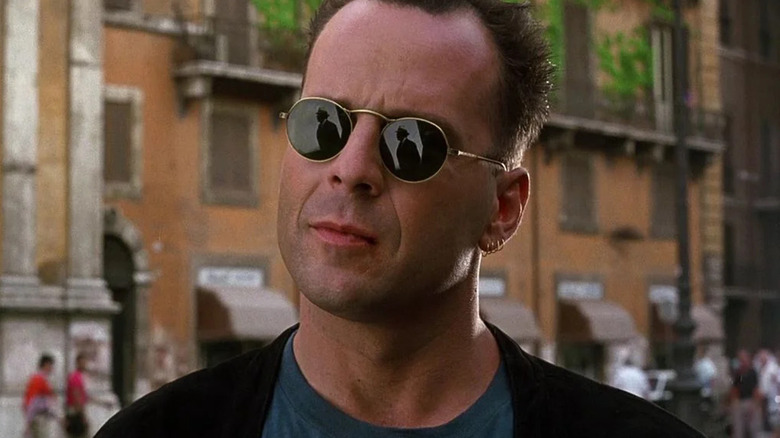
Supporting Data: Critics and the Cultural Divide
The reception to The Return of Bruno was polarized, though heavily skewed toward the negative. The primary critique was one of "authenticity." In 1987, the "white boy blues" subgenre—often associated with acts like The Blues Brothers—required a level of grit and musical pedigree that critics felt Willis lacked.
People Magazine, in a review from the era, gave the special a B+, noting: "[The special] won’t make Willis a rock star, but it does add to his portfolio as an entertainer." However, the music critics were less forgiving. Stephen Thomas Erlewine of AllMusic famously remarked that the album stood more as a "testament to the excesses of Reagan-era celebrity and baby-boomer nostalgia than as a piece of music."
The data suggests that the project was a victim of its own marketing. By creating a mockumentary to promote a serious album, Willis created a cognitive dissonance that the audience could not resolve. If the music was supposed to be a joke, why was the record sold as a legitimate studio product? If the music was supposed to be taken seriously, why was it introduced through a series of absurd lies?
Official Responses and Behind-the-Scenes Reality
Behind the scenes, the atmosphere was reportedly one of lighthearted camaraderie. Many who worked on the set of the special noted that the celebrity participants were frequently on the verge of breaking character. It is highly probable that Willis recruited these icons under the promise of a "fun project," and the resulting special reflects a group of friends engaging in a massive, elaborate prank.
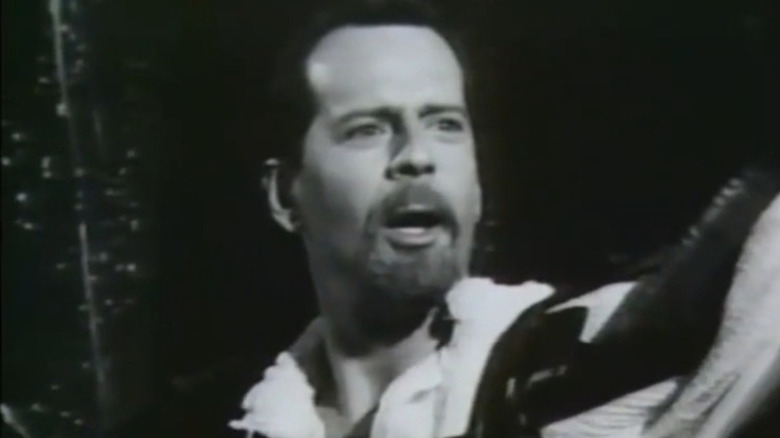
Willis himself rarely revisited the Bruno persona in later years, preferring to focus on his massive box-office success. However, the project remains an essential piece of his history, demonstrating a level of risk-taking that is rarely seen in today’s highly curated celebrity landscape. In an era where stars are managed by teams of publicists to avoid any semblance of "cringe," The Return of Bruno stands as a raw, unfiltered example of what happens when a star is allowed to pursue their most eccentric impulses without a filter.
Implications for Modern Celebrity Culture
The failure—or perhaps the misunderstood success—of The Return of Bruno offers a window into the evolution of celebrity branding. Today, a project like this would likely be a viral internet sensation, destined for "meme status" before it even aired. In 1987, it was a slow-burn confusion that eventually faded into obscurity.
The project highlights the danger of the "crossover" attempt. When an actor attempts to dominate a second medium—be it music, fashion, or literature—the audience demands a level of sincerity that is often incompatible with the polished nature of Hollywood fame. Willis wanted to be a rock star, but he was too famous as an actor for the audience to look past his face and hear the music.
Ultimately, The Return of Bruno is a relic of a time when stars were allowed to fail—and fail spectacularly. It is a fascinating, if musically questionable, endeavor that deserves to be remembered not as a disaster, but as one of the most ambitious and surreal marketing campaigns of the 20th century. For the modern viewer, digging up a VHS rip of the special is a trip into a time capsule that reveals as much about the ego of the 80s as it does about the multifaceted, often inexplicable nature of Bruce Willis’ early career.
