
From Viral Sensation to Hollywood Feature: The Calculated Ascent of ‘The Littles’
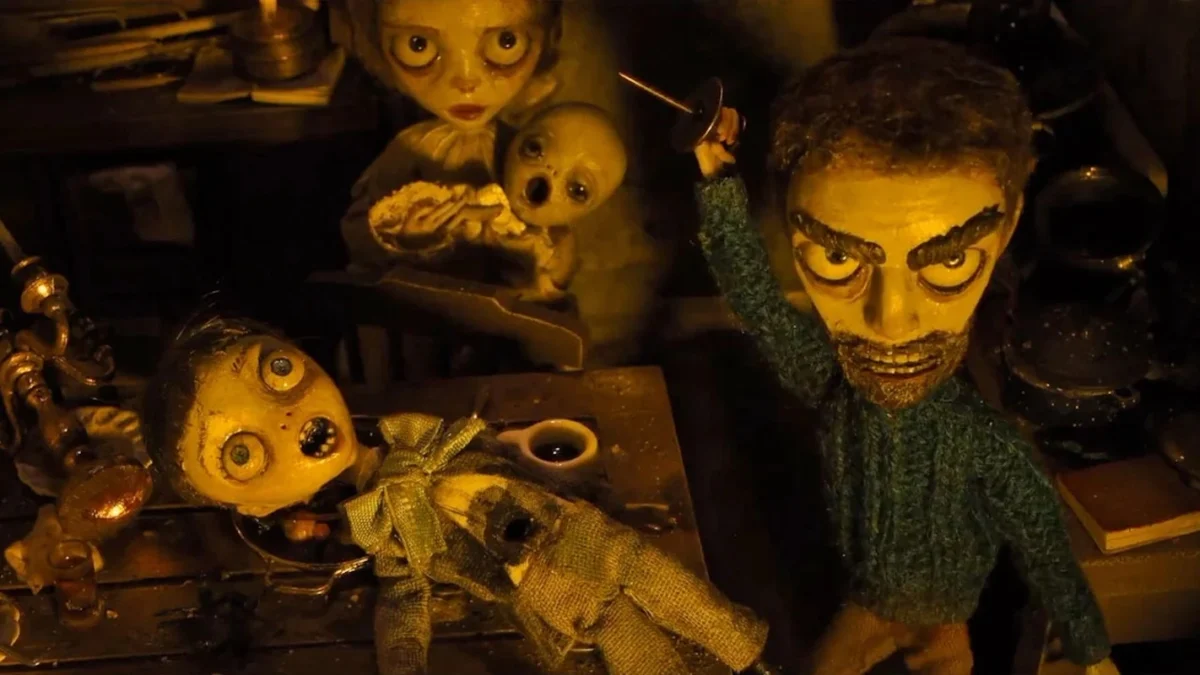
When the horror short The Littles premiered on YouTube five months ago, it didn’t just garner views—it ignited a firestorm of industry speculation. Racking up an impressive 3 million views in short order, the film arrived at the zenith of the “YouTube-to-Hollywood” discourse. Following the breakout success of viral phenomena like Obsession and Backrooms, industry observers began to wonder: could director Andrew Duplessie replicate that meteoric trajectory?
As it turns out, the industry was already steps ahead. In December, Paramount Pictures, in collaboration with production house 18hz, officially announced they had secured the rights to develop The Littles into a feature-length film. Duplessie is confirmed to write and direct the adaptation, signaling a major win for an independent creator who has redefined how short-form content can serve as a sophisticated proof-of-concept for the major studio pipeline.
The Anatomy of a Modern Horror Short
The Littles is an anomaly in an era often dominated by cheap jump-scares and low-effort digital content. For those who prioritize narrative substance and character development over traditional genre tropes, the film is a refreshing exercise in discipline. At a runtime of only five minutes, the short manages to bypass the typical "viral bait" pitfalls, opting instead for atmospheric world-building and high-level technical execution.
The film’s aesthetic success is anchored by its centerpiece: authentic, high-quality stop-motion animation. By enlisting the expertise of veteran animator Anthony Scott—whose resume includes work with industry titans like Laika and Guillermo del Toro—Duplessie provided the short with a tactile, eerie quality that stands apart in a sea of digital effects. The influence of del Toro’s dark, whimsical sensibilities is palpable, evoking the rich traditions of Mexican stop-motion masters such as Sofía Carrillo and Karla Castañeda. This attention to craft elevates the short from a mere internet video to a piece of cinematic art, proving that even in the digital age, traditional animation techniques possess a unique, haunting power.
Chronology: A Blueprint for Success
To understand the rise of The Littles, one must look beyond the screen and into the calculated strategy employed by its creator. Andrew Duplessie’s path to Paramount was not a stroke of accidental luck; it was the result of a meticulously staged multi-platform rollout that spanned several years.
- 2019: The Tech Pivot. Duplessie first made waves in the professional world by selling his startup, marking his transition from the tech sector into the creative arts.
- The Anthology Phase: He gained initial industry credibility by producing for the critically acclaimed American Horror Story, learning the mechanics of high-stakes horror television.
- The Social Media Engine: Before The Littles, Duplessie mastered the art of the viral short story. He cultivated an audience of over 300,000 on Instagram and 200,000 on TikTok, effectively building an "owned" audience that would eventually serve as the launchpad for his film.
- The Literary Leap: Leveraging his social media following, he secured a book deal with HarperCollins for Too Scared to Sleep, further cementing his brand as a purveyor of modern horror.
- The "Industry-Ready" Short: With The Littles, Duplessie maximized his chances for acquisition by casting Violet McGraw—already a horror icon for her work in M3gan and The Haunting of Hill House.
- The Festival & Circuit Strategy: Rather than a simple "upload and hope" strategy, he premiered the film at New York Comic Con, followed by a prestigious run on the festival circuit, including a win at Indy Shorts.
This chronology reveals a truth that the industry is only now beginning to grapple with: the "YouTube-to-Hollywood" pipeline is no longer an organic accident. It is a highly engineered, multi-channel assault on the traditional gates of film production.
Supporting Data: The Rise of the Spec-Development Short
The acquisition of The Littles is part of a larger, systemic shift in how Hollywood identifies talent. For the past several years, short films have become the “spec development sensation” of the industry. Studios, desperate for proven IP that comes with a built-in fanbase, have shifted their acquisition strategies to mirror the rapid, data-backed nature of the tech industry.
Data points from the past 24 months show a clear preference for creators who can demonstrate “multi-platform viability.” Projects like The Littles carry less risk for investors because the audience, the tone, and the visual aesthetic have already been stress-tested in the public domain. When Duplessie walked into boardrooms, he didn’t just bring a script; he brought a roadmap of engagement metrics, a celebrity lead, and a ready-made fanbase.
Official Perspectives: The Studio’s View
While Paramount and 18hz have remained relatively tight-lipped regarding the specific creative direction of the feature, the move reflects a broader industry trend of "preemptive" acquisition. By securing the rights in December, Paramount ensured they could lock in a director who has already proven he can execute a high-concept vision on a micro-budget.
For Duplessie, the opportunity is a validation of his "all-fronts" approach. In interviews, he has emphasized the importance of storytelling as a scalable asset. His background in tech and his pivot to creative writing have created a unique hybrid perspective: he understands the creative nuance required to satisfy a horror audience, but he also possesses the analytical mindset required to navigate the bureaucratic infrastructure of a major studio.
Implications: The Future of Short-Form Filmmaking
The success of The Littles carries significant implications for the future of the short film medium. Some critics argue that this "engineered success" model strips the art form of its organic, rebellious charm. They contend that if every short film is designed to be a pitch for a feature, we may lose the experimental spirit that makes short films a vital incubator for new ideas.
Conversely, others view this as a democratization of the industry. For decades, the barrier to entry for Hollywood was impenetrable to those without traditional connections. Now, a filmmaker with a laptop, a social media account, and a talent for stop-motion can build their own leverage.
A Double-Edged Sword
The blueprint established by The Littles will likely be replicated, for both good and ill, throughout 2027 and beyond. We can expect to see an influx of high-production-value shorts appearing on YouTube, all featuring A-list talent, all premiering at genre-specific conventions, and all designed to trigger the algorithmic interest of major studios.
However, the cautionary tale remains: the marketing infrastructure is merely the delivery mechanism. As we have seen with other viral projects that failed to make the leap to long-form, none of this—the social media followings, the celebrity cameos, the festival awards—works if the work itself lacks "the goods."
The Littles succeeded because it was, first and foremost, a well-crafted piece of horror. It utilized the language of the internet to reach its audience, but it utilized the language of cinema to keep them. Whether the feature-length version can maintain this delicate balance remains to be seen, but one thing is clear: Andrew Duplessie has written the new playbook for the modern filmmaker, and Hollywood is taking diligent notes.
For the aspiring creator, the message is clear: do not just make a film. Build a brand, foster a community, and ensure that when the studio finally comes knocking, you have already proven that your vision is not just a viral spark, but a sustainable fire.
