
The Buck Stops Here: Director James Watkins Claims Full Ownership of DC’s ‘Clayface’
In an era defined by the "studio-mandated" blockbuster, where the specter of executive interference often looms larger than the creative vision of the director, James Watkins is charting a refreshingly transparent path. As the helmer of the recently released Clayface—a gritty, R-rated departure from the traditional superhero spectacle—Watkins has made an unequivocal statement: if the audience finds fault with the film, the blame belongs solely to him.
While modern cinematic universes are frequently criticized for homogenizing directorial voices, Watkins’ experience with DC Studios suggests a significant shift in how intellectual property is handled under the leadership of James Gunn and Peter Safran. By positioning himself as the primary architect of Clayface, Watkins is not only defending his creative autonomy but also challenging the prevailing narrative that directors in major comic book franchises are merely "grunts for hire."
The Anatomy of a Modern Horror-Villain Origin
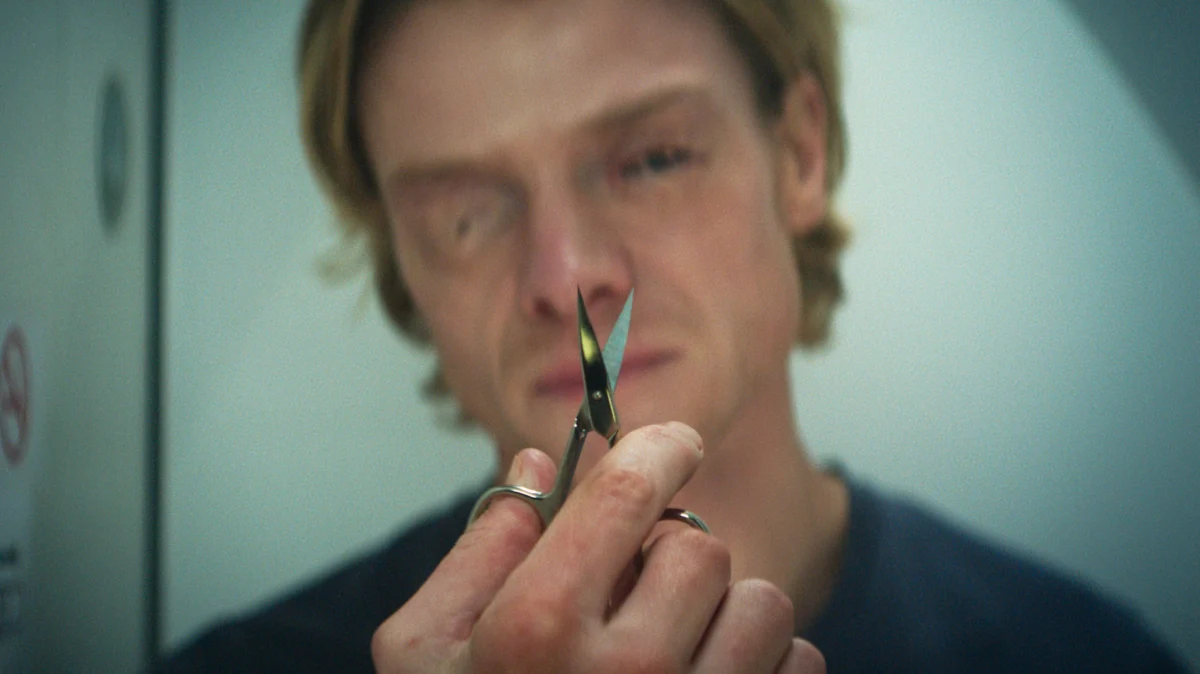
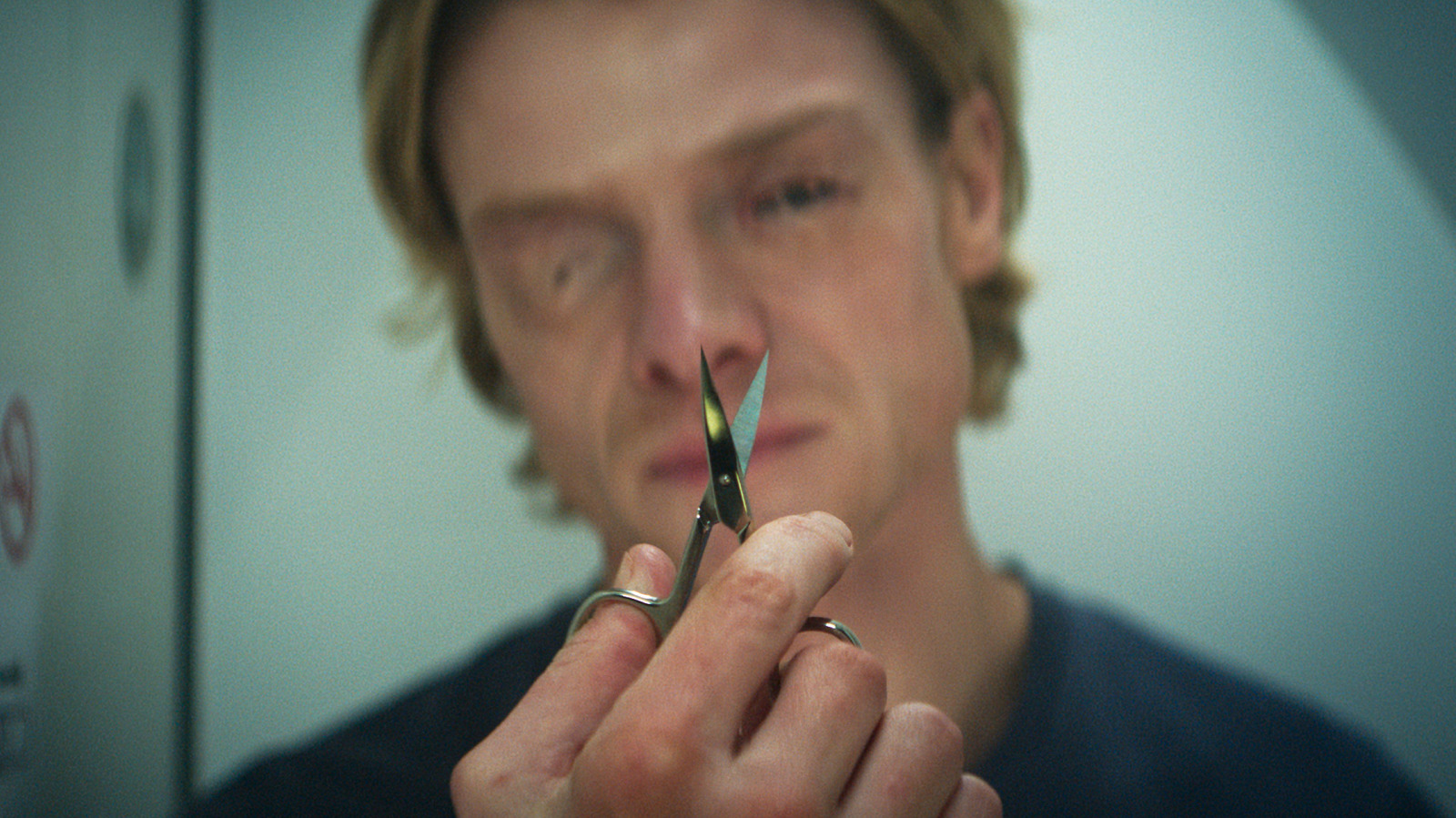
Clayface represents a bold pivot for the DC Universe. Following the high-flying heroism of James Gunn’s Superman and the earnest, character-driven journey of Craig Gillespie’s Supergirl, Clayface leans heavily into the macabre. The film explores the tragic descent of Matt Hagen, a rising Hollywood star portrayed by Welsh actor Tom Rhys Harries.
The narrative hook is visceral: Hagen’s trajectory toward superstardom is violently derailed when a criminal encounter leaves him with horrific facial injuries. Desperate to reclaim his former life and career, he submits to an experimental, clandestine procedure. The results, however, are far from cosmetic, triggering a series of nightmarish biological mutations that transform his body and psyche.
Critics have described the film as a lean, mean revenge thriller—a stylistic hybrid that owes a debt to 1990s cult classics like Sam Raimi’s Darkman. While the film has received mixed-to-positive reviews, with some critics noting its straightforward emotional beats, it has undeniably succeeded in carving out a niche for visceral horror within the broader DC slate.
A Chronology of Creative Development
The path to Clayface was characterized by a collaborative spirit that, according to Watkins, remained consistent from the initial pitch to the final cut.
- The Script Acquisition: The foundation was laid by writers Mike Flanagan—known for his work on high-concept horror—and Academy Award nominee Hossein Amini, famous for his work on the neon-noir masterpiece Drive. Their combined script provided the structural skeleton: a "tragedy in three acts."
- The Pitch: Upon reading the draft, Watkins sought to deepen the audience’s empathy for Hagen. He pitched a specific vision that prioritized the character’s humanity amidst the grotesque transformation.
- The Greenlight: DC Studios executives James Gunn, Peter Safran, Matt Reeves, and producer Lynn Harris reportedly gave their immediate backing. This provided Watkins with the creative license to execute his specific vision without the typical studio friction.
- The Production: Throughout the shoot, the team maintained a "straightforward" workflow. Unlike many horror-tinged superhero projects that get neutered by studio notes, Watkins maintained his R-rated, uncompromising tone.
The Myth of the "Grunt for Hire"
For years, the discourse surrounding major comic book movie franchises has been dominated by stories of "creative differences." Directors like Edgar Wright, Patty Jenkins, and others have famously parted ways with major studios due to conflicting visions. In the public eye, the director is often seen as a subordinate to the studio’s "IP strategy."
Watkins, however, is dismantling this stereotype. During his recent interview with The Hollywood Reporter, he was emphatic about his experience. He rejected the notion that he was an errand boy for a corporate board, stating that he was not "trying to fly the flag or do some party line."
His testimony provides a rare glimpse into the internal culture at the new DC Studios. If Watkins’ account is accurate, the studio is moving toward an "auteur-first" model, where directors are hired for their specific vision rather than their ability to follow a pre-written, corporate-approved blueprint.
Supporting Data: Why Tone Matters
The R-rating of Clayface is not merely a marketing gimmick; it is an essential component of the film’s narrative integrity. By allowing the film to embrace its horror roots—complete with body horror and intense, dark themes—DC Studios has signaled a willingness to diversify its portfolio.
Data from the recent box office trends suggest that audiences are increasingly fatigued by "formulaic" superhero movies. The success of films like Joker and The Batman—both of which shared producers with Clayface—proves that audiences crave distinct, tone-heavy experiences. By leaning into the "tragedy" aspect of the character rather than the "supervillain" aspect, Watkins has aligned his film with these successful, darker precedents.
Official Responses and Industry Implications
The implications of Watkins’ statement are significant for the industry. By publicly stating, "If you don’t like the film, you can’t blame them [the studio]. It’s on me," he is effectively shielding the studio from the traditional "blame game."
In the long run, this creates a double-edged sword:
- For the Studio: It mitigates the fallout of a critical or commercial underperformance. If a project fails, the narrative remains focused on a "director’s choice" rather than "corporate meddling."
- For the Director: It grants immense power. If the film is a success, the director receives full acclaim. If it is a failure, they have preemptively accepted the consequences. This is the hallmark of true creative ownership.
Industry analysts suggest that this strategy could attract higher-caliber directors who were previously wary of entering the "superhero industrial complex." If a director knows they have the keys to the kingdom, they are far more likely to take the job.
Conclusion: A New Standard for DC?
As the DC Universe continues to expand under the guidance of James Gunn and Peter Safran, the Clayface model may become the blueprint for future installments. The willingness to entrust a director with a specific vision—even if that vision is grim, R-rated, and decidedly non-traditional—shows a level of maturity in the franchise’s development.
James Watkins has done more than just direct a movie; he has reset the expectations for the director-studio relationship. Whether audiences ultimately embrace Clayface or reject it, they can be certain of one thing: they are watching the film as it was intended to be seen, without the dilution of corporate compromise. In a world of focus-grouped, committee-driven blockbusters, that level of honesty is a rare and welcome commodity. Whether that risk pays off at the box office remains to be seen, but the transparency of the process is, in itself, a significant victory for the art of filmmaking.
