
A Collaborative Rescue: How Steven Soderbergh is Helping ‘The Batman: Part II’ Cross the Finish Line
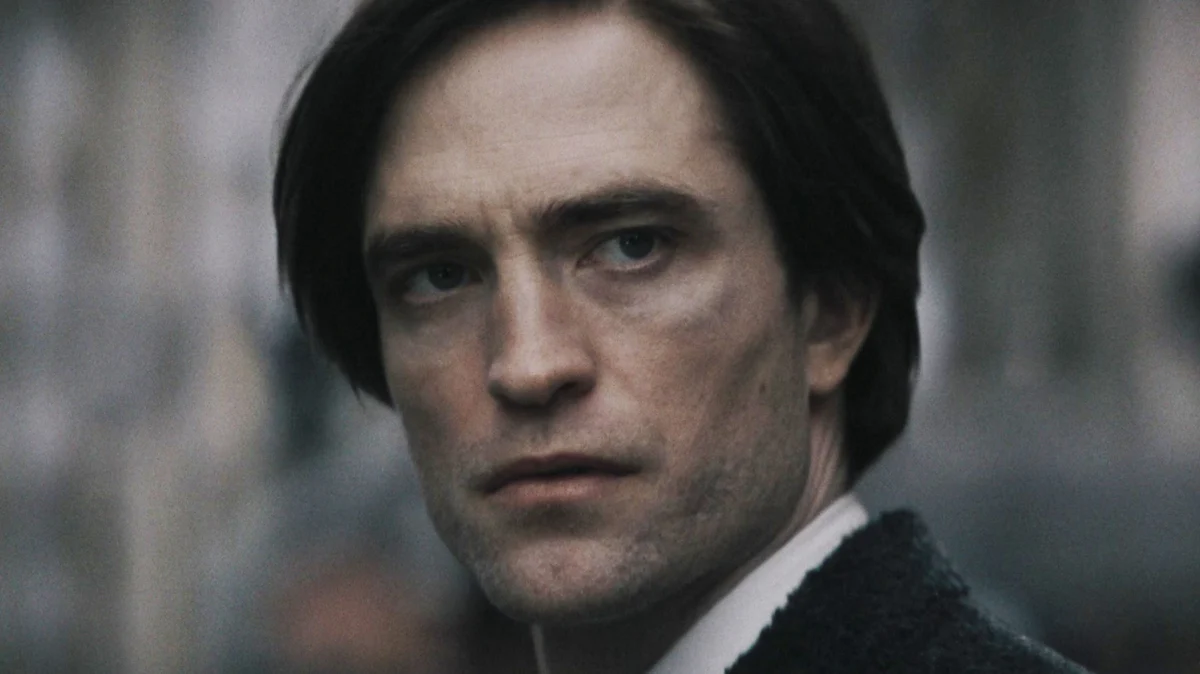
The production of high-stakes superhero blockbusters is rarely a simple affair, but the recent developments surrounding The Batman: Part II have elevated the standard of behind-the-scenes cooperation to a new level. In a move that has stunned industry observers and cinephiles alike, acclaimed director Steven Soderbergh has stepped in to assist Matt Reeves in completing the principal photography for the highly anticipated DC sequel.
Following a production pause initiated in early October 2026—necessitated by personal matters requiring director Matt Reeves’ immediate attention—the studio turned to one of Hollywood’s most efficient and respected filmmakers to ensure the project stayed on track. As Robert Pattinson returns to the cowl, the industry is watching closely, not just for the film’s eventual release, but for this rare instance of director-to-director solidarity.
The Core Facts: A Seamless Transition
The situation, while born of unfortunate circumstances, has been managed with remarkable transparency by both Warner Bros. and the creative team involved. On October 15, 2026, it was confirmed that production on The Batman: Part II would continue under the temporary stewardship of Steven Soderbergh.
Robert Pattinson, who has spent the last several years deeply embedded in the gritty, noir-inspired world of Gotham City, has been vocal about his appreciation for the transition. Speaking with GamesRadar+, the actor did not mince words regarding the nature of the change. "I am so happy [Soderbergh has] come on to help Matt," Pattinson stated. "It’s incredibly generous of him—and he’s doing it in the loveliest way. It’s completely selfless."
The actor’s sentiment highlights a crucial aspect of this arrangement: this is not a takeover, but a tactical reinforcement. Pattinson confirmed that the bulk of the film’s narrative heavy lifting—the script and the primary vision—remains firmly rooted in Reeves’ work. "I think Matt had put so much work into the script, and we’re almost done," Pattinson added. "For someone to come in and say, ‘I just want to help Matt do it; I want to do it in conjunction with him and just get it to the edit.’ And to have someone who’s as talented as Steven doing it is great."
Chronology of the Production Shift
The timeline of these events underscores the volatility of large-scale studio filmmaking. The path to The Batman: Part II has been anything but linear:
- 2024: Warner Bros. and DC Studios announced a one-year delay for the sequel. This decision was largely attributed to the broader restructuring of the DC Cinematic Universe, as the studio sought to align its disparate properties into a more cohesive, "fledgling" shared universe.
- Early October 2026: Production on the sequel is officially placed on hold. Warner Bros. released a brief statement noting that the pause was due to "a personal matter" affecting Matt Reeves. The studio emphasized their "full support" for the director, though speculation immediately began regarding the potential impact on the film’s 2028 release date.
- October 15, 2026: The industry was surprised by the announcement that Steven Soderbergh would join the project to oversee the completion of principal photography.
- Late October 2026: Robert Pattinson confirmed in interviews that production is resuming and that he is scheduled to return to the set, signaling that the pause was effectively managed to minimize downtime.
Official Responses and Creative Integrity
The most significant aspect of this transition is the preservation of the director’s vision. There was an initial fear among fans that a change in director might lead to a tonal shift or a dilution of the specific "Reevesian" aesthetic established in the 2022 original.
Matt Reeves moved quickly to assuage these fears via a public statement on X (formerly Twitter). "Just to be clear, I am not leaving The Batman Part II," Reeves clarified. "I am profoundly grateful to Steven for coming to my aid during this challenging time to help me finish principal photography. Thank you to all for your concern and well wishes."
For his part, Steven Soderbergh has approached the role with humility and a deep respect for the established material. Known for his technical precision and his ability to work within diverse genres, Soderbergh has long been an admirer of Reeves’ work on the first film. He described the 2022 The Batman as "stunning… intentional, specific, and rigorously coherent."
Soderbergh’s directive is clear: he is not there to reinvent the wheel, but to act as a steward of the existing vision. He has reportedly expressed his intention to "generate footage that will integrate seamlessly with what’s already been shot," ensuring that audiences will not be able to discern where Reeves’ direction ends and Soderbergh’s begins.
Implications for the Future of the DC Universe
The involvement of a director of Soderbergh’s stature in a tentpole superhero project has significant implications for how Warner Bros. might approach future production hurdles. Historically, the "re-shoot" or "replacement director" narrative has been a source of PR disasters for studios—often signaling creative friction or a film in trouble.
However, by positioning this move as a collaborative, "selfless" act of professional courtesy, Warner Bros. has successfully shifted the narrative. Instead of a "troubled production," the story has become one of community and professional support.
The Release Date and Beyond
As of now, the February 18, 2028, release date remains intact. The fact that Pattinson has confirmed he is returning to the set suggests that the hiatus was short-lived and that the loss of time was minimal. The primary question remaining for analysts and fans is the nature of post-production. While Soderbergh is helping to finalize the remaining shots, the editing room—often where the final "voice" of a film is cemented—will likely see Reeves back in the driver’s seat once his personal situation permits.
A New Precedent?
This event may set a precedent for "Director-Assistance" models in the industry. As film budgets continue to swell and production schedules become increasingly punishing, the ability to tap into a network of trusted, high-caliber peers to finish a project could become a vital risk-mitigation strategy for studios.
Soderbergh, a director who has often operated outside the traditional studio "blockbuster" system, bringing his expertise to a DC property is a unique marriage of high-art sensibilities and mainstream commercial requirements. His presence adds a layer of prestige to the production, suggesting that even within the rigid framework of a franchise, there is room for a collaborative spirit that prioritizes the health of the filmmaker and the integrity of the work over rigid bureaucratic adherence.
Conclusion: The Path Forward
As production on The Batman: Part II moves into its final phases, the atmosphere surrounding the film remains one of cautious optimism. The fans’ trust in Matt Reeves remains high, and the addition of Steven Soderbergh has, ironically, increased confidence in the quality of the final product.
When audiences eventually sit down in theaters in 2028 to witness the next chapter of Bruce Wayne’s journey, they will be watching a film that survived a moment of crisis through the power of collegial support. The story of The Batman: Part II is already becoming a case study in resilience—a fitting theme for a character whose entire mythology is built upon the ability to overcome darkness, both in Gotham and behind the scenes. For now, the caped crusader returns to the screen with the collective weight of two of Hollywood’s most capable directors behind him, ensuring that the dark knight’s legacy continues, uninterrupted and in good hands.
