
Return of the Gold: How ‘Leprechaun Revenge’ Is Rewriting the Rules of Horror
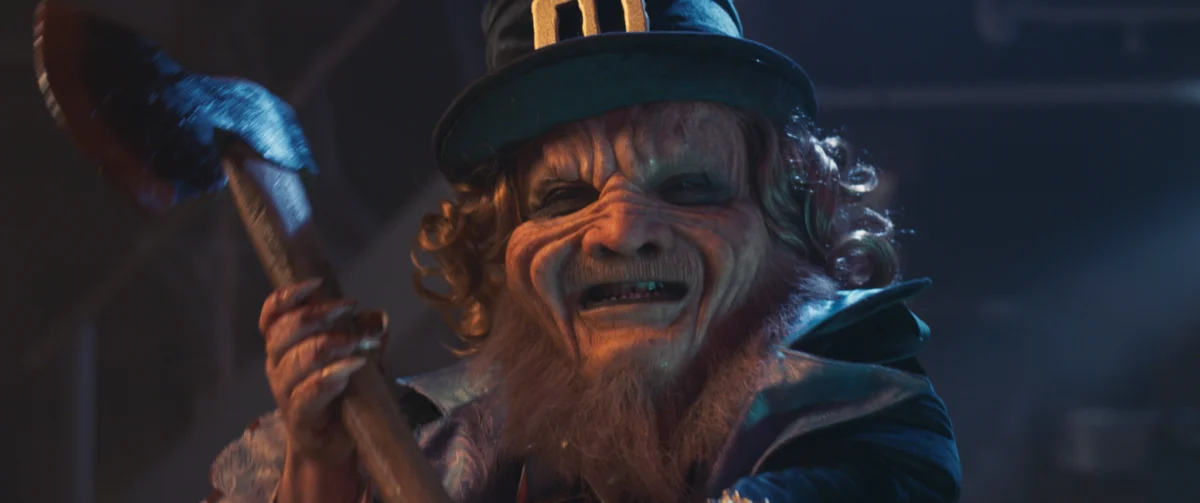
In the landscape of modern horror, few franchises have undergone as tumultuous an evolution as Leprechaun. What began in 1993 as a dark, gritty cult classic devolved over the subsequent decades into a series of increasingly absurd, slapstick-heavy sequels. However, a new contender has emerged to reclaim the franchise’s soul. Fuzz on the Lens Productions, in collaboration with JFR Media, has unveiled Leprechaun Revenge, a high-octane short film that acts as a tonal reset button. By ditching the campy excesses of the mid-2000s and returning to the practical, gore-soaked roots of the original, the Leavy brothers—Michael and Jason—have signaled a potential renaissance for one of cinema’s most notorious antagonists.
The Genesis of a Cult Comeback
Fuzz on the Lens Productions is no stranger to the upper echelons of horror success. Having spent the last decade honing their craft in the realms of practical effects and visceral storytelling, the team has recently basked in the glow of the Terrifier phenomenon. Their work on the franchise has helped turn Art the Clown into a global cultural icon, spawning a massive merchandising empire—ranging from high-end articulated toys to iconic Halloween costumes—and securing a permanent, terrifying footprint at Universal Studios’ Halloween Horror Nights.
Building on this momentum, the Leavy brothers turned their gaze toward a project that had been gestating in their creative minds for years: a direct follow-up to the 1993 Leprechaun. Unlike the official sequels, which often leaned into science fiction or space-bound farce, Leprechaun Revenge is a surgical strike at the heart of the original film’s legacy. By choosing to ignore the convoluted lore that accumulated over the decades, the production team has successfully "de-aged" the franchise, picking up the narrative thread exactly where the 1993 classic left off.
Chronology: From Cult Classic to Modern Resurrection
To understand the weight of what Fuzz on the Lens has achieved, one must look at the timeline of the Leprechaun brand.
- 1993: The original Leprechaun is released. It balances a genuine sense of threat with a dark, twisted sense of humor. It becomes a staple of VHS rental culture.
- 1994–2003: The franchise enters a period of diminishing returns, shifting from horror-comedy to pure, over-the-top camp.
- 2018: Leprechaun Returns attempts to steer the ship back to its roots, introducing actor Linden Porco as the titular character, a performance that resonated with a segment of the fanbase.
- 2026: Fuzz on the Lens releases Leprechaun Revenge. The nine-minute short film creates an immediate viral buzz, praised for its adherence to practical effects and its refusal to rely on the "slapstick" tone that alienated legacy fans.
The short film acts as both a stand-alone piece of entertainment and a "proof of concept." By featuring Mark Holton, who reprises his role as the iconic survivor Ozzie, the brothers have bridged the gap between the original generation of fans and a new, younger audience.
Supporting Data: The Power of Practicality
In an era dominated by CGI, Fuzz on the Lens has made a calculated decision to rely on practical FX. This commitment is not merely an aesthetic choice; it is a philosophy. The tactile, visceral nature of practical makeup and animatronics creates a psychological engagement that digital effects often fail to replicate.
The attention to detail in Leprechaun Revenge is staggering. Sharp-eyed viewers have noted numerous "silent nods" to the lore. For instance, the inclusion of the slingshot used by young Alex Murphy (the protagonist of the original film) serves as a poignant reminder of the series’ roots. Even more telling is the presence of the gold medallion necklace from Leprechaun in the Hood, displayed on a shelf in Ozzie’s home—a piece of "Easter egg" storytelling that demonstrates the filmmakers’ deep reverence for the source material.
The data suggests that this approach is exactly what the modern horror audience craves. Analysis of horror trends over the last five years indicates a significant shift away from the "ironic" horror of the early 2000s toward a preference for "elevated" horror and a return to the tactile grit of the 80s and 90s. By placing themselves at the intersection of this trend, Fuzz on the Lens is positioning their work as the gold standard for franchise revivals.
Official Responses and Creative Intent
The Leavy brothers have been vocal about their methodology: they listen. The success of their past projects is largely attributed to their immersion in the horror community. They are not just producers; they are fans who grew up watching these films on cathode-ray tube televisions.
"We wanted to show the fans that it’s okay to scream and laugh at the same time," says Michael Leavy. This philosophy is evident in the tone of Leprechaun Revenge. It captures the "beautiful mix" of gore and dark humor that made the 1993 film work, successfully avoiding the trap of becoming a caricature.
When asked about the creative direction, the brothers noted that the short was partially a passion project but also a strategic move. The rights to the Leprechaun franchise are currently held by Lionsgate, which inherited the property through its acquisition of Trimark Pictures in 2000. The Leavy brothers have effectively created a "audition tape" for the studio. They are demonstrating, through a high-quality, nine-minute proof of concept, that they possess the vision, the technical skill, and the fan support to handle a full-length feature film in the Leprechaun universe.
Implications: A New Era for the Franchise?
The implications of this short film extend far beyond a YouTube video. It represents a shift in power dynamics within the horror industry. Historically, major studios were the gatekeepers of intellectual property. Today, indie powerhouses like Fuzz on the Lens are using grassroots digital engagement to force the hand of major studios.
If Lionsgate chooses to acknowledge the fervor surrounding Leprechaun Revenge, it could signal a new trend in how intellectual properties are managed. Instead of top-down mandates from executive suites, studios may begin to look at the "fan-made" sector as a talent pipeline.
Furthermore, for the fans, this is a moment of vindication. For years, the Leprechaun series was the punchline of horror debates. Now, there is a tangible path forward that promises to treat the character with the respect and the terrifying edge he deserves. The call to action from the production team is clear: watch the film, engage with the community, and let the rights-holders know that the demand for a serious, gore-heavy Leprechaun installment is not just a niche desire—it is a market reality.
Conclusion
Leprechaun Revenge is more than just a short film; it is a statement of intent. It highlights the potential of Fuzz on the Lens Productions to revitalize a stagnant franchise through a blend of technical mastery and deep-seated fan loyalty. As we look toward the future of the genre, one thing is certain: the appetite for practical, character-driven, and truly frightening horror is higher than ever. Whether or not Lionsgate officially taps the Leavy brothers for a feature-length return to the pot of gold, the impact of their work has already been felt. The leprechaun is back, he is blood-soaked, and this time, he is not playing for laughs.
