The DCU’s Strategic Pivot: How James Gunn is Avoiding the "Marvel Fatigue" Trap
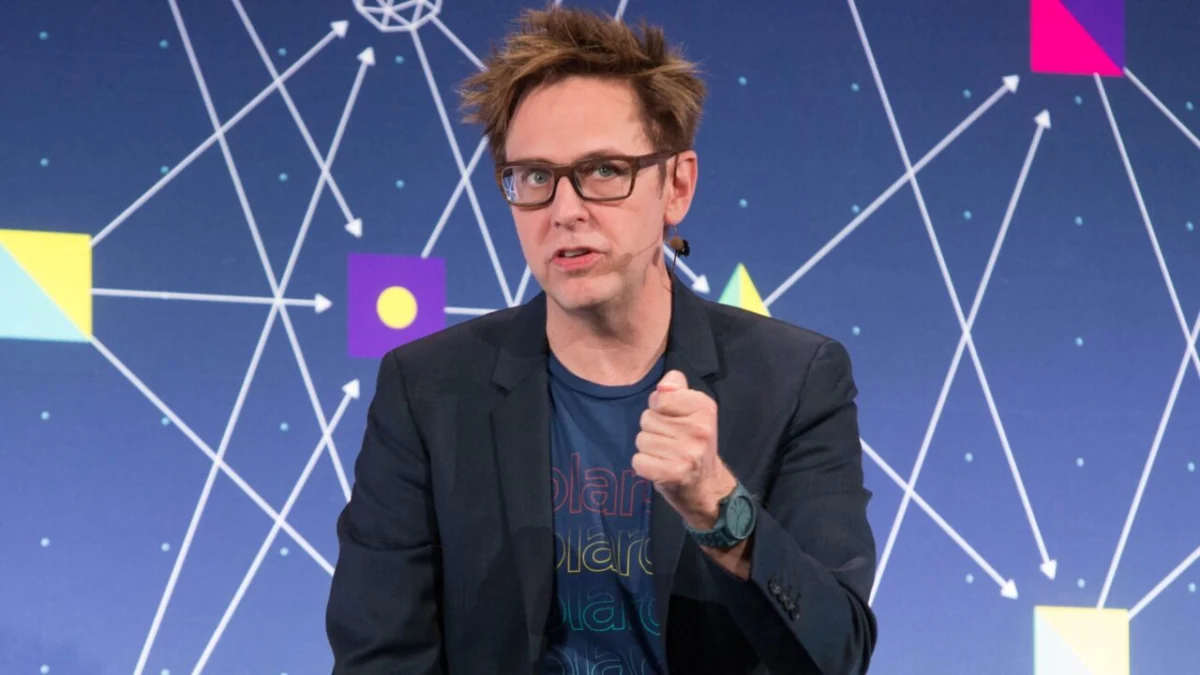
The landscape of modern superhero cinema is undergoing a seismic shift. For over a decade, the Marvel Cinematic Universe (MCU) defined the industry standard: a sprawling, interconnected tapestry characterized by a unified "house style." However, as the genre faces unprecedented audience fatigue, DC Studios—under the creative stewardship of James Gunn—is charting a radically different path. By prioritizing tonal diversity over franchise homogenization, the new DC Universe (DCU) is attempting to solve the very problem that currently threatens the long-term viability of the MCU.
The Core Philosophy: Graphic Novels, Not Just Episodes
The fundamental shift in the DCU’s development process was recently illuminated by Craig Gillespie, the director of the upcoming Supergirl film. In a candid interview with Fandango, Gillespie revealed his initial apprehension regarding the integration of his project into a broader shared universe. Like many filmmakers entering the comic book blockbuster space, he feared that the rigid requirements of a "shared universe" would stifle his creative vision.
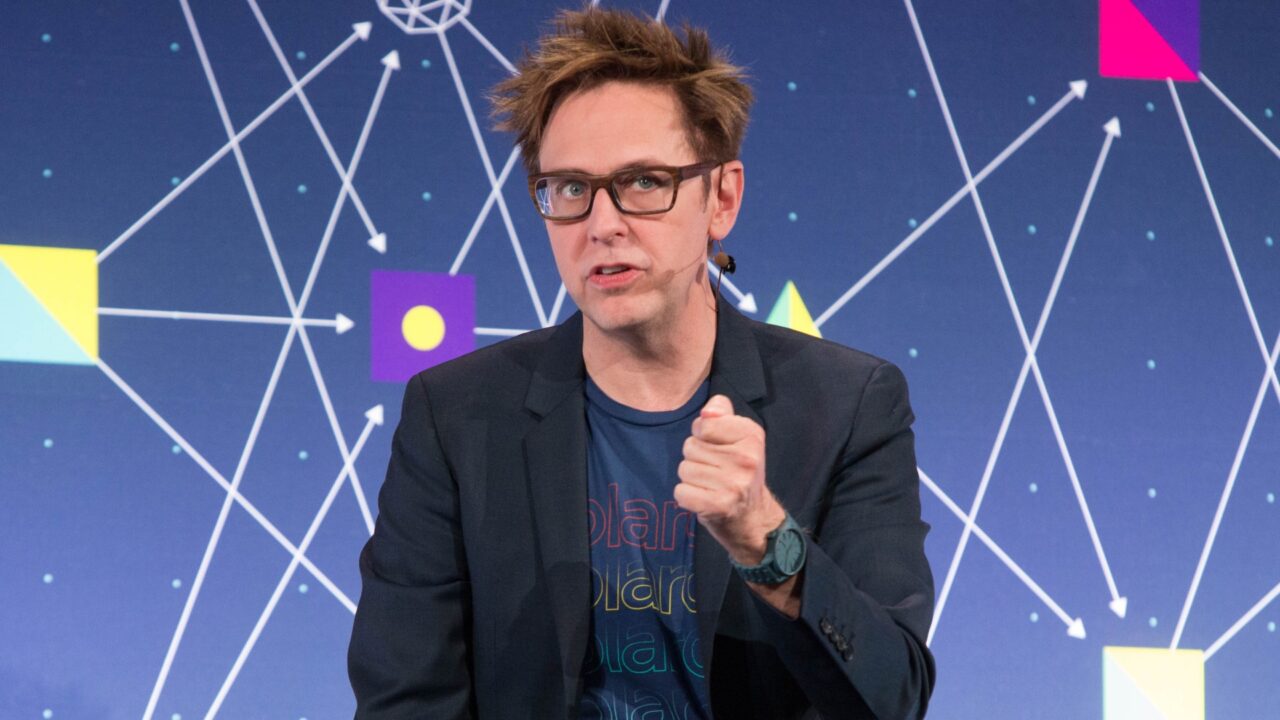
Gillespie’s concerns were alleviated by a direct conversation with DC Studios co-CEO James Gunn. Gunn’s directive was refreshingly simple: "We’re treating this like each is its own graphic novel."
This philosophy represents a departure from the "serialized television" model that defined Marvel’s success in the 2010s. By treating individual films as standalone graphic novels, Gunn is granting directors the autonomy to explore specific genres—whether it be the grounded, psychological horror of a Clayface project or the vibrant, high-flying aesthetic of Supergirl—without forcing them to adhere to a mandated tone or a forced quota of comedic relief.
A Chronology of the "House Style" Problem
To understand why Gunn’s approach is being hailed as a potential industry savior, one must look at the evolution of the superhero genre over the last fifteen years.
- The Foundational Era (2008–2012): The success of Iron Man and The Avengers established a blueprint. Joss Whedon’s influence was paramount; his signature style—characterized by sharp, self-referential banter and a blend of high-stakes action with lighthearted comedy—became the gold standard.
- The Expansion Era (2013–2019): Following the massive success of The Avengers, the MCU formula solidified. Marvel’s "house style" became a double-edged sword. While it created a cohesive, binge-worthy experience, it began to flatten the distinctions between individual directors’ voices.
- The Saturation Point (2020–2024): Post-Endgame, the cracks began to show. As the MCU expanded into streaming series and a wider slate of films, the "quippy" tone became pervasive. Even characters historically defined by their gravity—such as Thor or the Hulk—were increasingly reinterpreted through a comedic lens, leading to what many critics termed "Marvel fatigue."
- The Divergence (2025–Present): With the DCU’s upcoming slate, we are witnessing the first major attempt by a competing studio to explicitly reject the "one-size-fits-all" approach, banking on the theory that audiences are craving variety rather than uniformity.
Supporting Data: Why Tone Matters
Market analysis and audience sentiment data over the last few years suggest that the "formula" is losing its effectiveness. According to various exit polls and social sentiment trackers, the most frequent critique of recent blockbuster offerings is the lack of "distinctive texture."
When audiences go to see a film, they are increasingly looking for a specific emotional experience. In the comic book medium, this variety is baked into the DNA of the industry. DC Comics has long existed as a home for both the whimsical—such as Superman’s Pal Jimmy Olsen—and the visceral, such as Alan Moore’s Swamp Thing.
By attempting to map this diversity onto the big screen, the DCU is leveraging its own history. If Supergirl feels like a soaring, epic adventure, while Clayface provides a gritty, unsettling horror experience, the studio is effectively catering to two different demographics within the same calendar year. This creates a "portfolio" approach to filmmaking, where the success of the brand is not reliant on every single movie appealing to every single viewer, but rather on the brand offering something for everyone.
Official Responses and Creative Freedom
The creative freedom afforded to directors under the current DC regime is not just a PR talking point; it is a structural necessity for the talent involved. Craig Gillespie’s comments underscore that the primary anxiety for directors in the modern era is the fear of being a "cog in the machine."
When Gunn assures his directors that their films can be distinct, he is essentially promising that they will not be forced to shoehorn in cameos or set up sequel hooks that detract from the immediate narrative. This is a direct response to the "homework" problem that plagued the latter half of the MCU’s Phase 4, where casual viewers often felt alienated if they hadn’t consumed every preceding television show or spin-off.
Furthermore, industry insiders have noted that this approach makes the DCU more attractive to auteur directors. Filmmakers who previously avoided superhero projects due to the fear of studio interference are now reportedly more open to discussions with DC Studios, knowing that the "graphic novel" mandate protects the integrity of their specific vision.
Implications for the Future of Superhero Cinema
The implications of this strategy are significant for the broader film industry. If the DCU succeeds in creating a cohesive, interconnected universe that nonetheless allows for radical tonal shifts between films, it will render the "Marvel Formula" obsolete.

However, the challenge remains: can a universe truly feel "connected" if the tone is inconsistent? This is the tightrope James Gunn must walk. He must ensure that while Clayface and Supergirl are stylistically distinct, they still inhabit a world that feels coherent. If he succeeds, the result will be a "multiverse" of tone that maintains the spectacle of a shared universe without sacrificing the artistic merit of the individual film.
Moreover, the competition is not standing still. With Kevin Feige and Marvel Studios moving toward an X-Men-centric future, there is a possibility that Marvel will attempt to pivot as well. However, Marvel’s current trajectory—evidenced by the hiring of directors like Jake Schreier, whose work on Thunderbolts follows a more traditional, ensemble-comedy route—suggests that the studio is doubling down on its established strengths.
This creates a clear market distinction:
- The MCU will likely continue to represent the "Classic Blockbuster" experience—polished, interconnected, and characteristically humorous.
- The DCU is positioning itself as the "Genre-Diverse" alternative—prioritizing directorial voice, stylistic risk, and tonal variety.
Ultimately, James Gunn’s approach is a calculated bet on the maturity of the audience. He is operating under the assumption that fans no longer need to be coddled by a consistent, safe formula. By treating his films with the same reverence as the source material—where a horror story can sit comfortably on a shelf next to a space opera—Gunn is proving that being a "fanboy" in a position of power can be a massive asset. He understands that the strength of DC Comics has never been its consistency, but its capacity for reinvention. If that same spirit is successfully translated to the silver screen, the DCU may well become the new standard-bearer for the next generation of cinema.

As we look toward the release of these upcoming titles, one thing is certain: the era of the "safe" superhero movie is drawing to a close, and the era of the "distinctive" blockbuster has arrived. Whether the audience is ready for this level of variety remains to be seen, but for the first time in a decade, the path ahead feels genuinely unpredictable.
