
A Spooky Crossover: Pinkfong and Dr. Seuss Enterprises Unite for Halloween Spectacle
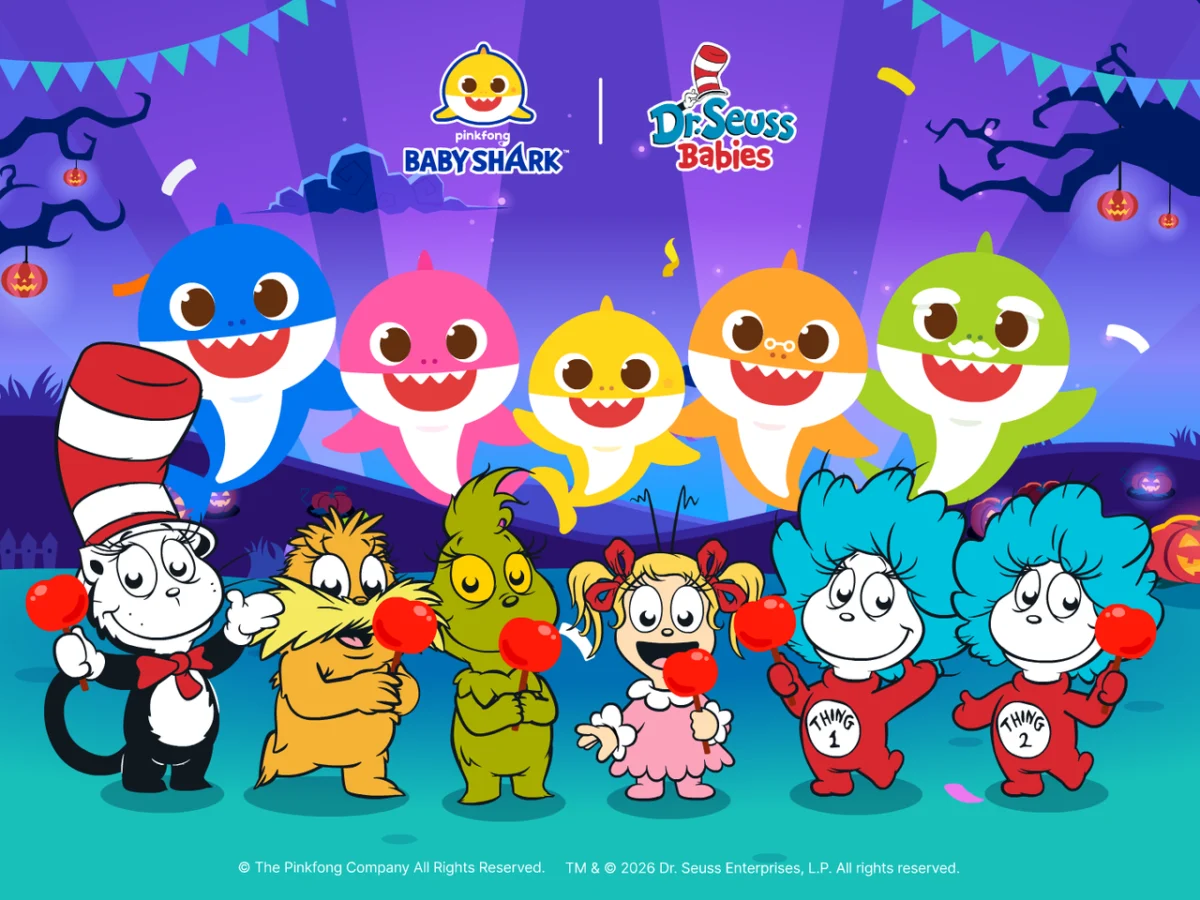
In a landmark moment for children’s entertainment, The Pinkfong Company and Dr. Seuss Enterprises have officially joined forces, bridging two of the most recognizable brands in global media for a special Halloween collaboration. This partnership marks the inaugural crossover between the cultural juggernaut "Baby Shark" and the newly minted "Dr. Seuss Babies" property, resulting in a dual-video release that debuted on YouTube this past Friday.
The collaboration represents more than just a seasonal treat; it is a strategic alignment of intellectual properties designed to capitalize on the digital dominance of both franchises. As the lines between traditional children’s programming and digital-first content continue to blur, this partnership underscores the evolving landscape of kids’ entertainment, where cross-platform synergy and high-engagement short-form content reign supreme.
The Core of the Collaboration: Main Facts
The collaboration consists of two distinct videos, each tailored to different aspects of the respective brands’ YouTube presence.
The first production, titled Oh, No! Halloween Baby Shark!, premiered on the official Pinkfong YouTube channel. This narrative-driven video features the Baby Shark family in the midst of a Halloween celebration when a witch intervenes, casting a spell that disrupts their festivities. To rectify the situation, the Baby Shark family is joined by a cavalcade of iconic Dr. Seuss characters reimagined as infants—including Baby Cat in the Hat, Baby Lorax, Baby Grinch, Baby Cindy-Lou Who, and the mischievous Baby Thing One and Thing Two. The narrative is underscored by a high-energy, swing-style remix of the ubiquitous "Baby Shark" anthem, infused with spooky, seasonal soundscapes.
The second installment, Guess Baby Shark’s Halloween Costume!, debuted on the Dr. Seuss YouTube channel. Produced in collaboration with the digital content agency Little Dot Studios, this interactive video leans into the educational and developmental strengths of both properties. It challenges young viewers to participate in a costume-guessing game, utilizing clues based on color palettes and clothing items to identify the characters. By blending the infectious musicality of Pinkfong with the whimsy and linguistic flair of the Dr. Seuss universe, the companies have created a multifaceted digital experience for their shared audience.
A Chronological Progression of the Partnership
To understand the significance of this crossover, one must look at the trajectories of both properties over the last decade.

- 2015: The "Baby Shark" song is released by Pinkfong, eventually becoming a global cultural phenomenon that transcends language barriers.
- 2021: Nickelodeon announces that a feature-length Baby Shark film is in development, signaling the property’s expansion from short-form digital content into long-form narrative media.
- 2024: Dr. Seuss Enterprises relaunches its official YouTube channel, which subsequently sees explosive growth, gaining over two million subscribers in less than a year. During this period, the company introduces Dr. Seuss Babies, a property designed to bring the classic, often complex characters into a more accessible format for toddlers.
- October 2024: The Pinkfong Company and Dr. Seuss Enterprises finalize their crossover strategy, aligning their release schedules to coincide with the Halloween season.
- Friday, Late October 2024: The two collaborative videos officially premiere, marking the first time these two distinct creative universes have occupied the same digital space.
Supporting Data: The Power of Reach and Engagement
The success of this partnership is grounded in the staggering metrics behind both franchises. "Baby Shark" is, by most metrics, the most successful children’s song of the modern era. Since its debut, the video has amassed more than 17 billion views on YouTube, maintaining its position as the most-watched video in the platform’s history.
Furthermore, the song’s influence has extended into the music industry at large. In 2026, the track officially passed one billion streams on Spotify, making it the first character-driven children’s song to earn a place in the platform’s prestigious "Billions Club." This data point is crucial, as it highlights the song’s longevity and its ability to maintain relevance well beyond the "viral" phase that initially catapulted it to fame.
Dr. Seuss Enterprises, meanwhile, has leveraged the enduring legacy of Theodor Geisel’s work to build a digital-first ecosystem. The rapid growth of their YouTube channel—gaining two million subscribers in a single year—demonstrates a successful pivot toward digital engagement. By reimagining Dr. Seuss characters as babies, the brand has lowered the entry barrier for the youngest demographic, making their content highly competitive with established digital native brands like Pinkfong.
Official Responses: Aligning Visions
The collaboration has been framed by both organizations as a natural evolution of their brand identities. Bitna Kwon, the Chief Strategy Officer at The Pinkfong Company, highlighted the synergy between the two companies during the launch.
"We’re excited to bring Baby Shark and Dr. Seuss Babies together, combining two distinctive creative worlds in a way that celebrates imagination and discovery," Kwon stated. She emphasized that the project is indicative of a broader corporate commitment to fostering family engagement. "This collaboration marks our commitment to finding new ways for families to connect with their favorite characters through engaging and entertaining experiences," she added.
The decision to partner with Little Dot Studios for the Guess Baby Shark’s Halloween Costume! segment also speaks to a broader industry trend of media companies relying on specialized digital production houses to ensure that content is not only entertaining but also optimized for algorithmic discovery and audience retention.

Implications: The Future of Kids’ Media
This crossover serves as a case study for the future of children’s entertainment, where "IP blending" is becoming an increasingly common strategy to consolidate audiences. By sharing audiences, Pinkfong and Dr. Seuss Enterprises are effectively performing a cross-pollination of their fanbases. Fans of the catchy, high-energy musical style of Baby Shark are introduced to the literary, whimsical world of Dr. Seuss, while the latter’s audience is engaged through the high-frequency, rhythmic content that defines the Pinkfong brand.
Moreover, the shift toward "reimagined" characters—specifically the Dr. Seuss Babies concept—reflects a desire to modernize legacy properties for the "iPad generation." This demographic, characterized by short attention spans and a preference for interactive, fast-paced media, requires a different approach than the static books and feature films of the past.
As we look toward the remainder of the decade, it is likely that we will see more of these collaborative efforts. The ability to build, maintain, and expand a brand in the digital age requires constant reinvention. The collaboration between Pinkfong and Dr. Seuss Enterprises suggests that the most successful players will not be those who operate in silos, but those who are willing to merge their creative worlds to provide a richer, more diverse digital landscape for the next generation of viewers.
Ultimately, whether through swing-remixed songs or interactive guessing games, the message is clear: the integration of educational value, high-production music, and legacy character recognition is the new gold standard for children’s media. As Baby Shark continues to evolve from a viral video into a multi-platform franchise, its ability to integrate with historic intellectual property like Dr. Seuss confirms its status as a permanent fixture in the global pop-culture canon.
