
Beyond the Blackout: Reexamining ABC’s Ambitious and Doomed Sci-Fi Mystery FlashForward
Main Facts: The Premise and Creative Pedigree of a Sci-Fi Gamble
In the golden age of mystery-box television—an era heavily defined by the cultural footprint of ABC’s Lost—networks scrambled to capture lightning in a bottle with high-concept sci-fi. Few attempts were as conceptually striking, or as ultimately tragic in their trajectory, as ABC’s FlashForward. Premiering in the fall of 2009, the series was based on Robert J. Sawyer’s acclaimed 1999 philosophical sci-fi novel of the same name.
The premise remains one of the most terrifying hooks in television history: On October 6, 2009, the entire global population simultaneously loses consciousness for exactly two minutes and 17 seconds. During this inexplicable blackout, humanity catches a glimpse of its own future, experiencing a vision of what they will be doing precisely six months later, on April 29, 2010.
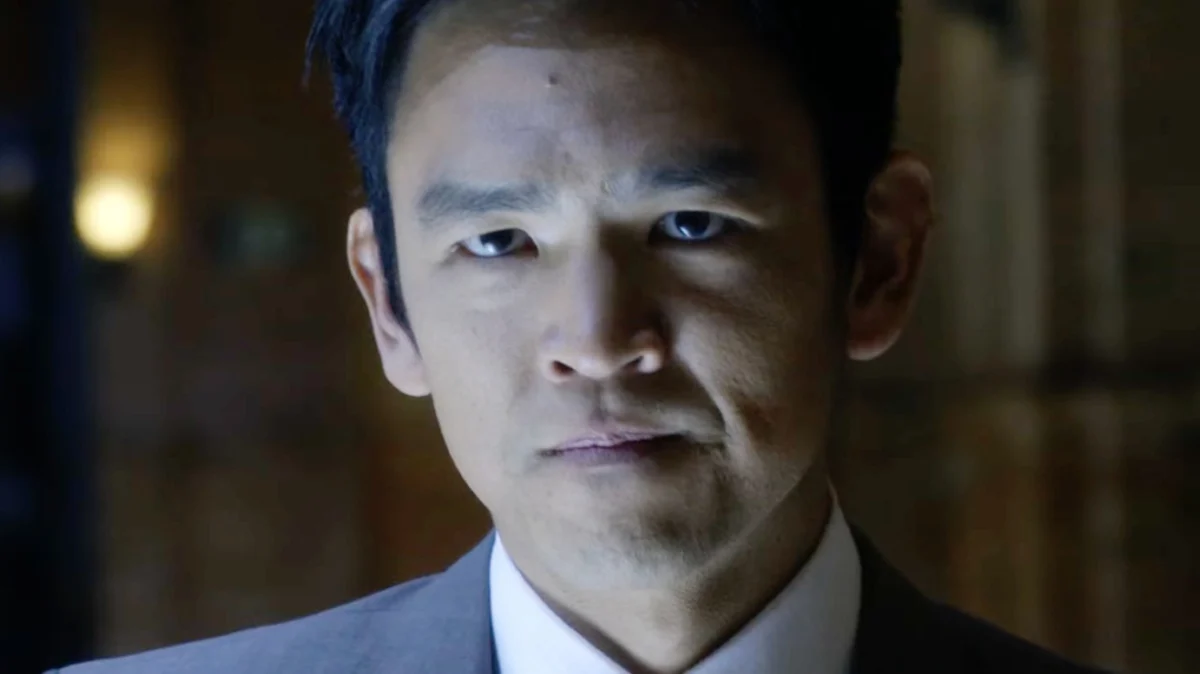
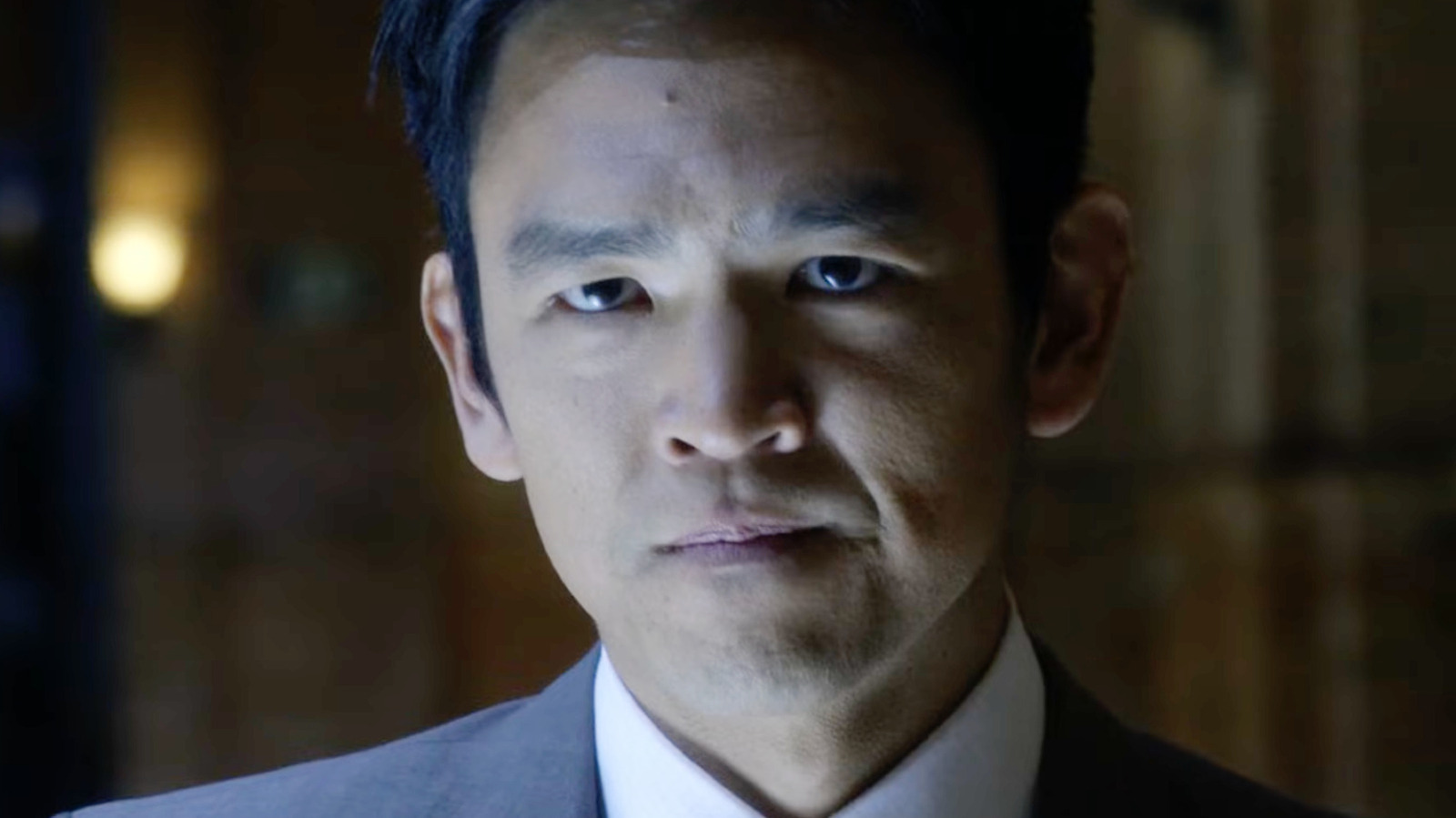
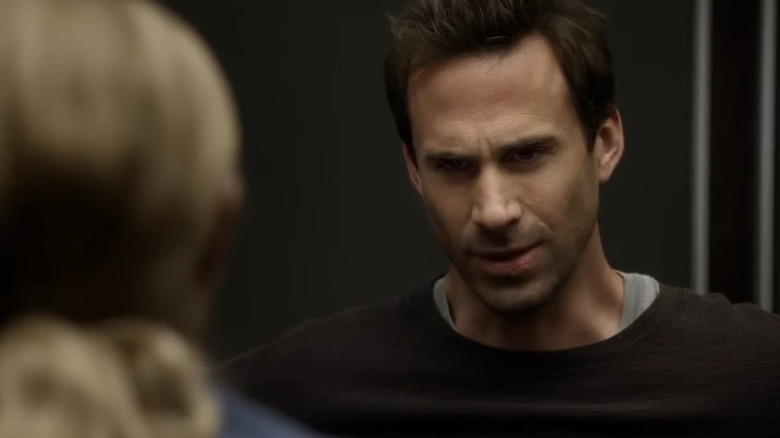
Behind the camera, FlashForward boasted serious sci-fi royalty. It was co-created by Brannon Braga, a luminary of the Star Trek franchise (who notably stepped away from the property following Star Trek: Voyager), alongside celebrated comic book writer and screenwriter David S. Goyer. In front of the camera, the series anchored itself with strong talent, featuring Star Trek franchise veteran John Cho alongside Joseph Fiennes as FBI Special Agents Demetri Noh and Mark Benford. Tasked with spearheading a specialized task force to uncover the catalyst behind the global event, these characters formed the investigative core of a show that attempted to balance hard sci-fi mechanics with sprawling, intimate character drama.
Chronology: The Rise, Complication, and Sudden Fall of a Single-Season Run
The broadcast life of FlashForward was a high-stakes race against its own narrative timeline. Structured deliberately to mirror the six-month gap within its plot, the single 22-episode season was split into two distinct blocks. Part 1 aired from September to December 2009, capturing the immediate panic, societal unraveling, and frantic investigative work following the October blackout. Part 2 ran from March to May 2010, systematically steering the narrative toward the fateful date of April 29, 2010—the exact day everyone had foreseen in their visions.
The Anatomy of the Investigation
As Agents Benford and Noh dig deeper into the global blackout, the series splits its narrative focus between cosmic mystery and personal fallout. The implications of the visions warp the lives of everyone involved:
- Special Agent Janis Hawk (played by Christine Woods) is confronted with a vision showing her receiving a pregnancy sonogram, despite being single at the time of the blackout.
- Dr. Olivia Benford (played by Sonya Walger), Mark’s wife, sees herself engaging in a deeply romantic evening with an unfamiliar man—not her husband.
- Special Agent Demetri Noh faces the most chilling revelation of all: his flash-forward reveals absolute nothingness. This blank slate strongly implies that he will be dead before April 29, 2010, turning his investigation into a desperate race against a seemingly fixed destiny.
- FBI Assistant Director Stanford Wedeck (Courtney B. Vance) provides a grounding, darkly humorous contrast to the existential dread, seeing his future self simply sitting on a toilet reading a newspaper.
Deepening Conspiracies and Narrative Bloat
As the weeks progressed, FlashForward expanded its scope, introducing elements that both enriched and overwhelmed the storytelling. Dominic Monaghan and Jack Davenport joined the cast as Dr. Simon Campos and Dr. Lloyd Simcoe, brilliant minds whose work may have directly caused or amplified the global event.
The mythology quickly grew dense, incorporating high-tech rings that allowed certain individuals to remain awake during the blackout, a shadowy government cabal aiming to weaponize future visions, and an elusive figure hunted by the FBI known as "Suspect Zero." Further muddying the waters was D. Gibbons—also known as Dyson Frost—a mysterious antagonist wielding arcane knowledge of the event.
Despite an ambitious rollout, the sprawling cast of over ten regular characters and a revolving door of high-profile guest stars—including Michael Ealy, Gabrielle Union, Annabeth Gish, and Ricky Jay—proved difficult to manage within a standard network television framework. The complex plotting alienating casual viewers, leading to a steady erosion of the live ratings required to sustain such an expensive production.
Supporting Data: Critical Reception and Audience Metrics
While FlashForward ultimately fell victim to the ratings churn, its critical reception was a complex mix of high praise for its ambition and sharp critiques of its execution.
Critical Acclaim for the Pilot
Upon its debut, media outlets lauded the show’s sheer cinematic scope and audacious opening act. Writing for Salon, prominent television critic Heather Havrilesky crowned it the standout show of the fall 2009 season, drawing favorable comparisons to prestige predecessors like Lost and Fringe.
"You have to love a fall pilot that can incite paranoid thoughts within minutes," Havrilesky wrote. "And who doesn’t enjoy the eerie mood and the sense of mystery and doom built into this picture? No one has any idea what’s going on. And in contrast to the limited scope of similar serial dramas, this phenomenon affects everyone on the planet."
However, critics were quick to pinpoint structural vulnerabilities. Havrilesky and others noted that the pilot leaned into a "wildly cheesy" aesthetic, channeling the hyper-slick, breathless suspense reminiscent of Fox’s real-time thriller 24. As the season progressed, reviewers observed that while the high-concept philosophical questions—chiefly, whether free will can override predetermination—were fascinating, the narrative momentum frequently bogged down in convoluted conspiracy subplots.
The Ratings Decline
The primary metric of television survival—live Nielsen ratings—proved to be the show’s undoing. Opening to strong curiosity-driven numbers with over 12 million viewers for its premiere, FlashForward suffered a steep, consistent viewership decline week-over-week. Network television audiences in the post-Lost landscape demanded immediate, satisfying answers, and FlashForward’s labyrinthine approach tested the patience of viewers who felt the overarching mystery was spinning its wheels. ABC officially canceled the series in May 2010, leaving its final episode to serve as a bittersweet series finale that barely grazed the finish line of its own internal calendar.
Official Responses and Industry Context
The cancellation of FlashForward sparked widespread discourse within the television industry regarding the viability of "mystery-box" serials on major broadcast networks. ABC executives, facing mounting pressure from advertisers and shifting viewing habits, ultimately decided that the sunken costs of production could no longer be justified by the diminishing live-audience returns.
Showrunners and creators addressed the cancellation with a mix of philosophical acceptance and frustration over network television constraints. David S. Goyer and Brannon Braga had envisioned a multi-season arc that would explore the long-term consequences of a world where people knew their definitive end dates. However, the constraints of producing 22 episodes a year for a traditional network forced the writers to stretch thin narrative concepts into padded subplots, diluting the tight, high-concept focus that made the pilot so magnetic.
Industry analysts frequently cite FlashForward as a textbook case of network television overcorrection. In the wake of Lost, networks desperately sought serialized, high-concept properties without recognizing the structural discipline required to sustain them. Where Lost relied heavily on character-centric flashback structures that deepened emotional investment, FlashForward often prioritized plot mechanics, global conspiracies, and cliffhangers over character grounding.
Implications: The Legacy of a Canceled Sci-Fi Experiment
Years after its quiet removal from the television landscape, FlashForward holds a unique place in sci-fi television history. It stands as a fascinating monument to the risks of network television during a transitional period—just before streaming platforms revolutionized serial storytelling by allowing tighter, 8-to-10-episode arcs free from the padding of 22-episode syndication models.
Philosophical Resonance
Beyond its convoluted conspiracies, the core premise of FlashForward remains potent. The question it posed to humanity—If you knew how and when your life changed or ended six months from now, how would you live today?—is a timeless philosophical exercise. For characters like Demetri Noh, knowing he might die created a paralysis of purpose; for others, it forced premature reckonings with infidelity, career choices, and personal mortality.
A Blueprint for What Might Have Been
In retrospect, FlashForward served as a cautionary tale and a missed opportunity. Had it debuted a decade later on a streaming service like Netflix, Apple TV+, or Prime Video, its sprawling global scope, high-concept premise, and serialized mystery might have been streamlined into a tight, cohesive two-season narrative arc without the ratings pressure of traditional weekly broadcast television.
Ultimately, FlashForward failed to foresee its own cancellation, but its legacy endures among sci-fi aficionados. It remains a brilliant, flawed experiment in existential dread—a show that dared to ask what happens when the entire world stops, looks into the future, and discovers it cannot look away.
