
Beyond the Mainstream: Uncovering Hidden Masterpieces in Fantasy Video Games
Main Facts
The fantasy genre has long been a cornerstone of the interactive entertainment industry. Because video games rely entirely on digital architecture and algorithmic design rather than the physical constraints of live-action cinema or printed literature, developers possess a unique canvas. They can craft worlds, physics engines, and narrative structures that would be physically or logistically impossible in any other medium.
While blockbuster franchises like The Elder Scrolls, The Witcher, and Final Fantasy routinely dominate cultural conversations and sales charts, the sheer volume of yearly releases means that exceptional titles are frequently overshadowed. A vast catalog of brilliant, innovative, and deeply immersive fantasy video games remains critically underplayed by the general public. From strategic table-top adaptations and time-loop puzzle adventures to dark, plague-ridden Soulslikes and satirical meta-RPGs, these hidden gems offer experiences that rival—and occasionally surpass—their mainstream counterparts. This comprehensive retrospective explores eight of the most compelling, overlooked fantasy video games that demand a spot on every gamer’s playlist.
Chronology of Overlooked Innovations (2013–2024)
The trajectory of independent and mid-tier fantasy video game development over the past decade highlights a continuous push toward narrative and mechanical experimentation.
- 2013 – The Cult Classic Metadigital Era (Anodyne): Analgesic Productions launched Anodyne, setting a precedent for self-aware, fourth-wall-breaking indie design that subverted the traditional "chosen one" trope using surrealist top-down mechanics.
- 2018 – High-Concept Time Manipulation (Minit): Devolver Digital published Minit, introducing a strict sixty-second survival constraint that transformed standard isometric puzzle-adventure gaming into a masterclass of frantic, micro-managed exploration.
- 2019 – Artistic Reclamation (Concrete Genie): Sony Interactive Entertainment championed unique environmental storytelling with Concrete Genie, blending magical realism, bullying themes, and creative street art mechanics on the PlayStation 4.
- 2022 – Genre-Bending Fluidity (Nobody Saves the World & Thymesia): DrinkBox Studios redefined dungeon crawling through rapid, chaotic shapeshifting in Nobody Saves the World, while Team17 pushed the Soulslike genre into aggressive, plague-centric territory with Thymesia.
- 2023 – Deep Fantasy Expansions (For the King II, Immortals of Aveum, The Last Faith, & Bleak Faith: Forsaken): A bumper year for overlooked fantasy titles saw Curve Games expand tabletop tactical depth, EA pivot away from traditional shooters toward spell-casting combat, Kumi Souls Games lean into Gothic Metroidvania horror, and Archangel Studios pioneer sprawling science-fantasy architectures.
- 2024 – Historical Low-Fantasy Integration (The Thaumaturge): 11 Bit Studios successfully married early 20th-century geopolitical tension in Russian-occupied Warsaw with supernatural investigation and turn-based tactical dueling.
Supporting Data: Deep Dive into the Hidden Catalog
To understand why these titles deserve attention, it is necessary to examine their core design philosophies, mechanical hooks, and narrative frameworks.

1. For the King II (2023) — Developed by IronOak Games / Published by Curve Games
Building upon the cult success of its predecessor, For the King II refines the formula for enthusiasts of tabletop role-playing games. The title utilizes hexagonal grid-based movement reminiscent of tactical board games like Heroscape, paired with deep, turn-based combat and roguelike mechanics such as procedural map generation and permanent death.
- The Narrative: Players control a band of resistance fighters trying to overthrow a tyrannical queen.
- Design Philosophy: The game refuses to hold the player’s hand, offering a steep difficulty curve that rewards tactical synergy, class balancing, and resource management. Despite its challenging entry barrier, it provides endless replayability.
2. Minit (2018) — Developed by JW, Kitty, Jukio, & Dom / Published by Devolver Digital
Minit presents a brilliant high-concept gimmick: you control a duck-like protagonist who, upon picking up a cursed magic sword on a beach, is doomed to die precisely every sixty seconds.
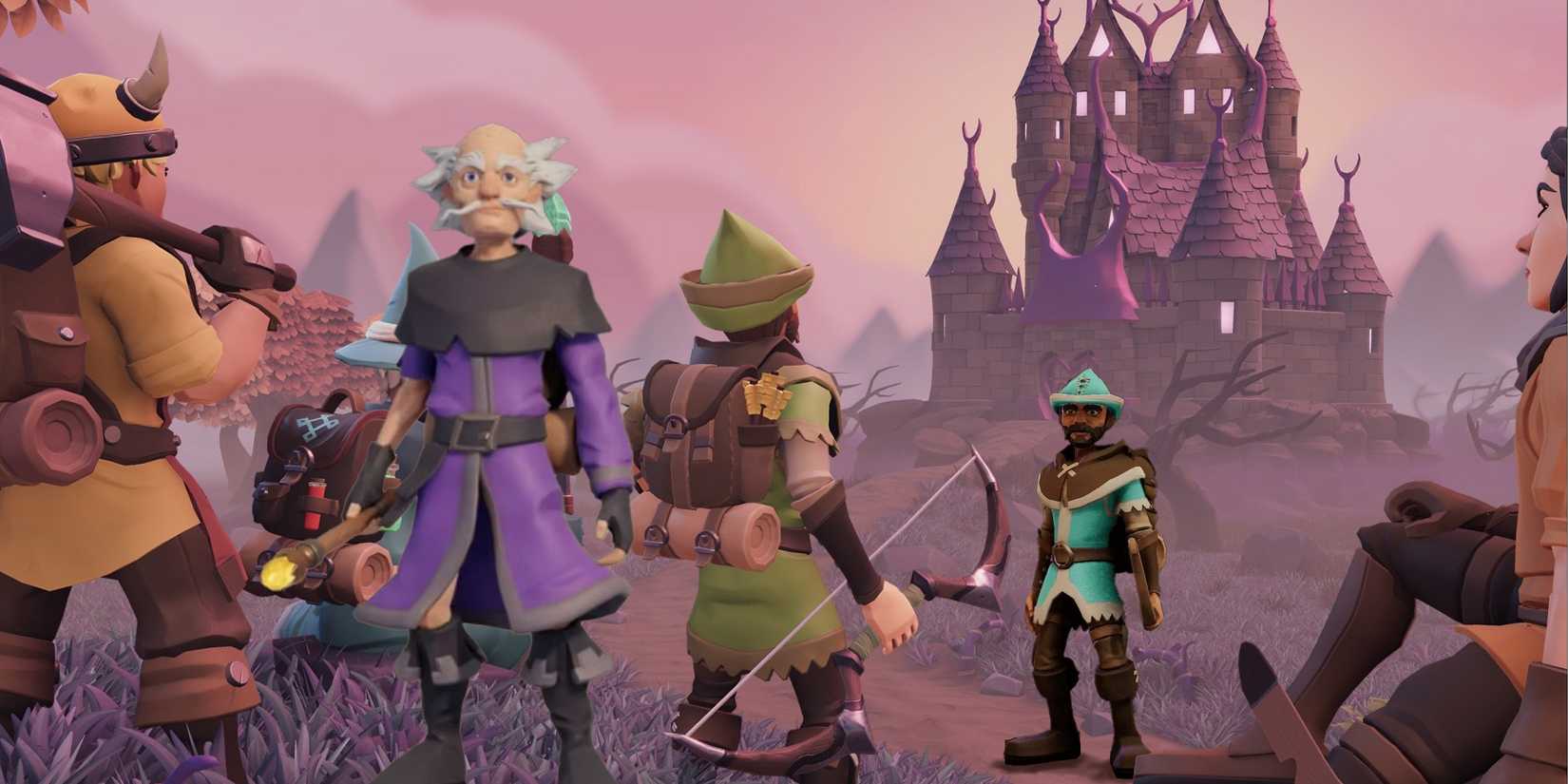
- The Loop: Upon death, players respawn at their home base. While progress and collected items are retained, spatial positioning resets entirely.
- Design Philosophy: The overworld is intricately designed with shortcuts and secrets tailored to micro-navigation under strict time pressure. Beneath its monochrome, minimalist aesthetic lies a surprisingly poignant, subtle political commentary.
3. Immortals of Aveum (2023) — Developed by Ascendant Studios / Published by Electronic Arts
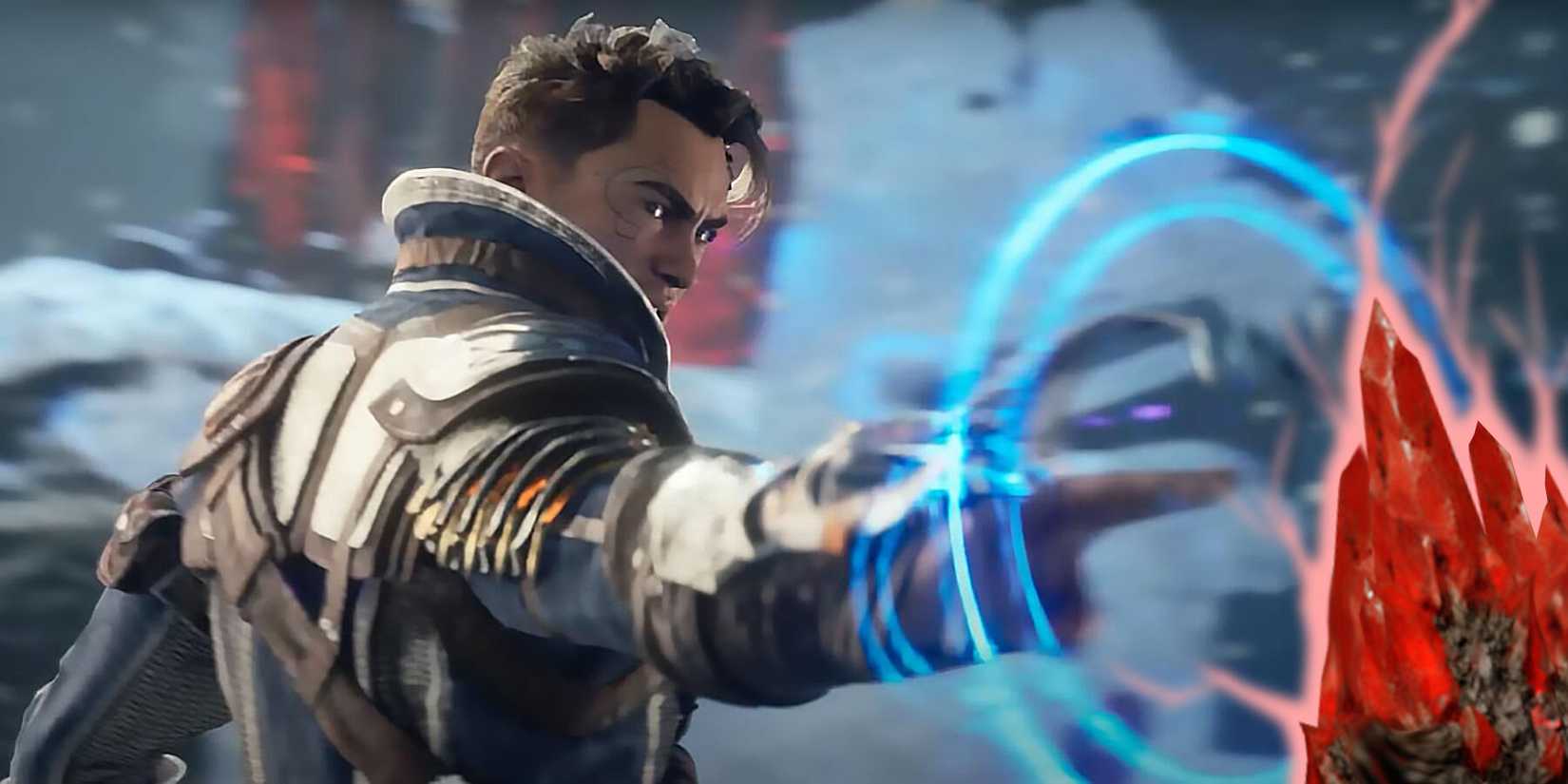
While the first-person shooter genre is overwhelmingly saturated with firearms, Immortals of Aveum swaps bullets for raw arcane power.
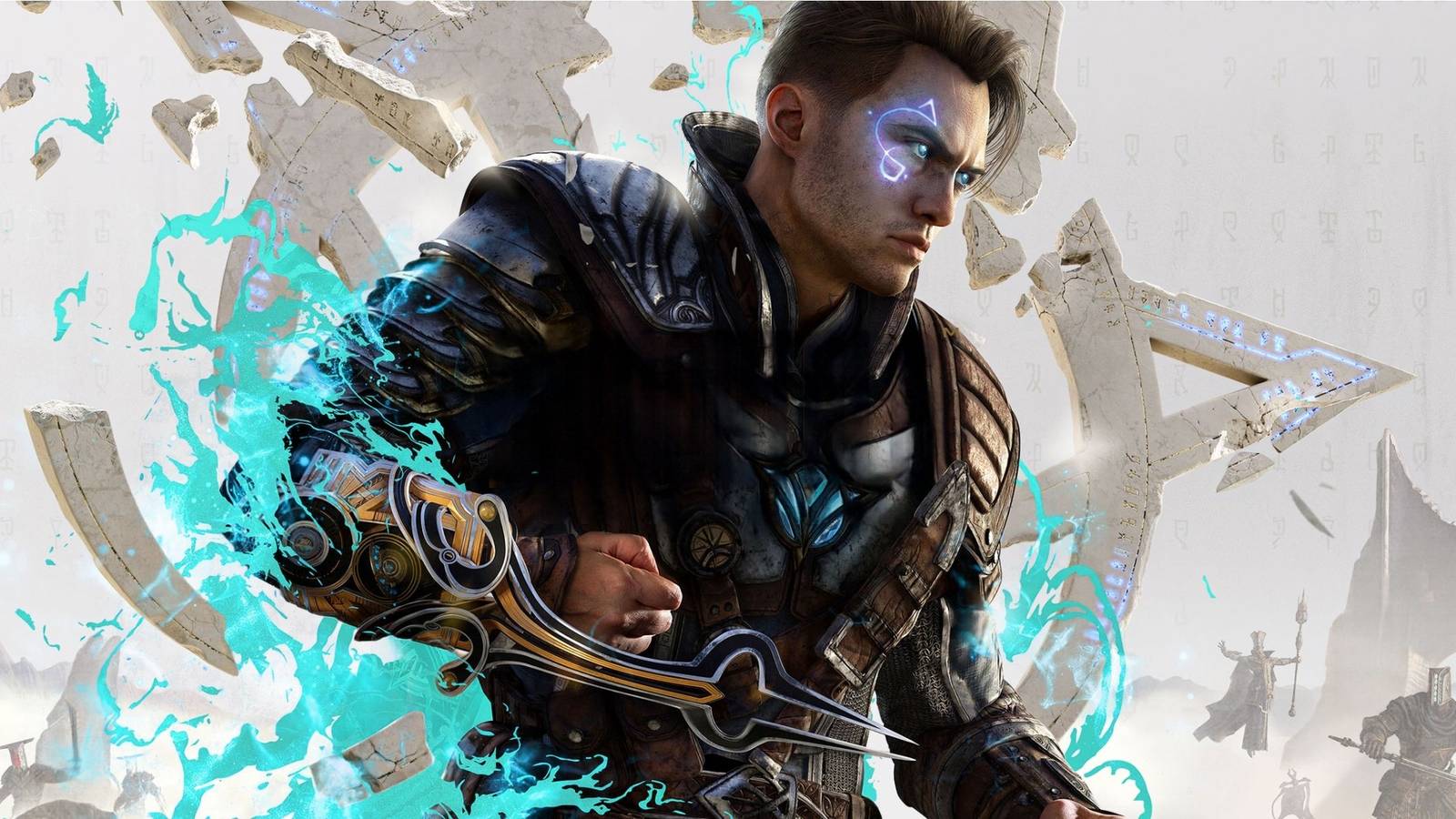
- The Mechanics: Players engage in fast-paced, fluid combat where hands act as casting foci, categorized into distinct magical colors (Blue, Red, and Green).
- The Narrative: Set in a world consumed by the "Everwar" between the kingdoms of Lucium and Rasham, the story follows Jak, an unexpected street-urchin-turned-battlemage dragged into a conflict far larger than himself. It remains one of the generation’s most visually striking yet commercially overlooked AAA single-player experiments.
4. Nobody Saves the World (2022) — Developed and Published by DrinkBox Studios
In this top-down action RPG, players control "Nobody"—a blank, white clay-like entity devoid of facial features who wakes up with no memory of his identity.
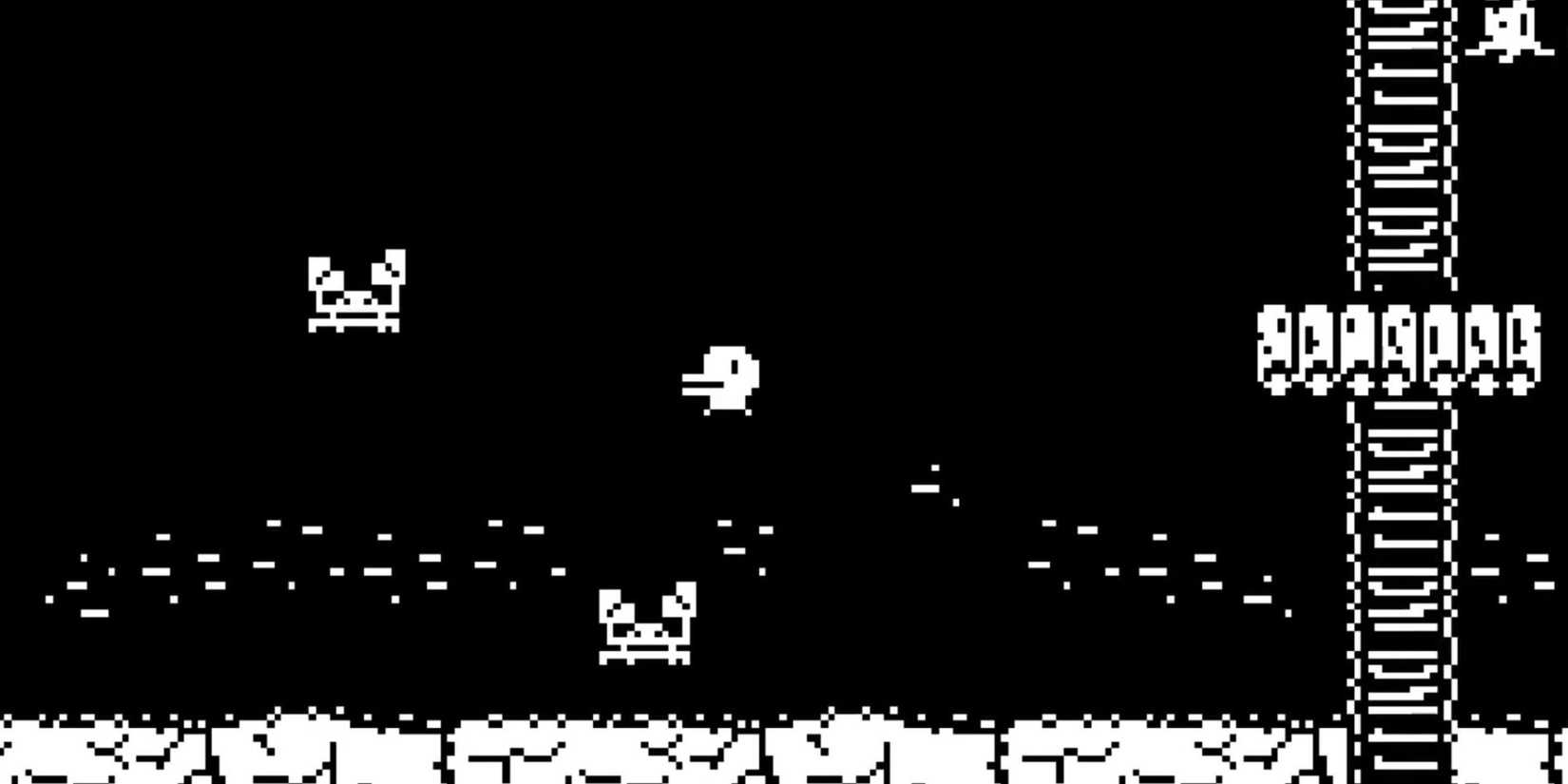
- The Mechanic: After acquiring a magical wand from a missing wizard, Nobody gains the ability to seamlessly transform into 18 distinct forms, ranging from a speedy mouse and a muscular horse to a heavy-duty robot and a fire-breathing dragon.
- Design Philosophy: Infused with satirical humor reminiscent of Terry Pratchett’s Discworld novels, the game forces players to mix and match active and passive abilities across various forms to solve dungeon modifiers and defeat monstrous threats.
5. Thymesia (2022) — Developed by OverBorder Studio / Published by Team17
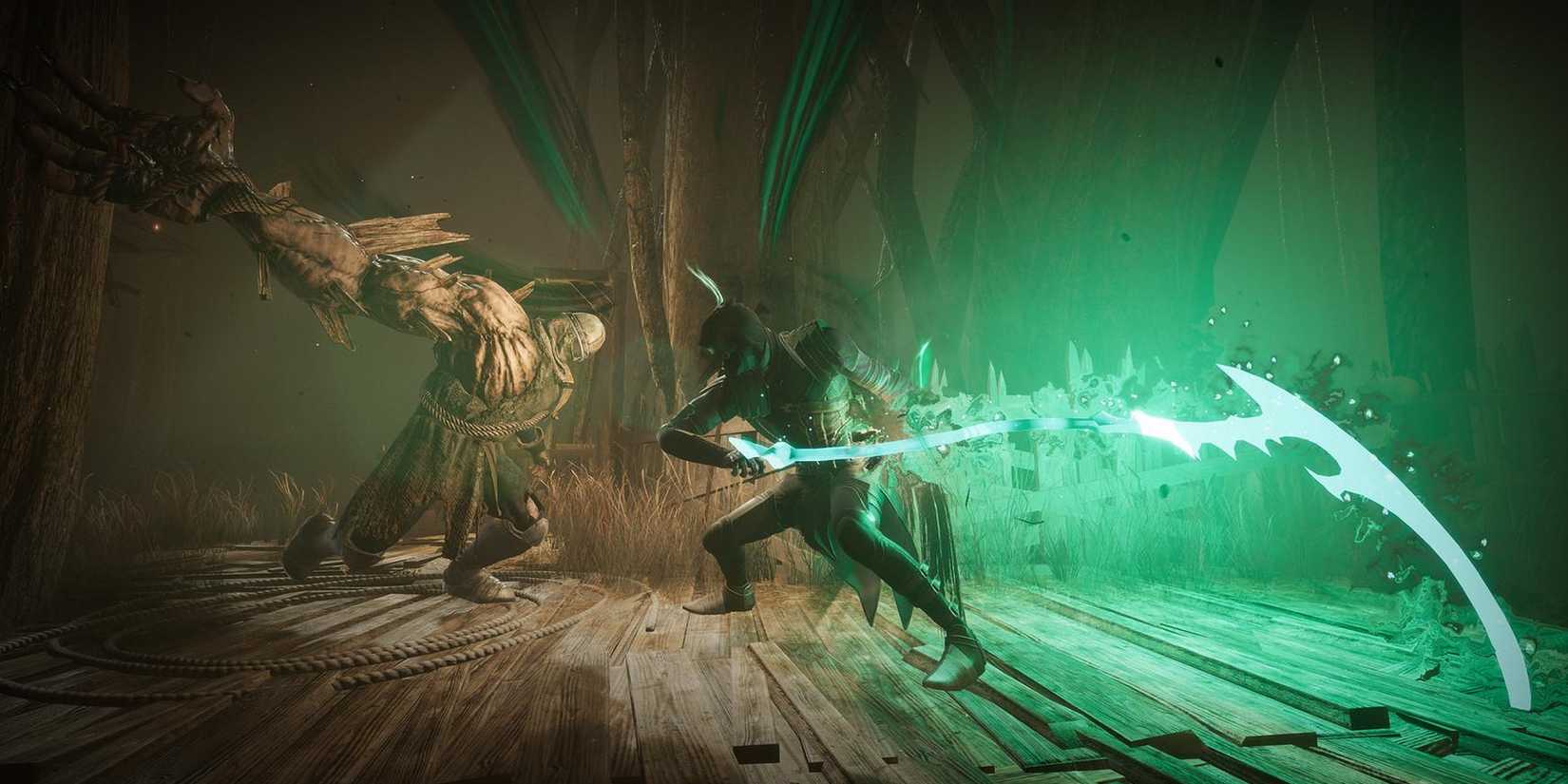
Thymesia offers a unique spin on the traditional FromSoftware-inspired Soulslike formula. Set in the fallen Kingdom of Hermes—which collapsed after an alchemical plague mutated its citizens into vicious beasts—players assume the role of Corvus, a plague-doctor-masked amnesiac.
- The Mechanics: Moving away from purely passive evasion, Thymesia forces aggressive offense. Enemies possess two health bars: a standard gauge and a true health bar. Players must strip away standard health using claw attacks or stolen plague weapons to inflict permanent damage before regeneration occurs.
6. The Last Faith (2023) — Developed by Kumi Souls Games / Published by Playstack
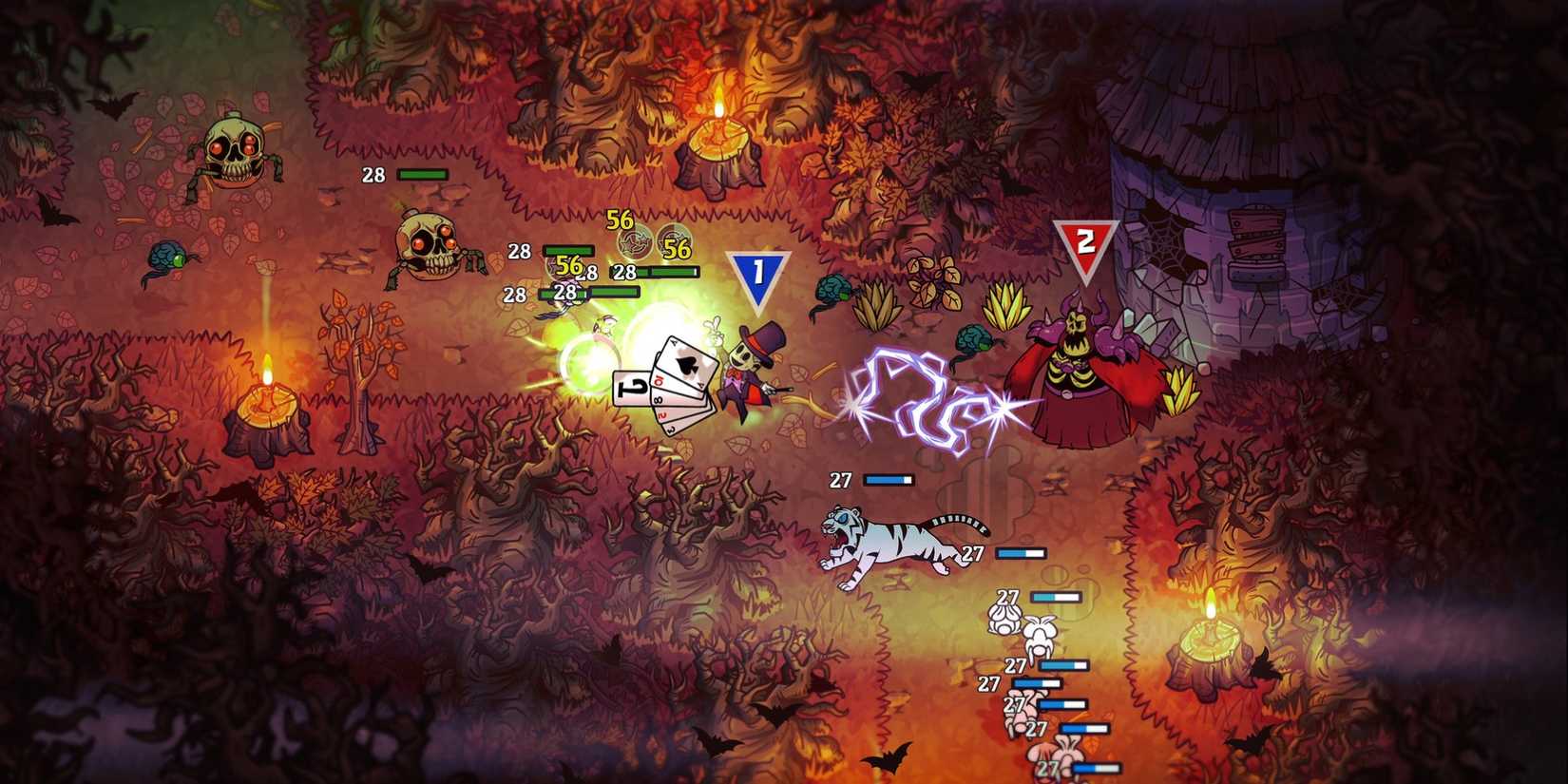
Blending Metroidvania exploration with Gothic-horror aesthetics inspired by Castlevania and Bloodborne, The Last Faith delivers a dark, atmospheric journey.
- The Mechanics: Players utilize a versatile arsenal featuring both cold steel melee weaponry and arcane firearms.
- Design Philosophy: While it does not drastically reinvent the Metroidvania genre, its punishing boss designs, intricate platforming layouts, and rich pixel-art presentation cement it as a high-tier alternative for fans of dark fantasy exploration.
7. Concrete Genie (2019) — Developed by Pixelopus / Published by Sony Interactive Entertainment
A PlayStation 4 exclusive gem, Concrete Genie follows Ash, a bullied teenage artist living in the desolate seaside town of Denska, which has been choked of life and color following an industrial oil spill that unleashed a magical darkness.
- The Mechanics: Armed with a magical paintbrush, Ash brings his vibrant creature drawings ("genies") to life on the city’s concrete walls. These spirits assist him in solving environmental puzzles, clearing the darkness, and restoring light to the town.
- The Narrative: The game serves as an emotional exploration of bullying, creative expression, and urban reclamation.
8. Bleak Faith: Forsaken (2023) — Developed and Published by Archangel Studios
Representing the ambitious heights of indie science-fantasy, Bleak Faith: Forsaken drops a nameless protagonist into the "Omnistructure"—a colossal, ever-expanding megastructure that houses the remnants of a forgotten civilization.
- The Mechanics: Combining traditional Soulslike swords-and-sorcery melee mechanics with towering sci-fi industrial architecture, the game offers an unparalleled sense of scale.
- Design Philosophy: Although plagued by technical optimization hurdles at launch, its intoxicating atmosphere and environmental mystery make it a haunting experience for dedicated explorers of dark digital worlds.
Official Responses and Industry Context
The commercial performance of mid-tier and independent fantasy games highlights a widening chasm within the modern gaming ecosystem. Industry analysts frequently point out that while billion-dollar franchises secure massive marketing budgets, highly innovative titles often struggle for visibility.
Spokespersons from independent studios like DrinkBox (Nobody Saves the World) and OverBorder (Thymesia) have repeatedly emphasized in post-launch developer roundtables that discovery algorithms on major digital storefronts (such as Steam, PlayStation Network, and Xbox Marketplace) favor established live-service giants. Consequently, unique single-player experiences rely heavily on word-of-mouth recommendations, critical reappraisals, and subscription services (such as Xbox Game Pass and PlayStation Plus) to find their intended audiences long after their initial launch windows.
Implications for the Future of Fantasy Gaming
The enduring appeal of these overlooked titles carries profound implications for the trajectory of interactive storytelling:
- Mechanical Fatigue vs. Innovation: As mainstream franchises rely increasingly on familiar open-world checklists, indie developers are proving that tightly scoped, high-concept mechanics (like Minit’s 60-second loop or Concrete Genie’s painting mechanics) yield richer emotional resonance.
- The Rise of Cross-Genre Hybridization: The successful blending of genres—such as The Thaumaturge merging turn-based historical fiction with supernatural investigation, or Bleak Faith fusing medieval Soulslike combat with cosmic sci-fi architecture—demonstrates that strict genre boundaries are increasingly obsolete.
- Preservation of Artistic Risk: As publishing conglomerates become more risk-averse, the financial and cultural survival of these hidden masterpieces relies on consumer willingness to venture beyond the top ten best-seller lists. Supporting these titles ensures that developers will continue to push the boundaries of what fantasy video games can achieve.
