
Bryan Cranston Leads Heartbreaking Tributes as ‘Breaking Bad’ Star RJ Mitte Dies at 34
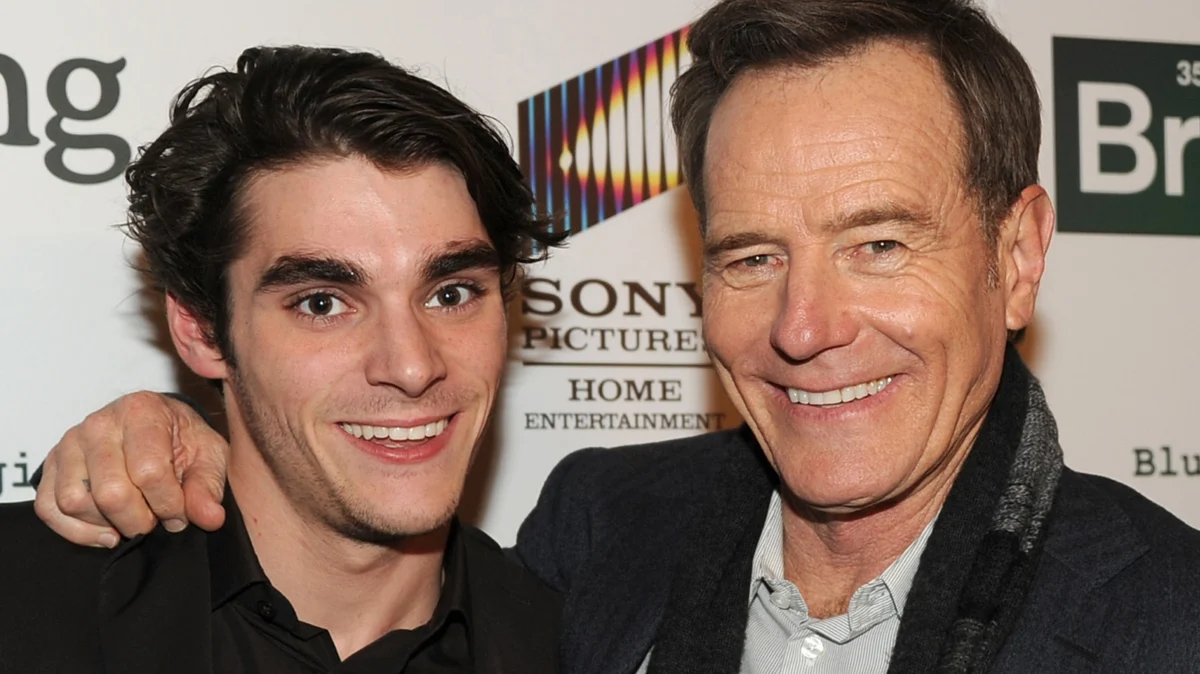
LOS ANGELES — The entertainment industry is in mourning following the tragic passing of RJ Mitte, best known for his unforgettable portrayal of Walter White Jr. on AMC’s critically acclaimed landmark series Breaking Bad. Mitte died by suicide at the age of 34, a representative confirmed.
The devastating news has sent shockwaves through Hollywood, prompting an outpouring of grief from fans, colleagues, and television executives. Foremost among the mourners is Emmy Award-winning actor Bryan Cranston, Mitte’s on-screen father, who penned a deeply personal and heartbreaking tribute expressing his profound sorrow and disbelief.
Main Facts: A Sudden and Tragic Loss
RJ Mitte’s passing marks the premature end of a life and career that left an indelible mark on television history. Best recognized for playing Walter White Jr.—affectionately known to fans as Flynn—Mitte brought authenticity, warmth, and resilience to a character navigating the chaotic crossfire of his father’s descent into the methamphetamine trade.
According to representatives, Mitte died by suicide. The suddenness of the loss has left those closest to him grappling with shock, particularly given how recently they had been in contact. Mitte, who was born with cerebral palsy, used his platform not only to deliver a nuanced, breakout performance on one of the 21st century’s defining TV shows, but also to tirelessly advocate for performers with disabilities, proving to be a trailblazer in an industry historically slow to embrace true representation.
Chronology: From a 14-Year-Old Newcomer to a Television Icon
The Early Days in Albuquerque
When production began on the pilot of Breaking Bad in February 2007, RJ Mitte was just 14 years old. Casting directors and series creator Vince Gilligan discovered a young actor who was, in the words of his television father Bryan Cranston, "pretty raw" yet overflowing with raw potential.
Cast as Walter White Jr., Mitte stepped onto a demanding set alongside seasoned professionals like Cranston and Anna Gunn. Despite being a teenager entering a high-pressure environment, Mitte met the grueling shooting schedule head-on. Cranston noted that the young actor approached his work with unmatched joy and enthusiasm, never once allowing his cerebral palsy to serve as an excuse for anything.
Growing Up on Screen
Over five transformative seasons, audiences watched Mitte grow up in real-time. As the narrative stakes escalated for Walter White and his family, Mitte’s character evolved from a wholesome, breakfast-loving teenager into a deeply conflicted young man struggling to comprehend the monstrous reality of his father’s double life.
Behind the scenes, Mitte absorbed the mentorship of Cranston and Gunn. Cranston recalled that while Mitte was eager to listen to advice, he was still a teenager at heart—occasionally ignoring counsel to learn valuable lessons the hard way. Slowly and steadily, that raw newcomer transformed into a remarkably refined television actor capable of holding his own in heavy, emotionally devastating dramatic scenes.
Post-Breaking Bad Endeavors and Advocacy
After the spotlight on Breaking Bad dimmed with the show’s epic 2013 series finale, Mitte did not fade into obscurity. Instead, he leveraged his platform to become a fierce, vocal advocate for performers with disabilities. He took on leadership roles within philanthropic organizations dedicated to empowering and elevating the disabled community.
Furthermore, Mitte continued to work in film, television, and modeling, defying traditional casting stereotypes and opening doors for a new generation of diverse talent. Just weeks before his tragic death, Mitte had been in casual communication with Cranston, coordinating schedules to catch up over lunch—a stark reminder of how fragile life can be behind the public eye.
Supporting Data and Background: The Legacy of Walter White Jr.
To understand the cultural footprint of RJ Mitte, one must look at the unique space his character occupied in Breaking Bad. In a gritty, hyper-masculine neo-Western filled with ruthless drug lords, cartel hits, and corrupt lawyers, Walter White Jr. served as the moral anchor of the series—the ultimate symbol of the innocent collateral damage caused by Walter Sr.’s ego and greed.
- Breakthrough Representation: Mitte’s casting was a watershed moment for disability representation on television. Unlike many actors cast to play characters with disabilities, Mitte shared the condition in real life. However, he consistently emphasized that his abilities defined his work ethic, not limitations.
- Critical Acclaim: While Cranston and Aaron Paul dominated the Emmy categories, the ensemble cast of Breaking Bad—including Mitte, Anna Gunn, and Dean Norris—shared in the series’ two wins for Outstanding Drama Series (2013 and 2014) and a Screen Actors Guild Award for Outstanding Performance by an Ensemble in a Drama Series in 2014.
- Cultural Longevity: More than a decade after the series ended, Walter White Jr. remains a pop-culture touchstone, inspiring countless internet memes, fan analyses, and retrospective discussions about television’s greatest family dramas.
Official Responses: Bryan Cranston’s Heartbroken Farewell
The entertainment world has responded with a unified wave of condolences, led by a poignant, tear-jerking Instagram tribute from Bryan Cranston.
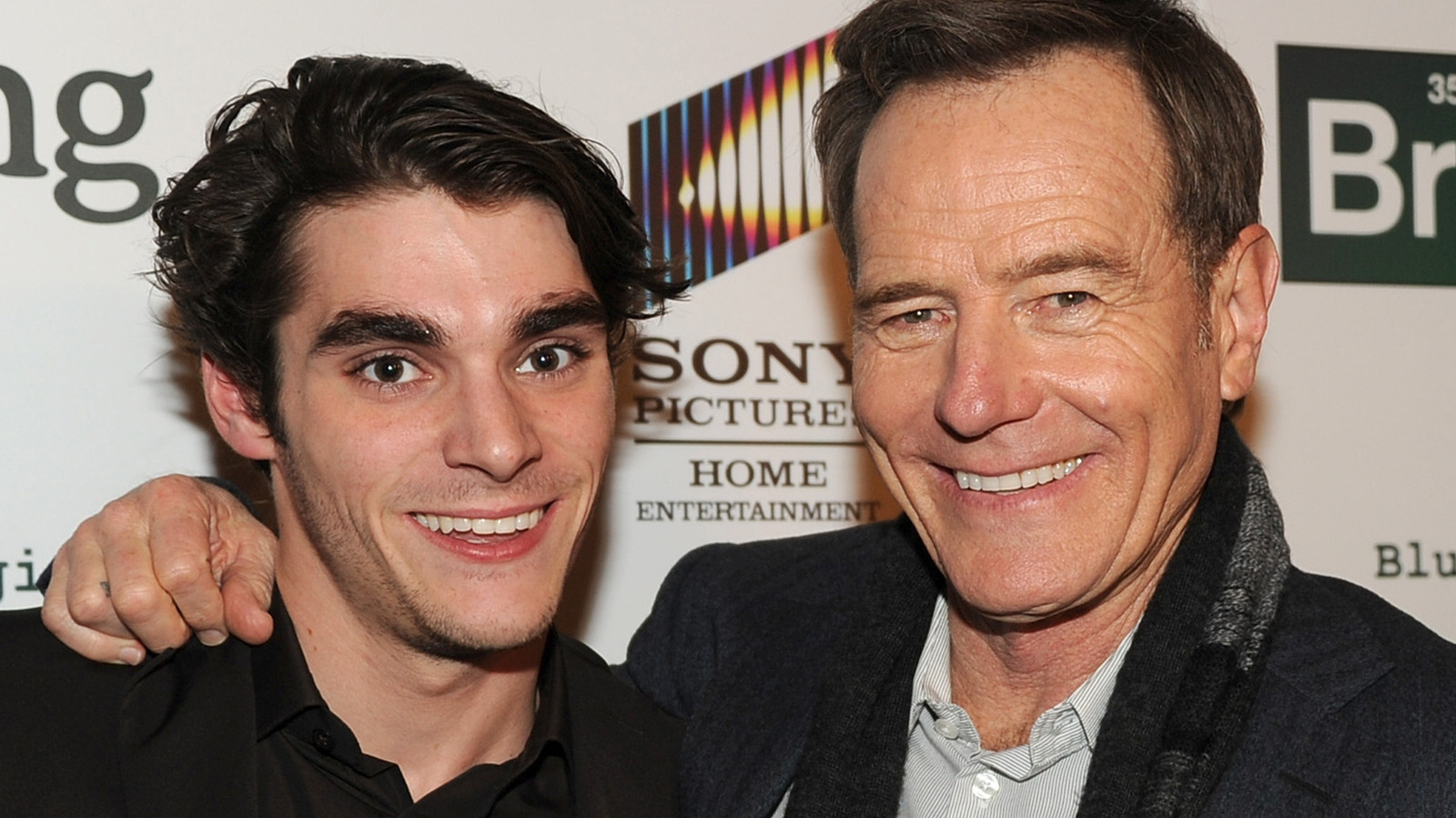
"I am in deep despair over the news of my ‘Breaking Bad’ co-star RJ Mitte’s death at age 34," Cranston shared online, accompanied by photos of the two actors from their days on set.
"I met him when he was only 14 years old when he was cast as Walter White Jr., a part he played with such joy and enthusiasm. Born with Cerebral Palsy, he never — ever — allowed that challenge to be an excuse for anything. He met the demanding shooting schedule head on with great determination. Always listening to the advice that his TV parents (Anna Gunn and myself) gave him, but being a teenager, sometimes mischievously ignoring the counsel in order to learn the hard way."
Cranston reflected on Mitte’s personal growth, noting how they watched him mature from a nervous teenager into a fine professional actor. He highlighted Mitte’s philanthropic endeavors and his dedication to fighting for inclusivity in the arts.
Addressing the pain of their recent interactions, Cranston wrote:
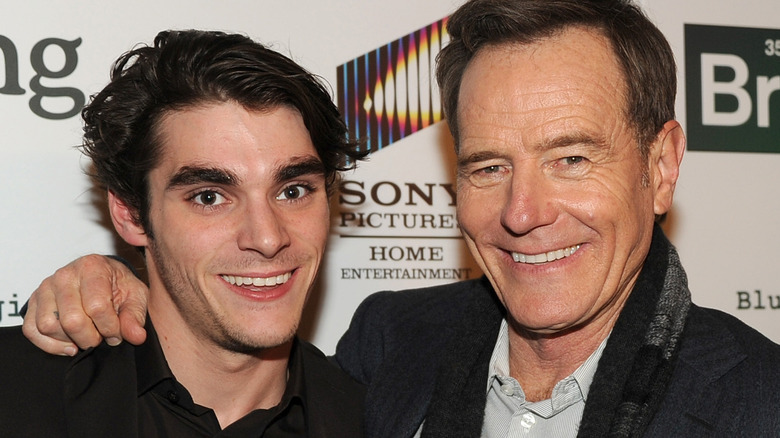
"It is especially devastating to hear that he took his own life. Why? We were texting each other just a few weeks ago, figuring out when we could meet for lunch. I don’t know if that lunch would have changed his future… But I do know that I loved him, and thoroughly enjoyed being with him throughout the years on the series, and after the spotlight on Breaking Bad dimmed. I’ll miss you, son."
Other members of the Breaking Bad creative family, along with fans across the globe, continue to share memories of Mitte’s kindness, humor, and unwavering dedication to his craft.
Implications: A Mental Health Call to Action in Hollywood
The tragic passing of RJ Mitte has sparked renewed conversations across the entertainment industry regarding mental health, the pressures of early fame, and the hidden struggles behind successful careers.
Child actors and performers who achieve breakout success at a young age often face unique psychological hurdles when transitioning into adulthood, as the intense spotlight of a major hit show fades and the reality of navigating a fickle industry sets in. Mental health advocates emphasize the importance of creating supportive environments, reducing stigma, and checking in on loved ones—regardless of how successful or resilient they may appear on the surface.
Concluding his public statement, Bryan Cranston used his platform to extend an urgent message of hope to anyone struggling with similar demons:
"I can’t stop there without imploring anyone who is contemplating suicide to please call for the support you need at 988 Suicide & Crisis Lifeline (988lifeline.org). There is hope."
If you or someone you know is struggling or in crisis, help is available. You can call or text 988 or chat online at 988lifeline.org. Alternatively, you can text MHA to 741741 to connect with a trained crisis counselor from the Crisis Text Line.
