
From Box Office Despair to Streaming Triumph: How Luc Besson’s ‘Dracula: A Love Tale’ Found Redemption on Paramount+
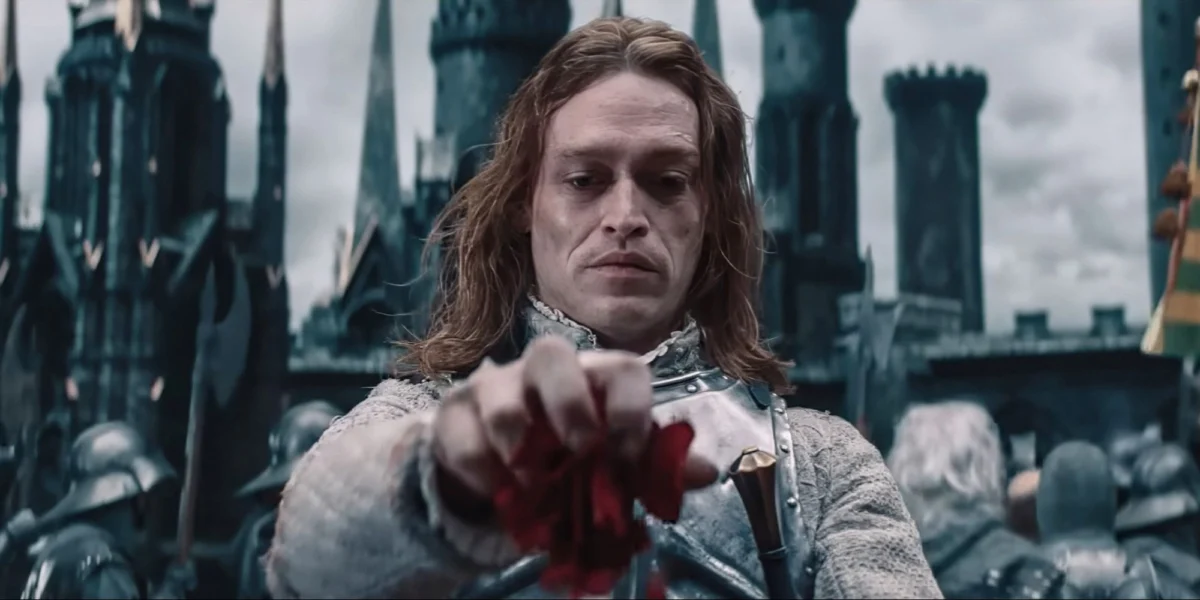
As the autumn leaves begin to fall and cinephiles transition into the mandatory "spooky season" viewing cycle, the cinematic landscape is flooded with high-profile horror offerings. From Sydney Sweeney anchoring psychological thrillers like The Housemaid to auteur visions such as Guillermo del Toro’s Frankenstein and Jordan Peele-adjacent projects like Sinners, modern audiences are spoiled for choice. Yet, in a twist characteristic of Hollywood’s shifting paradigms, one of the season’s biggest streaming phenomenons is a film that was initially written off as a commercial disappointment upon its theatrical release: French visionary filmmaker Luc Besson’s gothic epic, Dracula: A Love Tale.
Starring Caleb Landry Jones as the immortal Count and featuring a stellar supporting cast that includes Christoph Waltz and Zoë Bleu Sidel, the film has defied its initial box office trajectory. Buoyed by passionate viewer advocacy, Dracula: A Love Tale has officially clawed its way to the #1 spot on Paramount+’s global streaming charts, outperforming a slew of comedies, action franchises, and legacy titles.
Main Facts: A Gothic Reimagining Unlike Any Before
At its core, Dracula: A Love Tale takes Bram Stoker’s legendary 1897 epistolary novel and breathes an entirely new, deeply romantic life into it. Rather than presenting the titular vampire as a purely predatory monster—a framing common to many modern horror iterations—Besson reframes the Count as a tragic romantic hero.
The narrative unfolds across a sweeping, dual-timeline framework that spans 400 years. The story begins in the 15th century, chronicling a mortal man who loses both his life and his absolute faith in God following the tragic death of his beloved, Elisabeta. Cursed and transformed into the creature of the night known to folklore, the narrative fast-forwards centuries later when he crosses paths with Mina, a 19th-century woman who looks, sounds, and feels identically to his long-lost love.
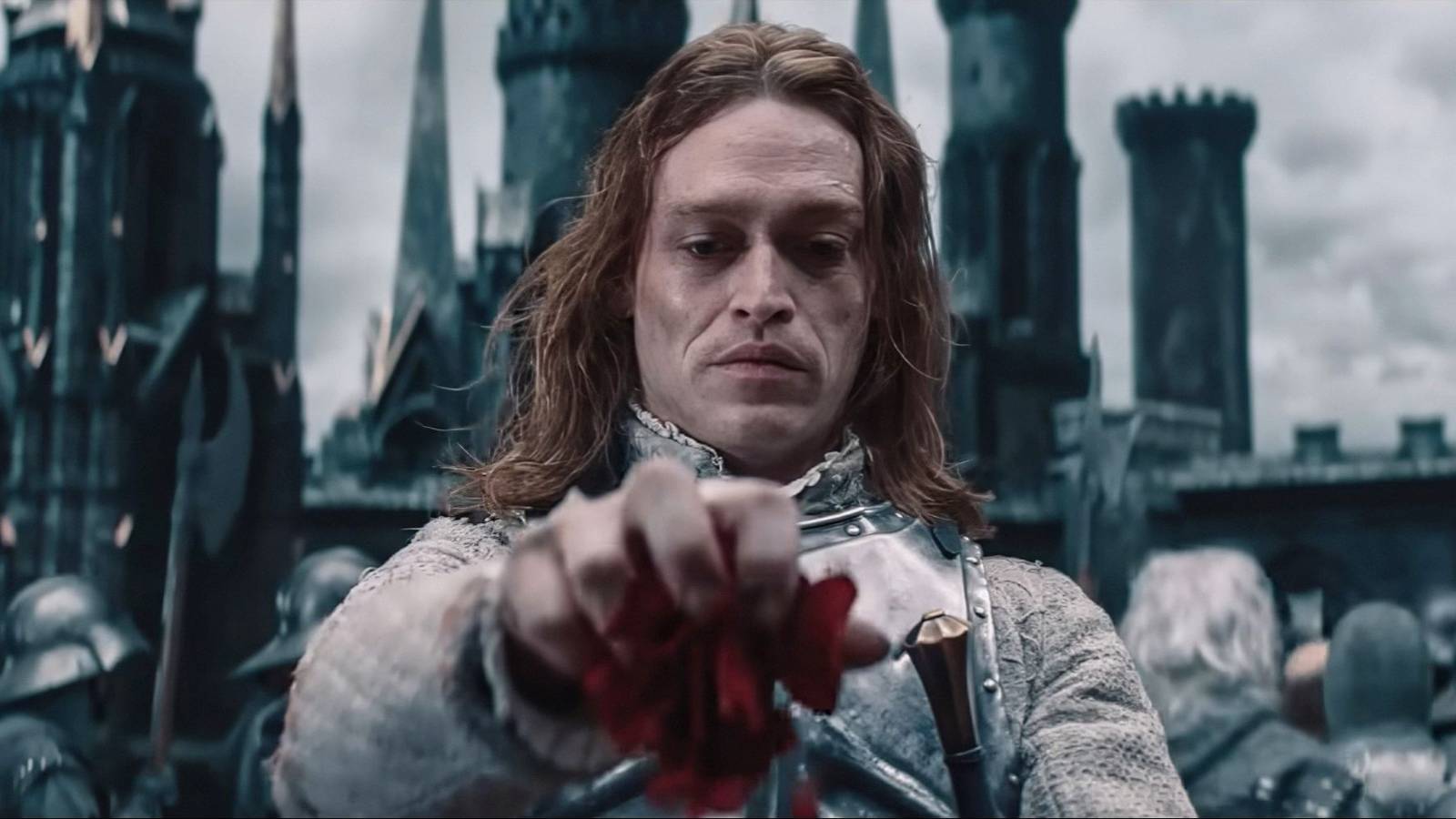
Directed and written by Luc Besson, the film relies heavily on atmospheric tension, period-accurate winter locations, cutting-edge visual production design, and a sweeping, emotional orchestral score composed by the legendary Danny Elfman. Despite the rich creative pedigree, the film’s road to success has been anything but traditional.
Chronology: From Conception to Box Office Struggle and Redemption
Production and Development
Luc Besson, known for high-octane blockbusters like The Fifth Element and Lucy, turned his stylistic lens toward classic horror with a distinctively European, baroque sensibility. Securing Caleb Landry Jones—renowned for his intense, chameleon-like character work in films like Nitram and DogMan—to play the Count set a high artistic bar. Production moved through striking, freezing winter landscapes to capture the bleak, isolating atmosphere required for a centuries-old tragedy.
The Theatrical Release (Early 2026)
Dracula: A Love Tale premiered in theaters on February 6, 2026. Hopes were high for Besson’s romantic take on the vampire mythos, but the film struggled to find its footing with mainstream theatrical audiences. Critics were deeply divided, leading to a modest 54% approval rating on Rotten Tomatoes.
Commercially, the film stumbled out of the gate. Against an estimated production budget of $52 million, the film grossed a disappointing $42.5 million worldwide, failing to recoup its production costs during its theatrical window and leaving industry analysts to label it a box office underperformer.

The Streaming Renaissance (Fall 2026)
As the calendar turned toward the horror-heavy autumn season, Paramount+ added Dracula: A Love Tale to its digital library. Within days of its platform debut, the film experienced a massive surge in viewership, propelled almost entirely by word-of-mouth recommendations and a stark divide between critical consensus and audience sentiment. According to tracking data from FlixPatrol, the film soared past competitors like Adam Davidson’s One Mile franchise, Jason Sudeikis’s We’re the Millers, and even legacy comedy staples like Scary Movie, capturing the coveted #1 spot globally on Paramount+.
Supporting Data: Critical Disconnect vs. Audience Enthusiasm
The trajectory of Dracula: A Love Tale provides a fascinating case study in modern media consumption, highlighted by a glaring statistical divide between professional critics and everyday viewers:
- Production Budget: $52 million
- Worldwide Box Office: $42.5 million (Theatrical shortfall of approximately $9.5 million)
- Rotten Tomatoes Critic Score: 54% (Reflecting mixed reviews concerning pacing and stylistic excess)
- Rotten Tomatoes Audience Score: 82% (Demonstrating strong viewer appreciation for its emotional core and romance)
- Streaming Peak: #1 Worldwide on Paramount+ (Outperforming theatrical hits and franchise comedies)
The film’s ensemble cast further bolstered its appeal across demographics:
- Caleb Landry Jones as Count Dracula / The Prince
- Zoë Bleu Sidel as Elisabeta / Mina
- Christoph Waltz as the Priest
- Matilda De Angelis as Maria
- Haymon Maria Buttinger as the Cardinal
Official Responses and Creative Vision
Luc Besson has frequently spoken about his desire to strip away the sensationalized cruelty of modern horror monsters in favor of exploring the psychological agony of eternal heartbreak. By focusing the narrative lens on love prevailing over mere revenge, Besson positioned the vampire myth as an epic tragedy.
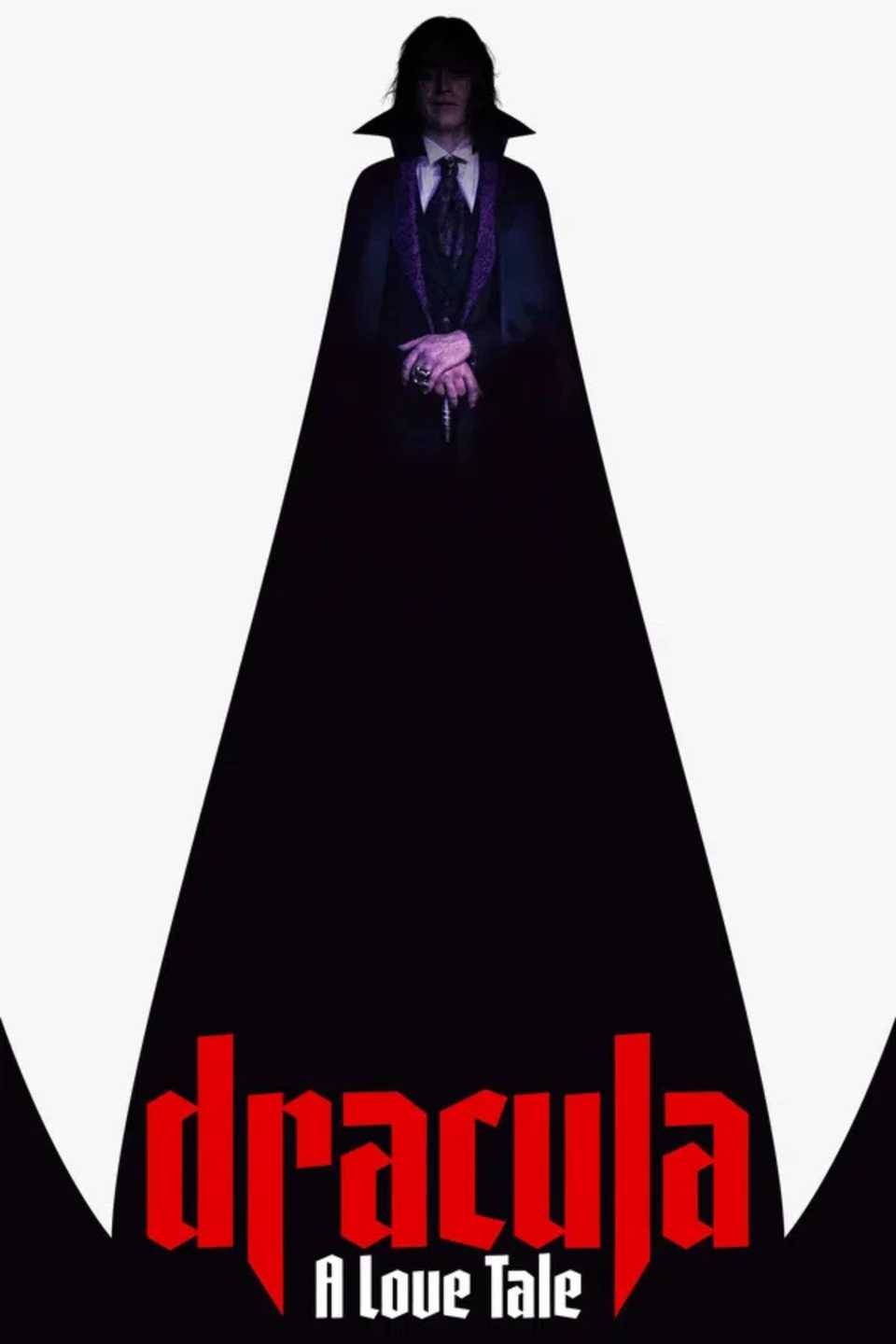
While studio executives were initially unnerved by the film’s hybrid genre approach—blending gothic romance, dramatic melodrama, and classic monster horror—audiences on streaming platforms have embraced the risk. The emphasis on Danny Elfman’s soaring musical compositions and the haunting cinematography have been singled out by fans online as elements that deserved a wider theatrical appreciation. Rather than letting the film fade into obscurity as a box-office misfire, the digital landscape has allowed viewers to re-evaluate the project on its own terms.
Implications: What This Means for Theatrical Flops in the Streaming Age
The remarkable resurrection of Dracula: A Love Tale carries significant implications for the entertainment industry at large:
- The Death of the Traditional Box Office Verdict: For decades, a film’s theatrical gross was the definitive metric of its success or failure. The Paramount+ resurgence proves that auteur-driven, mid-budget genre films can find a profitable, highly engaged second life in the digital ecosystem, free from weekend-box-office panic.
- The Critic-Audience Disconnect Widens: With an 82% audience approval rating overshadowing a 54% critical score, this release underscores a growing taste gap. While critics often penalize stylistic excess or narrative detours, streaming audiences frequently reward ambition, visual flair, and unique emotional swings.
- The Longevity of Seasonal Counter-Programming: By positioning itself as an alternative to traditional, jump-scare-heavy horror, Besson’s romantic tragedy carved out a unique niche. It proves that during "spooky season," audiences are hungry not just for terror, but for atmospheric, emotionally resonant storytelling.
As Dracula: A Love Tale continues to dominate the Paramount+ charts, it serves as a powerful reminder that in the modern entertainment landscape, a movie’s final chapter is rarely written at the box office.
