
High Stakes in the Enchanted Forest: Can Laika’s $100 Million Stop-Motion Epic Wildwood Defy the Odds?
Main Facts
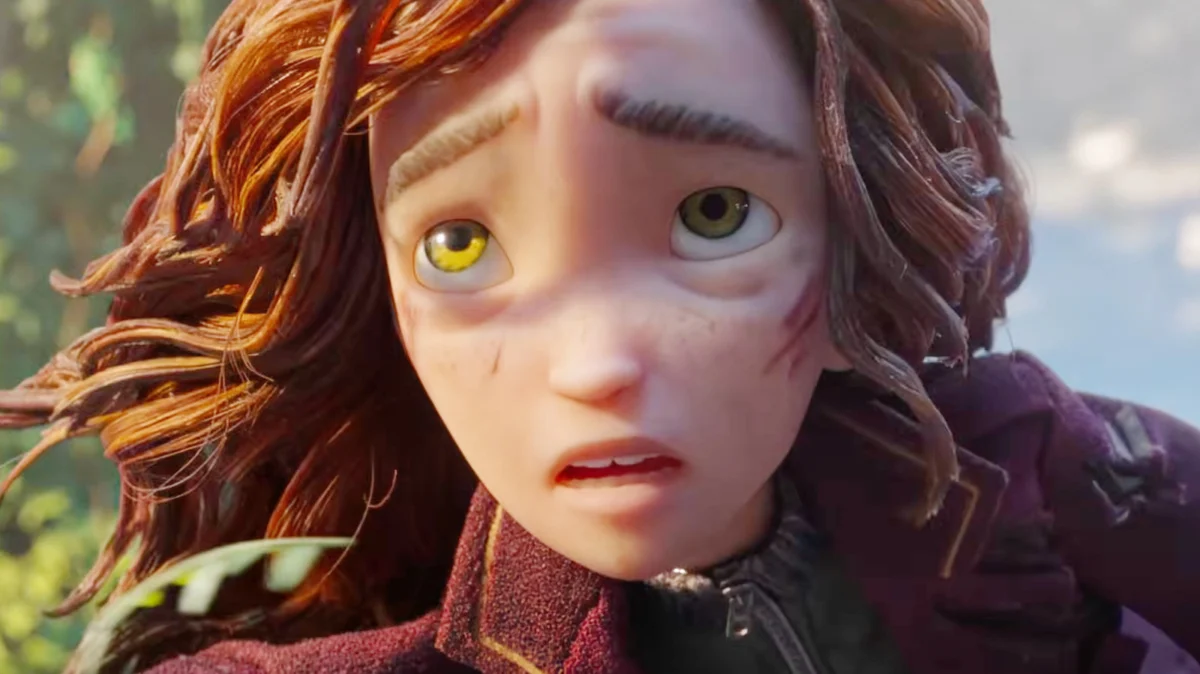
As the cinematic landscape prepares for the arrival of autumn blockbusters, stop-motion animation pioneer Laika stands at a critical juncture in its storied history. Set to hit theaters on October 23, 2026, Wildwood represents the studio’s most ambitious, expensive, and unconventional project to date. Directed by studio chief Travis Knight (Kubo and the Two Strings, Bumblebee), the film is a sweeping, darkly magical epic based on the acclaimed novel by Colin Meloy.
However, despite a flawless 100% critical approval rating on Rotten Tomatoes, the film is facing an intensely perilous financial forecast. Industry trackers at Box Office Theory currently project a domestic opening weekend between $5 million and $10 million. Against an estimated production budget of approximately $100 million, these preliminary figures place Wildwood in a precarious position.
Compounding the challenge, the film is opening directly against DC Studios’ Batman-adjacent psychological horror film Clayface, which is heavily favored to dominate the weekend with a projected $20 million to $29 million debut. Compounding its unconventional commercial profile, Wildwood challenges traditional Hollywood formulas by carrying a PG-13 rating and running for over two hours—two risky attributes for an American animated feature. Furthermore, Laika has bypassed traditional major Hollywood studio partnerships for its theatrical rollout, enlisting Fathom Entertainment to handle distribution. As the release date draws near, the industry is left wondering if Wildwood can transcend its budgetary hurdles and find the commercial success that has historically eluded Laika’s critically adored catalog.
Chronology
To understand the high stakes surrounding Wildwood, it is necessary to examine the trajectory of Laika Entertainment and the arduous journey of bringing this project to the screen.
- 2005–2009 (The Foundation and Coraline): Formed out of Will Vinton Studios with backing from Nike co-founder Phil Knight, Laika established itself as an artistic powerhouse dedicated to the painstaking art of stop-motion animation. Its 2009 debut feature, Coraline, directed by Henry Selick, captivated audiences with its dark fantasy aesthetic. While modest by blockbuster standards, it cemented the studio’s reputation for visual artistry.
- 2012–2019 (A Critical Darling, Commercial Underperformer): Over the next decade, Laika released a string of critically acclaimed masterpieces, including ParaNorman (2012), The Boxtrolls (2014), Kubo and the Two Strings (2016), and Missing Link (2019). Despite sweeping awards recognition and frequent Academy Award nominations, the studio consistently struggled at the box office. Notably, Missing Link grossed just $26.5 million worldwide against a production budget upwards of $100 million.
- 2021–2024 (Adaptation and Resurgence): Development on Wildwood ramped up as Travis Knight committed to adapting Colin Meloy’s 2011 fantasy novel. Simultaneously, Laika enjoyed a theatrical renaissance through strategic partnerships. In 2024, a collaboration with Fathom Entertainment led to a massive re-release of Coraline, which grossed over $52 million worldwide and pushed the film’s lifetime box office take past $188 million, proving that appetite for Laika’s past work remained remarkably robust.
- Late 2026 (The Wildwood Rollout): As the release date of October 23, 2026, approaches, tracking numbers reveal an uphill battle. Facing a crowded October marketplace, a $100 million price tag, and unorthodox distribution through Fathom Entertainment, Wildwood stands as the definitive test of whether prestige stop-motion can command mainstream box office dominance.
Supporting Data
A closer examination of the metrics illuminates the immense mathematical challenge facing Wildwood upon its theatrical release.
- Production Budget: Estimated at roughly $100 million, placing Wildwood on par with high-end, computer-animated Hollywood blockbusters rather than traditional, mid-budget stop-motion films.
- Projected Opening Weekend: Domestic tracking places the film’s initial debut between $5 million and $10 million.
- Direct Competition: DC Studios’ Clayface is tracking for a domestic opening of $20 million to $29 million, positioning it as the weekend’s dominant attraction.
- Historical Benchmarks:
- Laika’s 2019 feature Missing Link opened to $5.9 million domestically, finishing its global run at $26.5 million.
- Conversely, December holiday releases like Illumination’s Migration (2023) have historically proven that poor openings can be overcome via long theatrical legs; Migration parlayed a $12.4 million opening into a $300.1 million worldwide total. However, replicating this phenomenon in the crowded October marketplace remains an unprecedented challenge.
- Recent Success Metric: The 2024 Fathom-managed re-release of Coraline added over $52 million globally, lifting its cumulative lifetime gross to $188 million, demonstrating that a dedicated consumer base exists if the marketing channels can effectively reach them.
- Critical Reception: Wildwood enters its premiere window holding a rare 100% critical approval rating on Rotten Tomatoes.
Official Responses and Industry Perspectives
The unconventional rollout and precarious financial position of Wildwood have sparked significant commentary from industry analysts, studio executives, and creative personnel alike.
Laika has long operated under a unique business model funded largely by billionaire philanthropist and studio owner Phil Knight, allowing the company to prioritize artistic integrity, tactile craftsmanship, and uncompromising creative vision over short-term profitability. Speaking on past projects, Travis Knight has consistently emphasized that Laika’s mission is to tell timeless stories that push the boundaries of the medium, regardless of industry trends.
However, the decision to partner with Fathom Entertainment for theatrical distribution rather than a traditional major Hollywood studio signals a calculated pivot. Fathom—traditionally known for event cinema, opera broadcasts, and successful repertory re-releases like The Transformers: The Movie (1986)—is charting new territory by spearheading the distribution of a major, brand-new $100 million animated feature.
Exhibitors and box office analysts have voiced cautious intrigue regarding this distribution gamble. While Fathom proved its muscle by revitalizing Coraline’s box office footprint in 2024, handling a first-run theatrical campaign of Wildwood‘s scale requires a massive marketing infrastructure. Industry observers note that while critical darling status and a 100% Rotten Tomatoes score provide immense prestige, translating critical acclaim into general audience turnout—particularly for a PG-13, two-hour stop-motion epic released in October—will require word-of-mouth momentum unlike anything the studio has experienced before.
Implications
The commercial performance of Wildwood carries profound implications not only for Laika Entertainment, but for the broader future of adult-skewing and non-traditional animation in Hollywood.
1. The Viability of Mid-Budget, Independent Stop-Motion
Stop-motion animation is an excruciatingly slow, labor-intensive art form where animators often produce mere seconds of usable footage per week. If a $100 million film like Wildwood struggles to recoup its investment, major financiers may become even more risk-averse, shrinking budgets or steering studios entirely toward hyper-safe, algorithm-driven CGI and digital formats. Conversely, a miraculous box office turnaround driven by strong word-of-mouth could prove that audiences are hungry for artisanal, mature, and visually distinctive theatrical animation.
2. A Paradigm Shift in Theatrical Distribution
By utilizing Fathom Entertainment instead of a traditional studio distributor, Laika is testing an alternative pipeline for releasing high-end original content. If this model proves successful, it could pave the way for other independent and prestige studios to bypass traditional studio gatekeepers, retaining greater creative and financial control over their intellectual property. If it falters, it may reinforce the industry consensus that major theatrical rollouts require the expansive marketing apparatus of legacy studios.
3. Redefining Market Expectations for Animated Content
For decades, the American cinematic marketplace has treated animation strictly as a genre for young children, characterized by brisk runtimes under 90 minutes and universally accessible G or PG ratings. Wildwood shatters these conventions with its two-hour runtime and PG-13 designation, leaning into a darker, more complex fantasy narrative. Should the film succeed, it could embolden studios to take bolder creative risks with animated storytelling, proving that the medium can support complex, long-form epics aimed at older teens and adults on the big screen.
Ultimately, when Wildwood opens on October 23, 2026, its box office receipts will tell a story far bigger than a single film’s profit margins. It will test the appetite of modern moviegoers for handcrafted cinematic artistry in an era dominated by digital uniformity.
