LAIKA’s Epic Fantasy Wildwood Dominates Box Office and Critical Landscape with a Flawless 100% Certified Fresh Rotten Tomatoes Debut
By Mike Joy October 24, 2026
Main Facts
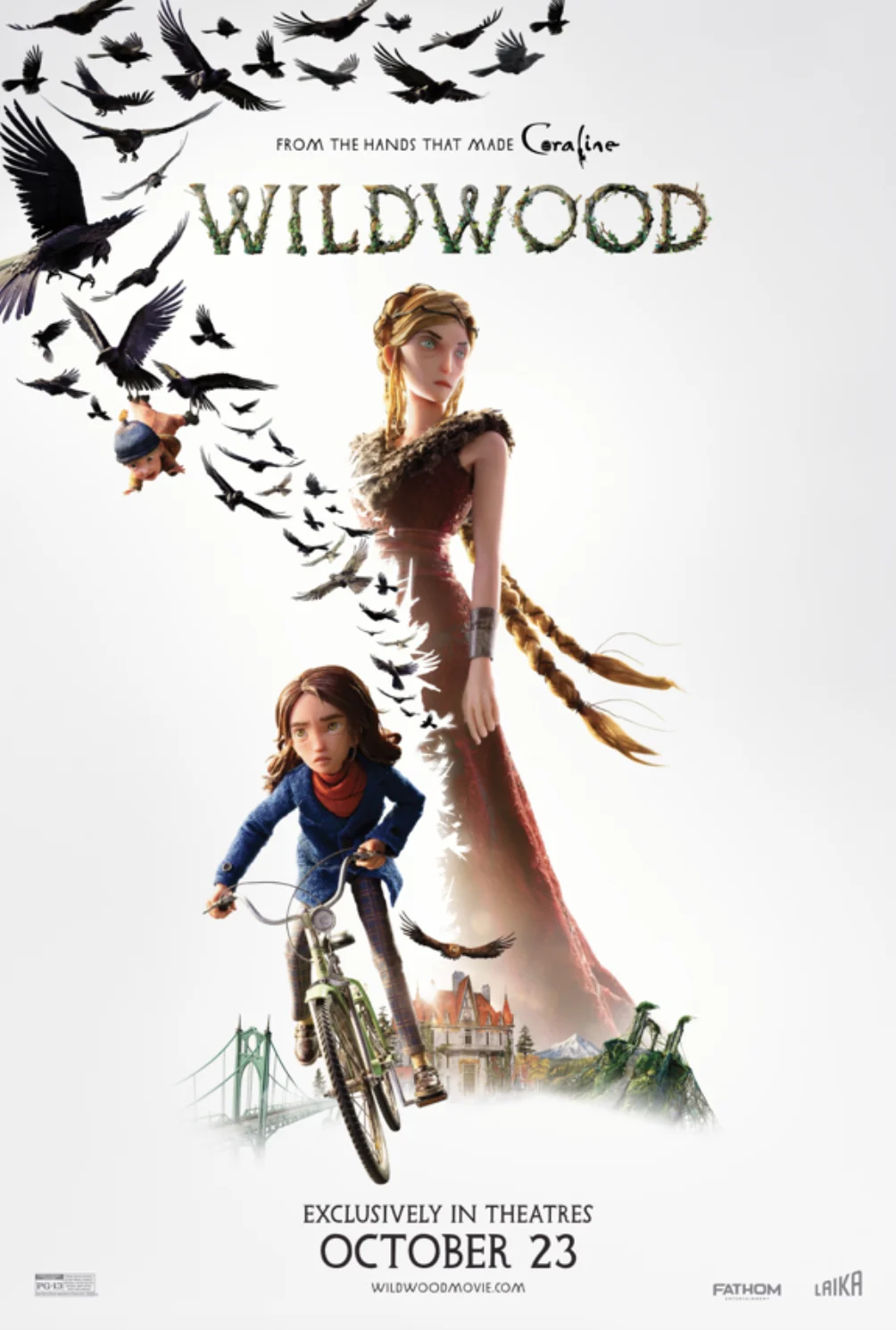
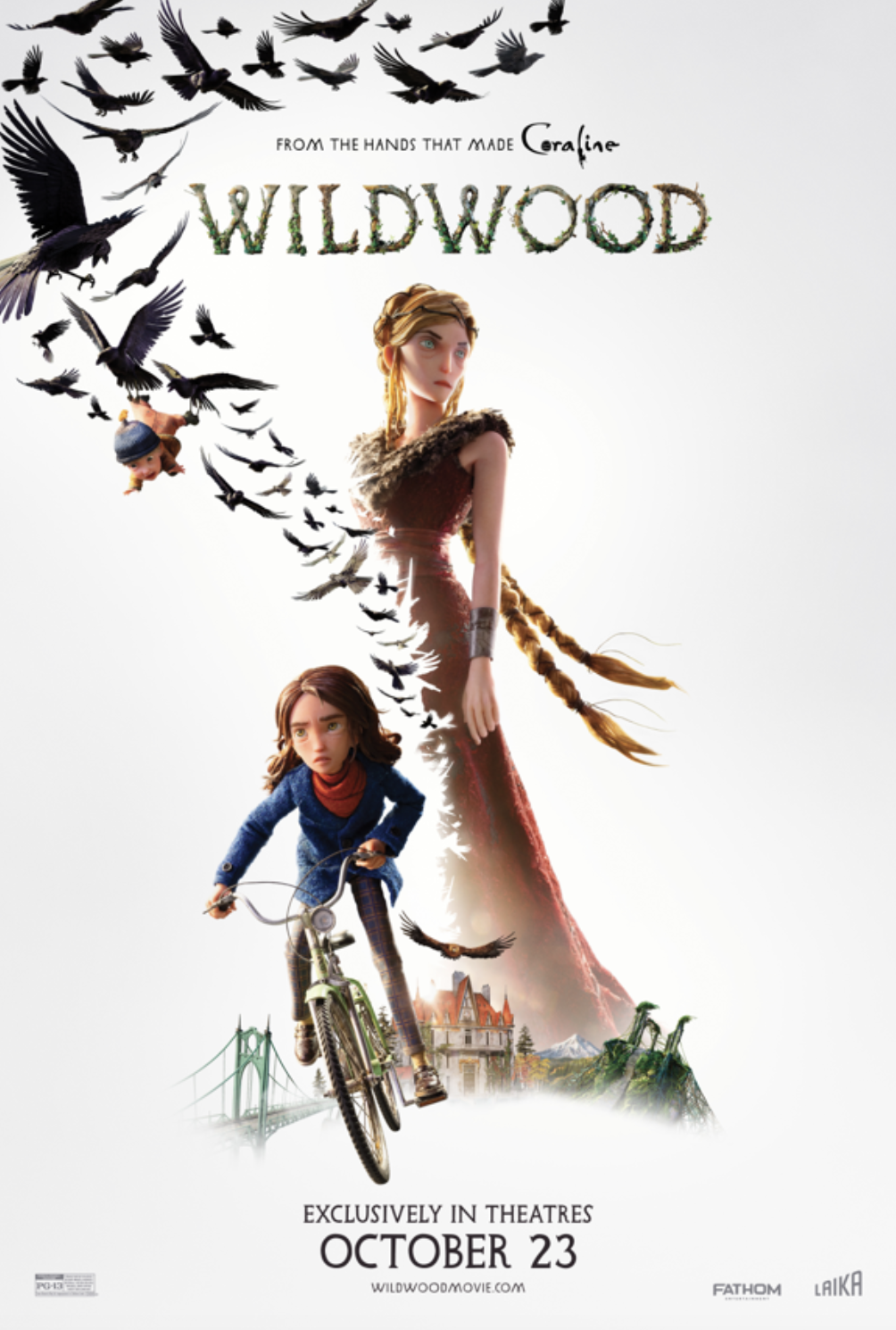
The animation landscape has shifted. LAIKA, the visionary studio behind modern stop-motion masterpieces such as Coraline, Kubo and the Two Strings, and ParaNorman, has returned with its most ambitious, sprawling cinematic endeavor to date: Wildwood. Currently playing in theaters nationwide, the film has achieved a rare and monumental critical milestone, launching with a pristine 100% CertifiedFresh score on RottenTomatoes.
Based on the bestselling novel by Colin Meloy (frontman of the indie-rock band The Decemberists) and illustrated by Carson Ellis, Wildwood transports audiences into a hidden, magical ecosystem existing just on the fringes of Portland, Oregon. The narrative kicks off with high-stakes peril: when a murder of crows inexplicably abducts her baby brother, headstrong teenager Prue McKeel (voiced by Peyton Elizabeth Lee) launches a desperate, unauthorized rescue mission into the forbidden territory known as the Impassable Wilderness.
Joined by her loyal yet hopelessly out-of-his-depth classmate Curtis Mehlberg (Jacob Tremblay), Prue plunges headfirst into a subterranean and arboreal realm populated by talking animals, opportunistic bandits, and formidable figures driven by ancient griefs and sweeping political ambitions. As the young duo gets entangled in an escalating civil conflict that threatens to tear the forest apart, Prue must unearth reservoirs of inner strength and self-belief she never knew she possessed.
Directed by Travis Knight and scripted by Chris Butler, Wildwood boasts one of the most star-studded voice casts assembled for an animated feature in recent memory. The ensemble features Peyton Elizabeth Lee, Jacob Tremblay, Carey Mulligan, Mahershala Ali, Angela Bassett, Awkwafina, Maya Erskine, Jake Johnson, Charlie Day, Tom Waits, Richard E. Grant, Amandla Stenberg, Tantoo Cardinal, Len Cariou, and Marc Evan Jackson. Produced by Travis Knight and Sam Wilson, the film is already being hailed by early reviewers as a landmark achievement in the history of stop-motion animation.
Chronology: The Long Road to the Impassable Wilderness
The journey to bring Wildwood to the silver screen has been a meticulous, decade-long endurance test characteristic of LAIKA’s uncompromising production style. Understanding the weight of this cinematic triumph requires looking back at how the project materialized:
February 2011: Colin Meloy publishes the first novel of the Wildwood trilogy, capturing the imagination of readers with its rich, localized folklore and detailed illustrations by Carson Ellis.
September 2016: LAIKA officially announces that it has optioned the film rights to the Wildwood series, signaling the studio’s intent to adapt Portland’s mythic underbelly into its signature tactile medium.
August 2021: Production ramps up inside LAIKA’s Oregon-based facility, with Travis Knight officially stepping into the director’s chair. The studio details that Wildwood will be its largest scale production ever, requiring unprecedented technological innovations in 3D printing, miniature set construction, and puppet fabrication.
August 2022: LAIKA unveils the star-studded voice cast, generating massive industry buzz by pairing rising young talents like Peyton Elizabeth Lee and Jacob Tremblay with heavyweights such as Mahershala Ali, Carey Mulligan, and Angela Bassett.
Fall 2025: Following years of painstaking stop-motion frame-by-frame capture—where animators often produce mere seconds of usable footage per week—LAIKA finalizes post-production.
October 2026:Wildwood opens in theaters worldwide, instantly securing critical acclaim, highlighted by its 100% Certified Fresh Rotten Tomatoes status, and setting a new benchmark for fantasy animation.
Supporting Data & Production Scale
To truly grasp why Wildwood has critics and audiences spellbound, one must examine the staggering scale of labor and craftsmanship poured into every frame. Unlike computer-generated animation, which relies on digital algorithms, LAIKA’s productions are tangible, physical marvels built in miniature warehouses.
The Scale of the Wilderness: Industry insiders report that Wildwood required the construction of over 80 distinct, highly detailed miniature sets, ranging from sprawling underground tunnels and dense, towering pine forests to meticulously detailed replicas of mid-century Portland architecture.
Puppet Engineering: The film features hundreds of individual puppets. Characters like Prue and Curtis required multiple versions of varying scales and costume changes, utilizing advanced rapid-prototyping 3D color printing to achieve micro-expressions that convey profound emotional depth.
The Cast-to-Crew Synergy: Bringing together 15 major Hollywood stars required meticulous scheduling, but the vocal performances served as the crucial emotional blueprint for the animators. Every twitch of an animal’s ear, every rustle of a leaf, and every tear shed by Prue was hand-manipulated to match the acoustic cadence of the actors.
Critical Consensus: Out of dozens of early reviews tallied by Rotten Tomatoes, Wildwood holds a rare, unblemished 10/10 average rating. Critics have repeatedly singled out the film’s willingness to balance terrifying stakes with genuine emotional pathos, drawing favorable comparisons to classic dark fantasy benchmarks like Pan’s Labyrinth and Studio Ghibli’s environmental epics.
Official Responses and Creative Insights
The phenomenal reception of Wildwood has prompted an outpouring of reflections from the creative minds who spent years bringing the Impassable Wilderness to life.
Director Travis Knight, who has guided LAIKA through its evolution as a premier artistic powerhouse, spoke passionately about the thematic weight of the story. In recent press statements, Knight emphasized that Wildwood is fundamentally about the power of youth in a fractured world:
"Prue and Curtis aren’t chosen ones in the traditional fantasy sense; they are ordinary kids thrust into extraordinary, terrifying circumstances. The wilderness doesn’t just represent magic—it represents grief, ecological consequence, and the messy reality of growing up. To build this world physically, brick by tiny brick, needle by needle, was our way of honoring the sheer weight of those emotional journeys."
Screenwriter Chris Butler discussed the immense challenge of condensing Colin Meloy’s densely populated novel into a cohesive feature-length narrative without losing the distinct regional flavor that made the books a phenomenon:
"Portland is a character in its own right. We wanted the transition from the familiar, grey drizzle of the city into the terrifying, hyper-vibrant depths of the Impassable Wilderness to feel jarring yet entirely seamless. Working with this cast allowed us to ground characters that are, by all accounts, magical creatures or talking birds, with deeply human vulnerabilities."
Voice star Peyton Elizabeth Lee shared her perspective on stepping into the shoes of Prue McKeel:
"Prue is fiercely independent, but she’s also profoundly vulnerable because she’s terrified of losing her family. Voicing an animated character requires a different kind of performance—you have to project your entire soul into a microphone, knowing that hundreds of artists are going to spend months translating your breath into physical movement. Seeing the final product in theaters is nothing short of transcendent."
Implications: What Wildwood Means for the Future of Animation
The triumphant theatrical rollout of Wildwood carries profound implications for the commercial and artistic viability of stop-motion animation in an era dominated by hyper-realistic CGI and AI-driven workflows.
1. The Triumph of Tangible Artistry
For years, major studios have sidelined stop-motion as a niche format, reserving it primarily for modest-budget projects or quirky artistic experiments. LAIKA’s steadfast refusal to abandon physical craftsmanship—investing heavily in physical sets, hand-sewn costumes, and kinetic puppet work—proves that audiences are hungry for authenticity. The 100% Rotten Tomatoes score is a loud, clear referendum that tactile, handmade art possesses an emotional resonance that purely digital rendering simply cannot replicate.
2. Redefining Dark Fantasy for the Modern Era
Wildwood does not talk down to its audience. By tackling themes of grief, ecological disruption, and the moral complexities of conflict within a children’s fantasy framework, LAIKA continues to stretch the boundaries of what family animation can achieve. This success paves the way for future studios to take bold risks with darker, more mature storytelling formats without sacrificing broad audience appeal.
3. Elevating LAIKA’s Industry Stature
Having previously secured Academy Award nominations for Coraline, ParaNorman, The Boxtrolls, Kubo and the Two Strings, and Missing Link, LAIKA has long been considered an industry darling. However, Wildwood positions the studio not just as an awards-season contender, but as a cultural institution capable of creating definitive, epoch-defining cinematic art. As box office receipts continue to climb and word-of-mouth spreads, Wildwood cements its place as one of the defining cinematic achievements of the 2020s.
Wildwood is playing in theaters everywhere now. Audiences seeking a breathtaking, emotionally resonant, and visually spellbinding cinematic experience are urged to witness LAIKA’s masterwork on the biggest screen possible.