
The Emerald Abyss: Tracing the Bizarre Evolution, Cultural Persistence, and Cinematic Legacy of the ‘Leprechaun’ Franchise
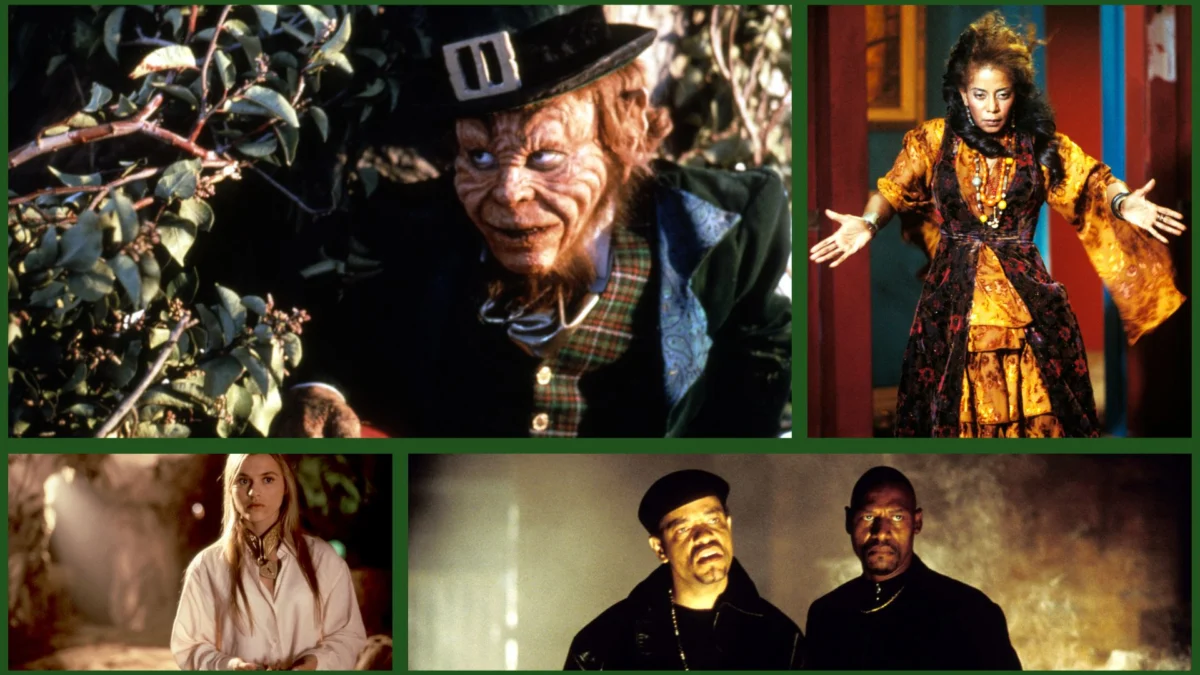
Main Facts: The Paradox of a Cult Franchise
Few horror franchises occupy as strange and enduring a niche in pop culture as Lionsgate’s Leprechaun series. They may not be the high-art St. Patrick’s Day slashers film critics demanded, but they have firmly entrenched themselves as the ones the public refuses to let die. Revisiting Lubdan the Leprechaun has transformed into an annual spring tradition practiced religiously by horror aficionados and 4/20 observers alike.
In 2025, marathoning this largely campy, wildly uneven eight-film collection has taken on renewed relevance. The franchise represents a fascinating case study in low-budget resourcefulness, shifting cinematic sensibilities, and the sheer tenacity of monster-movie longevity.
At opposite ends of the series’ spectrum sit two filmmakers who have gone on to shape modern horror and studio tentpoles. The series’ undisputed high-water mark, 2018’s Leprechaun Returns, was helmed by Steven Kostanski—a practical-effects maestro and cult-favorite director who captured the imaginations of genre fans anew with his delightfully unhinged 2024 retro-tribute, Frankie Freako. Conversely, the absolute nadir of the franchise, 2014’s Leprechaun: Origins, was directed by Zach Lipovsky, a filmmaker who has since rehabilitated his industry standing by co-directing Warner Bros.’ highly anticipated resuscitation of the Final Destination franchise alongside Adam Stein.

Spanning over three decades, eight feature films, a WWE Studios crossover era, and locations ranging from rural farmland to Las Vegas and outer space, the Leprechaun series remains an indelible, if chaotic, monument to 1990s direct-to-video horror evolution.
Chronology: From Jennifer Aniston’s Misstep to Intergalactic Mayhem
The 1990s: Earnest Terror to Campy Counterculture (1993–2000)
The genesis of the franchise dates back to 1993, when writer-director Mark Jones set out to craft a genuinely terrifying creature feature. The original Leprechaun movie is now notorious for nearly derailing the theatrical career of future television icon Jennifer Aniston before it even began. Aniston starred as Tory Reding, a privileged young woman trapped in a North Dakota farmhouse with a murderous, gold-obsessed mythological entity.
When early test audiences responded to the film’s darker edges with inadvertent laughter, the creative team made a pivotal course correction. Recognizing that Lubdan could not compete with heavyweight slashers like Freddy Krueger or Jason Voorhees on sheer dread alone, the producers leaned hard into dark comedy, wicked puns, and outrageous set pieces.

This pivot birthed a counterculture icon. Actor Warwick Davis inhabited the role of the titular terror for the first six films, infusing the character with theatrical flair. The resulting creature resembled the lovechild of Freddy Krueger and a maliciously campy talk-show host. Sequels came fast and furious: Leprechaun 2 (1994) brought the terror to Los Angeles; Leprechaun 3 (1995) capitalized on the bright lights of Las Vegas; and Leprechaun 4: In Space (1996) boldly took the franchise where no slasher had gone before—to a distant planet, complete with space marines and cybernetic upgrades.
The Hood Era and the WWE Interlude (2001–2006)
As the new millennium dawned, the series pivoted away from outer space and toward urban fantasy. Director Rob Spera and later filmmaker Seedman injected a dose of early-2000s hip-hop culture into the proceedings. Leprechaun: In the Hood (2000) and Leprechaun: Back 2 tha Hood (2003) featured Warwick Davis donning a backward baseball cap and trading stilted banter with aspiring rappers. Though critically derided, these entries solidified the franchise’s status as late-night cable staples.
Following a seven-year hiatus, WWE Studios partnered with Lionsgate to reboot the tone entirely. Seeking to leverage the massive physical presence of professional wrestler Hornswoggle (Dylan Postl), the studio produced 2014’s Leprechaun: Origins. Stripping away the dialogue, the distinct personality, and Warwick Davis’s iconic performance in favor of a feral, CGI-heavy monster, the film alienated the core fanbase and cemented itself as the critical basement of the franchise.

The Modern Renaissance (2018–Present)
Realizing the misfire of Origins, Lionsgate course-corrected by hiring Steven Kostanski to direct Leprechaun Returns (2018). Bypassing the continuity of the later sequels, Kostanski’s film acted as a direct follow-up to the 1993 original, bringing back actress Linden Porco as a fresh-faced, delightfully malicious Lubdan. The film restored the practical gore, snappy one-liners, and tonal balance that fans had missed, proving that the franchise still had a pulse.
Supporting Data: Franchise Breakdown & Filmmaker Trajectories
| Film Title | Release Year | Director | Notable Cast / Elements | Critical Standing |
|---|---|---|---|---|
| Leprechaun | 1993 | Mark Jones | Warwick Davis, Jennifer Aniston | Cult Classic / Mixed |
| Leprechaun 2 | 1994 | Rodman Flender | Warwick Davis, Shevonne Durkin | Fan Favorite |
| Leprechaun 3 | 1995 | Brian Trenchard-Smith | Warwick Davis, Lee Armstrong | Highest-rated fan sequel |
| Leprechaun 4: In Space | 1996 | Brian Trenchard-Smith | Warwick Davis, amatuer sci-fi sets | Camp Classic |
| Leprechaun: In the Hood | 2000 | Rob Spera | Warwick Davis, Ice-T (referenced/ostensibly) | Cult Curiosity |
| Leprechaun: Back 2 tha Hood | 2003 | Seedman | Warwick Davis, Tanea McCall | Low-tier staple |
| Leprechaun: Origins | 2014 | Zach Lipovsky | Dylan Postl (Hornswoggle), WWE ties | Franchise Nadir |
| Leprechaun Returns | 2018 | Steven Kostanski | Linden Porco, Taylor Spreitler | Critical High Point |
The Creative Leap: From Low-Budget Horror to Major Studio Credibility
The trajectory of the directors involved in the Leprechaun universe highlights how low-budget horror serves as a vital proving ground for Hollywood talent:
- Zach Lipovsky: After absorbing critical backlash for Origins, Lipovsky refined his technical sensibilities. His subsequent work on thrillers like Freaks (2018) earned critical acclaim, paving the way for his current assignment co-steering Warner Bros.’ multi-million dollar Final Destination relaunch.
- Steven Kostanski: A master of physical makeup effects (having worked on The Void and Psycho Goreman), Kostanski used Leprechaun Returns to showcase his mastery of practical monster design. His career culminated in the festival darling Frankie Freako, establishing him as an auteur of modern practical-effects creature features.
Official Responses and Industry Perspectives
Studio executives and creators have historically maintained an affectionate, self-aware attitude toward the Leprechaun brand. Mark Jones, reflecting on the accidental comedy of the 1993 original, noted in retrospective interviews that adapting to audience expectations was the only way to save the project from obscurity.

"We set out to scare people, but when you have a three-foot-tall man in heavy green latex cracking jokes about shoes, you have to embrace the absurdity," Jones remarked during a 20th-anniversary retrospective. "Horror fans don’t want preachy; they want to be entertained, and Lubdan became an agent of chaotic fun."
Meanwhile, studio executives at Lionsgate have frequently teased the potential for future installments. While no official greenlight has been issued for a ninth film as of early 2025, the studio’s willingness to cycle through creative teams—shifting from WWE athleticism to indie horror craftsmanship—indicates that the intellectual property remains an active asset in their horror library.
Implications: The Enduring Appeal of Trash-Horror and Nostalgia
The resilience of the Leprechaun franchise carries profound implications for the contemporary entertainment landscape. In an era dominated by prestige horror, elevated genre cinema, and meticulously planned cinematic universes, the unapologetic trash-horror of the 1990s offers a comforting counter-programming alternative.

1. The Death of Pretentiousness in Genre Film
Audiences are increasingly fatigued by horror films that over-explain their metaphors or prioritize somber mood pieces over visceral entertainment. The Leprechaun series, at its best, is entirely unpretentious. It delivers straightforward bloodshed, creative kills, and unapologetic puns without demanding intellectual labor from the viewer. This makes it ideal for communal viewing experiences, late-night streaming marathons, and holiday counter-programming.
2. Practical Effects as a Badge of Honor
The contrasting fortunes of Leprechaun: Origins (reliant on unconvincing CGI) and Leprechaun Returns (championing practical creature makeup) serve as a cautionary tale and a manifesto for modern creature features. Fans consistently reward tactile, physical filmmaking over digital shortcuts. Steven Kostanski’s success in reviving the franchise proved that practical gore and tangible puppetry carry an authenticity that CGI simply cannot replicate.
3. Cult Stardom and Holiday Appropriation
By cementing itself as a staple viewing tradition for St. Patrick’s Day and 4/20, the franchise carved out a permanent cultural niche that institutional marketing departments could never artificially manufacture. Much like Troll 2 or The Room, the series thrives on audience participation, ironic appreciation, and generational discovery.

As viewers continue to stream, debate, and rank the eight films, Lubdan the Leprechaun remains secure in his golden hoard of cult cinematic history—proof that no matter how critically maligned a franchise might be, a pot of gold at the end of the direct-to-video rainbow can last forever.
