
Precision Refinement: An In-Depth Look at the DaVinci Resolve 21.1.1 Update
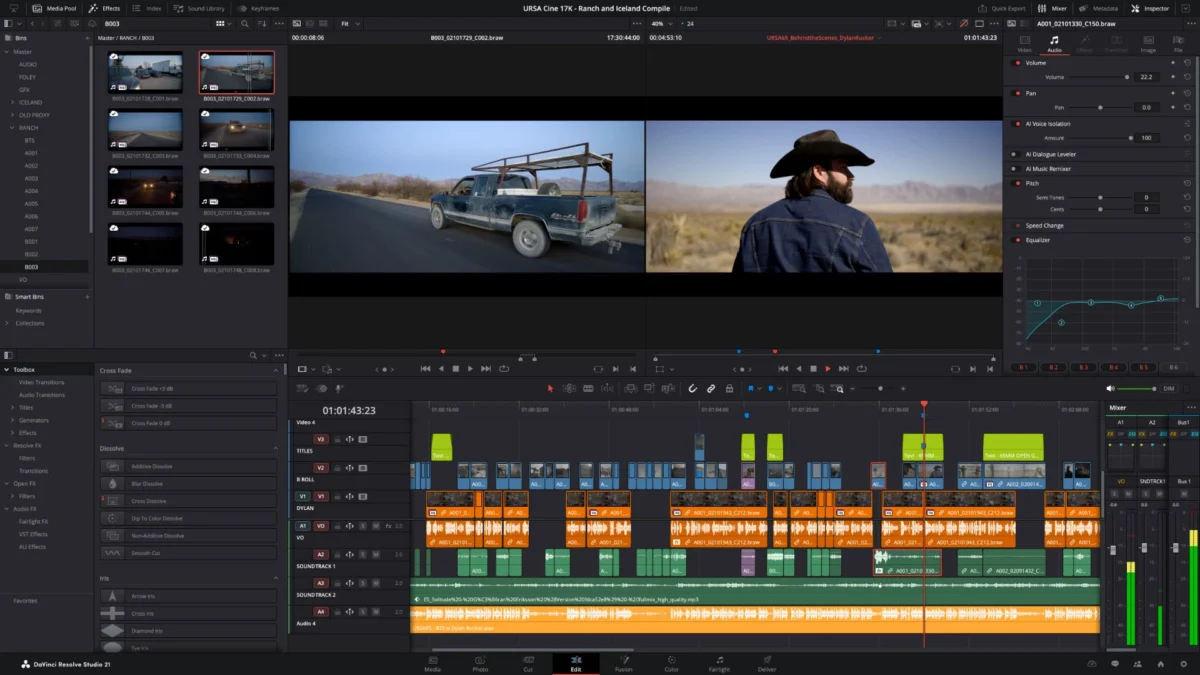
The post-production landscape is defined by constant iteration. In an industry where time is the most valuable currency, the tools editors and colorists use must be as reliable as they are powerful. Blackmagic Design, the industry leader in integrated post-production workflows, has released DaVinci Resolve 21.1.1. While billed as a minor update, this release serves as a critical stabilization point following the significant feature-rich rollout of version 21.1 last month.
By addressing granular workflow bottlenecks—ranging from trim editor behavior to multi-user project synchronization—Blackmagic Design is reaffirming its commitment to the “professional-grade stability” that has made DaVinci Resolve the industry standard for everything from independent documentaries to major Hollywood blockbusters.
The Evolution of the Workflow: Main Facts of v21.1.1
At its core, the 21.1.1 update focuses on refinement. When a major version update like 21.1 introduces sweeping features—such as new AI-driven tools or UI overhauls—it inevitably introduces edge-case bugs and performance discrepancies. The 21.1.1 update is the remedial layer that polishes these implementations.
Key highlights of this update include:
- Enhanced Trim Editor Precision: Editors will find more robust support for audio clips and complex, multi-point edits. This is a direct response to feedback from high-end editors who require frame-accurate control when managing layered soundscapes.
- USAC Support for Windows 11: As Universal Speech Audio Codec (USAC) gains traction, Blackmagic has integrated support for the Windows 11 environment, ensuring that editors can work with modern, high-efficiency audio formats without the need for cumbersome transcoding.
- Fusion Effect Optimization: One of the more significant hurdles in the Edit page has been the management of clips burdened with multiple Fusion effects. The new update provides better resource management and control, preventing the dreaded "stutter" that can occur during playback of complex node-based chains.
- Multi-User Stability: For large-scale production houses utilizing Blackmagic’s collaborative project libraries, the update introduces improved connection stability, minimizing the risk of project desynchronization during high-traffic network periods.
A Chronological Perspective: From 21.1 to 21.1.1
To understand the necessity of this update, one must look at the timeline of Blackmagic’s development cycle.
In late 2024, the release of DaVinci Resolve 21.1 brought a seismic shift to the platform, integrating advanced generative AI tools and further tightening the integration between the Cut, Edit, and Color pages. However, the complexity of these features meant that the initial release faced challenges in diverse hardware configurations.
The gap between the release of 21.1 and the arrival of 21.1.1—roughly one month—is typical for Blackmagic Design. It represents a "rapid-response cycle" where the engineering team collates user crash reports and community feedback. This chronology is essential for professional users; it signifies that the software is not a static product but a living environment that adapts to the real-world stresses placed upon it by working professionals. By providing this update, Blackmagic ensures that the momentum gained from 21.1 is not lost to software instability.
Supporting Data: Why Small Updates Matter
While headline features often get the spotlight, the "under-the-hood" improvements in 21.1.1 are what drive productivity. Data from industry forums and user-submitted diagnostic reports highlighted three specific pain points that this update seeks to resolve:
- Memory Overhead: In previous iterations, stacks of Fusion effects caused significant VRAM spikes. The 21.1.1 update optimizes how the Resolve engine handles these stacks, allowing for smoother scrub-through performance even on mid-tier hardware.
- Audio Syncing: The refinement of trim editor support for audio indicates a shift toward addressing the "sync drift" issues that occasionally plague long-form editors working with multiple audio channels.
- Cross-Platform Parity: With the addition of Windows 11-specific USAC support, Blackmagic is ensuring that its software remains agnostic, preventing Windows users from feeling like "second-class citizens" compared to their macOS counterparts.
These technical adjustments may seem incremental, but when aggregated, they result in hours of saved time per project. If an editor saves five minutes a day due to fewer application crashes or smoother playback, that equates to over 20 hours of reclaimed production time annually.
Official Responses and Industry Sentiment
Blackmagic Design has remained characteristically concise regarding this release, focusing on their support portal as the primary source of truth. However, the sentiment among the professional post-production community has been overwhelmingly positive.
"The stability fixes in 21.1.1 are the real feature," noted a lead colorist at a major post-production facility in London. "When you’re working on a feature film, you don’t want new, shiny toys if the base platform is shaky. Resolve 21.1.1 makes the transition to the new 21.x architecture feel secure."
This feedback loop is central to Blackmagic’s strategy. By listening to the demands of studios, they have created a culture where users feel their input directly impacts the software roadmap. The company’s policy of providing these updates for free to existing license holders—and even free users—continues to disrupt the subscription-based models favored by their competitors, creating a "stickiness" that keeps professional users locked into the Resolve ecosystem.
Implications for the Future of Post-Production
The release of DaVinci Resolve 21.1.1 has broader implications for the industry. As the line between visual effects (Fusion) and traditional editing continues to blur, the need for software that can handle these heavy loads without crashing becomes paramount.
The Fusion Integration
Fusion, Blackmagic’s node-based compositing software, received specific attention in this update. The improvements to the sTrace Create tool and the handling of combined text fields are significant. As motion graphics become an integral part of social media content and high-end advertising, the efficiency of the Fusion-to-Edit pipeline becomes a competitive advantage for editors. By reducing the friction between these two environments, Blackmagic is enabling "one-stop-shop" workflows that were previously impossible for solo creators.
The "Collaborative-First" Paradigm
The improvements to multi-user project stability are a signal of where the industry is headed: the cloud and the network. With remote work becoming the new normal for many post-production houses, Blackmagic’s focus on connection stability is a strategic move to ensure Resolve remains the default choice for distributed teams. Whether a team is working across the hall or across the globe, the reliability of the underlying database is what keeps projects on track.
What Lies Ahead
With 21.1.1 now in the hands of the public, the community is already speculating about what 21.2 might bring. The current trend suggests a doubling down on AI-driven efficiency and cloud integration. As DaVinci Resolve continues to expand its feature set, the pressure to maintain stability will only increase. However, if this update is any indication, Blackmagic Design is well-equipped to balance innovation with the rigorous demands of professional production.
Conclusion: How to Update
For those currently running DaVinci Resolve 21.1, the upgrade path to 21.1.1 is seamless. It is strongly recommended that users back up their project databases before applying the update, as is standard practice in any professional environment.
The update is available for download immediately through the Blackmagic Design support page. By staying current with these minor version releases, editors ensure that their workflows remain compatible with the latest OS requirements and that they are protected against the known vulnerabilities and bugs discovered in the initial 21.1 launch.
In an industry defined by its complexity, DaVinci Resolve 21.1.1 acts as a stabilizer. It is a reminder that in the world of high-end post-production, the most powerful tool is not the one with the most bells and whistles, but the one that allows the artist to forget the software exists and focus entirely on the story. As we look toward the future of digital cinema, it is clear that Blackmagic Design intends to remain the bedrock upon which those stories are built.
