
Reclaiming the Narrative: A Curated Journey Through Contemporary Indigenous Cinema
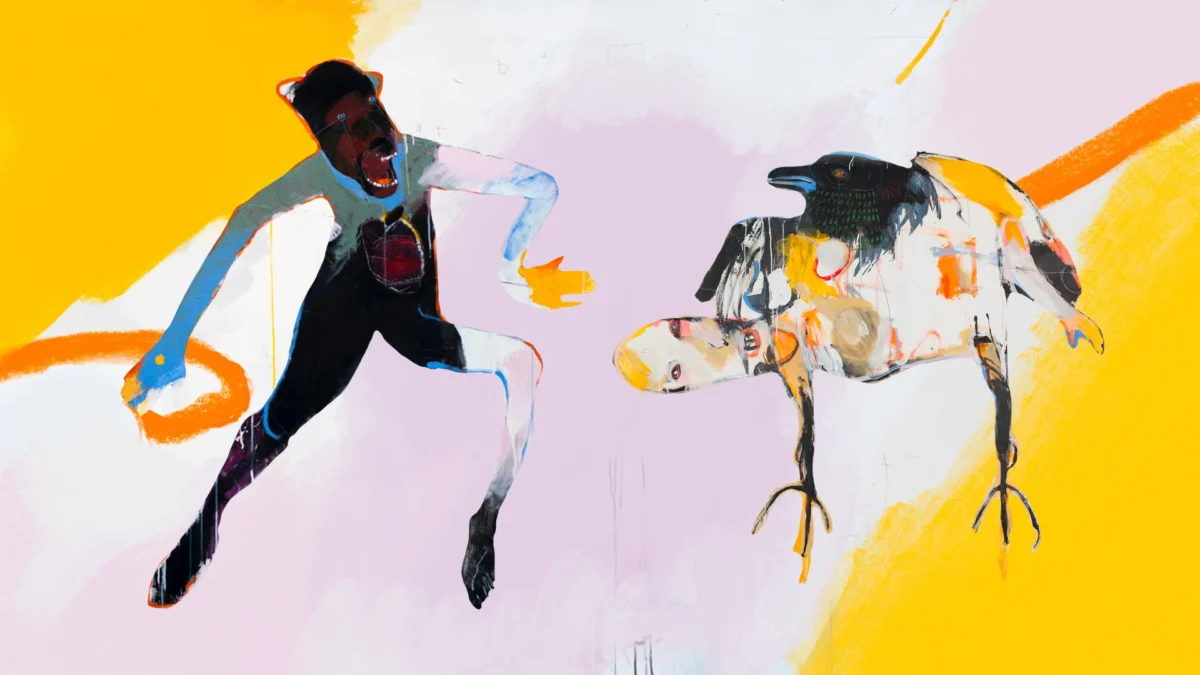
In the landscape of modern media, the representation of Indigenous peoples has historically been filtered through external lenses—often romanticized, marginalized, or confined to historical archives. This year, in honor of Indigenous Peoples’ Day, Short of the Week has taken a deliberate step away from editorial tradition to place the microphone directly into the hands of those best equipped to speak: the filmmakers themselves.
By partnering with Quechua and Aymara filmmaker Sisa Quispe, whose recent work URPI: Her Last Wish captivated audiences at the 2026 Ouray International Film Festival, the editorial team has shifted the focus from observation to collaboration. The resulting curated playlist is not merely a collection of films; it is a manifesto on the reclamation of identity, land, and the power of self-definition.
The Shift: A New Editorial Paradigm
For years, the Short of the Week (S/W) team has utilized Indigenous Peoples’ Day as a milestone for cultural programming. However, managing editor Rob Munday acknowledged that a truly authentic celebration required more than standard reviews.
“After spending time with Sisa at the Ouray International Film Festival, it became clear that her profound knowledge and passion for Indigenous filmmaking were assets we needed to share,” Munday noted. “We decided to stop guessing what the audience should see and instead asked a practitioner to guide us. This playlist represents a move toward decentralized editorial control, ensuring that Indigenous voices define the parameters of their own storytelling.”
Chronology of a Cultural Movement
The evolution of Indigenous cinema has moved rapidly over the last decade, transitioning from advocacy-heavy documentaries to a vibrant spectrum of genre-bending narrative films. The films selected for this showcase, curated by Quispe, highlight this chronological and stylistic shift:
- The Awakening of Self: Earlier films in the selection, such as Things You Know But Cannot Explain, focus on the individual’s internal journey—a re-awakening of ancestral ties that had long been dormant.
- The Era of Confrontation: As the movement matured, filmmakers began addressing the systemic issue of cultural extractivism. Waska: The Forest Is My Family and The Beguiling mark a shift toward confronting the commodification of Indigenous knowledge and bodies.
- The Modern Synthesis: The most recent entries, including Pow! and Legend of Fry-Roti, demonstrate a move toward the mundane, the humorous, and the contemporary. These films reject the "trauma-only" mandate often imposed by Western distributors, asserting that Indigenous life is as varied and playful as any other culture.
Thematic Pillars: Defining Identity on Own Terms
Quispe’s curation is structured around four primary thematic pillars that challenge the status quo of Indigenous representation in media.
1. The Fluidity of Identity
Quispe emphasizes that identity is not a static artifact of the past. Things You Know But Cannot Explain and Urpi: Her Last Wish act as anchors for this theme. They explore the messy, beautiful, and often difficult process of connecting to one’s roots while navigating the complexities of modern existence. The central argument here is that identity is a lifelong project—a quest that requires constant renegotiation.
2. Resistance Against Extractivism
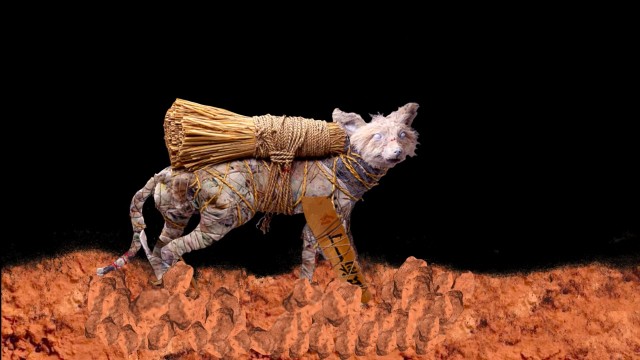
A significant portion of the selection addresses the predatory nature of modern media and industry toward Indigenous cultures. Waska: The Forest Is My Family serves as a poignant critique of how Indigenous knowledge, land, and even sacred plants are treated as resources to be mined by outsiders. Conversely, The Beguiling utilizes the sharp edge of satire to dismantle the fetishization of Indigenous identity, proving that comedy can be an effective weapon against appropriation.
3. The Rejection of the "Trauma-Only" Narrative
For too long, the "Indigenous story" has been synonymous with tragedy. Quispe’s curation intentionally pivots to include Pow! and Legend of Fry-Roti: Rise of the Dough. These films showcase the humor and domestic absurdity inherent in Indigenous life. By documenting intertribal powwow logistics or family rivalries over frybread recipes, these directors assert that Indigenous people are not merely subjects of history, but active participants in the present.
4. Duality and Modernity
Films like I Am Home and Through the Storm tackle the concept of duality. They ask: Can one be deeply rooted in tradition while fully participating in the modern, globalized world? The answer, according to these filmmakers, is an unequivocal "yes." Through the Storm highlights how community resilience, channeled through modern institutions like football programs, can sustain a culture far better than any static, museum-bound tradition.
Supporting Data: The Impact of Independent Distribution
The rise of platforms like Short of the Week has provided a vital infrastructure for these films to reach a global audience without the gatekeeping of traditional studio systems. Statistical trends in film distribution show that short-form content has become the primary vehicle for emerging Indigenous talent. By bypassing the high-barrier entry of feature-length funding, these filmmakers are able to retain creative control, ensuring that their cultural nuances remain intact.
The success of the 2026 Ouray International Film Festival, where these films were showcased, serves as a proof-of-concept for regional, independent festivals that prioritize Indigenous-led programming. The data suggests that when audiences are exposed to diverse, self-authored Indigenous narratives, engagement metrics and critical reception significantly outperform films that rely on colonial tropes.
Official Perspectives: The Director’s Stance
Sisa Quispe’s commentary throughout the selection process remains the ideological core of this initiative. She writes:
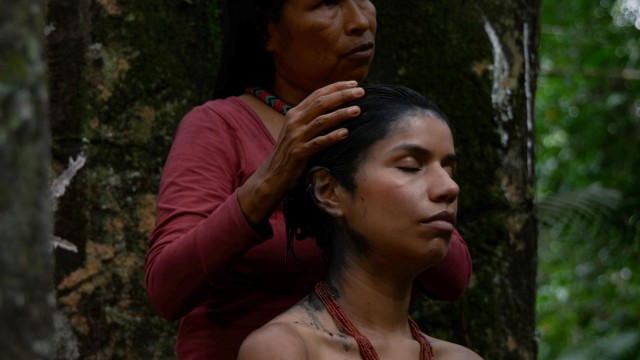
"As an Indigenous filmmaker, I wanted this playlist to highlight Indigenous people not simply as romanticized subjects of stories, but as authors of them. We are defining ourselves, representing our communities, and telling our stories on our own terms. These films resist the idea that there is one way to be Indigenous or one kind of Indigenous story. They explore the ancestral and the present, seriousness and humor, tradition and change."
Implications for the Future of Media
The implications of this editorial shift are profound. By allowing Indigenous directors to curate their own platforms, organizations like Short of the Week are setting a new standard for cultural accountability. The shift from "covering" a community to "partnering" with a community is not just a polite gesture; it is a necessary evolution for any publication that claims to document the contemporary zeitgeist.
This collaboration signals that the future of Indigenous media is not found in the hands of historians, but in the hands of those who are currently living, questioning, and defining what it means to be Indigenous in the 21st century. As more institutions adopt this model of decentralized curation, we can expect a richer, more nuanced, and more honest portrayal of Indigenous life on screen.
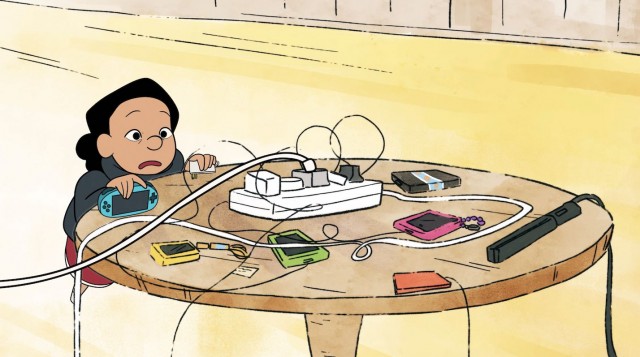
Summary of Selected Works
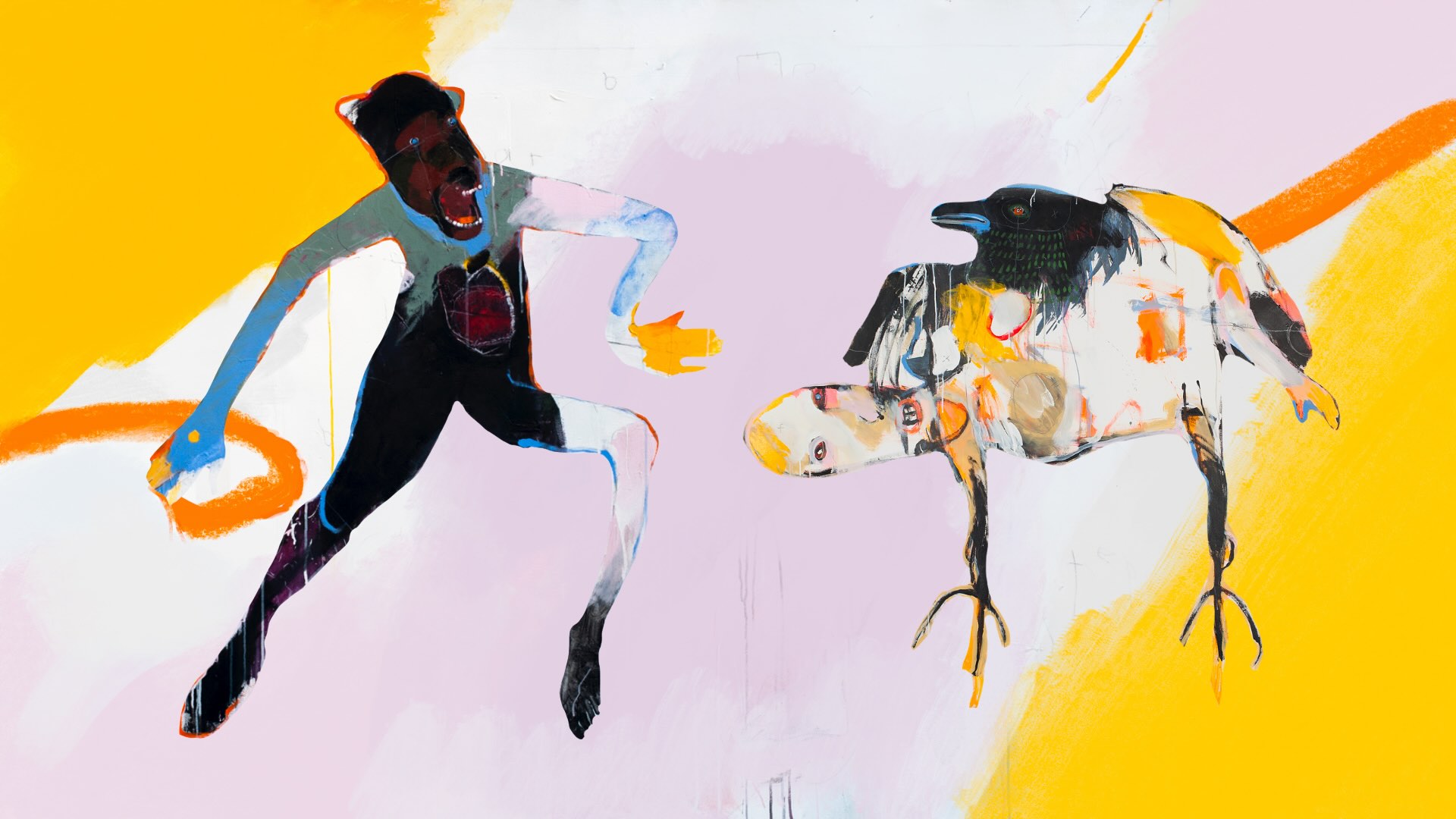
- Things You Know But Cannot Explain (Dir. Hernandez & Jung): A stop-motion exploration of the subconscious reclamation of identity using the art of Rick Bartow.
- Urpi: Her Last Wish (Dir. Sisa Quispe): A narrative journey into the Sacred Valley, challenging the protagonist’s understanding of her Peruvian heritage.
- Waska: The Forest Is My Family (Dir. Gualinga, Miranda, & Swanson): A meditation on environmental destruction and the spiritual value of ancestral land.
- The Beguiling (Dir. ishkwaazhe Shane McSauby): A satirical, genre-defying look at the dangers of cultural appropriation.
- Pow! (Dir. Joey Clift): A humorous take on the intersection of modern tech and traditional community gatherings.
- Legend of Fry-Roti: Rise of the Dough (Dir. Sabrina Saleha): A domestic comedy highlighting the cultural blending of Navajo and Bengali traditions.
- I am Home (Dir. Kymon Greyhorse): An experimental piece on the adaptability and eternal nature of Indigenous existence.
- Through the Storm (Dir. Bitsoie & Frank): A sports-documentary approach to leadership, community unity, and the preservation of hope in Red Lake.
For those interested in contributing to this ongoing dialogue, Short of the Week continues to solicit pitches for guest-curated content, signaling a long-term commitment to this inclusive editorial model. The conversation has clearly moved beyond simple acknowledgment; it is now centered on the act of creative autonomy.
