
The Evolution of Studio Leadership: How the Creative Industry is Redefining Mentorship and Culture
TURIN, Italy — In the high-stakes world of animation, visual effects (VFX), and game development, the definition of a "leader" is undergoing a seismic shift. No longer is the industry content with the top-down, authoritarian structures of the past. Instead, the focus has moved toward participatory leadership, formal mentorship, and the deliberate cultivation of healthy studio cultures.
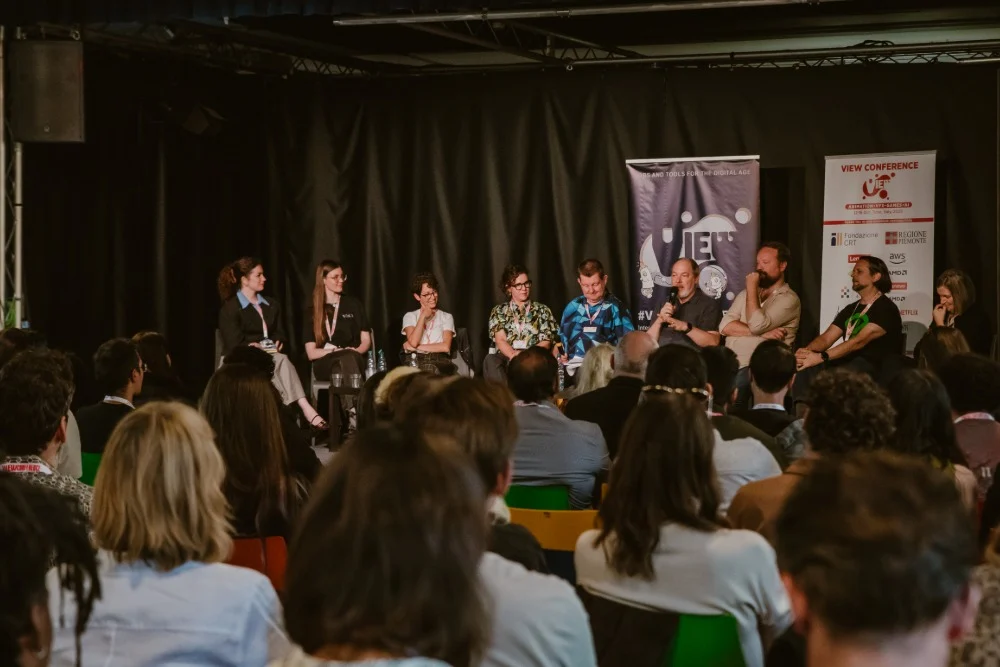
At the recent View Conference in Turin, an elite panel of industry titans—including executives from Sony Pictures Imageworks, Industrial Light & Magic (ILM), Skydance Animation, Pixar, and the National Film Board of Canada—convened to discuss the pressing necessity of training the next generation of creative leaders. The consensus was clear: in an era of rapid technological change and shifting employee expectations, leadership is no longer about managing production; it is about managing people.
The New Paradigm: "Culture is What You Tolerate"
The conversation was anchored by a sobering observation from Michelle Grady, president of Sony Pictures Imageworks. "Culture is what you tolerate," she remarked, highlighting that a studio’s atmosphere is defined not by its mission statement, but by the behaviors its leadership permits.
For Grady, the journey toward building a thriving workplace often involves unlearning the toxic habits of "anti-mentors"—those past bosses whose abrasive styles served as cautionary tales rather than models. "We’ve all had pretty tough bosses," Grady noted. "Those experiences are crucial because they teach you exactly what you don’t want to become."
Janet Lewin, senior VP and head of ILM, echoed this sentiment, emphasizing that the burden of cultural integrity rests squarely on the shoulders of the C-suite. "It is our job as leaders to exhibit the values we want to see in others," Lewin stated. At ILM, this philosophy has translated into active intervention: managers are no longer expected to navigate personnel conflicts in isolation. Instead, the company provides structural support, coaching, and mentorship to ensure that leadership transitions are supported rather than sink-or-swim.
A Chronology of Change: From "Top-Down" to Participatory Leadership
To understand where the industry is going, one must look at where it has been. For decades, the standard path for a high-performing artist was a vertical promotion into management. Often, these individuals were "taken off the box"—removed from their creative software—and thrust into leadership roles without a single hour of management training.
"We’d just shove them into the chair and let them figure it out on their own," Grady admitted. This historical oversight led to a generation of leaders who were technically brilliant but institutionally ill-equipped to handle human dynamics.
The Turning Point
The industry’s shift toward participatory leadership began in earnest over the last decade, driven by two primary factors: the increasing complexity of large-scale productions and the rising demand for transparency from younger employees.
- The Rise of Transparency: Younger staff, particularly Gen Z and younger Millennials, have signaled that they are no longer satisfied with being mere cogs in a machine. They demand a voice.
- The "Democratic" Pivot: Recognizing this, studios have moved away from the opaque, "top-down" hierarchies of the 1990s and early 2000s. Leaders like Lewin have implemented town halls, open-door policies, and employee forums, allowing executives to bypass middle-management filters and hear directly from the creative talent.
- The Manifestation of Mentorship: Programs that were once ad-hoc have become institutionalized. From ILM’s six-month mentorship pairings to Imageworks’ oversubscribed development programs, the industry is investing in the "soft skills" of management, recognizing that a leader’s primary responsibility is to clear the path for their team.
Supporting Data: The Impact of Institutional Mentorship
The success of these initiatives is not merely anecdotal. Data shared during the View Conference suggests that formal mentorship significantly impacts retention and career trajectory.
- The Two-Way Street: Lewin noted that mentorship at ILM has become a symbiotic relationship. Younger employees bring fresh perspectives on technology and workplace expectations, which have proven invaluable to senior leadership in navigating the complexities of modern digital workflows.
- The "Ladder" Effect: At the National Film Board of Canada, Eloi Champagne shared an anecdote about the power of agency. By allowing an employee to transition from a critic of the system to a participant in the solution, the NFB saw an increase in engagement and long-term commitment.
- The Scale of Talent Loss: The difficulty of maintaining a cohesive culture was highlighted by the closure of ILM’s Singapore studio. While the decision was a fiscal necessity to remain competitive, the human cost was significant. The fact that ILM managed to retain 60% of that staff by moving them to other locations serves as a benchmark for how modern studios handle crisis management with empathy.
Official Responses and Strategic Shifts
The panelists represented a broad spectrum of the industry, and their strategies for talent development reflect their unique operational constraints.
Pixar and the "Short" Strategy
Dylan Sisson, Pixar’s head of RenderMan creative engagement, argued that the industry must be more strategic in how it tests new talent. He pointed to Pixar’s internal shorts program as a vital "sandbox" where aspiring directors can fail safely without jeopardizing massive, multi-million dollar feature film budgets.
The Video Game Dilemma
Jan-Bart van Beek of Guerrilla Games brought a more sobering perspective. In the video game industry, where projects can span eight years, the "gamble" on unproven talent is increasingly risky. "Maybe you can’t gamble on talent anymore," he admitted. This poses a significant hurdle for the next generation of creative directors, who often struggle to find entry-level opportunities to lead on high-stakes projects.
The Rise of Independent Initiatives
Perhaps the most significant development is the emergence of grassroots organizations. Concept artists Emily Bland and Isobel Hine have taken the initiative to form their own mentorship networks—Women in Concept Art and the Women’s Concept Art Association—to bridge the gap where studios have failed. Their message to the executives on stage was blunt: "Lower the ladder sooner." They argued that systemic barriers, such as the tendency for women to "self-select out" of leadership roles if they don’t meet every single requirement in a job description, must be dismantled by proactive hiring practices.
Implications for the Future of Creative Work
The implications of this shift are profound. The traditional "creative genius" model of leadership—where the person with the best artistic eye dictates the direction of the studio—is being replaced by the "servant leader" model.
Key Takeaways for the Future:
- Standardized Training: The era of "accidental managers" is ending. Future creative leaders will require formal training in conflict resolution, emotional intelligence, and team psychology.
- Inclusion as a Metric: Diversity is no longer a PR initiative; it is a business imperative. As Hine noted, the industry needs to recognize the barriers that keep talented individuals from applying for leadership roles and actively reach down to bring them up.
- The Balance of Collaboration and Decisiveness: While participatory leadership is the goal, the panel warned against "decision paralysis." Even in the most democratic environments, the final responsibility rests with the leader. As Lewin noted, "It’s wonderful to hear different perspectives, but someone’s got to make a decision."
As the View Conference concluded, the overarching message was one of optimism tempered by responsibility. The studios of tomorrow will not be built on the back of singular visions, but on the strength of the cultures they foster. By acknowledging that "culture is what you tolerate," and by treating leadership as a teachable craft rather than a natural trait, the industry is setting the stage for a more resilient and inclusive future.
The next generation of leaders is already here, they have a voice, and they are ready to step up—provided the current guard remembers to lower the ladder.
