
The Lost Frontier: Inside Terry Matalas’s Vision for Star Trek: Legacy and Patrick Stewart’s Unfulfilled Role
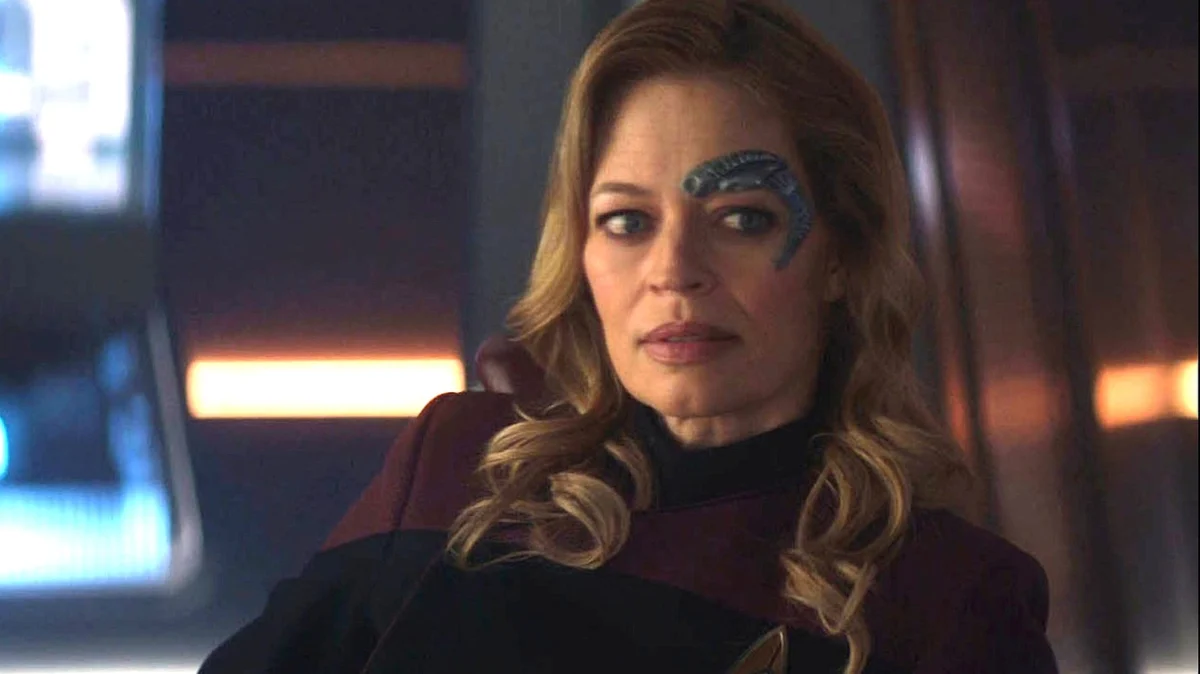
For millions of science fiction fans around the globe, the conclusion of Star Trek: Picard Season 3 felt less like a definitive ending and more like the dawn of a vibrant new era. The final moments of the acclaimed Paramount+ series successfully bypassed the nostalgia-heavy traps of its predecessors to establish a fresh, highly anticipated premise: the adventures of the newly christened USS Enterprise-G.
Yet, despite an overwhelming outpouring of fan demand, a passionate creative team, and even the enthusiastic backing of franchise icon Sir Patrick Stewart, the proposed spin-off series Star Trek: Legacy was ultimately left unproduced.
New revelations from Picard showrunner Terry Matalas have shed light on just how close the project came to realizing its full potential—and why the failure to greenlight the series remains one of the most perplexing missed opportunities in modern television history.
Main Facts: What Star Trek: Legacy Was Supposed to Be
To understand the heartbreak of Star Trek: Legacy not moving forward, one must examine the blueprint Terry Matalas laid out. Conceived as a spiritual successor to both Star Trek: The Next Generation and Star Trek: Voyager, Legacy was designed to bridge the gap between classic franchise lore and a brand-new generation of characters.
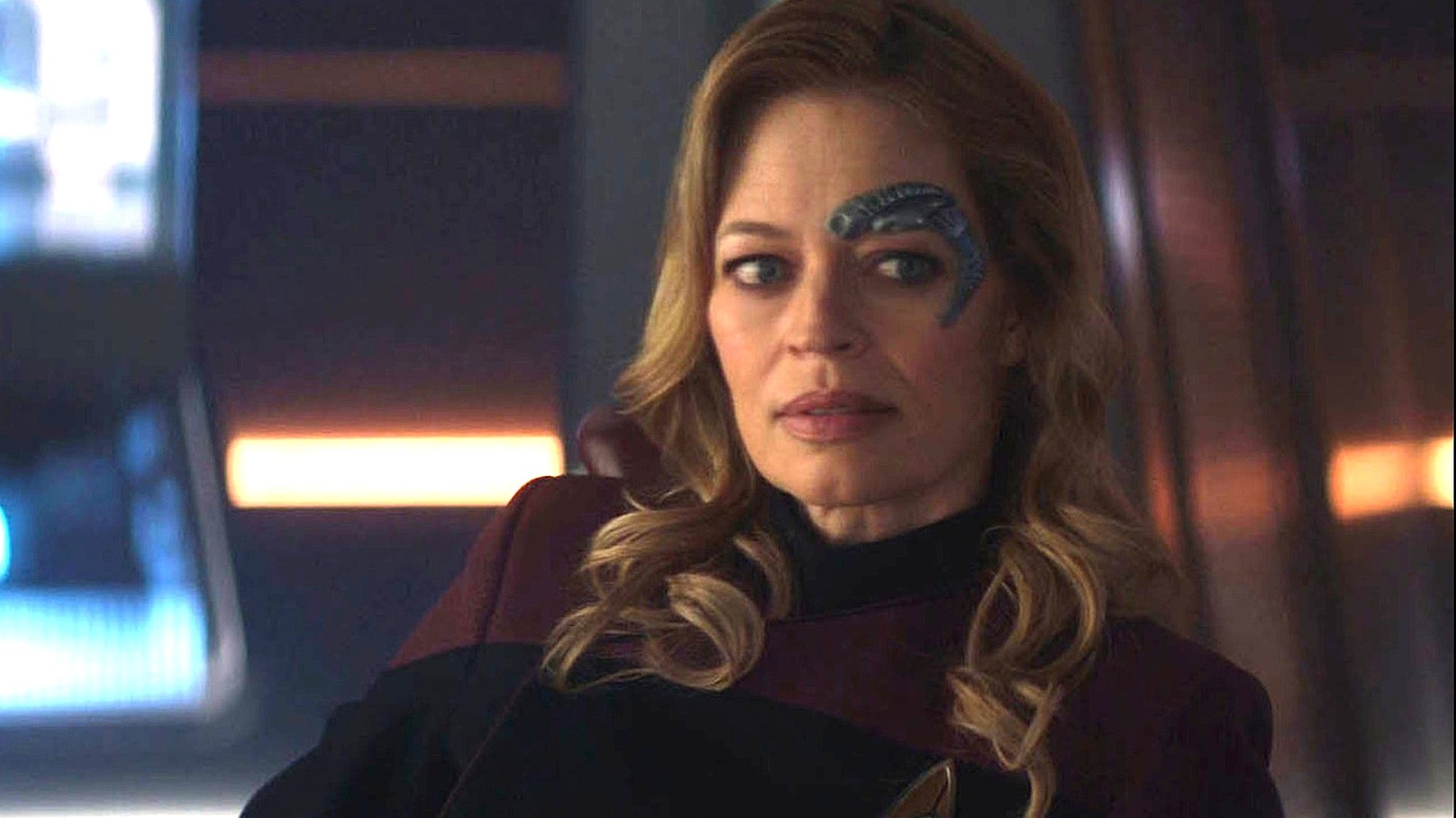
At the center of the proposed series was the USS Enterprise-G, placed under the command of Captain Seven of Nine, brilliantly portrayed by Jeri Ryan. Following her hard-fought redemption and integration into Starfleet, Seven’s command team was set to include Commander Raffi Musiker (Michelle Hurd) as her first officer.
The ship’s crew would also feature prominent next-generation legacies, blending veteran star power with youthful ambition. Jack Crusher (Ed Speleers)—the enigmatic son of Jean-Luc Picard and Beverly Crusher—was slated to serve as a newly minted ensign, learning the ropes of Starfleet protocol. Furthermore, Matalas planned to heavily integrate Sidney La Forge (Ashlei Sharpe Chestnut), the brilliant helm officer and daughter of Geordi La Forge, alongside planned appearances by legacy characters like Worf (Michael Dorn) and his estranged son, Alexander Rozhenko.
Crucially, the series would not have relied solely on past glories. Matalas frequently emphasized that Legacy was engineered to pass the torch, introducing fresh faces and exploring uncharted quadrants of the galaxy while retaining the thoughtful, philosophical storytelling that defined the golden age of 1990s Star Trek.
Chronology: The Rise, Stall, and Demise of the Pitch
The timeline of Star Trek: Legacy is a study in missed momentum. The journey began in earnest during the production and subsequent airing of Star Trek: Picard Season 3 in early 2023. As the season unfolded, critics and audiences alike praised Matalas for course-correcting the series into a thrilling, emotional reunion of the Next Generation principal cast.
The Seed is Planted (Early 2023)
As Season 3 raced toward its finale, the organic setup for a spinoff became glaringly obvious. The final frame of the season finale featured the newly promoted Captain Seven of Nine taking the center seat of the Enterprise-G. Fans immediately mobilized online, launching the social media campaign #StarTrekLegacy. The grassroots movement quickly gained traction, trending globally on multiple occasions and drawing vocal support from the cast and crew.
The Reality Check (Late 2023 – Early 2024)
Despite the deafening roar of fan approval, the corporate machinery at Paramount Global was shifting. By early 2024, streaming strategies across the industry were pivoting away from expansive content spending toward profitability and fiscal restraint. Matalas publicly addressed the bleak reality at various conventions and awards shows, confirming that despite creative interest, Paramount+ had not ordered the series.
The Afterlife (Mid-2024 – Present)
Realizing the television landscape was closed to the pitch for the foreseeable future, the concept found a temporary home in print. IDW Publishing announced a Star Trek: Legacy comic book series, allowing Matalas and other writers to explore the adventures of the Enterprise-G crew on the page rather than the screen. Meanwhile, Matalas transitioned to other high-profile ventures, most notably joining the Marvel Cinematic Universe as the showrunner for the upcoming Disney+ series VisionQuest.
Supporting Data and Creative Insights: Patrick Stewart’s Supporting Role
The most revelatory details regarding the collapsed series emerged during a recent joint appearance by Matalas on the interview show Dropping Names with Brent and Jonny, co-hosted by Star Trek veterans Brent Spiner and Jonathan Frakes.
During the conversation, Matalas elaborated on how the elder statesmen of the franchise would have factored into the narrative. Far from sidelining the original crew to make room for the young adults, Legacy intended to use iconic actors in pivotal, recurring capacities.
Chief among these was Sir Patrick Stewart himself. According to Matalas, Stewart was not only supportive of the project but actively eager to participate in a recurring, supporting capacity. Matalas recalled his discussions with the legendary actor:
"Legacy wasn’t supposed to be, ‘We’ll just keep doing NextGen.’ It was supposed to bring in new people, young, and switch off. We had a great idea for Worf and Alexander and the Klingons. But it was going back to feeling like NextGen. […] Patrick was like, ‘I want to come and be the one who gets on the screen and tells them missions!’ I was like, ‘I don’t know why we’re not doing this!’"*
For decades, classic Star Trek episodes routinely featured a dramatic structural device: a starship captain standing on the bridge, receiving direct, high-stakes orders from a seasoned admiral stationed back at Starfleet Command. Stewart—at 86 years old, remarkably vigorous and passionate about the character—was enthusiastic about stepping into that authoritative, guest-starring administrative role. It would have provided a poetic narrative anchor: Jean-Luc Picard, now safely entrenched in the upper echelons of Starfleet leadership, passing the baton down to the very crew he helped champion.
Official Responses and Industry Reactions
The collective bewilderment expressed by Matalas, Frakes, and Spiner during the podcast mirrors the broader frustration felt across the entertainment industry. For an intellectual property as valuable and historically reliable as Star Trek, passing on a guaranteed audience draw seems counterintuitive to traditional television economics.
Executives at Paramount, however, have historically pointed toward a fragmented streaming strategy. With the parent company navigating corporate restructuring, budget reallocations, and shifts in leadership, the platform had begun scaling back its simultaneous live-action Star Trek slate. Following the conclusions of Star Trek: Discovery and Star Trek: Picard, Paramount chose to focus its primary investments on Star Trek: Strange New Worlds and streaming films like Section 31, leaving little room in the budget for a brand-new ongoing ensemble series set in the 25th-century timeline.
Despite the corporate cold shoulder, the creative team has maintained a philosophical outlook. Matalas noted that while the sting of a lost series remains, "everything happens for a reason," pointing to his successful pivot into the Marvel sandbox as proof that creative journeys often take unexpected, rewarding turns.
Implications for the Future of the Franchise
The cancellation of Star Trek: Legacy carries profound implications for the future of the franchise’s storytelling architecture.
- The Risk of Chronological Stagnation: By declining to move the 25th-century timeline forward, Paramount risks alienating a massive demographic of fans who grew up with the Next Generation era and are eager to see the universe evolve past the Dominion War and Picard’s twilight years. While prequels like Strange New Worlds thrive on retro-futuristic charm, modern television desperately needs narrative progression.
- The Power of Fan-Driven Media: The survival of Legacy in comic book form demonstrates the enduring viability of transmedia storytelling. When television executives fail to capitalize on clear audience demand, creators and publishers are increasingly stepping in to fill the void, turning traditional tie-in media into primary canon exploration.
- The Shifting Economics of Streaming: The death of Legacy serves as a stark reminder of the realities facing prestige television in the mid-2020s. Even with an A-list principal cast, a proven showrunner, and guaranteed global viewership, financial prudence and corporate consolidation can easily override creative goldmines.
As the stars continue to turn in the Star Trek universe, the ghost of the USS Enterprise-G will likely haunt fandom corridors for years to come. Whether Patrick Stewart’s dream of playing the gruff, supportive admiral checking in from Starfleet Command will ever materialize remains to be seen. For now, Trekkies are left to wonder what might have been had the corporate powers-that-be answered the hail from Captain Seven of Nine.
