
The Romantic Grit of Speed: How Villeneuve: The Rise of a Legend Defies the Modern F1 Spectacle
In an era defined by the sterile, high-tech perfection of modern Formula 1—a sport now dominated by data-driven aerodynamics and corporate precision—director Yan Lanouette Turgeon is steering the camera back to a time when racing was defined by oil, sweat, and mortal peril. His latest biopic, Villeneuve: The Rise of a Legend, serves as a cinematic antithesis to the glossy, big-budget portrayals of contemporary racing, such as Joseph Kosinski’s upcoming Brad Pitt-led F1.
As the film prepares to close the prestigious Torino Film Festival before embarking on a wider international rollout, it arrives with a reputation that precedes it. In Quebec, the film has been nothing short of a cultural phenomenon, clocking nearly 2 million local admissions—a figure representing one of the most robust box office performances for a domestic film since 2019.
The Antithesis of the “NASA Driving Machine”
For Lanouette Turgeon, the goal was never to replicate the polished sheen of today’s circuit. Instead, he sought to capture the visceral, tactile nature of the 1970s. “We’re the anti-F1,” the director states bluntly. “We’re so far from NASA chief engineers improving aerodynamics. We’re in the garage, it smells of oil, and the mechanics are shirtless, changing tires with cigarettes dangling from their lips.”

This aesthetic choice is more than just a stylistic preference; it is a fundamental pillar of the narrative. The director emphasizes that the manual transmission era required a symbiotic, often dangerous, connection between man and machine. “It wasn’t a NASA driving machine but a man steering an engine. There was something romantic about that era—more rudimentary and far more dangerous.”
A Chronology of Obsession: From Berthierville to Ferrari
Gilles Villeneuve’s life was cut tragically short in a 1982 crash, a moment that remains a somber milestone in racing history. However, Villeneuve: The Rise of a Legend makes a bold, deliberate choice: it refuses to dwell on the tragedy. The film does not show the crash. Instead, it focuses on the improbable, bootstraps trajectory of a man who climbed from rural obscurity in Quebec to the pinnacle of elite motorsport.
The Formative Years
The film devotes significant time to the lesser-known origins of the legend. Before the iconic red of Ferrari, there was the frozen, unforgiving terrain of Quebec, where Villeneuve cut his teeth on snowmobiles. The opening 30 minutes of the film are a testament to this, showcasing a style of racing that was as reckless as it was masterful.

“Gilles took a very different path to becoming a driver,” Lanouette Turgeon explains. “He first showed that appetite for pushing limits on snowmobiles. When riders collide and go flying, the crashes are incredible. That sense of adventure was part of who he was.”
The Jazzman of the Track
The narrative structure draws an intriguing parallel between Villeneuve and a jazz musician. His driving style—instinctive, fluid, and improvisational—mirrored the rhythmic complexities of jazz. The director highlights how Villeneuve’s ability to "slide the car to exit a corner faster" was a skill forged in the fires of snowmobile racing and refined through a magical, if grueling, run in Formula Atlantic.
Supporting Data: A Cultural Resurgence
The success of Villeneuve: The Rise of a Legend is a case study in local storytelling achieving universal resonance. Despite the specificity of its subject matter, the film’s message—the universal quest to dream big and the price of going "all in"—has transcended borders.

- Box Office Performance: With nearly 2 million admissions in Quebec, the film has revitalized local interest in historical biographies.
- Audience Demographics: Surprisingly, the film is attracting younger viewers who have been introduced to the world of motorsport through the Netflix docuseries Formula 1: Drive to Survive.
- The "Underdog" Narrative: Even for audiences who have no knowledge of Berthierville or the complexities of the 1970s racing scene, the core conflict—the financial desperation and the sheer audacity required to break into the sport—functions as a classic, high-stakes underdog story.
Official Perspective: The Director’s Vision
In an exclusive interview with Variety ahead of the Turin screening, Lanouette Turgeon elaborated on the challenges of bringing such a high-octane project to life within the constraints of the Quebec film industry.
Why Avoid the Death Scene?
"It was a screenwriting decision from the start," says the director. "You can’t depict a whole life in a biopic. It becomes tiresome and directionless. The rest of his story is well-documented, but few people know the steps that got him there. We end on a high note: the little guy from Berthierville landing the most coveted seat in F1."
The Bruce Lee Connection
One of the most striking creative choices in the film is the visual and thematic parallel drawn between Gilles Villeneuve and martial arts icon Bruce Lee. Both men died at 32, both were seen as "eternally young," and both were defined by a meteoric rise from nothing. The inclusion of a Bruce Lee clip in the film was an editorial decision that, according to the director, resonated perfectly with the protagonist’s own journey of self-actualization and discipline.

The Technical Challenges
To convey speed on a modest budget, the production team relied on ingenuity. "We designed and choreographed [the races] with pre-viz animations," says Lanouette Turgeon. "I wanted us to live the race with Gilles, mostly from his point of view, cutting on his gaze. Speed comes from editing and camera position: the lower the camera, the more you feel the speed and every imperfection of the track."
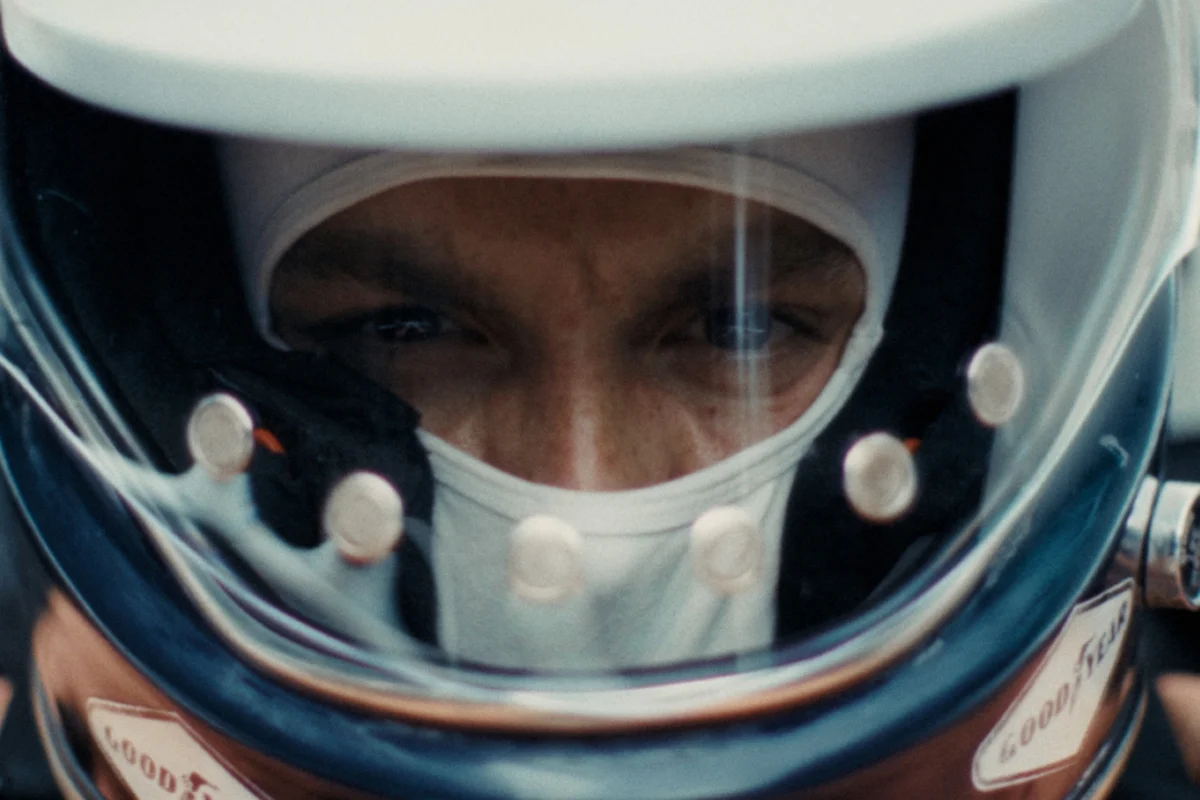
When asked about the potential limitation of having the lead actor, Rémi Goulet, wear a helmet for most of the racing sequences, the director remained confident. "I realized almost immediately that it would work. Eyes say so much, and Rémi could convey emotion and relive everything even in extreme close-up."
Implications for Quebec Cinema
The production of Villeneuve was, by the director’s own admission, a Herculean task. "Quebec cinema rarely makes spectacular action films," he notes. "These films are rare because they’re extremely expensive, and we have little expertise in filming action and racing. We had to break new ground."

The implications of this success are significant. By demonstrating that a local production can handle the technical demands of a high-speed sports drama, Lanouette Turgeon has potentially opened the door for future projects that blend regional identity with international genre tropes. The film proves that if the story is compelling enough, the audience will follow the character, whether they are navigating the snowy fields of Quebec or the grand prix circuits of Europe.
Conclusion: A Legacy Reclaimed
Perhaps the most poignant takeaway from the film is the director’s desire to remind the public that legends require maintenance. "For many, he’d become just a racetrack, the Circuit Gilles-Villeneuve in Montreal," Lanouette Turgeon reflects. "People assume everyone knows him because a track bears his name, but figures like him fade if no one brings them back into the conversation."
With this film, the conversation has been reignited. By stripping away the corporate veneer of modern F1 and focusing on the human, flawed, and daring man behind the wheel, Villeneuve: The Rise of a Legend does more than just recount history; it restores the romanticism of a sport that once lived entirely in the space between the driver’s heart and the engine’s scream. As the film travels to Turin and beyond, it stands as a reminder that the most enduring legends are not built in a wind tunnel, but in the grit and grime of the garage.
