
The Titan of Transformation: Lucian Grainge and the Future of Music
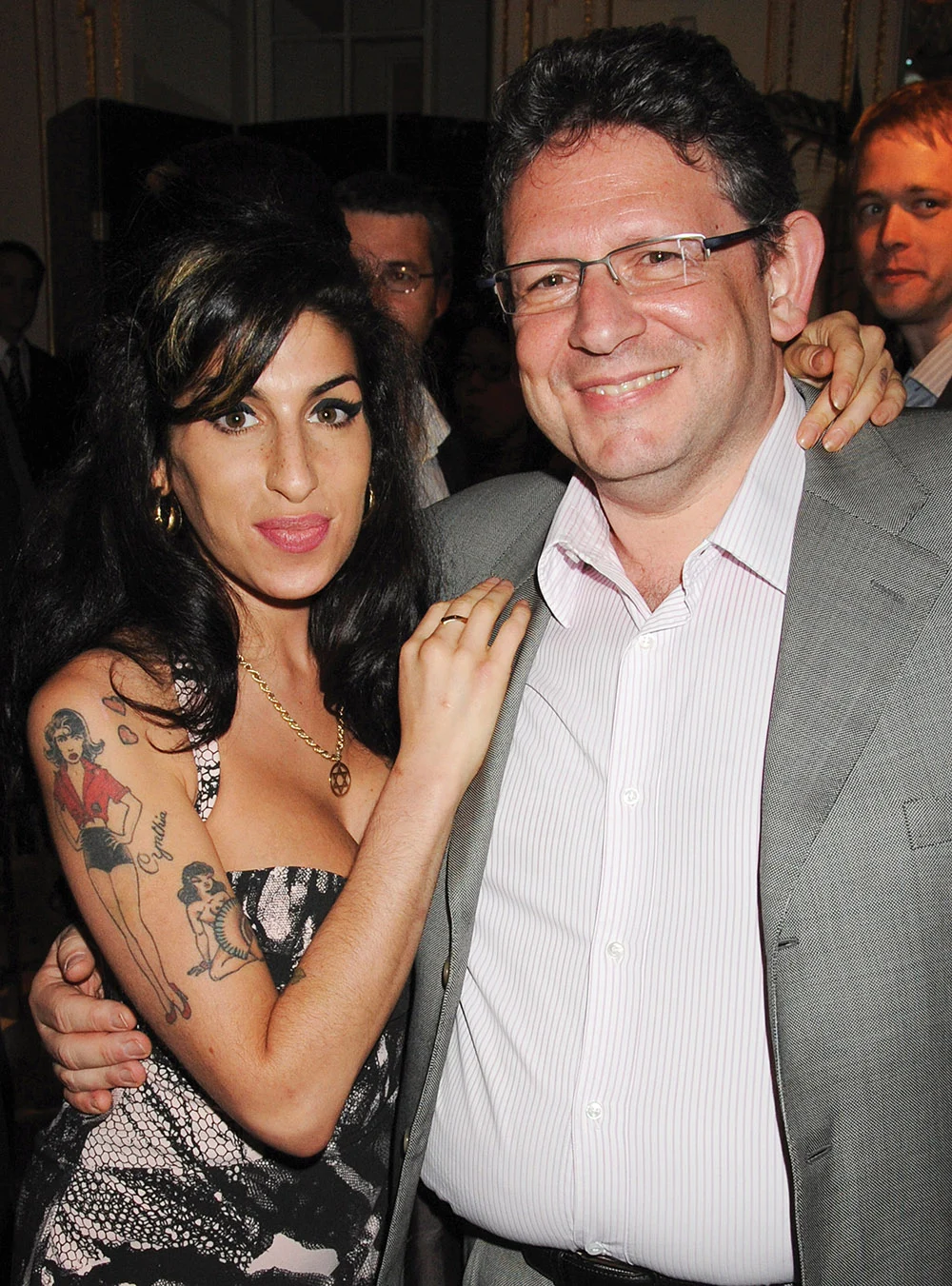
In the high-stakes world of the global music industry, few names carry the weight—or the controversy—of Sir Lucian Grainge. As the chairman and CEO of Universal Music Group (UMG), Grainge has spent over four decades navigating the turbulent waters of cultural and technological shifts. Now, as the industry faces its most profound existential challenge yet in the form of Artificial Intelligence, Grainge stands as a defiant, albeit calculated, gatekeeper. Named the inaugural Hollywood Reporter Music Titan, he remains unfazed by the doomsayers, viewing the current AI disruption not as an apocalyptic event, but as merely the latest chapter in a long history of industrial evolution.
A Legacy of Navigating Existential Threats
To understand Grainge’s composure in the face of AI, one must look at the history of the man who has led UMG since 2011. His career is a roadmap of industry transformation. He witnessed the transition from the physical dominance of cassettes and CDs to the chaotic, piracy-fueled era of Napster. He then oversaw the pivot toward the streaming revolution, a model he championed when many of his peers were still clinging to legacy revenue streams.

Grainge’s tenure at UMG has been defined by his ability to see beyond the immediate panic of disruption. "I’ve done this before several times already," he asserts with the casual confidence of an executive who has weathered the storm of digital file-sharing and emerged on the other side with a more stable, recurring revenue model. For Grainge, the mandate remains consistent: protect the creator, respect the art, and ensure that technology serves the culture, not the other way around.
Chronology of a Music Powerhouse
Born in London in 1960, Grainge’s trajectory was influenced early by his brother, Nigel, a record label founder. His formal entry into the business began in publishing, where he quickly made his mark by signing The Psychedelic Furs. By 1986, he had joined UMG, climbing the ranks through A&R and international operations.

His ascension to the CEO position in 2010 occurred during the industry’s darkest hour. With revenues cratering due to digital piracy and the collapse of the album-sale model, many predicted the end of the major record label. Grainge’s response was characteristically bold: the $1.9 billion acquisition of EMI. While critics at the time questioned the wisdom of buying a "sinking ship," the move solidified UMG as the undisputed leader in the industry. Today, that investment looks like a masterstroke of vision, as UMG maintains a market cap near $30 billion, fueled by an enviable roster of global superstars.
Supporting Data: The Scale of UMG’s Influence
The sheer scale of UMG under Grainge’s stewardship is difficult to quantify, yet the data is stark. According to IFPI rankings, UMG managed nine of the top 10 most-listened-to artists in the world last year. Billboard reports that the company commands a market share of nearly 39 percent, a lead of roughly 11 percentage points over its nearest rival, Sony Music.

This empire includes the biggest names in the pantheon of modern music: Taylor Swift, The Beatles, Rihanna, Lady Gaga, and Billie Eilish, among others. However, Grainge’s success is not just a product of legacy acts; his team has been instrumental in breaking newer, generation-defining stars like Sabrina Carpenter and Chappell Roan. The company’s financial health—posting $3.8 billion in revenue in a single recent quarter—serves as the bedrock upon which Grainge builds his defense against market volatility and technological threats.
Official Responses to the AI Disruption
Grainge is neither a Luddite nor a blind optimist regarding AI. His strategy is one of "aggressive engagement." UMG has forged high-level partnerships with Spotify, Nvidia, and Klay, while simultaneously taking a litigious stance against companies like Suno, which the label accuses of training their models on copyrighted recordings without permission.

"I love change, I love disruption," Grainge says, clarifying his position. "I’m very bullish about it provided it’s compensated and that the tech platforms respect us." He draws a sharp line between "inauthentic" content and genuine artistic creation. To Grainge, history has proven that the market rejects manufactured, derivative products—referencing the downfall of Milli Vanilli as a case study. He maintains that while AI can be a tool for enhancement, it cannot replace the "guttural" connection that a human artist forms with an audience through melody and lyricism.
When questioned about recent AI-generated music models trained on competitor catalogs, Grainge remains firm on his core principles: "Opt-in, fair compensation, respect for what the artists do, and respect for our organization." He is currently navigating a complex public policy landscape, lobbying in Washington and beyond to ensure that the legal framework for AI respects the intellectual property rights that form the lifeblood of his business.

The Human Element: Leadership and Personal Resilience
Grainge’s leadership style is often described as that of a "submarine"—he moves quietly, surfacing only when the impact is most necessary. His professional life has been marked by personal crucible, including the tragic loss of his first wife and his own near-death experience with COVID-19 in 2020. These experiences have seemingly imbued his professional decision-making with a sense of perspective.
His relationship with his son, Elliot Grainge—the CEO of Atlantic Music Group—has become a topic of industry fascination. While the two are fierce competitors, the elder Grainge speaks of his son with pride. Their competition is a microcosm of the industry itself: high-stakes, professional, and ultimately driven by the same passion for discovery that fueled Lucian’s early days in London’s music scene. "If anyone is going to take our market share down to zero," he jokes, "I’d like him to be the best person in the industry."

Implications for the Future of Art
As UMG moves forward, the implications of Grainge’s approach to AI are significant. By demanding that tech platforms "opt-in" and pay for the use of artist data, Grainge is attempting to create a new economic model for the digital age—one where technology pays its fair share to the creators who sustain it.
His refusal to embrace "totally AI-generated music" as a product speaks to a broader belief that the value of music lies in the human experience. Whether he is listening to Pavarotti, Mozart, or the latest breakthrough pop hit, Grainge’s ear remains tuned to what he calls "the magnificent lyric."

Ultimately, Lucian Grainge views the current era not as an end, but as a test. The industry has survived Napster, the fall of physical media, and the rise of the streaming platform. As the world’s most powerful music executive, he is betting that human creativity—backed by the right legal and economic guardrails—will remain the foundation of culture, regardless of how advanced our machines become. As he prepares for the next phase of this transformation, his message remains clear: the music business will endure, provided the humanity behind the music is protected at all costs.
