
The Vanishing Act: Why ‘Nowhere Man’ Remains the Greatest Lost Sci-Fi Treasure of the 90s
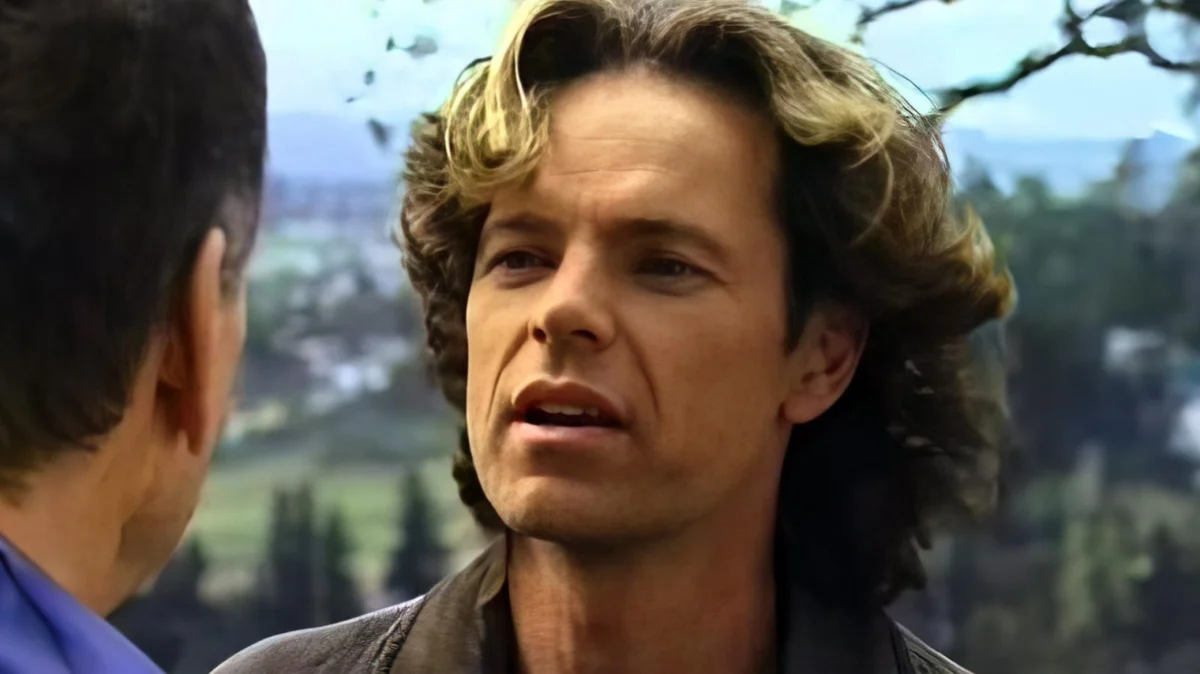
In the landscape of 1990s television, the science fiction and conspiracy thriller genres were dominated by the gargantuan shadow of Chris Carter’s The X-Files. While audiences were busy looking for little green men, a more grounded, visceral, and terrifying experiment in paranoia arrived on the fledgling UPN network in August 1995. Lawrence Hertzog’s Nowhere Man was a bold, serialized fever dream that acted as a bridge between the episodic procedural dramas of the past and the high-concept, arc-heavy puzzle boxes of the 21st century. Despite critical acclaim and a cult following, the show was erased from the public consciousness almost as effectively as the identity of its protagonist.
The Anatomy of an Identity Crisis: The Premise
At the heart of Nowhere Man is Thomas Veil, portrayed with a desperate, frantic intensity by Bruce Greenwood. Veil is a successful, world-weary photojournalist who finds his life dismantled in the span of a single evening. The inciting incident is a photograph titled "Hidden Agenda," which Veil captured during a brutal military conflict in South America. In the image, he documents an execution involving American soldiers and a mysterious man with a cigar.
One year later, Veil wakes up to a nightmare of bureaucratic erasure. His credit cards are invalid, his bank accounts have evaporated, and his best friend is found dead—with no one else remembering he ever existed. Even his wife, Alyson (played by Megan Gallagher), stares at him with the cold indifference of a stranger. His world has been surgically removed from reality, leaving him an invisible man in his own life. Forced onto the run, Veil begins a cross-country odyssey to recover his identity and uncover the secret behind the photograph that made him a target.
Chronology of a Cult Classic
Nowhere Man was a product of a specific moment in television history. Launched in the mid-90s, it operated on a narrative engine that was arguably too advanced for the era’s broadcast model.
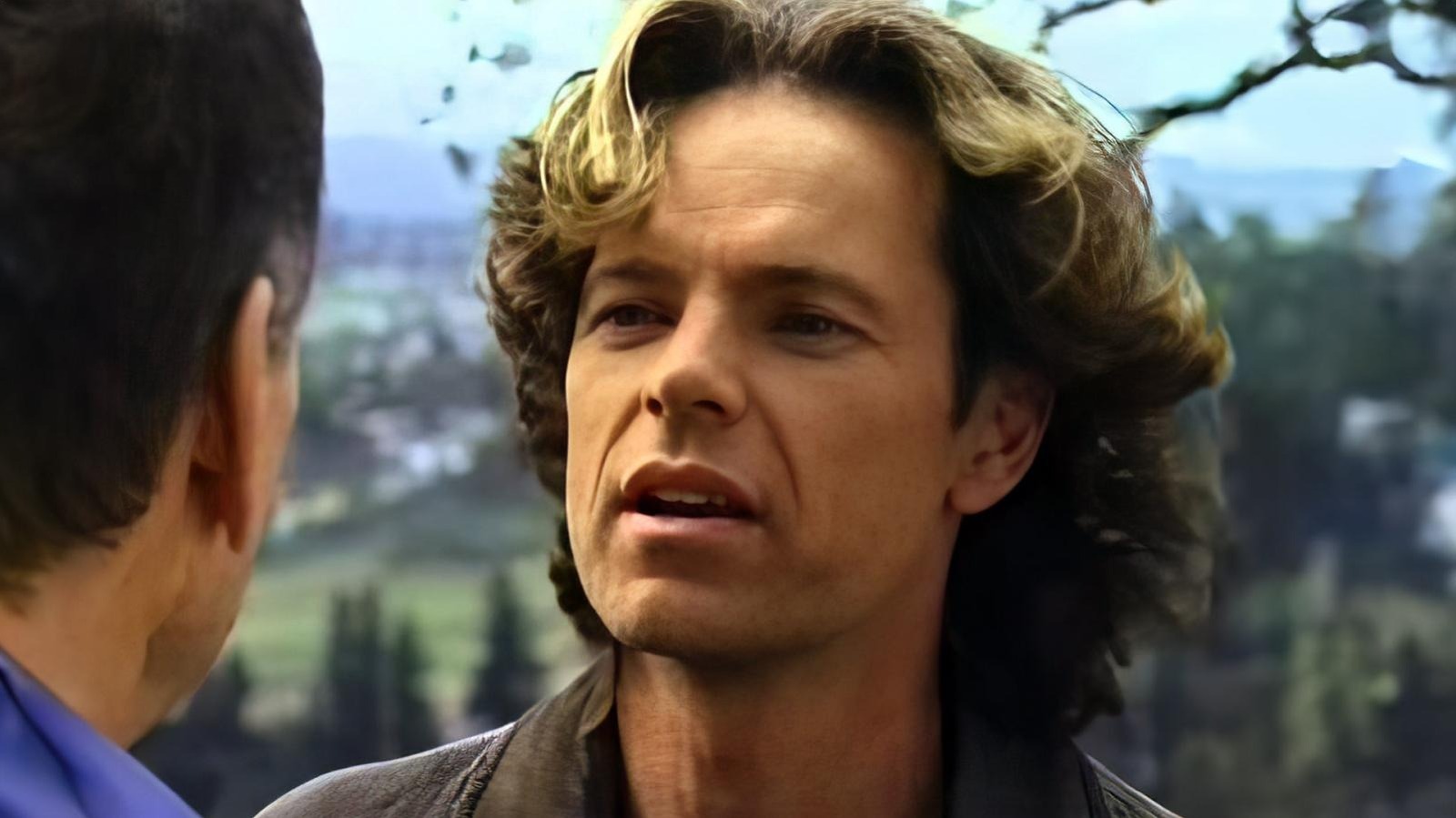
- August 1995: The series debuts on UPN. From the outset, the production values are striking, featuring a haunting score by Mark Snow, who famously provided the eerie soundscapes for The X-Files.
- The 1995-1996 Season: The show maintains a relentless pace, utilizing a structure that was largely unheard of at the time. While most shows relied on "monster-of-the-week" formats, Nowhere Man was a continuous, evolving arc. Each episode pushed the mystery forward, deepening the conspiracy surrounding the shadowy organization hunting Veil.
- The Cancellation: Despite a strong critical reception, UPN opted not to renew the show for a second season. The series concluded with a sense of finality that felt both earned and tragic, leaving a void for fans of high-stakes, intelligent thrillers.
- Legacy: In the decades since, the show has become a "white whale" for television enthusiasts. It is frequently cited as a precursor to shows like Lost, Prison Break, and Person of Interest, which relied heavily on the "man on the run" and "shadowy cabal" tropes that Nowhere Man refined.
Parallels and Predecessors: The DNA of Paranoia
To understand the significance of Nowhere Man, one must examine its influences. The show is effectively a synthesis of The Fugitive and the surrealist British masterpiece The Prisoner.
Like Patrick McGoohan’s "Number Six," Thomas Veil is a man trapped in a labyrinth designed by an unseen, all-powerful authority. The parallels are so intentional that the writers included an episode where Veil takes refuge in a suburban enclave, adopting the moniker "Number Six." Both series explore the loss of individuality against a backdrop of institutional control.
However, Nowhere Man added a distinctly American, post-Cold War anxiety to the mix. It captured the specific fear of the 90s: the realization that in an increasingly digitized and bureaucratic world, your existence is only as real as the database that confirms it. If the government or a powerful corporation decides you don’t exist, you, for all practical purposes, cease to be.
Supporting Data: The Talent Behind the Curtain
One of the most remarkable aspects of Nowhere Man was its ability to attract top-tier talent, both behind the camera and in front of it. The pilot was directed by Tobe Hooper, the visionary behind The Texas Chain Saw Massacre and Poltergeist. Hooper’s involvement gave the show a cinematic grit and an unsettling atmosphere that set it apart from its network competitors.
The casting was equally impressive. Throughout its 25-episode run, the show served as a veritable who’s who of future stars and seasoned character actors:
- Carrie-Anne Moss: Appearing long before her breakout role in The Matrix, she played a photographer caught in Veil’s web.
- Bryan Cranston: In an early turn, he played a suspicious sheriff, showcasing the intensity that would later define his work in Breaking Bad.
- Maria Bello: A standout guest appearance as a woman who aids Veil during his recovery.
- Distinguished Veterans: The show featured appearances by Dean Stockwell, Dwight Schultz, and Dean Jones, lending the production a gravity that elevated the genre material.
The Critical Reception: Why It Deserved Better
At the time of its airing, reviewers were largely supportive. Writing for Variety, John P. McCarthy praised the show’s pacing and specifically lauded Bruce Greenwood’s performance as the anchor of the series. The show was recognized for its high production quality—it looked and felt more expensive than the average UPN offering.
However, the show suffered from a lack of lead-in support and the inherent difficulty of asking 1995 audiences to commit to a 25-episode continuous serialized mystery. In the pre-DVR, pre-streaming era, missing one episode of Nowhere Man could leave a viewer hopelessly lost. It was, in many ways, a show built for the binge-watching era that wouldn’t arrive for another fifteen years.
Implications: A Relic Worth Resurrecting
The current unavailability of Nowhere Man on major streaming platforms is a significant oversight in the preservation of television history. While the series exists in the "darker corners of the internet" and on rare, out-of-print DVD sets, it remains largely inaccessible to modern audiences.
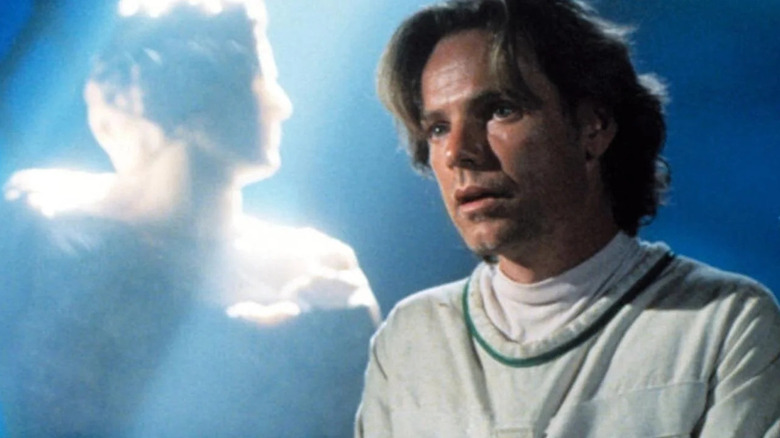
The implication of this loss is a gap in the understanding of how television narrative evolved. Nowhere Man proved that audiences were hungry for complex, serialized storytelling, even if the broadcast networks weren’t quite ready to support it. It demonstrated that a protagonist could be stripped of everything—identity, family, safety—and still maintain the viewer’s empathy through sheer force of will and a relentless quest for truth.
As we live in an era where data privacy and digital identity are constant concerns, the central premise of Nowhere Man feels more relevant than ever. Thomas Veil wasn’t just running from a shadowy organization; he was running from the realization that his life was a construct that could be deleted by a keystroke.
Final Thoughts: The Need for Rediscovery
Bruce Greenwood’s portrayal of Thomas Veil remains a masterclass in controlled hysteria. He played a man whose world was shattered, yet who never lost his humanity. The show’s surreal detours—from mind-controlled students to age-reversing nursing homes—gave it a hallucinatory quality that anticipated the "weird fiction" boom in modern TV.
For those who cherish the history of science fiction, Nowhere Man is more than just a 90s relic; it is a missing link. It is a testament to the fact that great art can be buried by the industry, but it cannot be truly erased. Like Thomas Veil himself, the show lingers in the shadows, waiting for a new generation to find it, peel back the layers of its conspiracy, and finally recognize its place in the pantheon of great television. It is a show that demands to be seen, remembered, and—above all—understood.
