Lighting the Meiji Era: Inside Kyoto Animation’s Masterpiece Sparks of Tomorrow
While manga frequently commands the lion’s share of the global spotlight when it comes to source material for anime adaptations, light novels continue to offer rich, narrative-driven landscapes for studios to explore. One of the most visually striking and technically ambitious examples of this translation is Hiro Yuki’s light novel series 20 Seiki Denki Mokuroku (translated as 20th Century Electricity Catalog). Brought to the global stage as the Netflix original anime series Sparks of Tomorrow, the project represents a monumental artistic achievement by legendary studio KyotoAnimation.
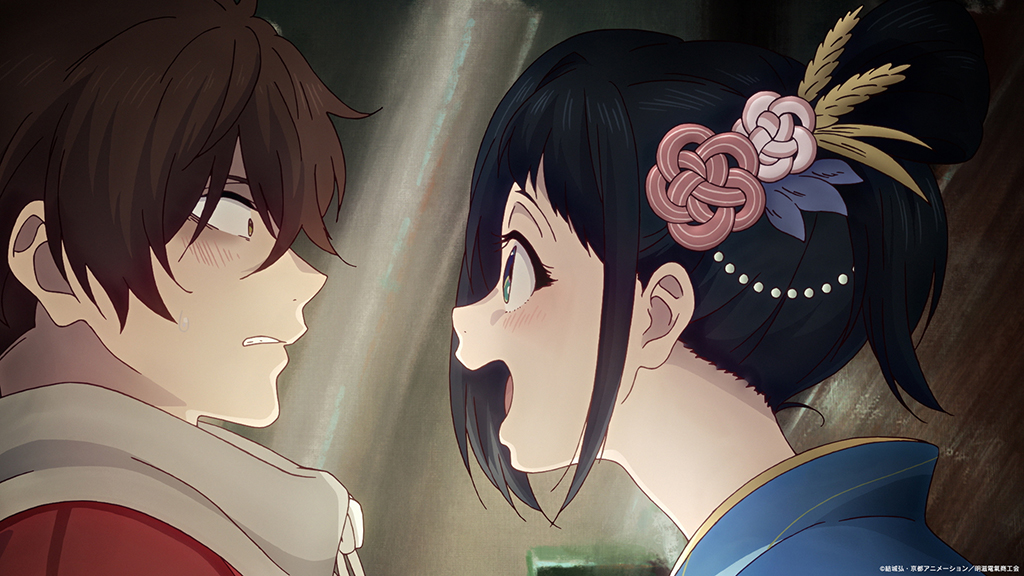
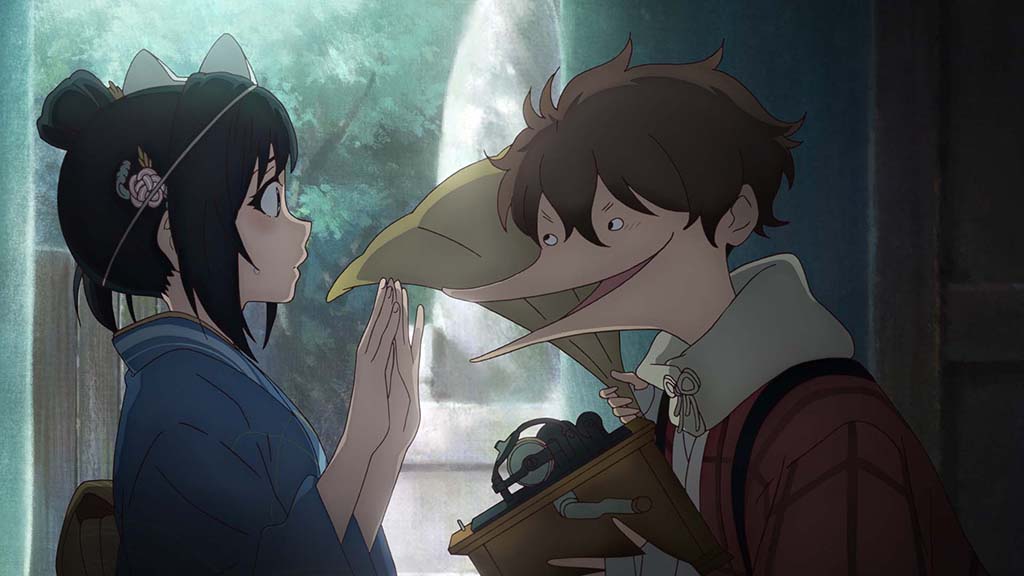
Set against the atmospheric, rapidly shifting backdrop of early 20th-century Kyoto during the Meiji era, the series follows two brothers bound by a shared, radical dream: replacing the heavy, soot-stained steam technology of their society with the clean, bright promise of electricity. Their ambitions are violently derailed when one brother departs for the battlefield and dies in the war. Left isolated, the surviving brother, Kihachi Sakamoto, finds his world upended by a chance encounter at a shrine. Meeting a young woman with an unexpected, profound connection to his late sibling, Kihachi feels his dormant desire to change the world reignited.
Behind the heartfelt narrative lies a monumental feat of traditional and digital animation. Directed by Minoru Ota, Sparks of Tomorrow marries a deeply historical setting with avant-garde visual styling, pushing the technical boundaries of 2D animation while paying homage to early 1900s Japanese culture.
Chronology of Production: From Light Novel to Netflix Global Release
The journey of Sparks of Tomorrow from page to screen required years of meticulous planning, deeply collaborative art direction, and deliberate artistic experimentation.
The developmental timeline of the series faced unique hurdles stemming from its stylistic ambitions. Unlike standard modern anime that rely heavily on automated digital pipelines, Kyoto Animation approached the project with a philosophy centered on painterly aesthetics and analog textures.
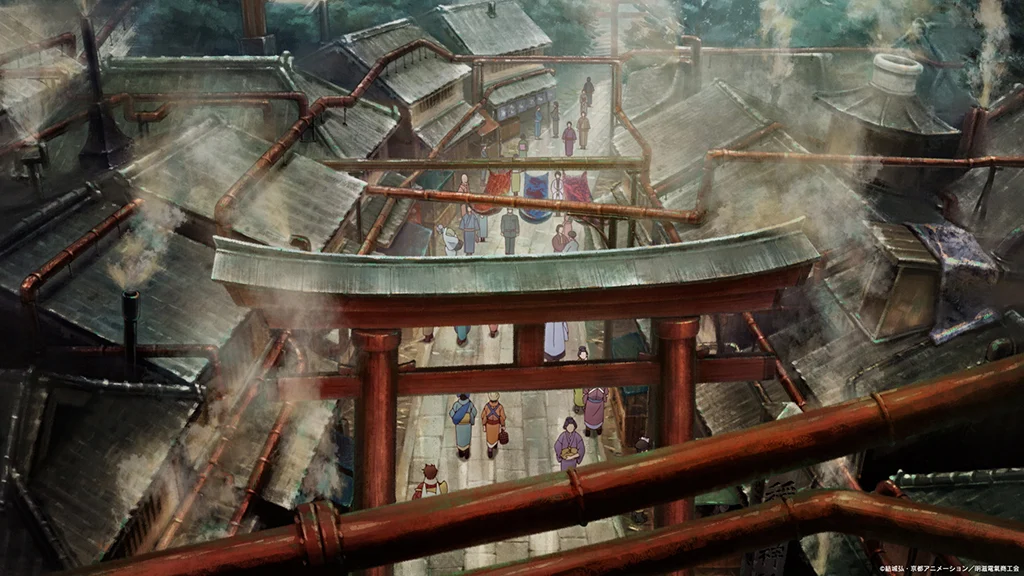
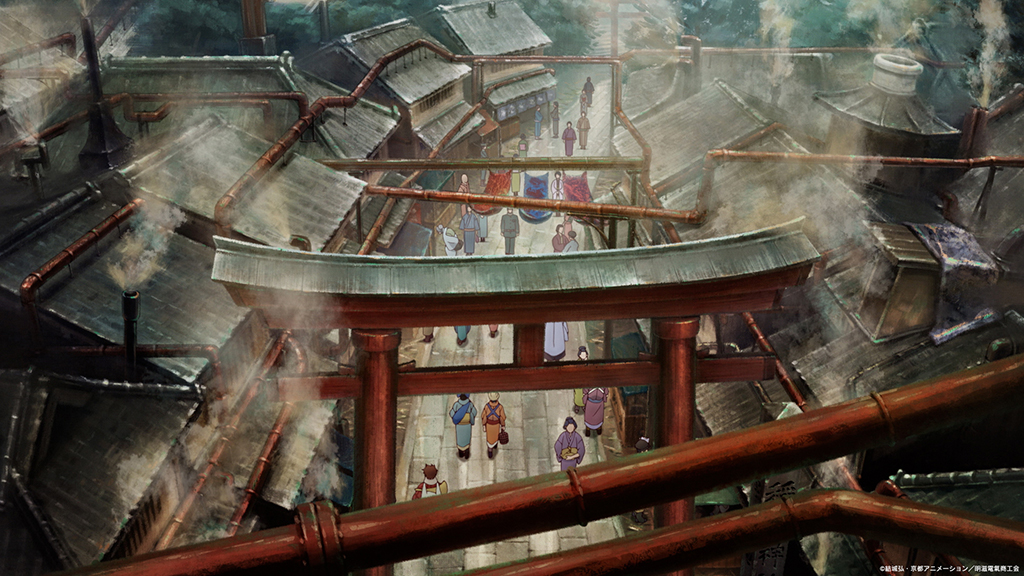
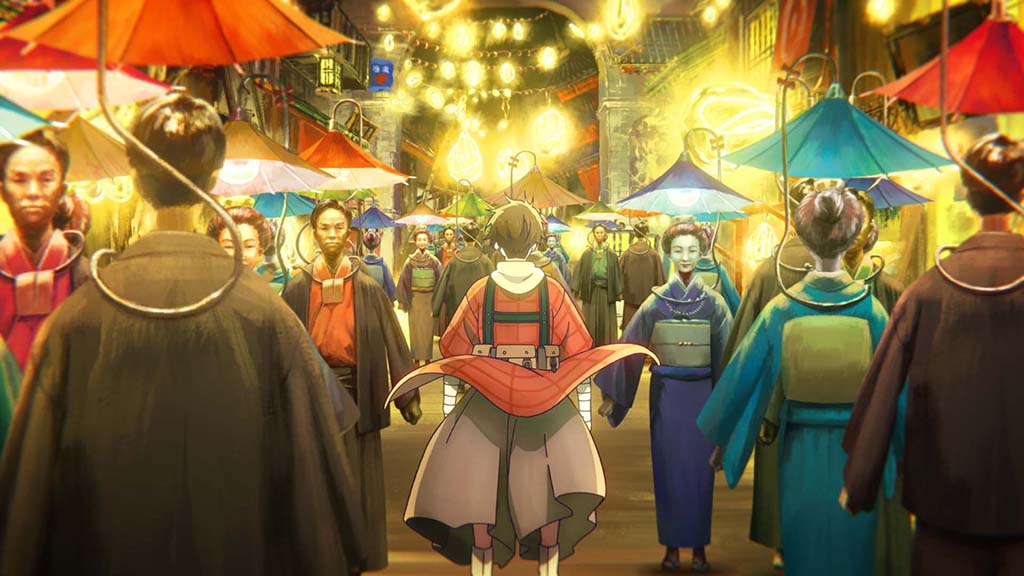
Phase 1: Conceptualization and World-Building: Director Minoru Ota and Art Director Takayama established the visual vocabulary of Meiji-era Kyoto. Early iterations suffered from overly monotone brown palettes, prompting the team to pivot toward a cool-toned blue base for the city to contrast traditional pale wood architecture and gray roof tiles against the open sky.
Phase 2: Defining the Motifs of Progress: The production team mapped out the symbolic dichotomy of the series. Steam was designated as an agent of societal stagnation and psychological weight, while electricity was crafted as a beacon of hope and emotional resonance.
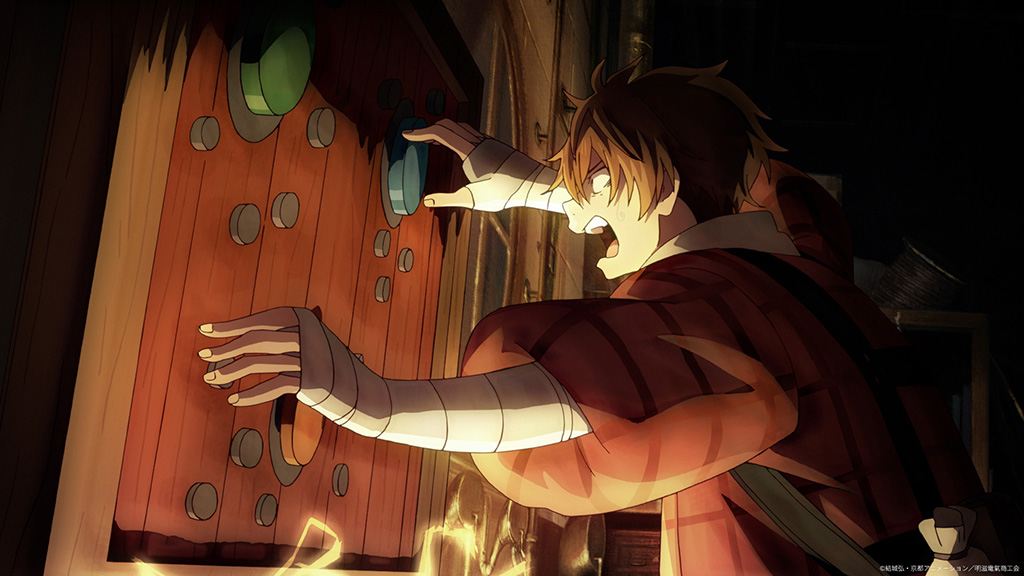
Phase 3: Animation and Visual Experimentation: Animators experimented heavily with mixed media, intercutting naturalistic drama with surreal, chibi comedy. Sequences depicting Kihachi’s inner genius utilized complex "harmony cels"—where the art team took over coloring duties—requiring upwards of 100 distinct assets per cut.
Phase 4: Netflix Distribution and Global Reception: The series premiered on Netflix, quickly gaining acclaim for its distinctive visual identity, seamless integration of painterly backgrounds, and emotionally resonant character dynamics.
Supporting Data and Technical Breakdown: Mastering the Art of Light and Shadow
The visual identity of Sparks of Tomorrow does not happen by accident; it is the result of rigorous technical choices made by Ota and his specialized crew of animators and compositors.
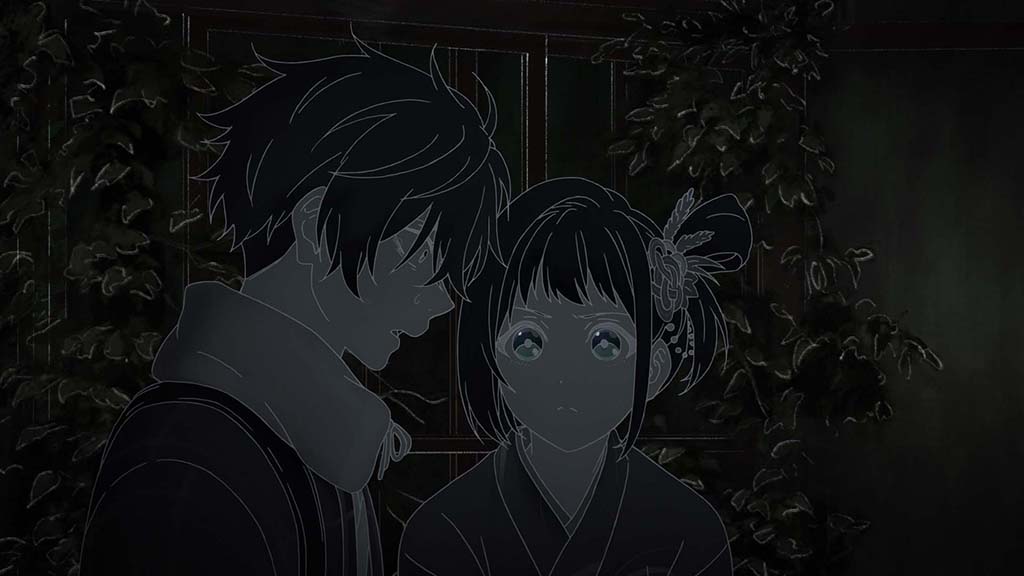
In standard anime production, scenes taking place in pitch darkness or heavy shadow are traditionally drawn with a surprising degree of baseline brightness. This convention ensures that viewers can clearly track on-screen action, but it frequently dilutes the psychological impact of fear or isolation.
Ota chose to strip away this built-in sense of security. By making the primary outlines of the animation cels white and stripping away the intrinsic color values of both characters and backgrounds, the studio plunged its subjects into genuine, uncompromised darkness.
The Calculus of 2D and 3D Integration
Maintaining a painterly, brush-stroke-heavy background style created significant friction when paired with digital animation. According to Ota, angular 3D assets initially looked entirely out of place next to fluid, hand-painted backdrops.
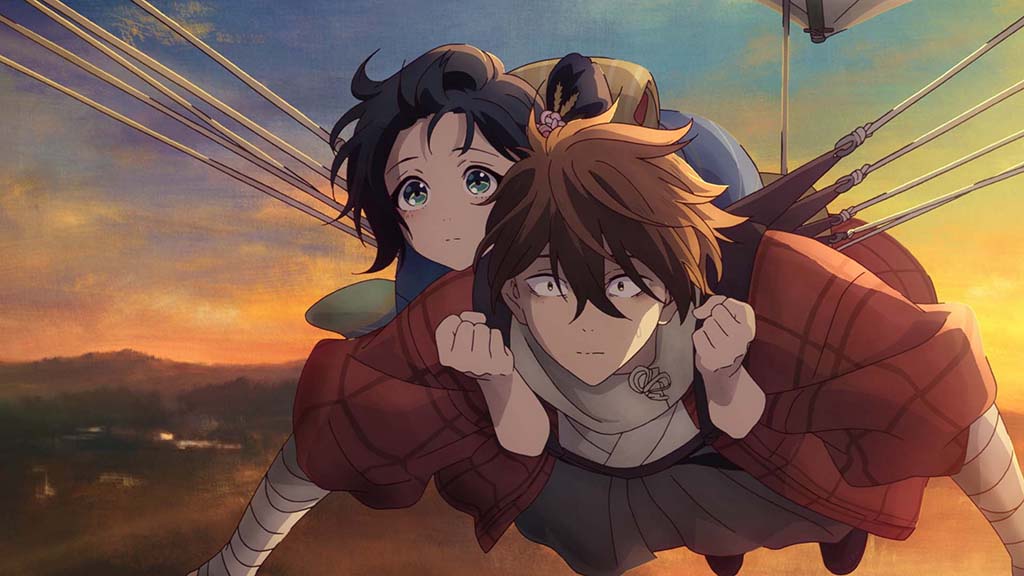
To solve this, Ota compared the challenge to a simple geometric experiment: "Try taking a photograph and folding it in half. Does it make the image look more three-dimensional? No. The picture is folded, but the image remains flat." Overcoming this required precise expertise. The production team used as little digital animation as possible, restricting 3D implementation to a small, highly specialized faction of the team to ensure that sweeping sequences—such as Kihachi and Inako’s breathtaking rooftop escape via a kite—mimicked the authentic ascent of a real physical camera.
Cultural and Historical Reference Points
To authentically capture Kihachi’s internal imagination, the production team drew visual inspiration from the traditional Japanese holiday of Obon, a time when families honor their ancestors. Ota noted that the psychedelic cutouts and collages expressing Kihachi’s genius were intentionally designed to feel unpredictable and confusing, yet rooted entirely in things the young inventor would have witnessed in his daily life. The aesthetic borrowed heavily from Japanese oil painters of the Meiji period, blending memories of young festival-goers dancing with children rotating prayer beads at a Jizo festival.
Official Responses and Creative Insights
Throughout the production and release of Sparks of Tomorrow, Director Minoru Ota has been vocal about the collaborative breakthroughs and philosophy that shaped the series.
Speaking on the intentional dichotomy between steam and electricity, Ota explained how environmental design directly mirrors internal psychology:
"We designed the everyday scenes to feel dark and convey the stagnation of this society that has long been stuck with no technological progress beyond steam engines. We wanted the gloomy atmosphere of the setting to provide extra weight to the characters’ cathartic moments throughout the story."
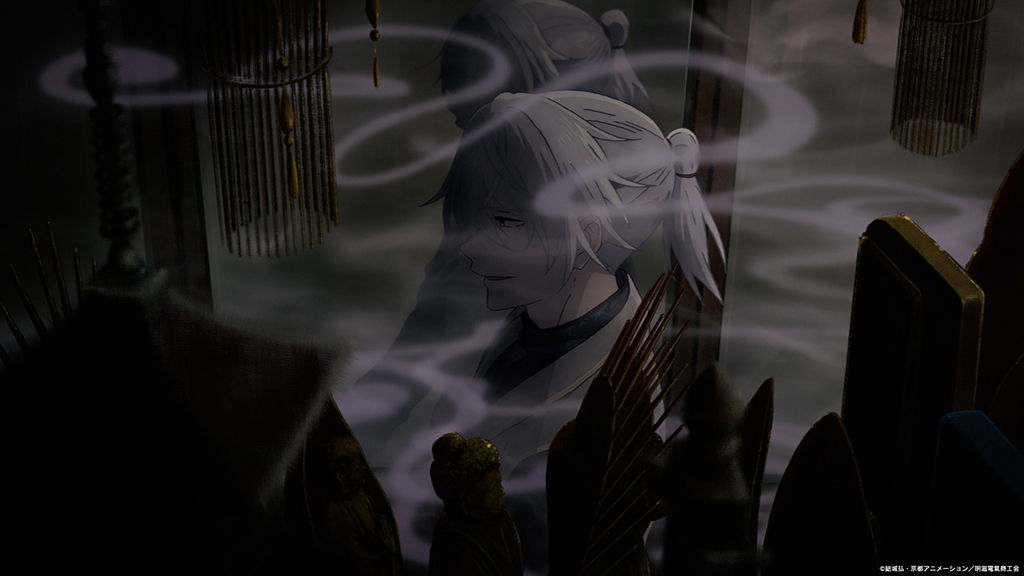
This psychological reflection extends to supporting characters like Yosuke Momokawa. Trapped by his reliance on Kihachi’s late brother, Seiroku, Yosuke’s internal stagnation is visually echoed through dense, complex layers of steam and smoke. The compositing team manually inlaid and color-treated smoke materials so they would harmonize seamlessly with the background art.
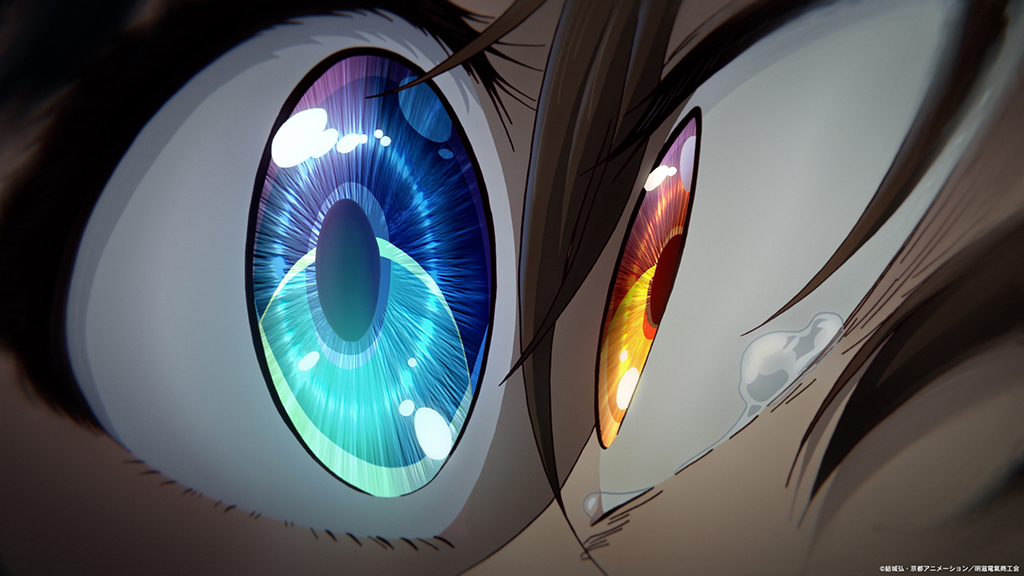
In contrast, electricity was treated as an active emotional catalyst. "Kihachi’s inventions only function in the ways we already understand, but they make us feel more hope than that," Ota stated. "Lightbulbs cast yellow light onto the people and buildings around them, causing the screen to radiate hope. Any scene in which electricity is present, it is always giving people hope."
Ota also praised the animators’ enthusiasm for dynamic secondary characters like Suzu Harashima, whose ninja-like speed and bottomless purse kept the production energized. "Work featuring Suzu Harashima was popular among the animators. They always vied to handle the scenes she appeared in. Honestly, she was at the edge of the level of realism we wanted for the action in this series."
Implications for the Future of Anime Adaptation
Sparks of Tomorrow stands as a watershed moment for Kyoto Animation and the broader anime industry, carrying several crucial implications for how light novels are adapted in the future.
1. Elevating Source Material Beyond Tropes
The success of Sparks of Tomorrow proves that light novel adaptations do not need to rely on cookie-cutter fantasy tropes or generic school-life settings to find mainstream success. By selecting historical, deeply atmospheric source material and treating it with high-art cinematic prestige, studios can attract mature audiences who demand artistic integrity.
2. Pushing the Limits of Hybrid Aesthetics
As the industry increasingly grapples with how to merge 2D hand-drawn aesthetics with 3D digital environments, Ota’s disciplined approach serves as a masterclass. By strictly limiting digital assets to seasoned specialists and prioritizing painterly brushstrokes over automated efficiency, Kyoto Animation has set a new benchmark for visual harmony in modern animation.
3. Emotional Resonance Through Visual Metaphor
The meticulous integration of lighting, color theory, and historical motifs—such as using Obon-inspired collages for genius intellect and white-lined cels for true darkness—demonstrates that animation is a medium of profound psychological depth. As viewers approach the emotional climax of the series, including the fateful activation of Kihachi’s ultimate machine in Episode 12, Sparks of Tomorrow leaves an indelible mark on fans worldwide, securing its place as a defining milestone of 21st-century animation.