
Meta Connect 2026: A Paradigm Shift in Wearable Computing and Spatial Reality
The 2026 iteration of Meta Connect has officially concluded, and for observers of the tech industry, it represents the most significant pivot in the company’s hardware strategy since the inception of the Quest line. Meta has spent years cultivating the "metaverse" as a concept; now, in 2026, it is delivering that promise through a diversified portfolio of hardware that blurs the lines between augmented reality, virtual reality, and everyday smart-fashion.
From the highly anticipated unveiling of lightweight VR glasses to the unexpected debut of the "Muse Charm," Meta is aggressively moving to capture every facet of the digital lifestyle.
Main Facts: The New Hardware Ecosystem
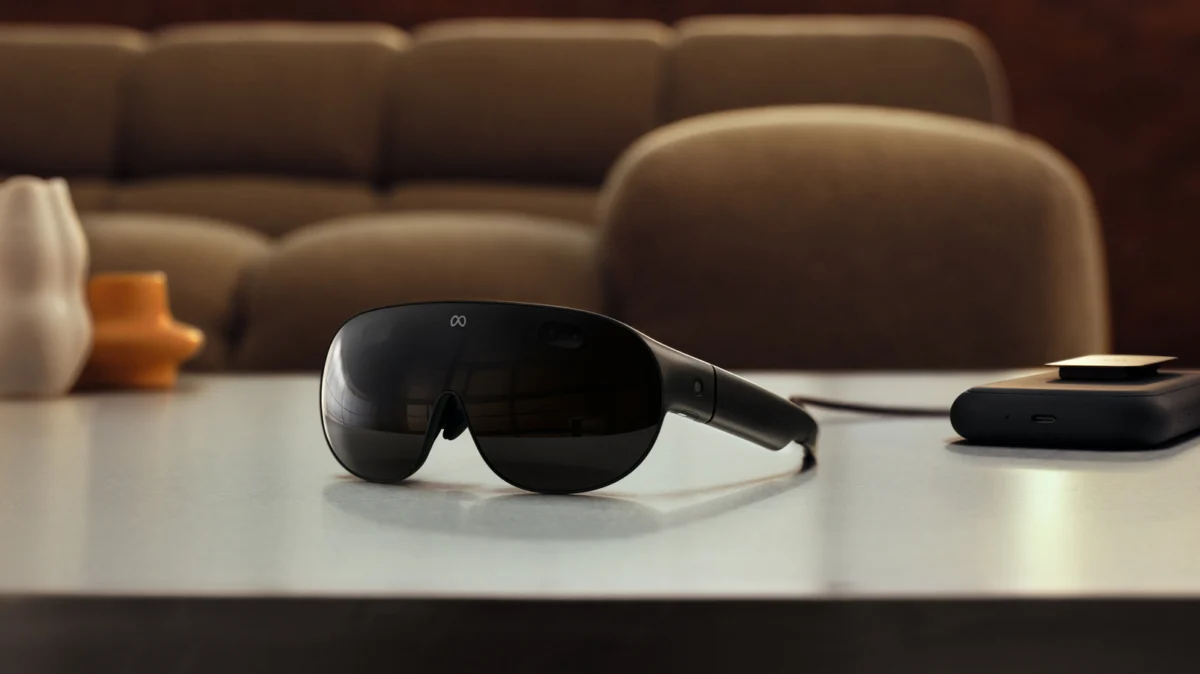
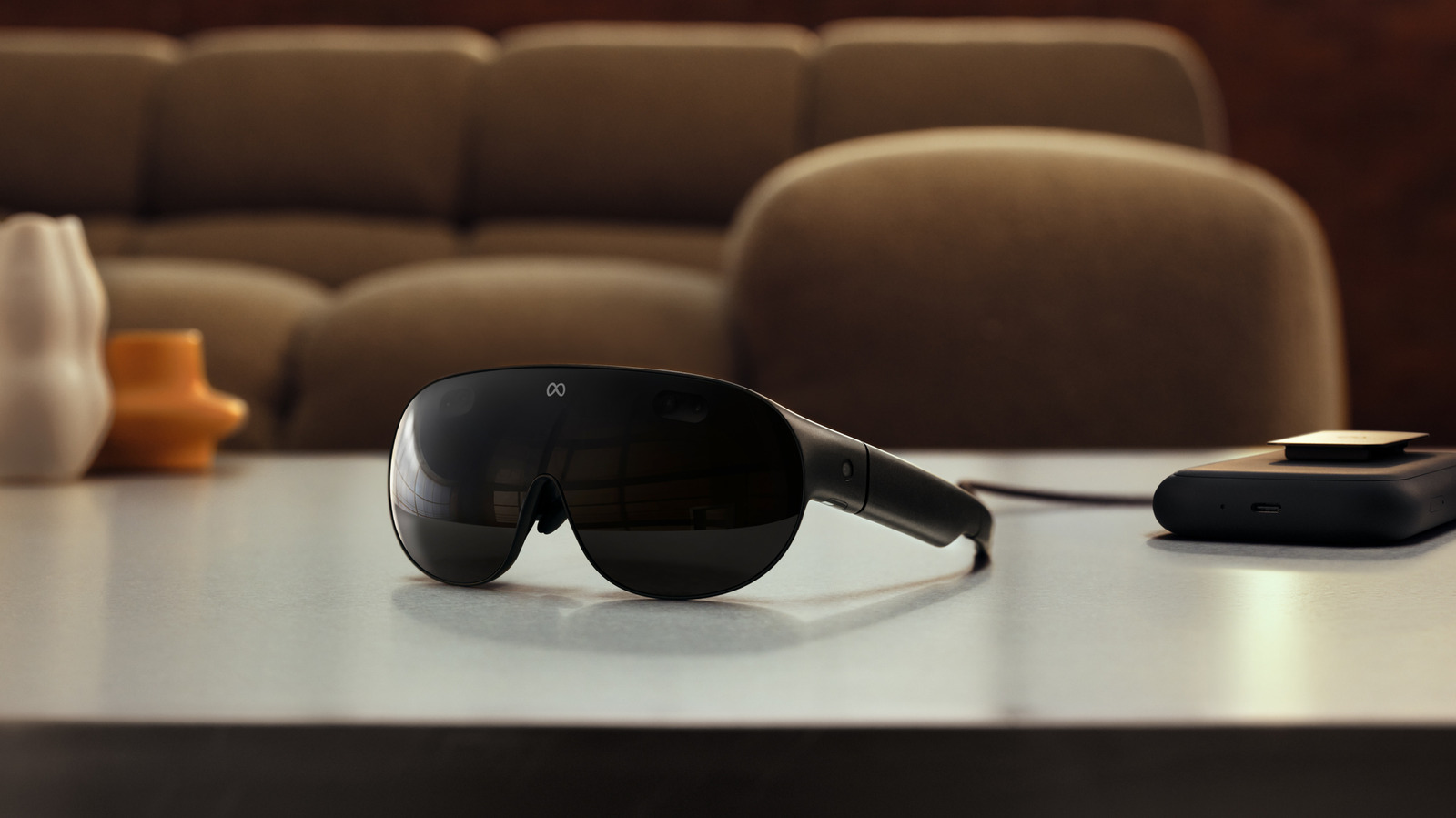
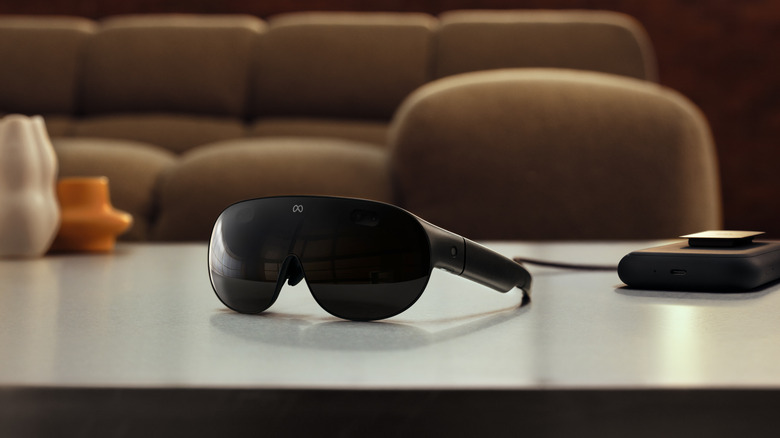
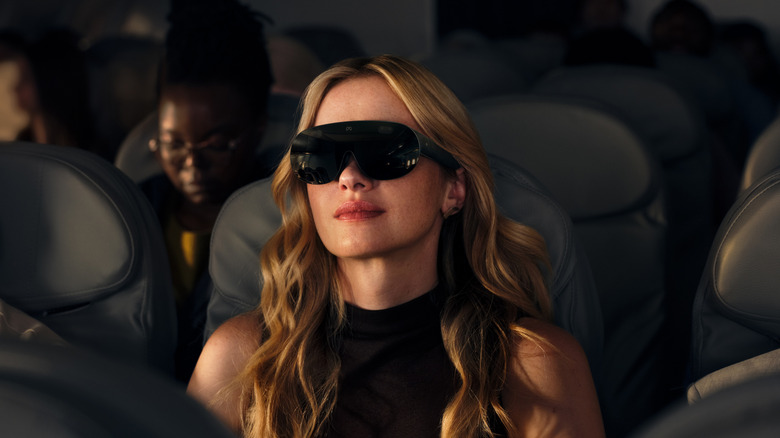
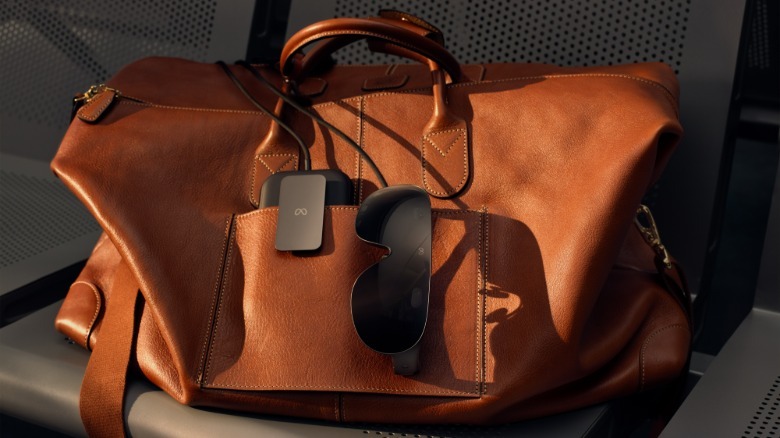
The headline of this year’s event was, unequivocally, the Meta VR Glasses. Scheduled for a spring 2027 release with a price tag of $1,300, these devices represent a radical departure from the bulky headsets of the past. Weighing in at a mere 100 grams—roughly one-fifth the weight of the Quest 3—these glasses utilize a magnesium alloy frame and pancake lens optics to deliver a 5K visual experience. By offloading compute, battery, and storage to a tethered "puck" powered by Qualcomm’s Snapdragon Reality Elite chipset, Meta has managed to create a device that looks more like high-end eyewear than a piece of industrial machinery.
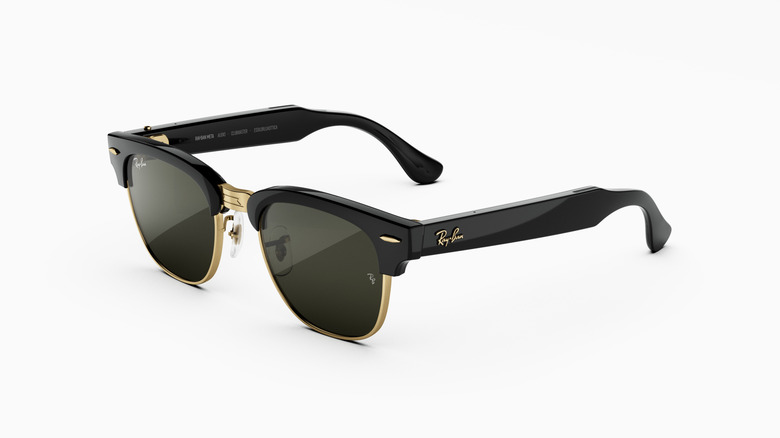
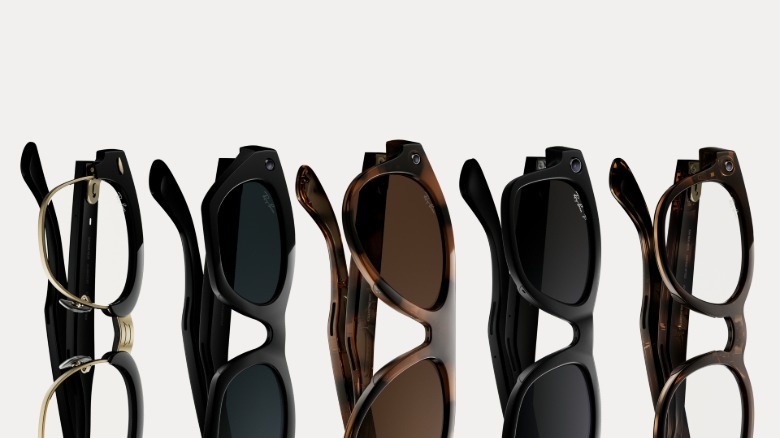
Beyond the flagship glasses, Meta expanded its footprint in the audio-wearable space with the Ray-Ban Meta Audio glasses ($349). By stripping away the camera, Meta is attempting to normalize AI-driven smart eyewear for users wary of privacy concerns, positioning these as an "all-day" audio companion. Furthermore, the Ray-Ban Meta Gen 3 has been introduced, bringing slimmer profiles, improved noise cancellation, and a new dedicated button for Meta AI integration.
Chronology of the Meta Connect Keynote
The event unfolded in a rapid-fire sequence of hardware drops and software ecosystem updates:
- Opening Act (The Vision): Mark Zuckerberg opened by emphasizing "presence" and the transition from screen-based computing to spatial computing.
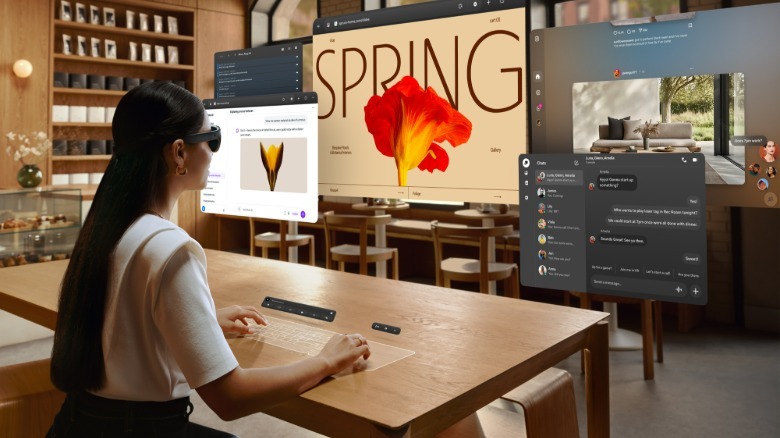
- The Hardware Reveal: The Meta VR Glasses took center stage, with a focus on their productivity capabilities—specifically the ability to tether to a Windows or Mac environment.
- The Privacy Pivot: The announcement of the camera-less Ray-Ban Meta Audio glasses directly addressed the public discourse regarding "creepy" wearables.
- The Gaming & Entertainment Surge: A massive overhaul of Beat Saber, the return of Supernatural as an independent entity, and the debut of Phoenix Wright: Ace Attorney in VR.
- The "One More Thing": The cryptic, Tamagotchi-inspired Muse Charm, a keychain-sized device intended to house one’s personal AI agent.
Supporting Data: Specifications and Capabilities
The performance metrics released by Meta suggest that the company is aiming for "cinema-grade" parity. The Meta VR Glasses are not just a display; they are a multi-modal powerhouse.
Technical Specifications
- Display: 5K resolution with IMAX Enhanced certification and support for Dolby Vision/Atmos.
- Endurance: The tethered puck supports 3 hours of high-resolution media playback, supplemented by 45W fast-charging.
- Input: Hand gestures are the primary interface, though the system retains compatibility with Touch Plus controllers and standard PC peripherals (mouse/keyboard).
- Connectivity: Wireless and USB-C connectivity for gaming and workstation integration.
The Hearing Enhancement Initiative
Perhaps the most altruistic addition is the new hearing assistance feature. By leveraging the same acoustic tuning logic seen in professional-grade hearing aids—where users calibrate the device to their specific environment via tone tests—Meta is moving its wearables into the health-tech sector. The feature will be accessible via a $149 one-off fee or included in the "Meta One" subscription, and importantly, it is eligible for HSA/FSA reimbursement, signaling a serious push toward medical-grade utility.
The Software Ecosystem: Gaming and Entertainment
Meta is not merely selling hardware; it is selling a library. The integration of Xbox Cloud Gaming ensures that the Meta VR Glasses are instantly viable as a high-end gaming device, despite Microsoft’s new time-limit policies.
The Beat Saber Evolution
The flagship VR title, Beat Saber, is receiving its most significant update to date. By introducing "Flux" mode, the developers are moving away from simple controller-based input to a gesture-based system that allows users to channel power through their palms. This, combined with a revamped narrative campaign and a deeper progression system, aims to keep the title relevant in a post-Quest 3 market.
Immersive Cinema and Sports
The partnership with Disney+ to bring 3D experiences like The Avengers and Star Wars to the VR ecosystem, combined with the "Meta Presents" original content (starting with the Open Season docuseries), suggests that Meta wants to replace the living room television. Furthermore, the commitment to 8K, 180-degree sports streaming via ESPN and other partners highlights a clear path toward the future of remote live event attendance.
Official Responses and Strategic Implications
The industry response has been one of cautious optimism. Analysts note that while the $1,300 price point for the VR Glasses places them in a premium bracket—significantly higher than a standard console—the focus on productivity and holographic communication (via WhatsApp and Zoom integration) suggests Meta is targeting the professional market as much as the enthusiast gamer.
Privacy and The "Pervert Glasses" Stigma
Meta’s move to release a camera-less version of its Ray-Ban smart glasses is a masterclass in PR damage control. By offering a version that provides all the utility of AI voice assistance and music playback without the risk of unauthorized filming, Meta is attempting to remove the social friction that has historically prevented smart glasses from achieving mass-market adoption.
The Muse Charm: An AI Agent in Your Pocket
The "Muse Charm" is perhaps the most intriguing development. By housing an AI agent—capable of voice interaction and avatar management—in a device that sits on a keychain, Meta is essentially decentralizing its AI infrastructure. Instead of requiring a screen-heavy phone, users can interact with their "Muse" in a tactile, dedicated way. It is a bold, experimental bet on the future of AI companionship.
Implications: The Future of Computing
The overarching theme of Meta Connect 2026 is the dematerialization of the screen. Whether through the lightweight VR glasses that replace a monitor, or the Muse Charm that replaces the need to check a phone, Meta is betting that the future of technology is invisible, ambient, and spatial.

Productivity in a Virtual Workspace
By supporting Windows and Mac integration, Meta is challenging the necessity of the physical office. The ability to manifest a virtual keyboard and multi-monitor setup on a desk, regardless of where that desk is located, could fundamentally shift the paradigm for remote workers.
The Challenges Ahead
Despite the impressive tech, Meta faces significant hurdles. The "puck" tethering system, while necessary for weight reduction, may be seen as a clunky compromise by consumers used to the seamless integration of smartphones. Furthermore, as competitors like Apple continue to refine their own spatial computing platforms, the success of Meta’s 2026 lineup will depend entirely on the strength of its developer ecosystem. Can they convince developers to optimize for these new form factors? Will the "holographic avatar" feature in video calls feel natural, or will it fall into the "uncanny valley" that plagued early metaverse efforts?
Ultimately, Meta Connect 2026 confirms that Mark Zuckerberg’s vision has matured. The focus has shifted from the abstract concept of a "Metaverse" to the concrete reality of "Spatial Wearables." The hardware is lighter, the AI is more integrated, and the entertainment offerings are more robust. As the company moves toward the spring 2027 release of its flagship glasses, it is clear that Meta is no longer just a social media company—it is a hardware titan, and it is ready to fight for the future of how we see, hear, and interact with the world around us.
