
Nikon Shakes Up the Entry-Level Full-Frame Market with the Viewfinder-Free Z5IIC
By Tech & Photography Desk
Published: September 2023
Main Facts
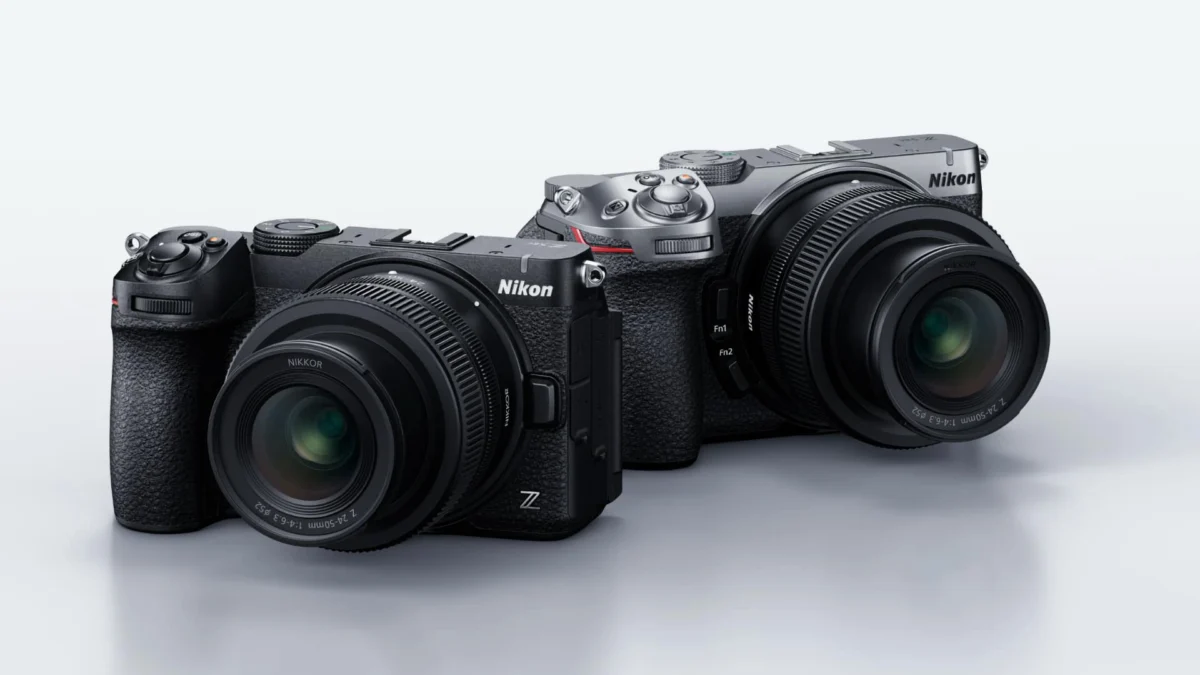
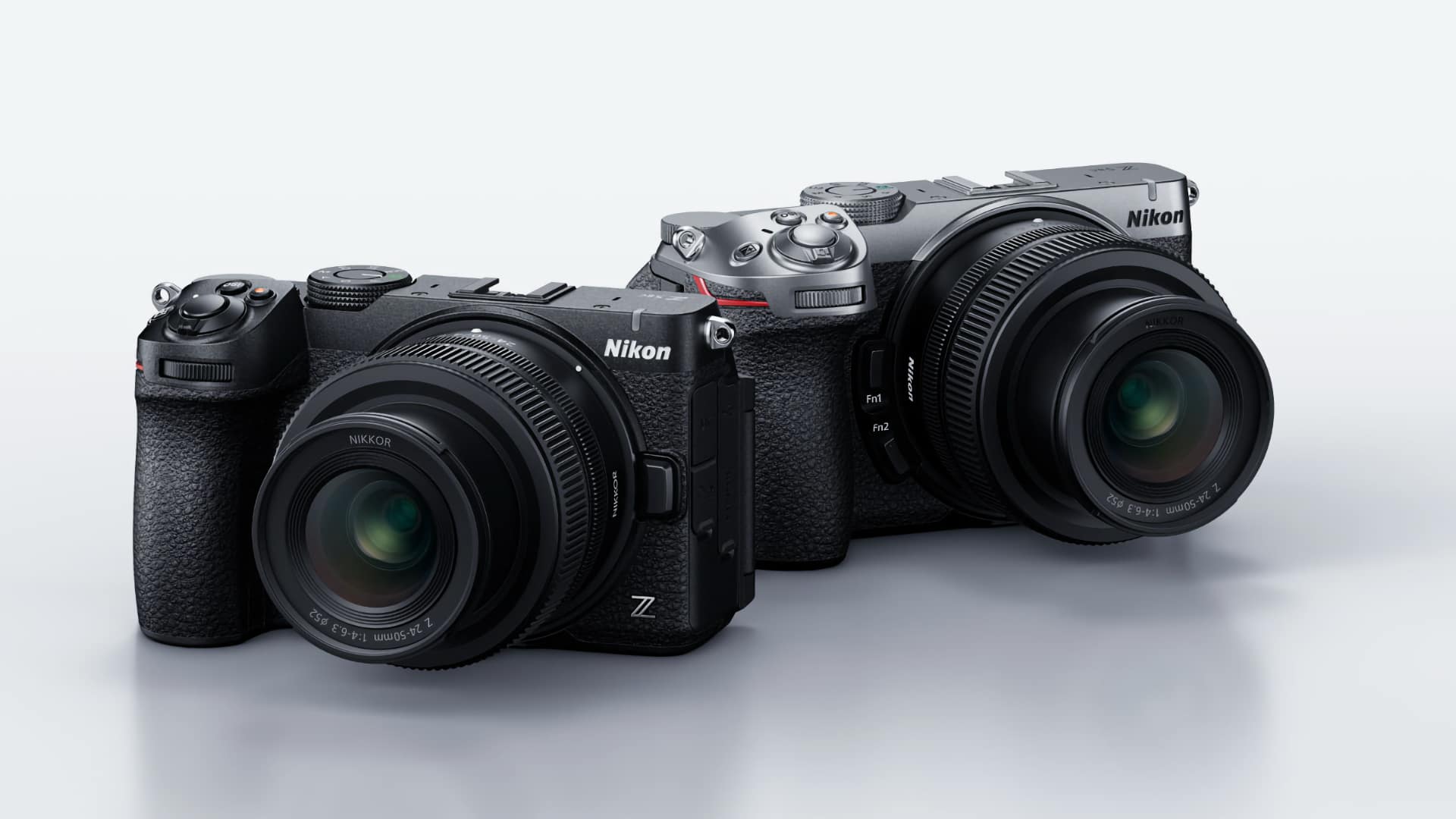
Nikon has officially pulled back the curtain on its latest full-frame mirrorless camera, the Nikon Z5IIC. Positioned squarely as an accessible, beginner-friendly entry point into the world of full-frame sensor photography, the Z5IIC shares much of its high-end DNA with its sibling, the recently announced Z5II. However, Nikon has engineered a distinct silhouette and price point by stripping away several legacy features—most notably the electronic viewfinder (EVF)—to achieve a body-only list price of $1399.
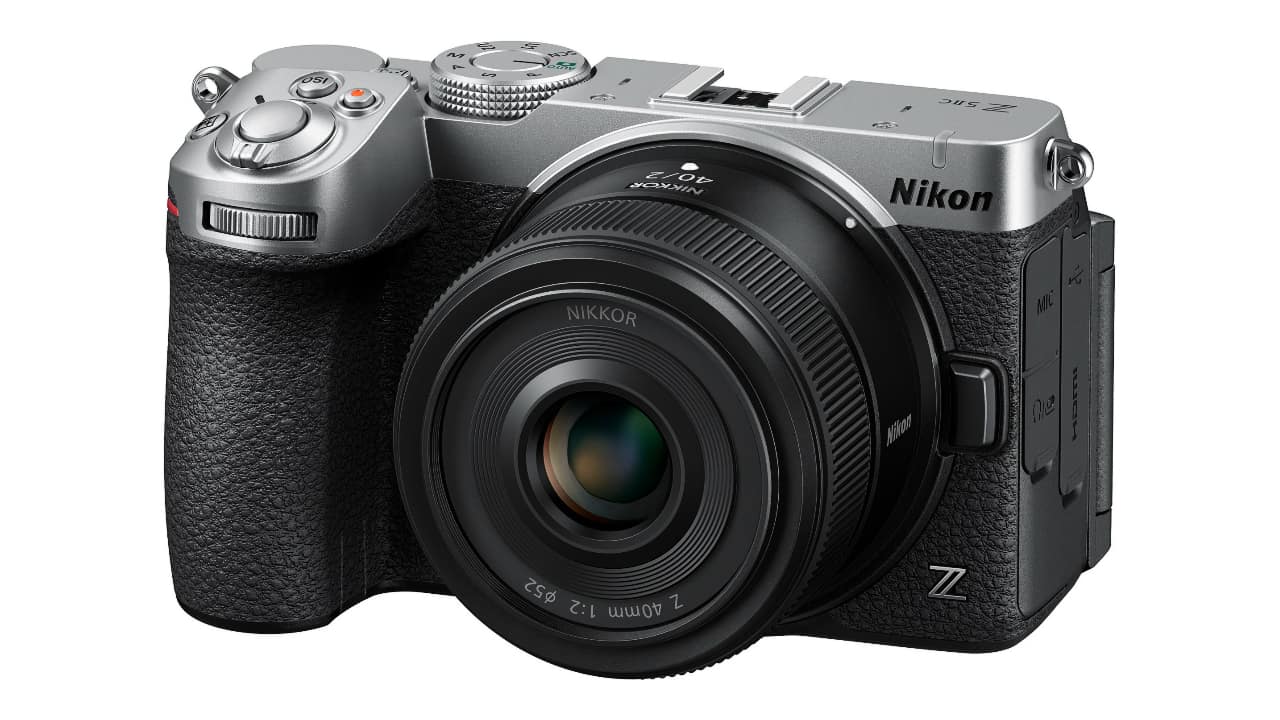
Scheduled to hit retail shelves in October, the Z5IIC will be available in classic black and a stylish silver finish. For newcomers looking for a complete kit right out of the box, Nikon is offering a bundle featuring the compact NIKKOR Z 24-50mm f/4-6.3 lens for $1699.
Despite its lower price tag and streamlined exterior—featuring a flat-top plate reminiscent of rangefinder-style bodies—the Z5IIC refuses to compromise on core imaging performance. It packs the exact same 24.5-megapixel FX-format sensor and powerful EXPEED 7 processor found in the standard Z5II. This ensures that budget-conscious creators, casual shooters, and transitioning smartphone photographers do not have to sacrifice image fidelity, autofocus intelligence, or advanced video specifications.
Key technical highlights include:
- In-Body Image Stabilization (IBIS): Rated up to an impressive 7.5 stops.
- Burst Shooting: Up to 14 frames per second (fps).
- Video Capabilities: 4K at 60p in N-RAW (a feature pioneered on the Z5II) and Full HD at 120 fps.
- Professional Color & Log: 10-bit H.265 recording, 10-bit H.265 video in N-Log, paired with multiple free RED LUTs.
- ISO Range: Up to 64,000 for stills and 51,200 for video, bolstered by advanced high-ISO noise reduction algorithms.
Chronology
The journey toward the release of the Z5IIC reflects a calculated strategy by Nikon to capture the rapidly growing demographic of content creators and entry-level enthusiasts who demand full-frame sensor performance without the bulk, complexity, or financial barrier of traditional pro-sumer bodies.
- Early 2023 (Market Speculation): Industry analysts and rumor sites began predicting that Nikon would expand its Z-mount ecosystem downward, creating a more aggressively priced full-frame alternative to compete with entry-level offerings from rival brands.
- Mid-2023 (The Z5II Launch): Nikon introduced the Nikon Z5II to critical acclaim, particularly praising its inclusion of advanced video tools like 4K60 N-RAW and the robust EXPEED 7 processor at an $1849 price point.
- Late Summer 2023 (Leaks and Predictions): Leaks emerged regarding a "cut-down" variant. Industry insiders correctly predicted the removal of the electronic viewfinder to achieve a flatter, more streamlined profile, setting off intense debate within photography forums.
- Official Announcement: Nikon formally unveiled the Z5IIC, confirming the technical specifications, the $1399 body-only pricing, and the October release window.
Supporting Data & Comparative Specifications
To better understand where the Z5IIC fits into the current marketplace, it is essential to examine what users retain, what has been omitted, and how the economics break down against its parent model, the Z5II.
The Trade-Offs: What You Lose to Save $450
Dropping the price by roughly 24% ($1399 compared to the Z5II’s $1849) requires deliberate hardware concessions. Users evaluating the Z5IIC must weigh the financial savings against the following omissions:
- No Electronic Viewfinder (EVF): The most striking visual departure. The Z5IIC relies entirely on its rear LCD screen for framing and composition, creating a sleek, rangefinder-like profile.
- Simplified Display: The vari-angle touchscreen has been reduced in resolution to 1.04 million dots.
- Ergonomic Adjustments: Nikon has eliminated the dedicated AF joystick, requiring users to rely on touch-to-focus or button-based navigation for focus point selection.
- Card Slots: Dual card slots have been scaled back to a single UHS-II SD card slot, which may deter professional event shooters requiring instant backup redundancy, though it remains entirely adequate for casual and enthusiast workflows.
Physical Dimensions and Build Quality
- Dimensions: 134 x 80.5 x 72 mm (5.3 x 3.2 x 2.8 inches)
- Weight: 620 g (1.37 lbs)
- Chassis: Built around a robust magnesium alloy frame, complete with comprehensive weather sealing against dust and moisture. It retains Nikon’s trademark deep, secure handgrip.
New Features and Software Enhancements
Despite the hardware cuts, Nikon has integrated several fresh software tools designed specifically for the target demographic:
- Scene Modes: A comprehensive suite of 15 automated scene modes (spanning everything from sunsets and nightscapes to dedicated pet-tracking modes), automatically optimizing camera parameters on the fly.
- Imaging Recipes: A dedicated physical button gives quick access to custom looks, with additional recipes downloadable directly via the Nikon Imaging Cloud.
- Creative Filters & Vlog Tools: Includes Nikon’s popular Film Grain function and an intuitive Product Review Mode, which automatically shifts autofocus priority when an object is held up close to the lens.
- Advanced Autofocus: The subject-recognition autofocus engine now includes fish detection for the first time in a Nikon mirrorless body.
Official Responses and Corporate Philosophy
Nikon’s design and marketing teams have been proactive in explaining the philosophy behind the Z5IIC’s nomenclature and target audience.
When industry observers noted that the "C" in Z5IIC naturally evoked the word "Compact"—especially given its trim dimensions and lack of a protruding viewfinder housing—Nikon issued a clarifying statement. Company representatives emphasized that the "C" officially stands for "Casual."
This distinction is crucial to understanding Nikon’s strategic positioning. By framing the camera as "casual" rather than simply "cheap," Nikon is attempting to distance the Z5IIC from the stigmatized label of a "budget tier" product. Instead, the company is marketing the camera as a liberating tool for everyday storytelling, street photography, and casual content creation. It is designed for users who find traditional DSLRs or viewfinder-equipped mirrorless cameras intimidating, bulky, or overly formal, yet who refuse to compromise on the shallow depth of field and low-light performance inherent to a full-frame sensor.
Implications for the Photography Market
The release of the Nikon Z5IIC sends a powerful ripple effect across the entry-level mirrorless landscape. For years, full-frame photography carried an unavoidable financial penalty, forcing beginners to start on crop-sensor (APS-C or Micro Four Thirds) systems before making a costly leap upward.
By pushing the entry barrier for a modern full-frame sensor down to $1399, Nikon is aggressively courting content creators who might otherwise have settled for high-end smartphones or cropped-sensor hybrid cameras. The inclusion of professional video tools—such as 10-bit N-Log, RED LUT compatibility, and 4K60 N-RAW—signals that Nikon recognizes modern beginners are often hybrid shooters who demand high-tier video credentials alongside stills capability.
However, the viewfinder-free design will undoubtedly provoke debate. Traditionalists who rely on an EVF for stabilization and shooting under harsh, glaring sunlight may find the Z5IIC’s screen-only operation a dealbreaker. Yet, for an entire generation of photographers raised on smartphones and LCD-driven compact cameras, the absence of an EVF is not a loss at all—it is a welcome reduction in bulk that translates into a more approachable, pocketable, and unintimidating shooting experience.
As the Nikon Z5IIC lands in stores this October, its commercial reception will likely serve as a litmus test for whether other legacy camera manufacturers should strip down their hardware to capture the lucrative, smartphone-fatigued casual creator market.
