
The Convergence Frontier: Huawei’s XMAGE Z10 and the Quest for the Ultimate Mobile Camera
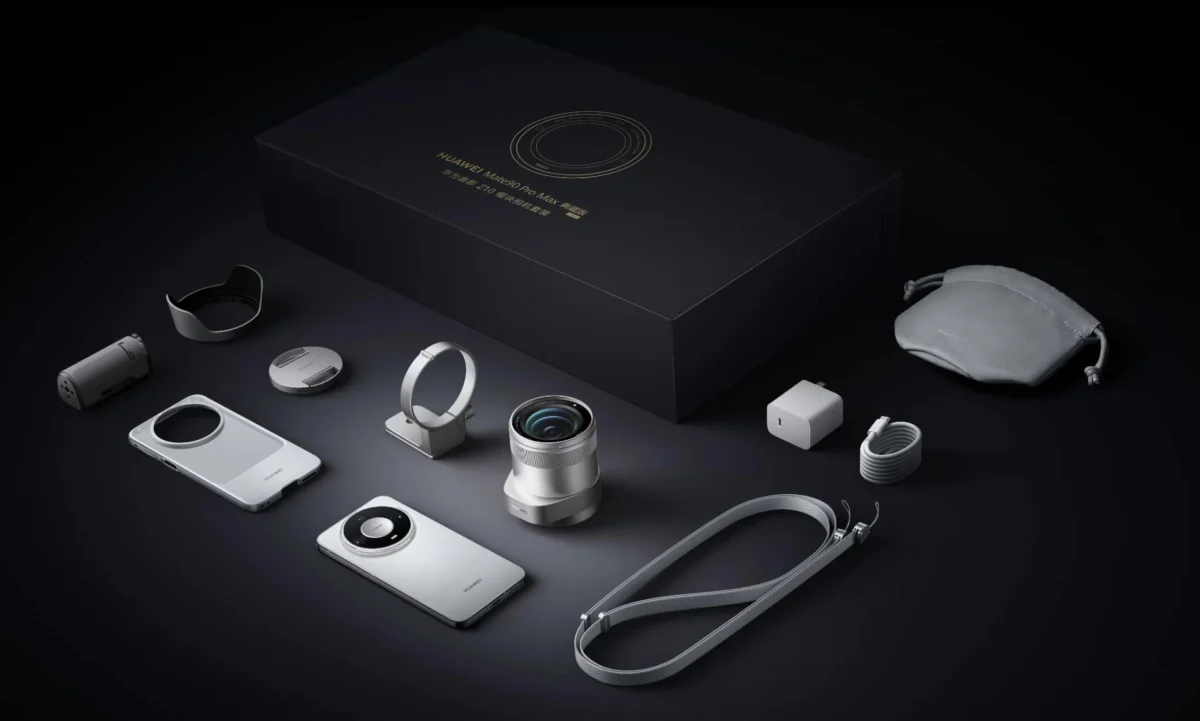
In a bold move that seeks to bridge the widening gap between compact, high-end dedicated cameras and the ubiquitous smartphone, Huawei has unveiled the XMAGE Z10. Launched alongside the flagship Mate 90 series in China, the Z10 is a modular, clip-on camera unit designed to transform a premium handset into a serious imaging powerhouse. With a price point of approximately $900 USD, the device represents a significant financial and technical commitment to the concept of "modular photography"—a category that has seen more failures than successes over the last decade.
Main Facts: The Hardware at a Glance
The XMAGE Z10 (known in local Chinese markets as the Ruiying Z10) is a sophisticated peripheral that eschews the typical "all-in-one" approach of modern smartphones. It is, in essence, a specialized lens and sensor assembly that relies entirely on the host phone for its "brain," power, and storage.
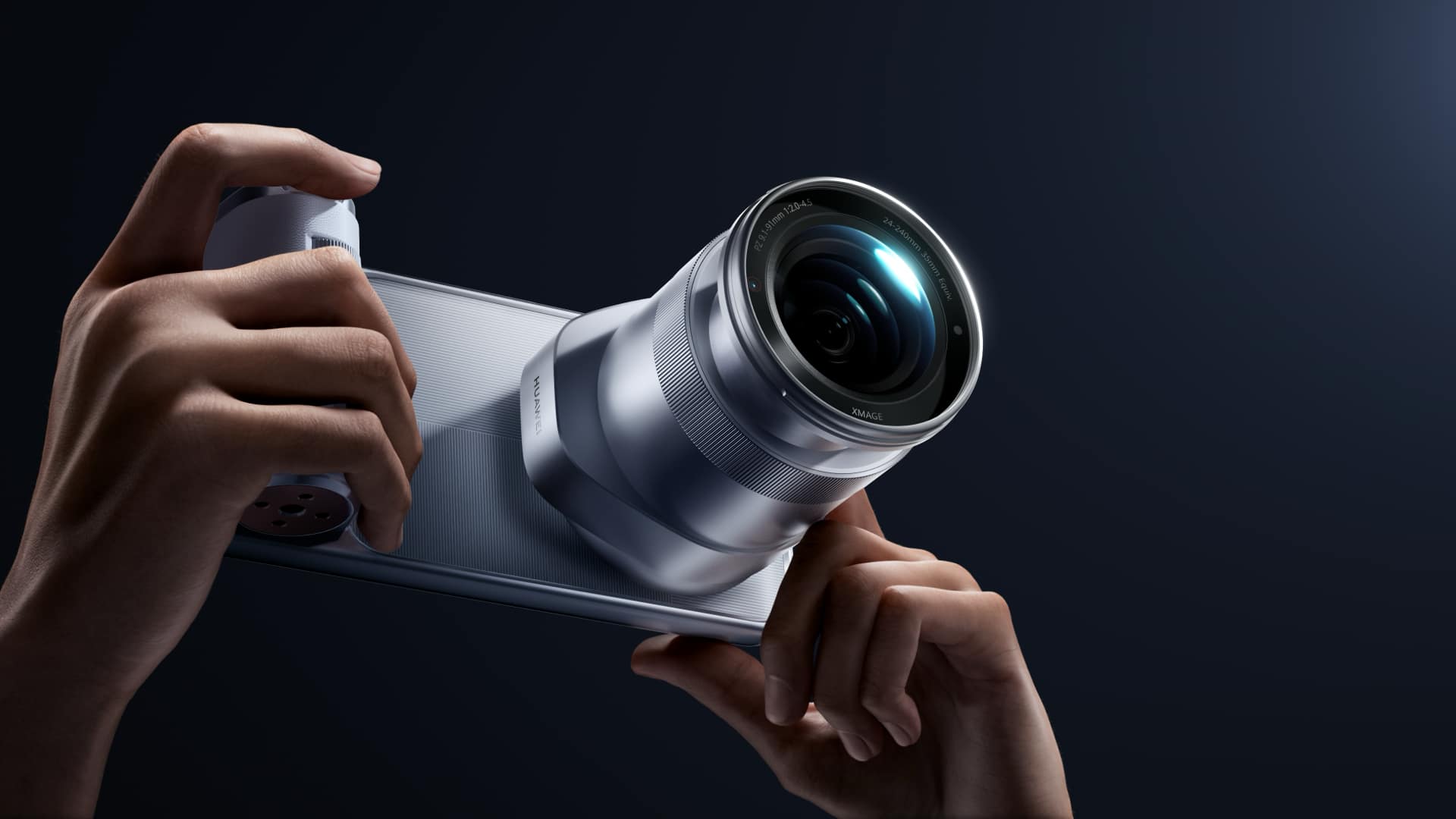
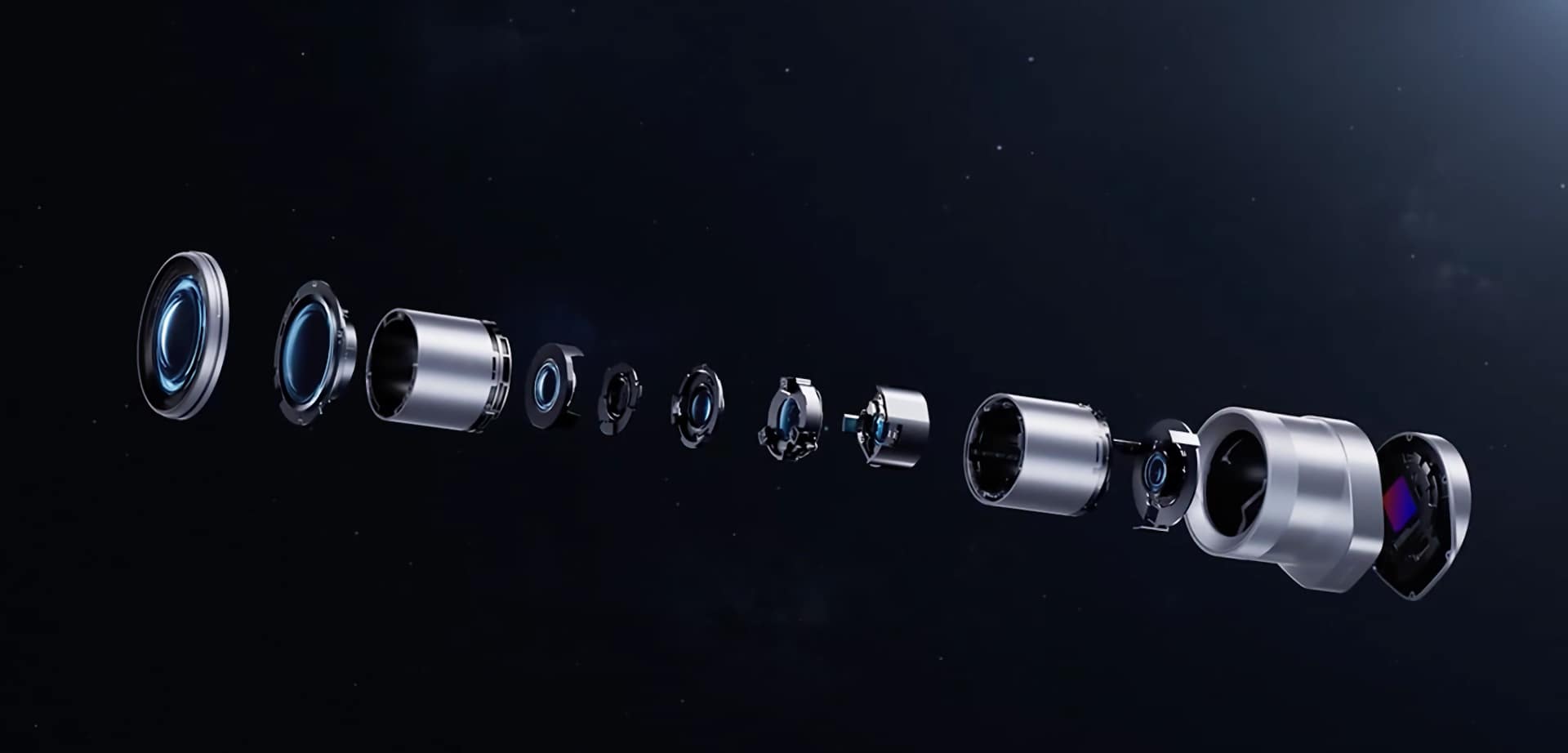
At its core, the Z10 houses a 1-inch, 50-megapixel sensor. This is the "holy grail" of mobile imaging, providing a sensor size typically reserved for high-end compact cameras like the Sony RX100 series or the Leica D-Lux. Paired with this sensor is a powerful 24-240mm equivalent zoom lens, featuring an aperture range of f/2.0-4.5. The optical construction is equally impressive, utilizing 19 elements in 6 groups to achieve a 10x continuous optical zoom.
The module incorporates several advanced imaging technologies, including:
- RYYB Color Filter Array: A signature Huawei innovation designed to improve low-light sensitivity by replacing green pixels with yellow ones.
- Laser Autofocus and Anti-Flicker Sensors: Ensuring rapid acquisition of focus and mitigating banding issues under artificial lighting.
- Red Maple Color Sensor (3rd Gen): Huawei’s proprietary technology for improved color science and accuracy.
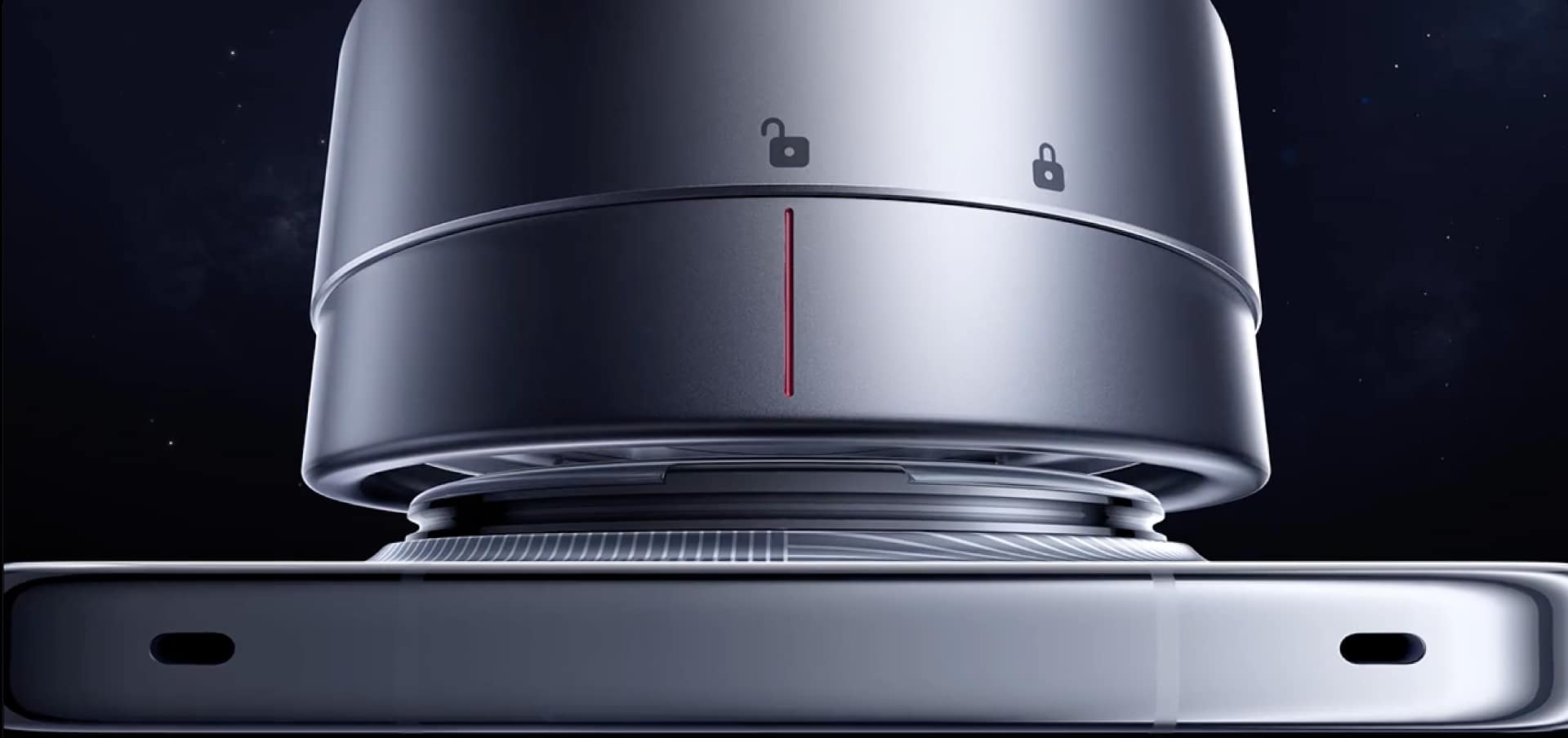
- HyperClick Mount: A physical, high-speed connection interface that locks the module to the phone, bypassing the latency issues that plagued wireless solutions of the past.
- 77mm Filter Thread: A nod to professional photographers, allowing for the attachment of circular polarizers, ND filters, and other optical accessories.
Weighing in at 346g and measuring roughly 80 x 70 x 80mm, the Z10 is not a subtle addition. When attached to the Mate 90 Pro Max, the result is a substantial piece of hardware that effectively turns a sleek smartphone into a hybrid device with significant "heft."
Chronology: From Sony’s QX Experiment to Modern Maturity
To understand the ambition behind the XMAGE Z10, one must look back at the historical landscape of mobile photography accessories. The concept of a "lens-style camera" is not entirely new; it is a ghost of a trend that emerged around 2013-2014.
The Sony QX Legacy
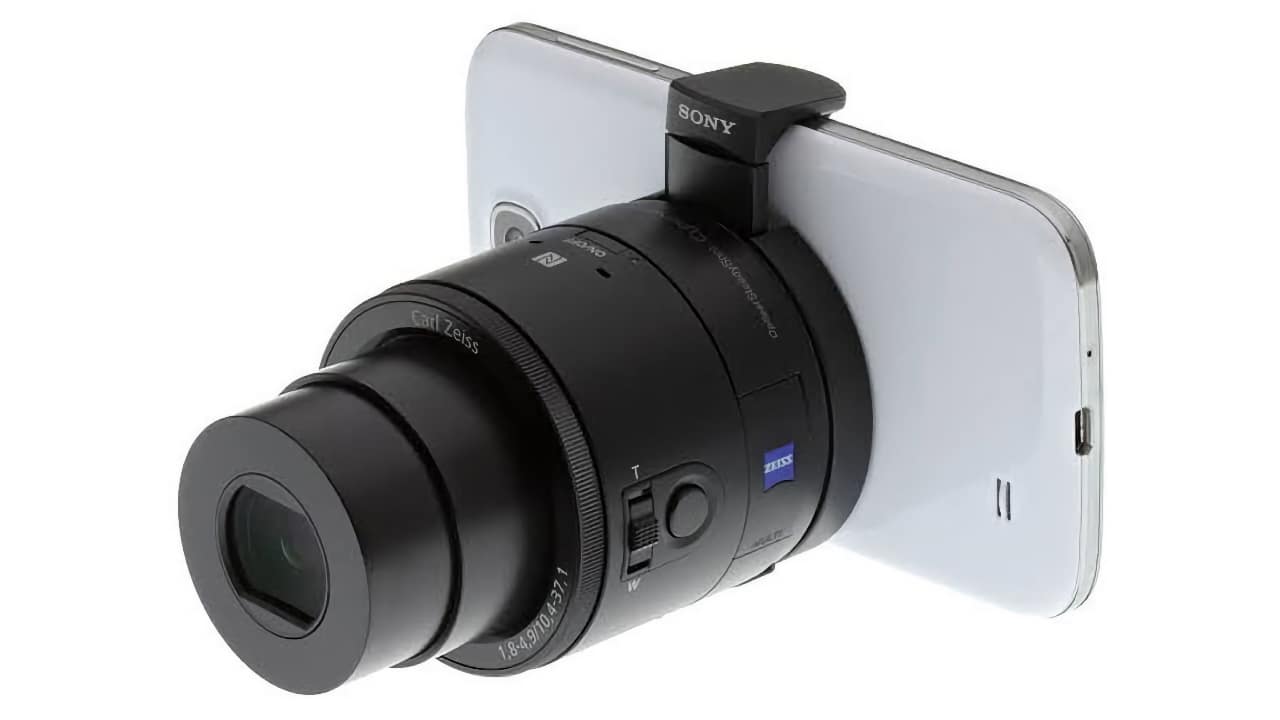
In the early 2010s, Sony attempted to disrupt the industry with the QX100, a lens-camera module that featured a 1-inch 20MP sensor and a Zeiss 28-100mm lens. While conceptually brilliant, the QX series was hampered by the technological limitations of the era. Pairing via NFC and Wi-Fi was notoriously finicky, connection drops were frequent, and the live-view latency made it nearly impossible to capture spontaneous moments. The user experience felt more like a tech demo than a finished product.
The Evolution of the Connection
Huawei has clearly learned from these historical pitfalls. The fundamental difference between the failed experiments of 2013 and the XMAGE Z10 of 2024 is the shift from wireless to a hard-contact interface. The "HyperClick" mount serves as the bridge, providing the bandwidth and stability required for real-time, zero-lag monitoring. By offloading the processing to the powerful Kirin-series chips within the Mate 90 series, Huawei has effectively solved the "lag" problem that killed the Sony QX.
The Launch
The Z10 was announced in October 2024, alongside the Mate 90 series. This rollout signals a long-term strategy by Huawei to integrate its imaging ecosystem (XMAGE) across both internal and external hardware, effectively creating a "Pro-sumer" tier for mobile creators.
Supporting Data: Technical Capabilities and Limitations
Despite its impressive sensor and lens, the Z10’s performance in the field will be defined by its integration with the host phone. The Z10 is not a standalone device; it has no internal battery or SD card slot.
Video Performance
The module supports 4K, 1080p, and 720p recording at both 30 and 60 frames per second. For high-speed work, it offers 1080p slow motion at 120, 240, and 960 fps. However, Huawei remains notably tight-lipped regarding specific technical metrics:
- Codecs and Bitrate: The company has not yet disclosed the specific bit depth or bitrate of the video files.
- Log Workflow: It remains unclear whether the Z10 supports the same "Log" video profiles available on the native Mate 90 Pro Max, which would be essential for color grading in professional post-production workflows.
- Shutter: The system relies on an electronic shutter, operating from 30 seconds down to 1/4000th of a second.
Compatibility
Currently, the Z10 is restricted to a very small list of devices: the Mate 90 Pro Max Collector’s Edition and the Mate 90 RS. This exclusivity highlights the "boutique" nature of the product. The hardware is physically calibrated for the specific dimensions of these two devices, meaning it is not a "universal" accessory, but rather a bespoke extension of the phone’s chassis.
Official Responses and Market Positioning
Huawei’s messaging around the Z10 is centered on the concept of "broadcast-grade" mobile production. The company is positioning this module not just for hobbyists, but for content creators who need to move between handheld social media clips and high-quality, long-form content on the fly.
"The Z10 is the bridge between the convenience of a smartphone and the optical integrity of a dedicated camera," a spokesperson noted during the launch. By introducing a "broadcast-grade" live streaming mode—supported by firmware updates arriving in late 2024—Huawei is aiming to capture the market currently dominated by dedicated vlogging cameras.
However, the price is a significant barrier to entry. At 5,999 CNY (approx. $900), the Z10 costs as much as a high-end standalone camera or a flagship mid-range smartphone. When combined with the $1,420 starting price of the Mate 90 Pro Max, the total "kit" price exceeds $2,300—a sum that places the device in direct competition with professional mirrorless systems like the Fujifilm X-T5 or the Sony Alpha a6700.
Implications: A New Path for Mobile Imaging?
The release of the XMAGE Z10 poses a fundamental question: Is the market ready to return to modular hardware?
The Death of the "All-in-One" Myth
For years, the industry mantra has been that the "best camera is the one you have with you," implying that a smartphone should be an all-in-one solution. Huawei is challenging this by suggesting that, for true pros, the smartphone is a base that requires modular expansion. This is a bold gamble. It assumes that users are willing to carry an extra 346g of weight in their bag.
The Competition: DJI and the Osmo Pocket 4
Huawei’s decision to co-brand the DJI Osmo Pocket 4 alongside the Z10 launch is a masterstroke in ecosystem management. By allowing the Osmo Pocket 4 to interface seamlessly with the Mate 90 for low-latency live streaming, Huawei is offering users two distinct paths:
- The Z10 Path: For those who want the best possible optics and a "traditional" camera feel.
- The Osmo Path: For those who want stabilization and portability.
The Geopolitical and Regional Barrier
The most significant implication for global tech observers is the lack of international availability. Due to ongoing trade restrictions and the nature of the Mate 90 series’ supply chain, the Z10 remains a China-exclusive phenomenon. For the rest of the world, it serves as a glimpse into what is technically possible, even if it remains a "forbidden fruit" for Western consumers.
Conclusion: A Niche Future
The XMAGE Z10 is unlikely to become a mass-market success. It is, by its very nature, a niche product for a niche audience. However, it succeeds where the Sony QX failed by providing a robust, physical, and reliable connection. If Huawei can refine the software—specifically providing more granular control over bitrates and professional color profiles—it may well define the next frontier of mobile videography. For now, it stands as a testament to the fact that while smartphones have dominated photography, there is still an undeniable, persistent hunger for "real" glass and "real" sensors.
