
Beyond Westeros: Why Olivia Cooke’s ‘Little Fish’ Is the Sci-Fi Masterpiece You Haven’t Seen
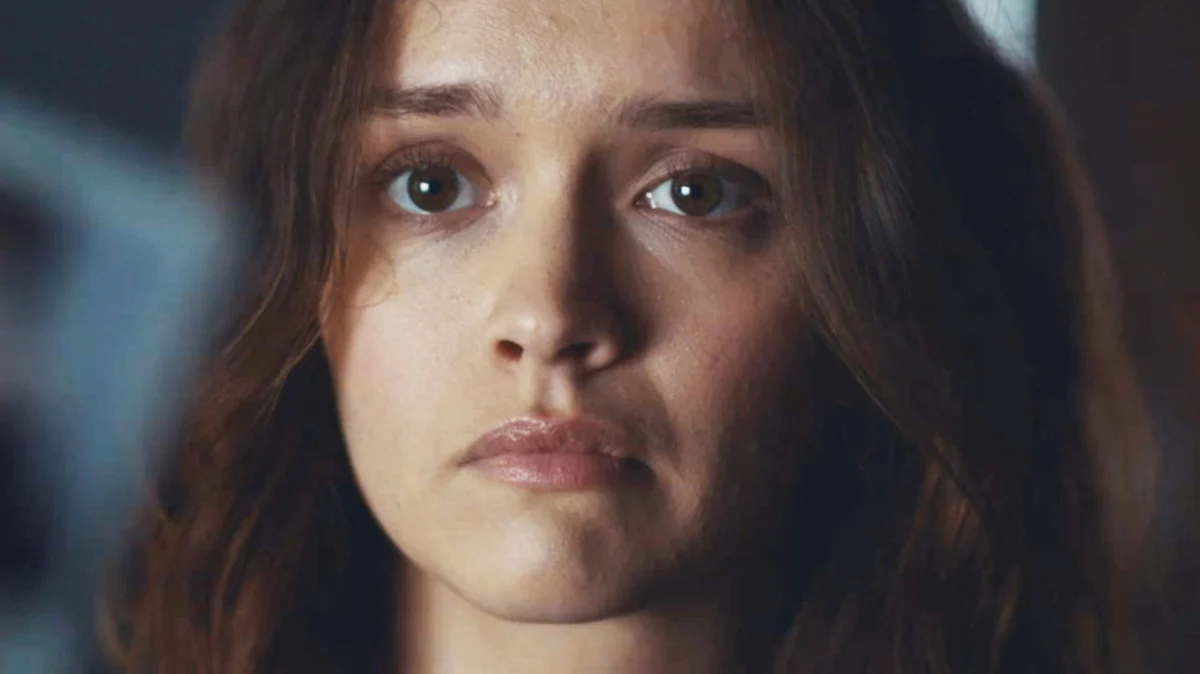
To global audiences, Olivia Cooke is currently defined by the cold, calculating ambition of Alicent Hightower in HBO’s House of the Dragon. To others, she is the enigmatic Sid Baker, the MI5 agent who returned from the grave in the acclaimed espionage series Slow Horses. Yet, long before she was maneuvering through the treacherous politics of King’s Landing or navigating the grey morality of British intelligence, Cooke anchored a project that remains perhaps the most emotionally devastating performance of her career.
The film is Little Fish, a 2021 science fiction drama that arrived with little fanfare during the height of the global pandemic. While it was overshadowed by the chaotic release windows of that era, time has been kind to the film. It has since emerged as a cult classic, celebrated by critics and cinephiles alike for its haunting, intimate, and profoundly human exploration of love in the face of inevitable loss.
The Genesis of a Heartbreak: From Short Story to Screen
Little Fish is not a sprawling epic of interstellar travel or dystopian warfare. Instead, it is a focused, claustrophobic, and deeply personal narrative based on the 2011 short story by Aja Gabel. The premise is deceptively simple: in a near-future Seattle, a mysterious, irreversible virus—known as NIA (Neuro-Inflammatory Affliction)—is sweeping the globe. The virus does not kill the body; it erases the mind. It systematically strips away a person’s memories, leaving them as hollow shells of their former selves.
The film follows the journey of a young couple, Emma (Cooke) and Jude (Jack O’Connell), as they fight to preserve their relationship while the disease slowly claims Jude’s consciousness. Directed by Chad Hartigan, whose previous work—including Morris From America and This is Martin Bonner—demonstrated an uncanny ability to capture the nuance of human connection, the film was a labor of love for everyone involved.
The project was a long-gestating passion for Cooke. In a candid conversation with Naomi Scott for Interview Magazine, Cooke revealed her deep personal investment in the material. "I’d read the short story by Aja Gabel, we optioned the rights to it, and me and the writer, Mattson Tomlin, had been workshopping it for two years before we filmed it," she explained.
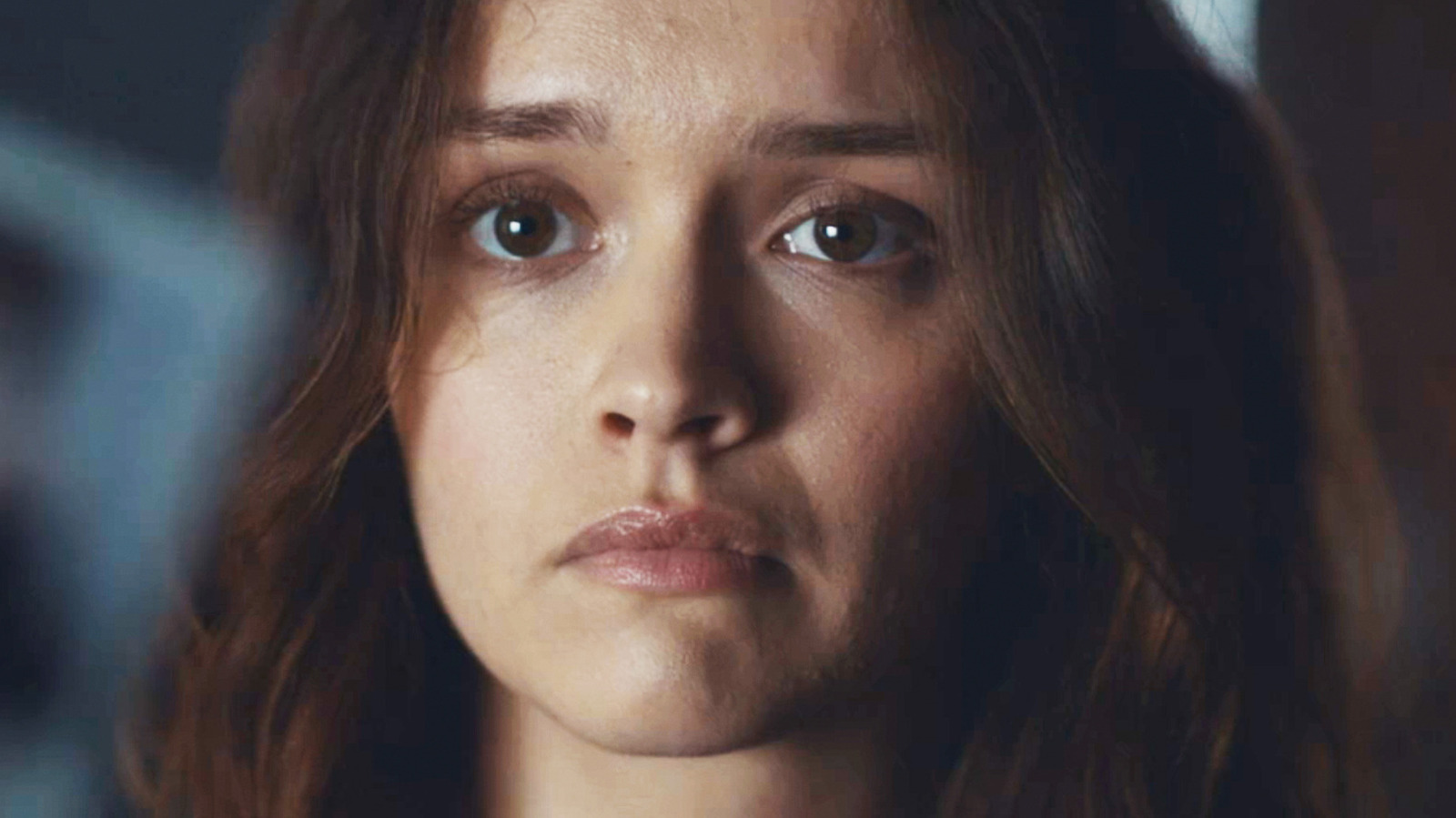
This deep collaboration between actor and screenwriter provided a foundation of trust that is palpable on screen. Mattson Tomlin, who has since become a heavyweight in the industry—writing the screenplay for the upcoming The Batman: Part II and creating the visceral Netflix anime Terminator Zero—has frequently cited the experience of making Little Fish as his "favorite professional experience."
A Chronology of Release: The Pandemic Parallel
The history of Little Fish is inextricably linked to the real-world events that defined the early 2020s. Filmed in 2019, the production team could not have known how prophetic their story would become. The film was slated for a major debut at the 2020 Tribeca Film Festival, an event that would likely have served as a springboard for a wider theatrical release and significant critical buzz.
However, as the COVID-19 pandemic swept the world in early 2020, the festival was postponed, and the industry entered a state of flux. Little Fish sat in limbo, its themes of a societal-collapsing virus suddenly transformed from high-concept fiction into a mirror of the audience’s reality. When IFC Films finally released the movie in February 2021, the context had shifted. Critics noted that the film felt less like a speculative sci-fi piece and more like a visceral, immediate reflection on the fragility of memory and the way trauma bonds us together.
"It was a weird thing," Hartigan later reflected on the film’s release. "For a while, we weren’t sure if we could release the movie at all. I just wanted to say that it warms my little heart to know that [the film has] proved a cathartic and rewarding watch for so many of you."
The Anatomy of an Emotional Performance
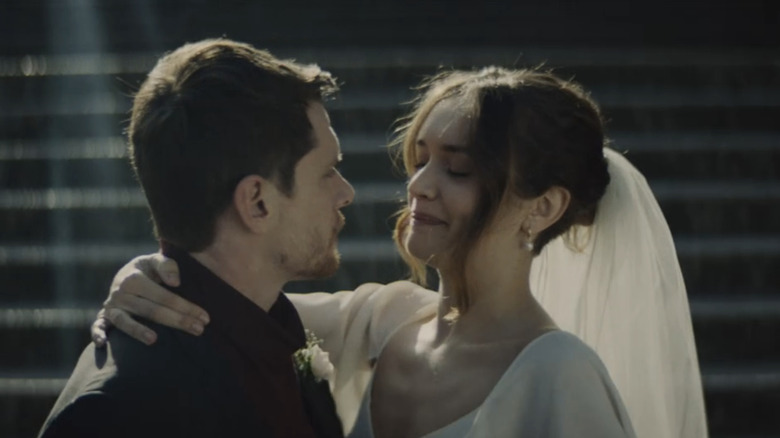
At the core of the film’s success is the chemistry between Cooke and Jack O’Connell. O’Connell, known for his intense, brooding work in projects like Unbroken and more recently as the antagonist in Sinners, brings a raw vulnerability to the role of Jude. As Jude begins to lose the moments that define his marriage—the first meeting, the wedding, the quiet mornings—Cooke’s performance as Emma serves as the audience’s emotional anchor.
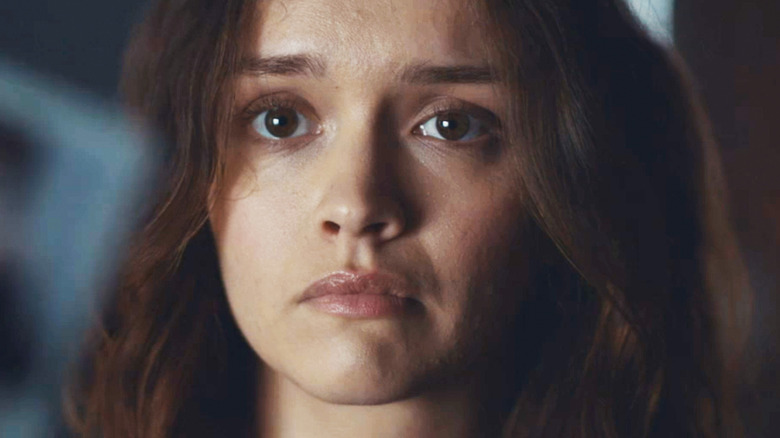
The film utilizes a non-linear structure, weaving through the couple’s past and present. This choice serves as a visual metaphor for the disease itself: memories are fragmented, flickering, and eventually lost. Cooke portrays Emma with a quiet, persistent desperation. She is not a victim, but a witness, fighting to keep the flame of their shared history alive even as the person she loves begins to forget it.
The cinematography by Sean McElwee complements this internal struggle. The visual language of the film—muted tones, soft focus, and the rainy, ethereal atmosphere of Seattle—creates a sense of fading reality. As the virus progresses, the world seems to blur, leaving only the immediate, desperate connection between the two leads.
Critical Reception and Industry Impact
Upon its eventual release, Little Fish received widespread critical acclaim, currently holding a 91% approval rating on Rotten Tomatoes. Critics praised the film for its refusal to lean into typical sci-fi tropes. Rather than focusing on the mechanics of the virus or the collapse of the government, Hartigan keeps the lens trained firmly on the living room, the bedroom, and the faces of the protagonists.
Joe Morgenstern, writing for the Wall Street Journal, lauded the film as "stirring," specifically highlighting its ability to tackle the "fragility, its wondrousness, its centrality to our existence as sentient beings." Similarly, Christy Lemire of RogerEbert.com awarded the film three out of four stars, noting that the timing of its release—amidst a real-world pandemic—added a layer of "poignancy" that made the viewing experience feel "unshakable."
Perhaps the most significant metric of the film’s legacy is its placement on the prestigious "Top 500 Films" list on Letterboxd. In an era where streaming content is often treated as disposable, Little Fish has managed to cultivate a dedicated, recurring audience who return to it specifically for its emotional weight. It is widely considered one of the saddest films of its decade, a badge of honor for a production that prioritized character over spectacle.
The Implications: Why It Matters Now
Why does a film about a memory-erasing virus resonate so deeply today? The answer lies in the universality of its subject matter. Little Fish is ultimately not about a pandemic; it is about the fear of losing the people who make us who we are. It is a meditation on the fact that we are, in many ways, the sum of our shared experiences.
For Olivia Cooke, the project represented a pivotal moment in her career. It allowed her to shed the "rising star" label and prove her capacity to anchor an intimate, character-driven drama with immense grace. While she may be currently occupied with the fire and blood of Westeros, Little Fish remains a testament to her range.
For those who have yet to experience it, the film serves as a poignant reminder of the power of independent cinema. It is a film that asks the viewer to consider what they would hold onto if their world were to suddenly disappear. As of 2026, the film remains accessible on platforms like Sundance Now and various video-on-demand services, waiting for those who are prepared to be "distraught" in the best possible way.
In a landscape dominated by franchises and intellectual property, Little Fish stands as a quiet, powerful anomaly—a piece of science fiction that is, at its heart, a love story that refuses to be forgotten.
