
Pouring a New Vintage of Cinema: How Wine Cellar Cinemas is Redefining the Los Angeles Micro-Theater Scene
Introduction: The Evolution of Film Exhibition in the City of Angels
In an era dominated by corporate streaming algorithms, algorithmic recommendations, and monolithic multiplex chains, a vibrant counter-culture is quietly taking root across the sprawling landscape of Los Angeles. Welcome to Micro-Cinema City, an ongoing investigative series exploring the DIY spaces, storefront screening rooms, and sub-50-seat underground theaters that are revolutionizing how audiences experience motion pictures. These spaces are not merely alternative venues; they are active laboratories for community building, curatorial risk-taking, and intimate audience engagement.
Among the most inventive entries into this movement is Wine Cellar Cinemas, a pop-up and micro-theater concept operating out of a charming, unassuming storefront on bustling La Brea Avenue. Co-founded by industry veterans David Baxter and Dallas Miller, this unique enterprise marries the tactile, communal pleasures of artisanal winemaking with the under-celebrated art of independent short filmmaking. With no marquee to signal its presence and no traditional ticket booth out front, Wine Cellar Cinemas proves that the future of theatrical exhibition might just be found by stepping away from the megaplex and into a neighborhood wine shop.
Main Facts: Inside the Wine Cellar Cinemas Experience
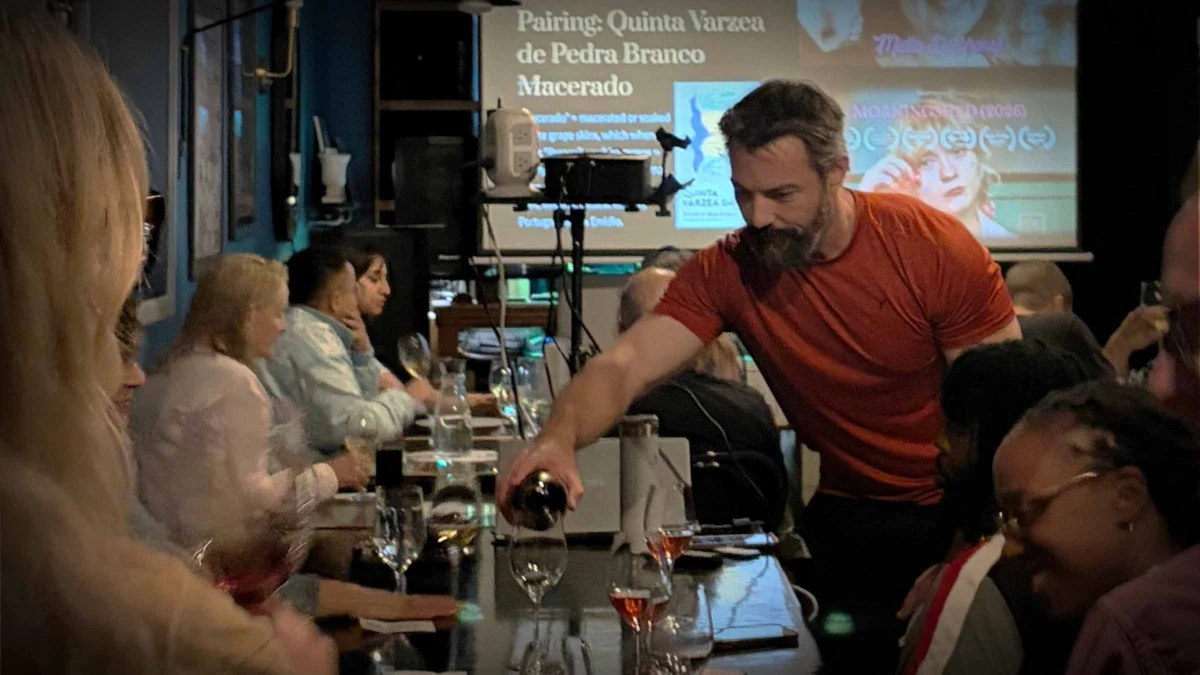
At first glance, the venue on La Brea Avenue looks like any other high-end, quaint storefront dotting the vibrant Los Angeles commercial corridor. On the night of their sold-out screening event—themed "Women Do Genre"—attendees were greeted not by the scent of stale popcorn and butter-flavored oil, but by the earthy, inviting aromas of Tempranillo and Merlot.
The core mechanics of a Wine Cellar Cinemas event are designed to upend the traditional, passive moviegoing experience:
- The Curated Space: The host establishment, a curated boutique wine shop, transforms after hours. An adjoining room is retrofitted into an intimate, makeshift screening space complete with optimized sound and projection.
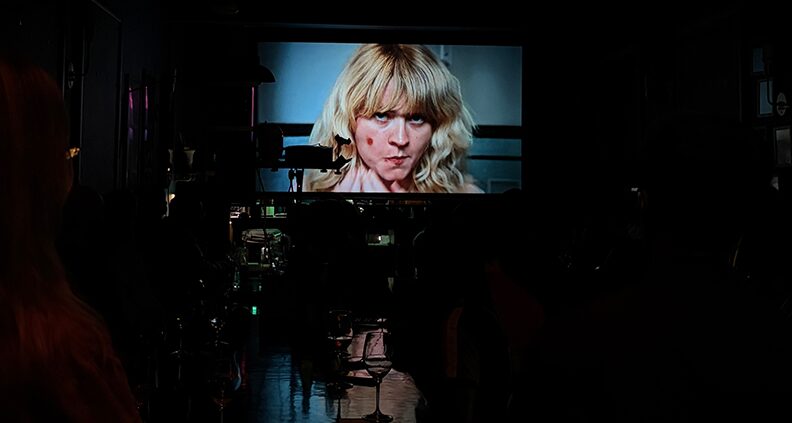
- The Concept: Baxter and Miller curate themed programs of short films, often pairing them with exclusive tasting flights. For "Women Do Genre," the lineup featured four distinct short-form works directed by women. The selection ranged from a Sundance-acclaimed dark comedy centered on a vegetarian cult to a single-location showcase highlighting masterclasses in grisly, visceral special effects makeup.
- The Wine-Film Pairings: Every film shown is meticulously matched with a wine sourced exclusively from female winemakers. The pairings go beyond superficial gimmickry, taking into account narrative themes, emotional tones, and aesthetic counterpoints.
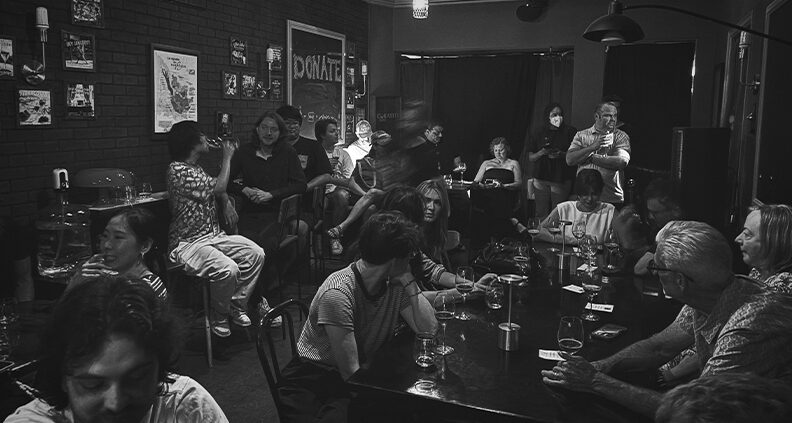
- Community and Networking: The evening begins well before showtime with a social hour, continues with a guided wine introduction and a film screening, and concludes with an extended Q&A session and networking opportunity that regularly stretches past the venue’s standard closing hours.
Chronology: From Pandemic Pivots to a Thriving DIY Movement
The genesis of Wine Cellar Cinemas is deeply rooted in the seismic shifts the entertainment industry experienced during and immediately following the COVID-19 pandemic. To understand how the venture came to life, one must trace the winding path of its founders.
The Sundance Roots and the Podcast Era
Co-founder David Baxter spent his formative professional years working within the upper echelons of the independent film community. His final major traditional post found him on the digital team at the Sundance Film Festival, navigating the unprecedented logistical nightmare of taking the legendary festival entirely online during the pandemic. When the world reopened and festivals returned to physical venues, Baxter found himself at a professional crossroads. While he still harbored a deep reverence for cinema, he had also developed a burgeoning, passionate obsession with the world of wine.
Longing for the creative camaraderie of the entertainment industry, Baxter reconnected with his best friend, Dallas Miller. Together, the duo launched Vintertainment, a podcast dedicated to exploring the intersection of wine and cinema by pairing specific bottles with classic and contemporary movies.
The Accidental Discovery
As Vintertainment built a dedicated digital following, Baxter and Miller decided to test the waters with a live event. Their very first screening paired a repertory feature film with a supporting short. To their surprise, it was the short film—and the presence of its creators—that genuinely ignited the room.

- "That was kind of a hit of that night, which is what put it in our head, ‘Oh short films and have the creators there.’ That makes us something more special than just showing a movie," Baxter recalls.
- Furthermore, the duo realized a glaring industry blind spot: "We don’t watch shorts at home, even people in the industry."
Recognizing that short-form cinema was being structurally underserved by the modern distribution landscape, Baxter and Miller began leveraging their deep-seated industry contacts to source programming. Initial calls to colleagues yielded a strong crop of titles, which they quickly expanded through online curation. The response from the short filmmaking community was overwhelming, highlighting a desperate need for alternative exhibition avenues.
Supporting Data and Operational Mechanics
Building a sustainable micro-cinema in Los Angeles requires more than just good taste; it demands ingenuity, grassroots collaboration, and adaptive resource management. Wine Cellar Cinemas managed to scale its operations rapidly by leaning into the very community it sought to serve.
Technical and Spatial Evolution
In the early days of the project, technical hurdles threatened to compromise the theatrical experience. However, during an early iteration of a screening, a film producer in attendance took note of the audio-visual limitations and broke down precisely what equipment upgrades were necessary to achieve optimal picture and sound fidelity.
Acting on this expert advice, Baxter and Miller invested in upgraded gear. They also collaborated closely with the host wine shop to optimize the physical architecture of the space—painting out skylights and blacking out windows to create a true black-box theater environment.
The Power of Cross-Pollination
The micro-cinema ecosystem in Los Angeles is defined by mutual aid rather than cutthroat competition. During their launch phase, Baxter and Miller actively swapped operational tips and structural strategies with Coffeehouse Cinema, another nascent DIY screening space developing concurrently across the city.
Furthermore, the founders tapped into digital networks like Substack’s "Filmstack" community—a burgeoning virtual ecosystem where independent filmmakers, critics, and micro-venue operators support one another, share insights, and coordinate promotional efforts.
Official Responses and Creator Insights
The philosophy driving Wine Cellar Cinemas centers on respect for both the artistic creator and the sensory experience of the audience.
Crafting the Narrative Pairings
Speaking on the intentionality behind the wine-and-movie combinations, Baxter emphasizes that the curation process is approached with absolute sincerity:
"We just take it very sincerely in a weird way, because it is something that that I’m very passionate about and I love doing… Maybe there’s something about the story or the filmmakers and how that matches with the winemakers or the story of the wine. But then aesthetically and tonally, what is it about the experience of drinking this wine that matches? Sometimes you’re countering that, where you’re like, ‘This movie’s a lot’. When a movie is grizzly and gnarly, you might want something to make you feel clean."
Validating the Short Film Medium
Both founders frequently voice frustration regarding the current life cycle of independent short films. In the traditional festival model, a short enjoys a brief, high-profile run before vanishing into obscurity.
"I think from the filmmaker POV, you get your festival run. And then that’s it. It’s like it doesn’t exist as far as the world is concerned after that," Baxter notes. "That’s sad… Short films are as evergreen as feature films."
Setting the Tone
On the night of the "Women Do Genre" showcase, the atmosphere inside the storefront defied standard cinema etiquette. Before the lights dimmed, Miller took to the floor to hype up the room, projecting an infectious energy by asking the crowd:
"Who loves women? Who loves genre? Who loves women doing genre?!"
According to the founders, wine and movies share a fundamental DNA: they are both cultural artifacts explicitly created to be shared collectively among people.
Implications: Economic Viability and Future Horizons
The success of Wine Cellar Cinemas carries profound implications for independent artists, local retail businesses, and the broader cultural economy of Los Angeles.
A Boon for Local Commerce
While micro-cinemas are often framed as purely artistic endeavors, the economic model established by Wine Cellar Cinemas proves that these spaces can be commercially viable symbiotic partners for local businesses. During the "Women Do Genre" event, the partnership proved exceptionally lucrative for the host wine shop, Curated. Fueled by the pre-screening wine tastings and post-screening networking, the shop sold significantly more wine that single night than it had a month prior during the World Cup Final.
Facing the Challenges of Organic Growth
The sheer velocity of the project’s success has taken its creators by surprise. What began as a passionate side-project born out of a podcast has quickly evolved into a cultural hotspot with waiting lists and sold-out rooms.
"The response has been so good that we’re having to rethink everything," Baxter admits. "We’ll have to pivot quite a bit to take in the extra demand and make sure that we live up to expectations."
To accommodate a broader spectrum of attendees, the team has already introduced non-alcoholic pairing options alongside their traditional wine flights. While they continue to document their growth, structural pivots, and operational lessons openly on their dedicated site and Substack, the founders remain grounded.
"We have only done it a few times," Baxter reflects. "We’re taking it one day at a time."
Conclusion
In an era where going to the movies often feels sterile, expensive, and isolated, Wine Cellar Cinemas offers a compelling blueprint for the future of film exhibition. By stripping away the corporate veneer of modern multiplexes and replacing it with curated storytelling, artisanal beverages, and a profound respect for neglected short-form filmmakers, Baxter and Miller have created something truly vital. They have transformed a quiet storefront on La Brea Avenue into a living, breathing sanctuary for cinephiles—proving that when you pair great cinema with a glass of thoughtfully chosen wine, you don’t just watch a movie; you build a community.
